
Narrow Web Plates for Label and Packaging Runs
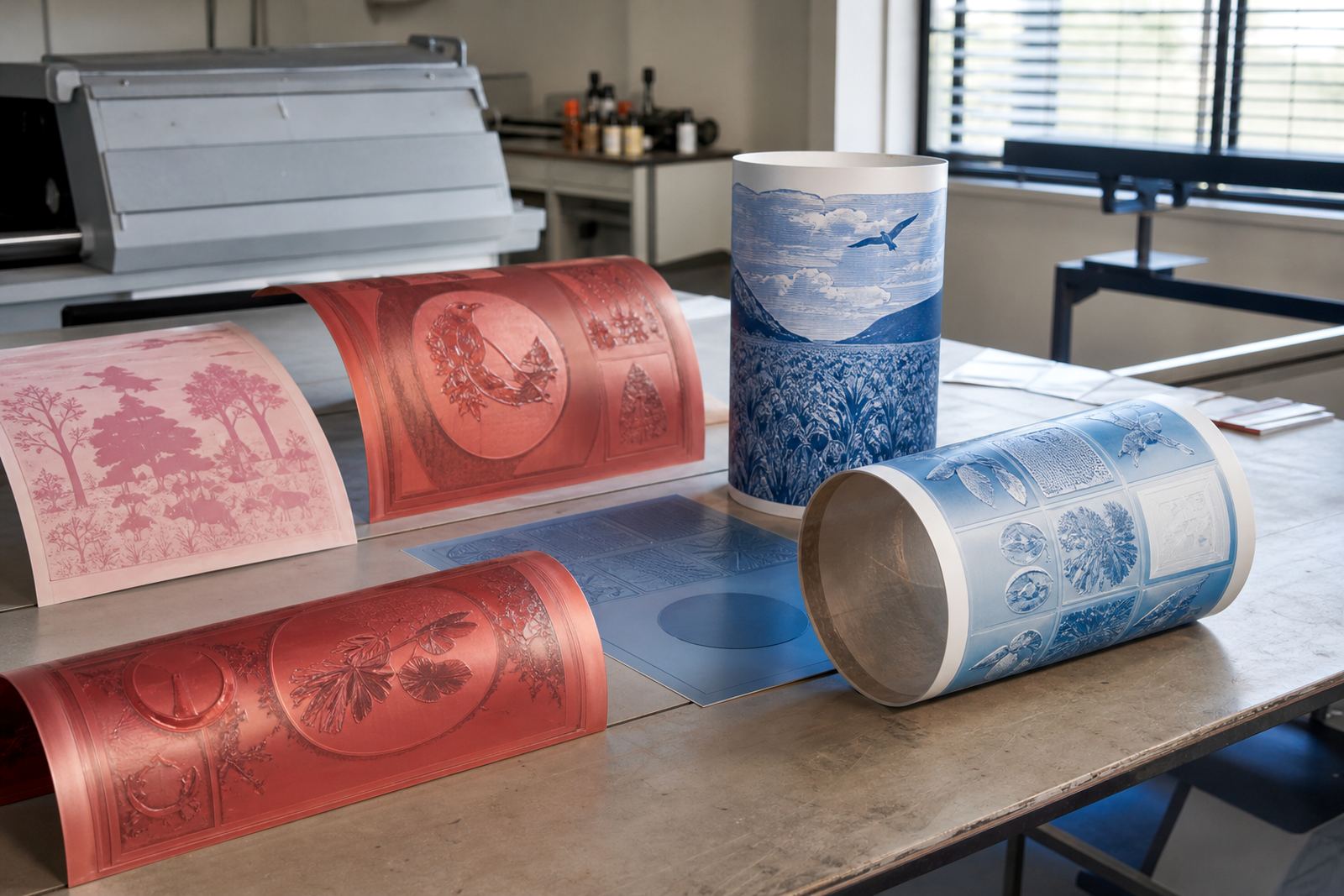
Narrow web plates are used on smaller web widths where labels, sleeves and short packaging runs need crisp print and dependable registration. These plates are suited to flexo presses that run narrow material in roll form, including pressure-sensitive labels, wrap-around labels, small cartons and other converted packaging jobs. The aim is simple: hold fine type, line work and solid areas with enough strength for repeat use, without making mounting and handling harder than it needs to be.
For many South African printers, the balance between detail and handling is what matters most. A plate that is too soft can lose definition on small text, while one that is too firm may not handle press conditions as well. We work with the job requirements, the press width and the substrate so the plate suits the work instead of forcing the press to carry the problem. That saves time during make-ready and helps keep the job moving through production.
Common Sizes, Thicknesses and Job Options
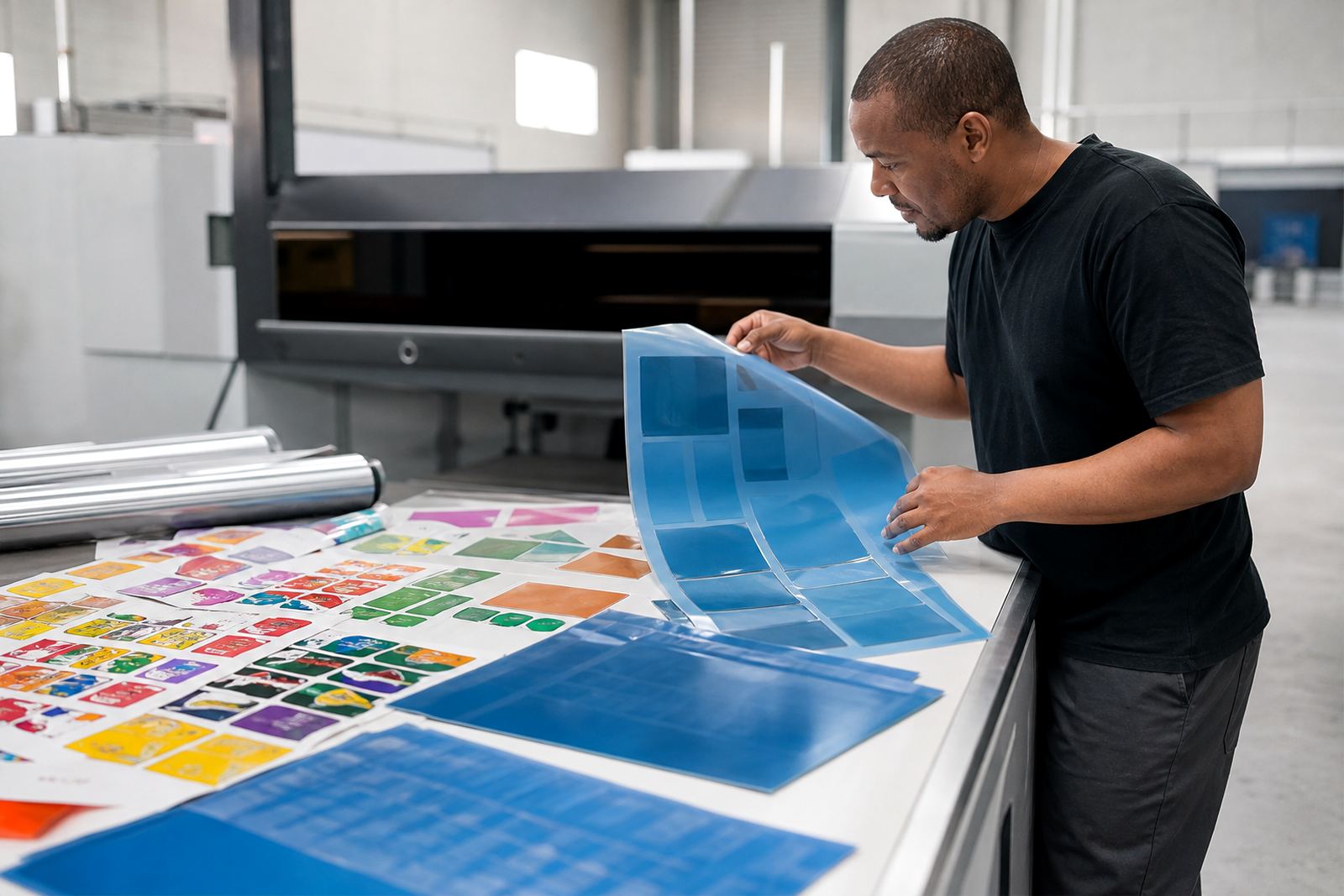
Narrow web plates are normally supplied to match the press cylinder or sleeve system used on the job. We can cut to the required repeat and trim format, and label each plate clearly for easier sorting on press. The exact specification depends on the artwork, the press set-up and how the job will be mounted. Some printers prefer full plates for direct mounting, while others use plate sets prepared for repeat work across multiple lanes or versions.
- Plate thickness options matched to the job and press requirements
- Cut-to-size or trim-to-repeat formats for narrow web mounting
- Labelling for station, colour and repeat identification
- Suitable for line work, type, blocks and finer halftone detail
- Options for remake support when an existing file needs correction
Because narrow web work often changes from one label range to the next, it helps to keep a clear naming system and consistent file structure. That makes repeat orders easier and reduces the chance of mix-ups between versions. A small error in trim or station naming can hold up the whole run, so we pay attention to those details during plate making and dispatch.
Where Narrow Web Plates Work Best
These plates suit printers producing labels for food, beverage, household goods, personal care, chemical containers and general trade packaging. They are also a practical choice for promotional labels, barcode labels and short to medium production runs where the artwork changes more often. Narrow web printing places pressure on registration, so plate consistency matters from the start of the run to the end.
South African printers also deal with a range of local conditions. Heat in inland areas, coastal humidity and the stop-start effect of load-shedding can all make handling a job more demanding. A well made plate helps reduce avoidable press adjustments when the line starts up again. It also supports cleaner ink transfer on substrates that are fussy, like films and coated label stocks.
- Pressure-sensitive labels
- Wrap-around and shrink label work
- Small carton and converter packaging
- Barcode and variable label jobs
- Short runs with frequent artwork changes
What the Installation Needs on Press
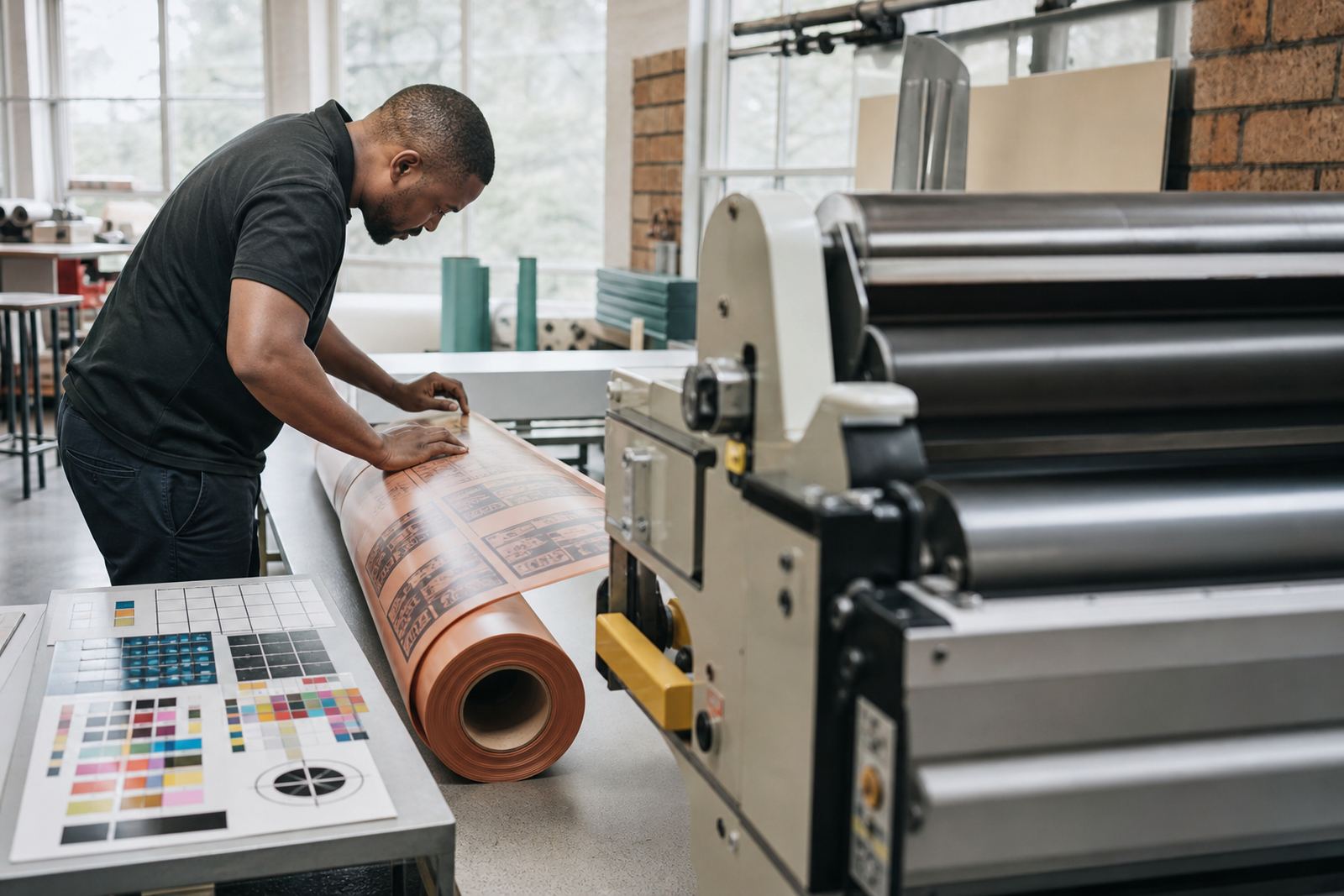
Narrow web plates do not need gas or electrical supply on site, but they do need careful handling during mounting and set-up. Clean sleeves, correct tape selection and proper alignment are important. The plate should sit flat, with the repeat and station marks checked before the first pull. If the plate is bent, scratched or stored badly, it can show up as poor print or a registration fault right at the start.
For good installation, keep the mounting area clean and dry, and avoid touching the image surface with oily hands. Where possible, allow the plates to acclimatise to the press room before use, especially in humid coastal areas. That small step can help with handling and reduce static issues on some label jobs. If the job involves multiple colours or fine overprint, the prepress team should verify the file layout and station order before dispatch.
- Clean mounting tables and sleeves
- Correct plate tape or adhesive system
- Checked repeat length and station order
- Stable storage away from heat and direct sun
- Room to handle plates without creasing or edge damage
Care, Storage and Reuse Between Jobs
Photopolymer plates need sensible care if you want them to last. After use, clean them with the correct pressroom method and keep them flat. Avoid folding, dragging or stacking heavy items on top of them. If a plate is to be reused, it should be inspected for nicks, swelling, edge wear and any residue that may affect the next run. Small damage can become a bigger issue once the press is up to speed.
Storage matters too. Keep plates out of direct sunlight and away from dust, solvents and excess moisture. In humid conditions, plates can pick up handling marks more easily, while in very dry conditions static can become annoying during mounting. A simple sleeve, envelope or flat storage system helps preserve plate shape and makes future dispatch easier. Our team can also assist with remake support where the existing plate needs a correction or replacement.
What to Check Before You Order
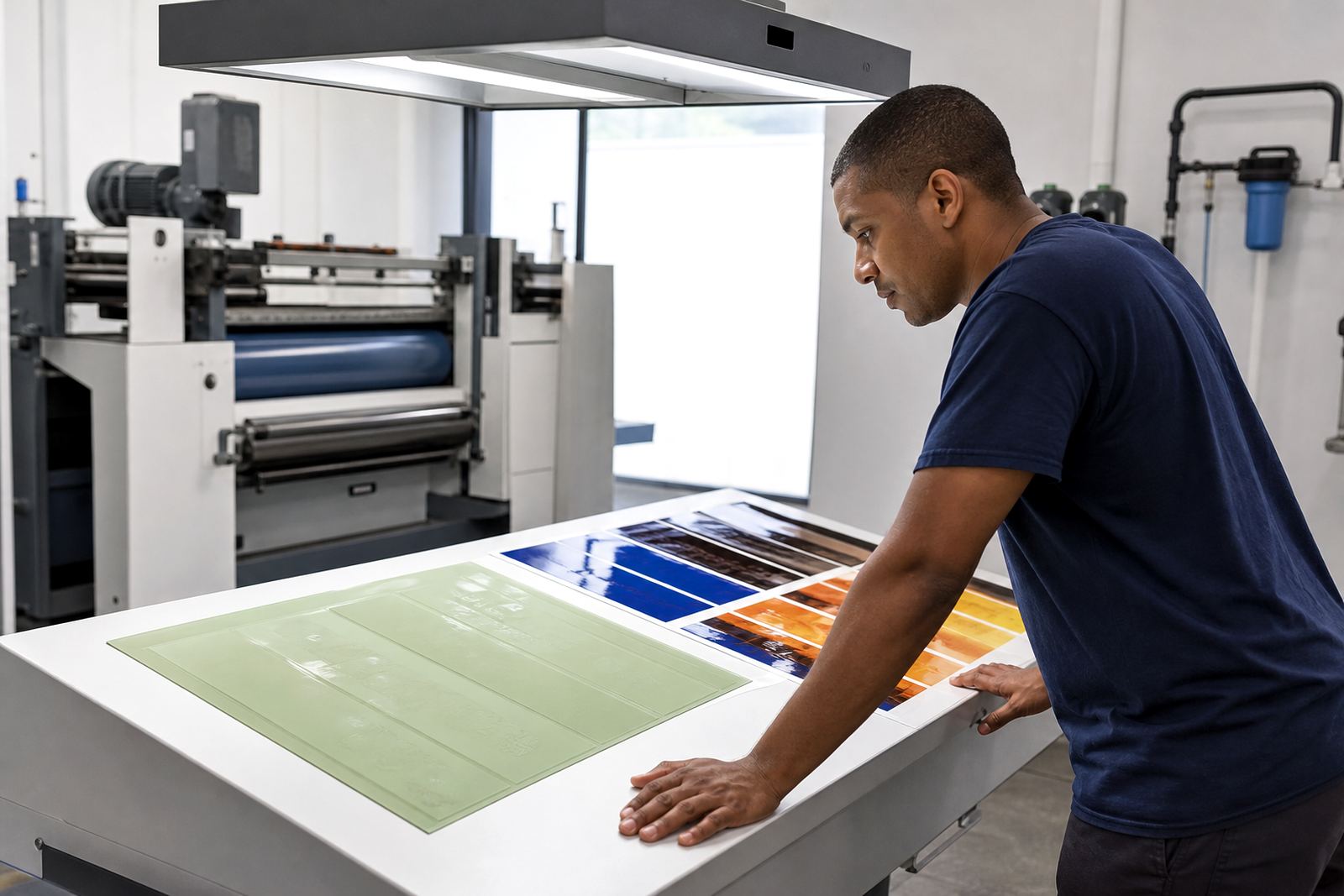
Before placing an order, it helps to confirm the press width, repeat length, number of colours, substrate type and whether the job is for labels or packaging. If the artwork has small type, fine lines or half-tone images, say so upfront. That allows the plate-making process to be matched to the print requirement. It is also worth checking whether the job needs proof comparison, screening support or imposition planning before plates are made.
For ordering, the more complete the file information, the smoother the job tends to be. Include version names, station order, trim requirements and any special packing notes if the plates must travel by courier to Johannesburg, Pretoria, Durban, Cape Town, Gqeberha or elsewhere in South Africa. Our Midrand team handles enquiries through the contact page and can advise on file checking, plate trimming, dispatch packing and collection coordination. A clear brief at the start usually saves time later, and prevents avoidable back-and-forth.
- Press width and repeat length
- Number of colours or stations
- Artwork version names and labels
- Substrate type and print conditions
- Any trimming, packing or delivery notes
Key facts
| Product type | Narrow web flexo photopolymer plates |
|---|---|
| Best use | Label and small packaging production |
| Typical formats | Cut to repeat, station marked, trim prepared |
| Detail range | Type, line work, solids and fine image areas |
| Support services | Artwork preflight, file checking, imposition planning and remake support |
| Delivery area | Midrand base with courier delivery across South Africa |