

Label Printing Jobs That Need Clean Fine Detail
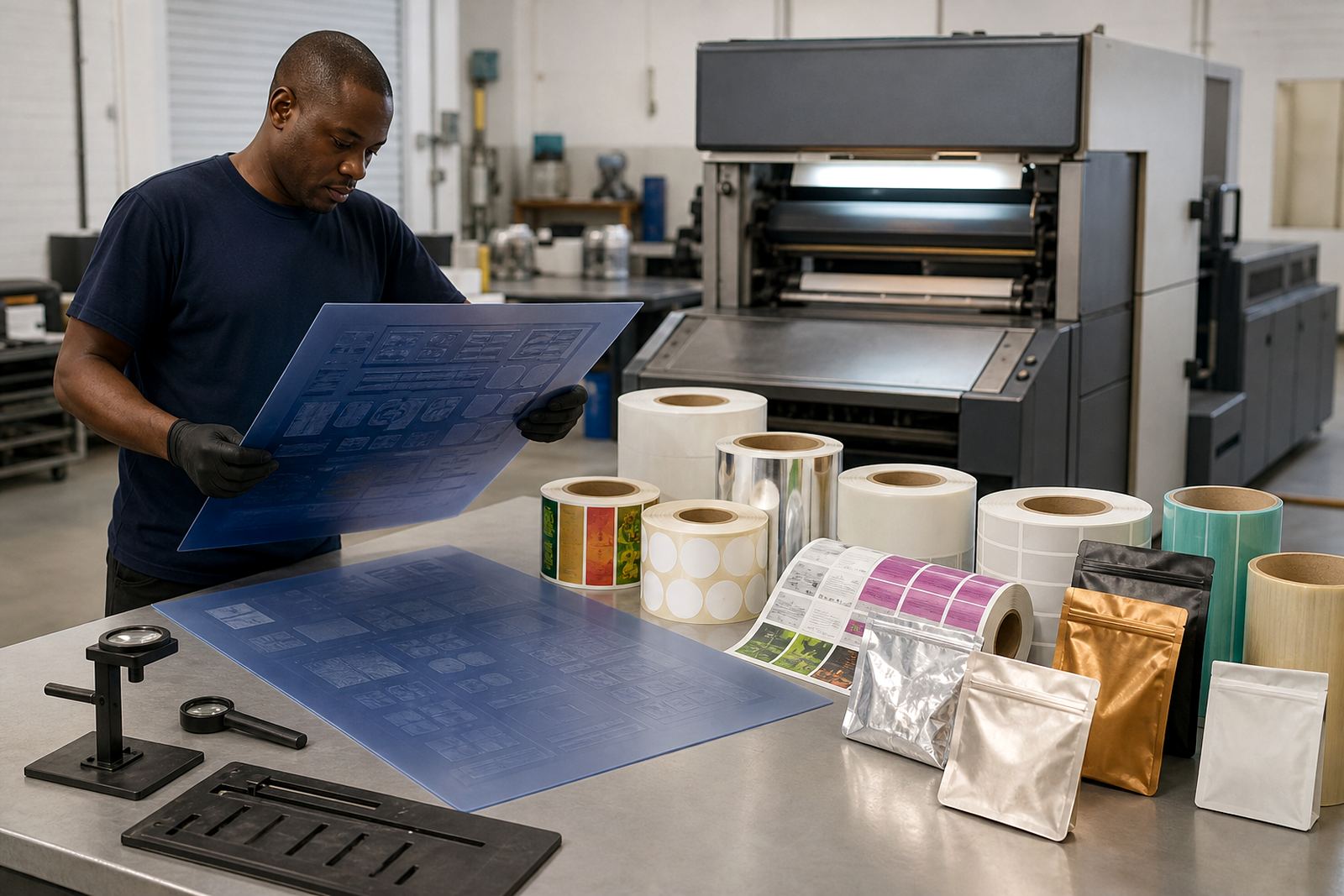
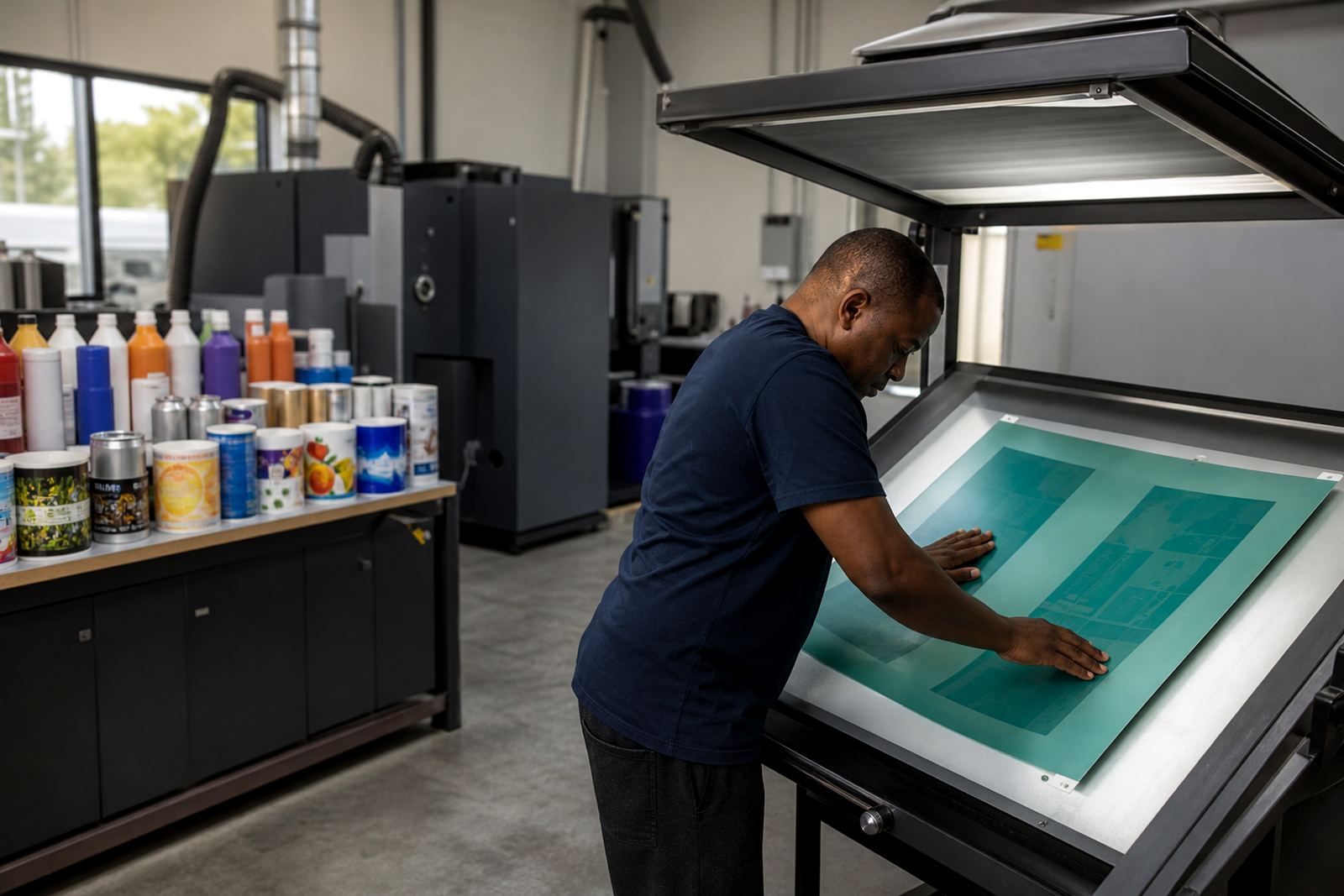
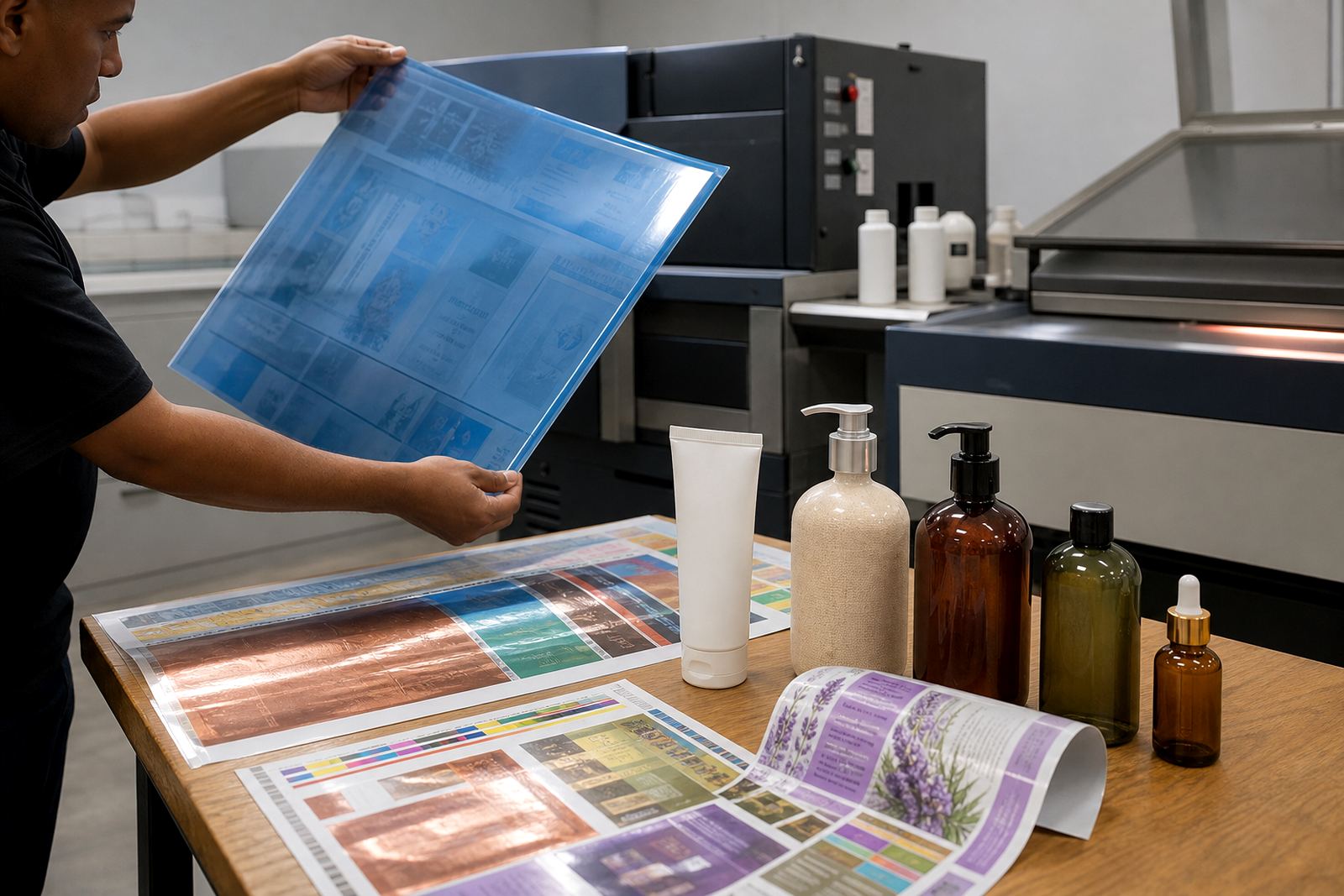
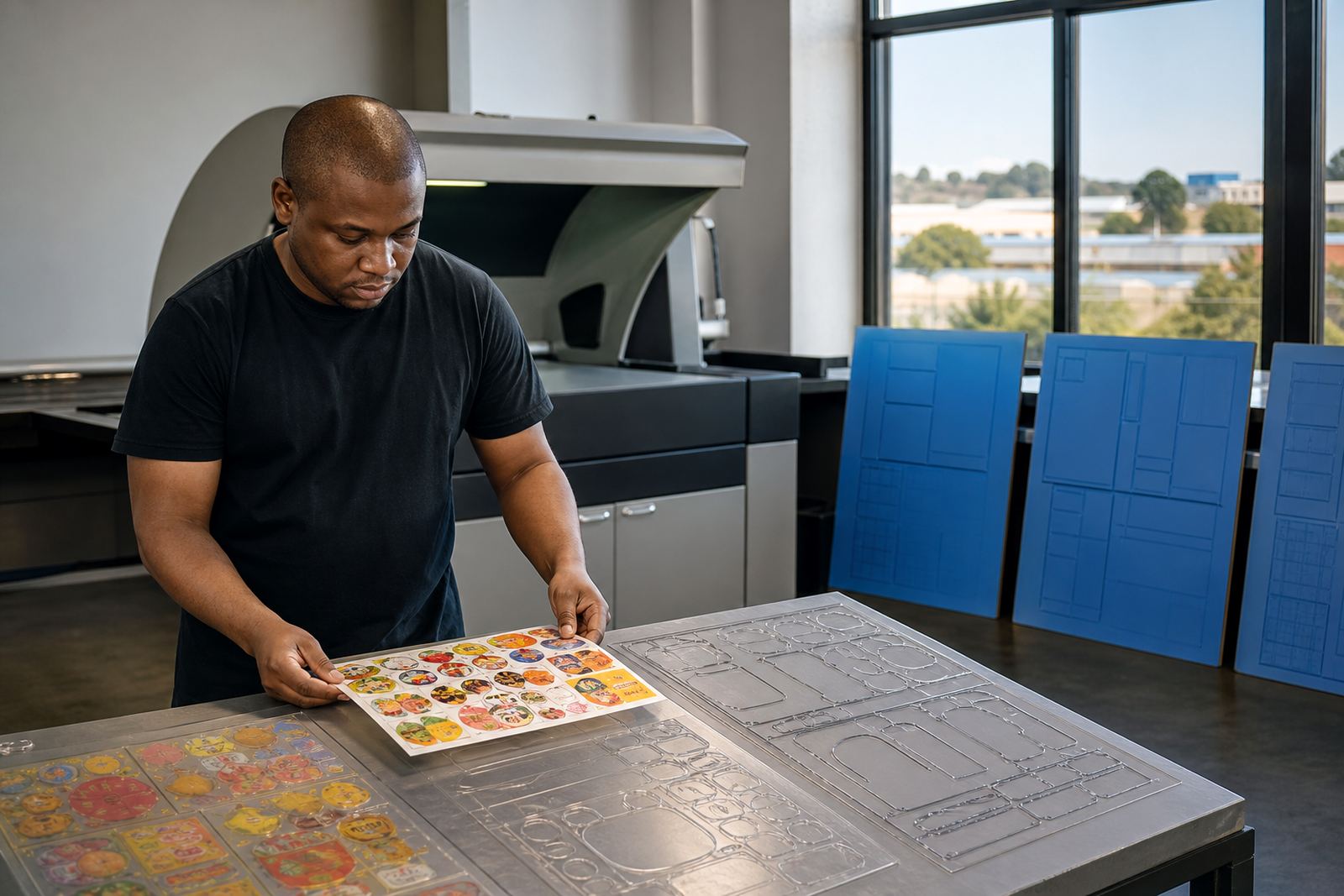
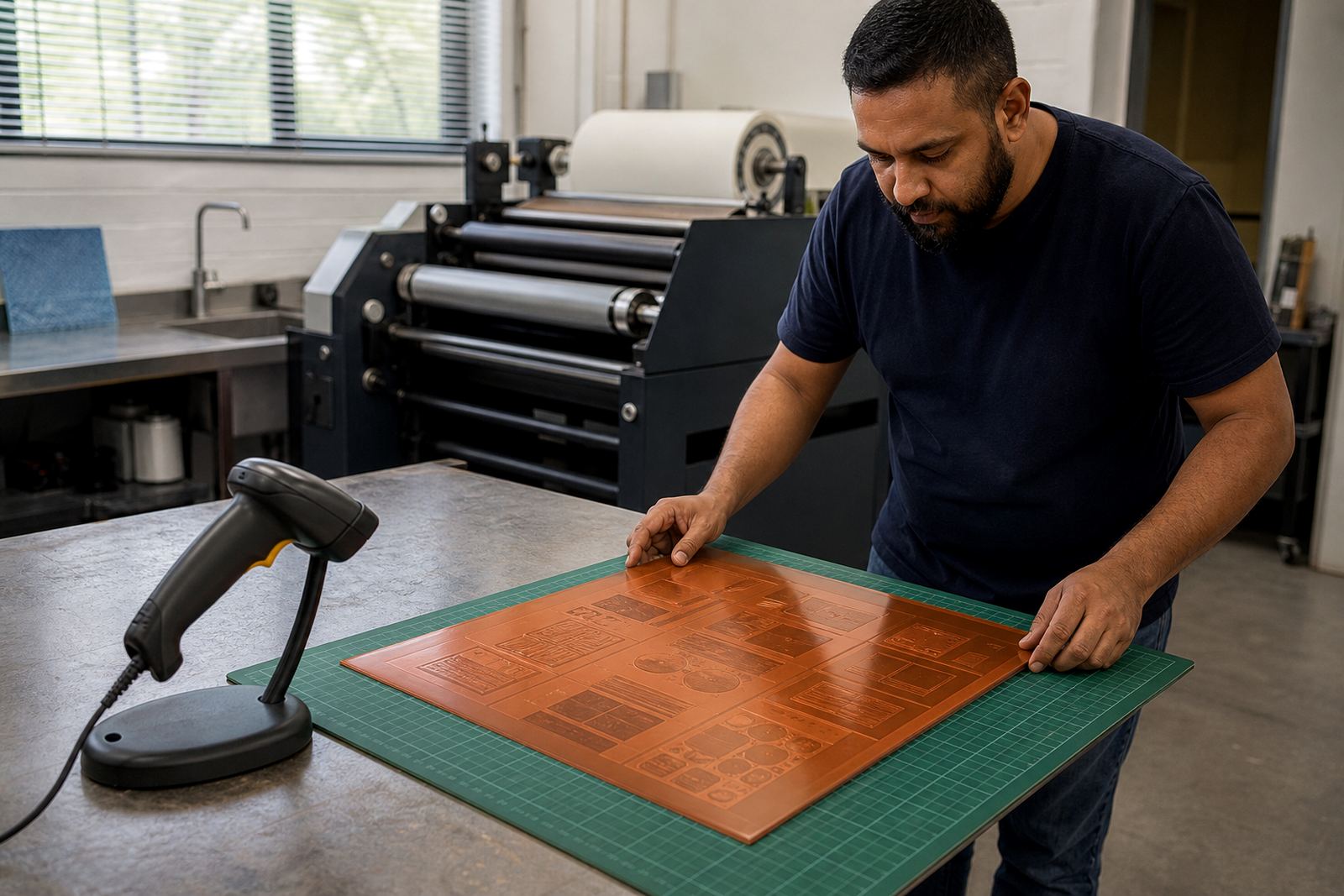
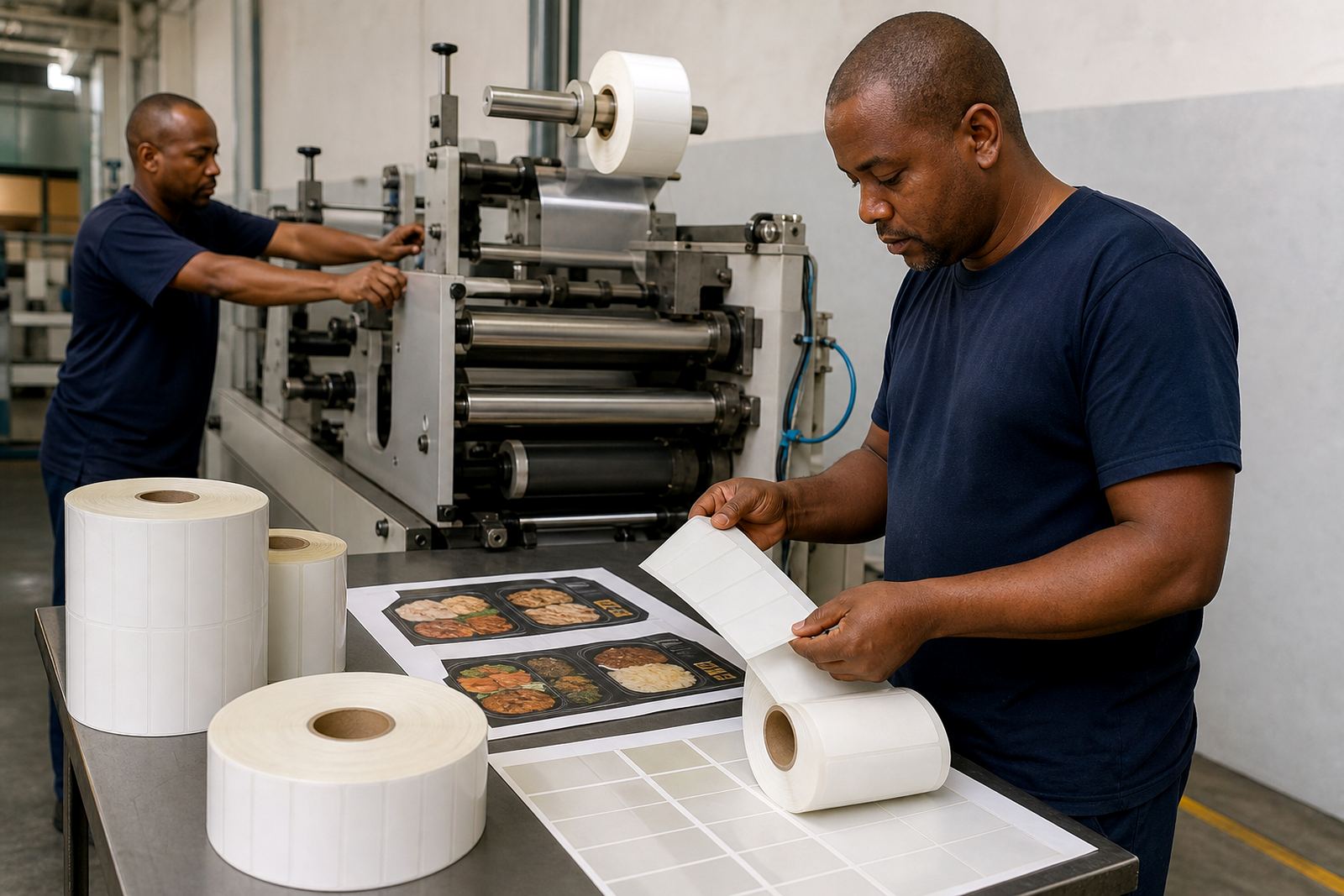
Label work often calls for tight registration, small text and sharp solids, especially on shorter runs where a print fault shows quickly. For these jobs, plate-making needs careful file checking, controlled screening support and good proof comparison before anything goes to press. That helps reduce wasted substrate and keeps the result clear on paper, film or coated stock.
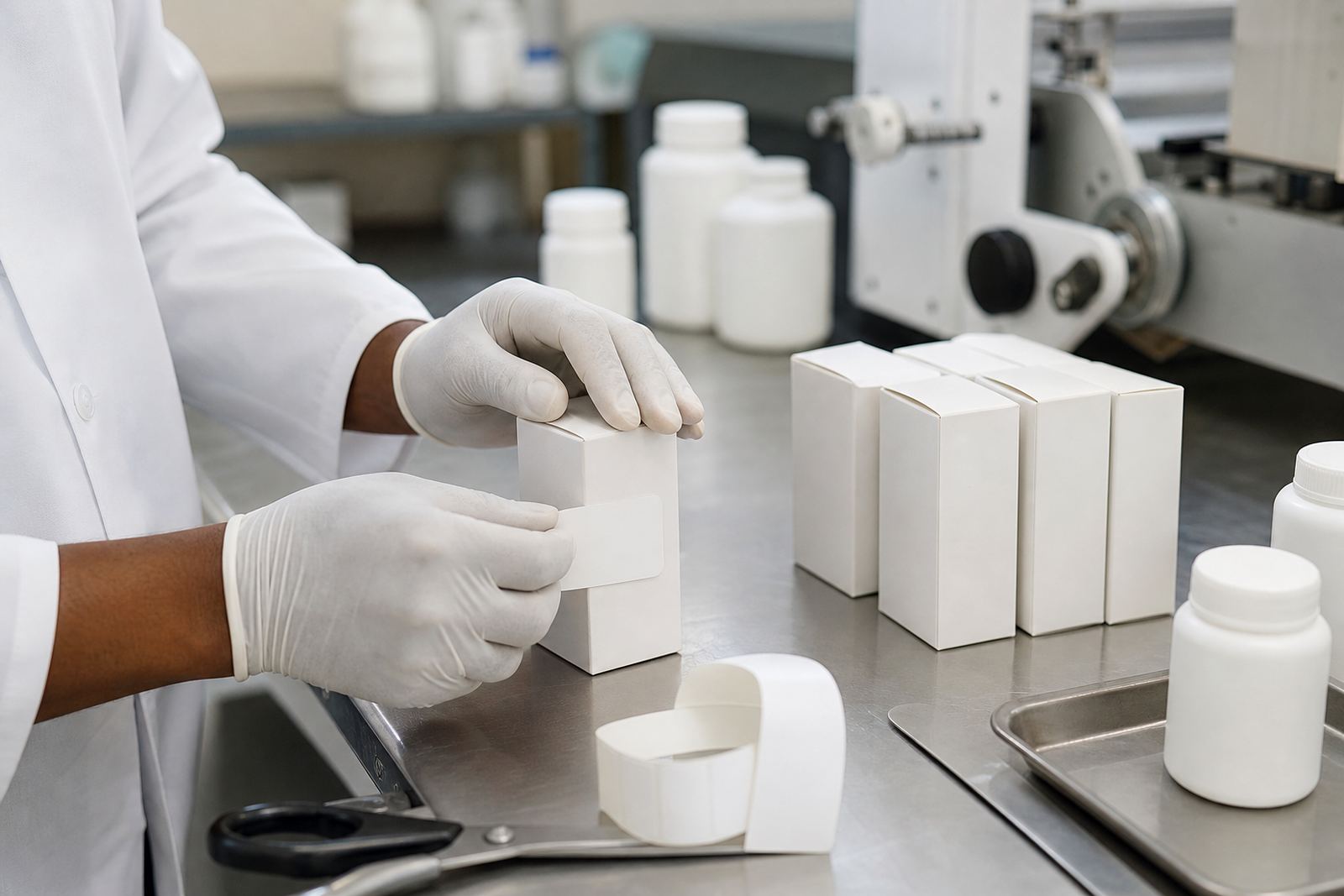
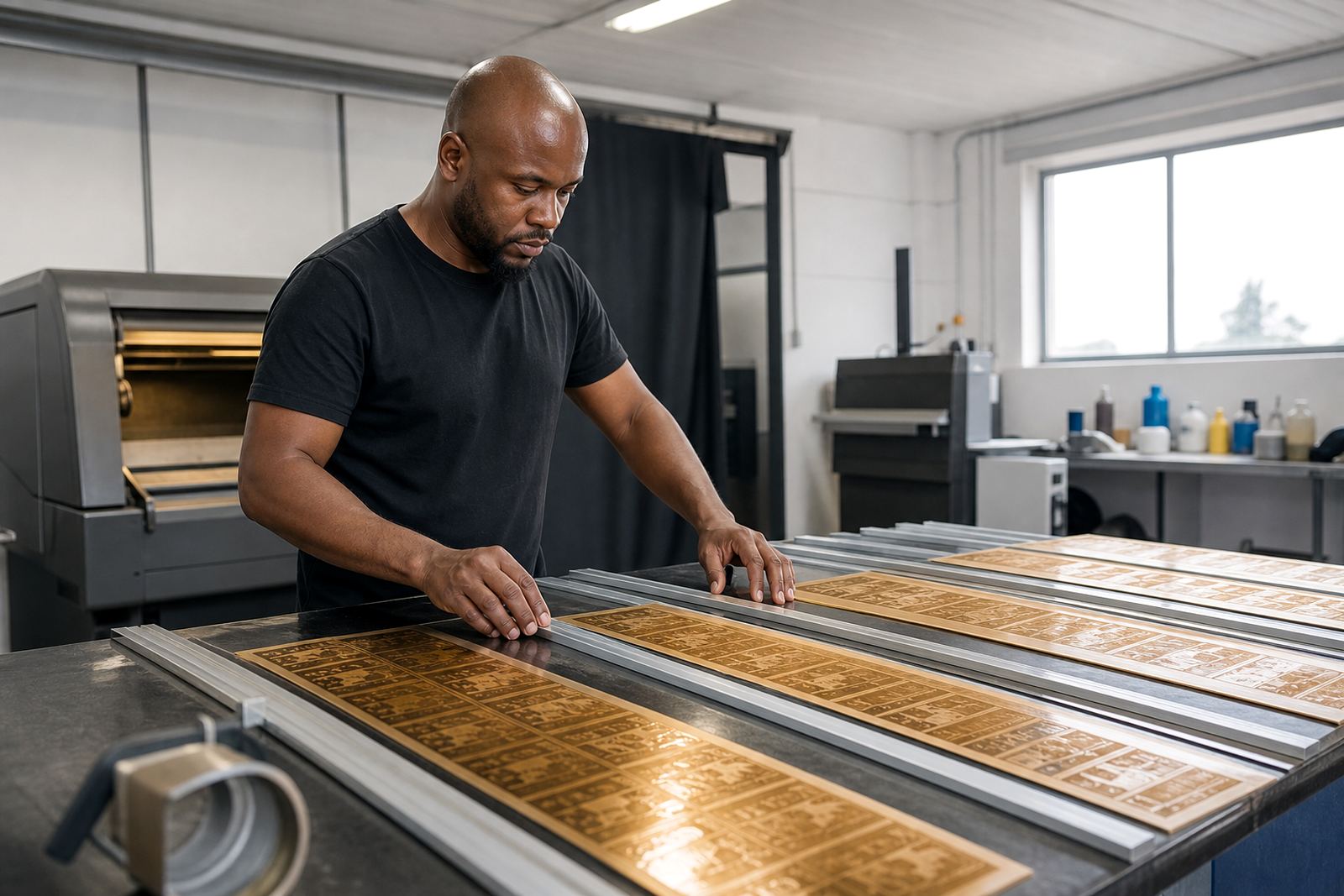
In label production, the right plate choice depends on the detail in the artwork and the press conditions at hand. A clean plate surface and accurate plate trimming also help when labels need consistent die line placement, neat edges and repeatable mounting.
- Pressure-sensitive labels for bottles, jars and pouches
- Variable text areas that must stay legible at small size
- Short-run label jobs that need fast setup and repeat order accuracy
Packaging Applications for Cartons, Sleeves and Wraps
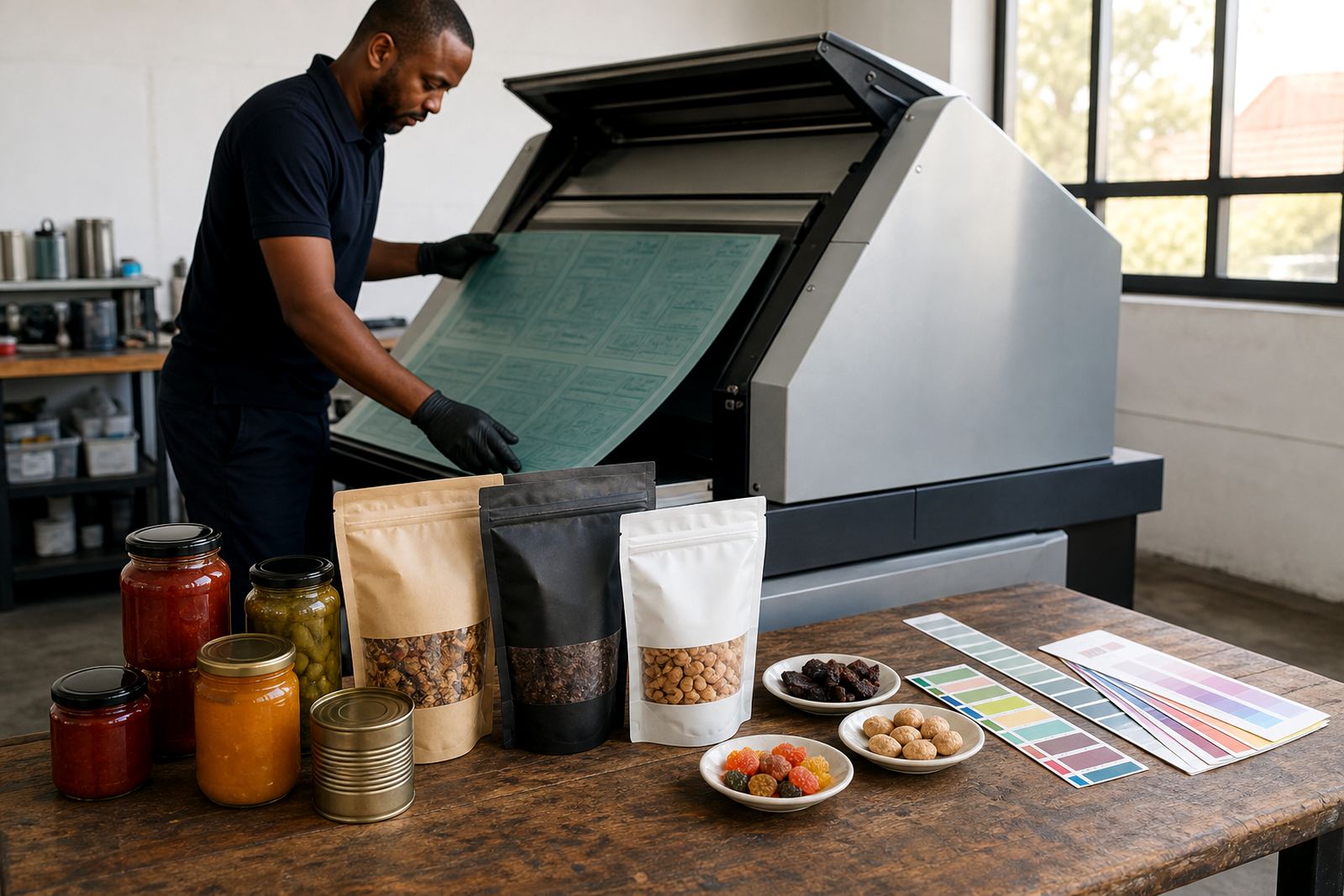
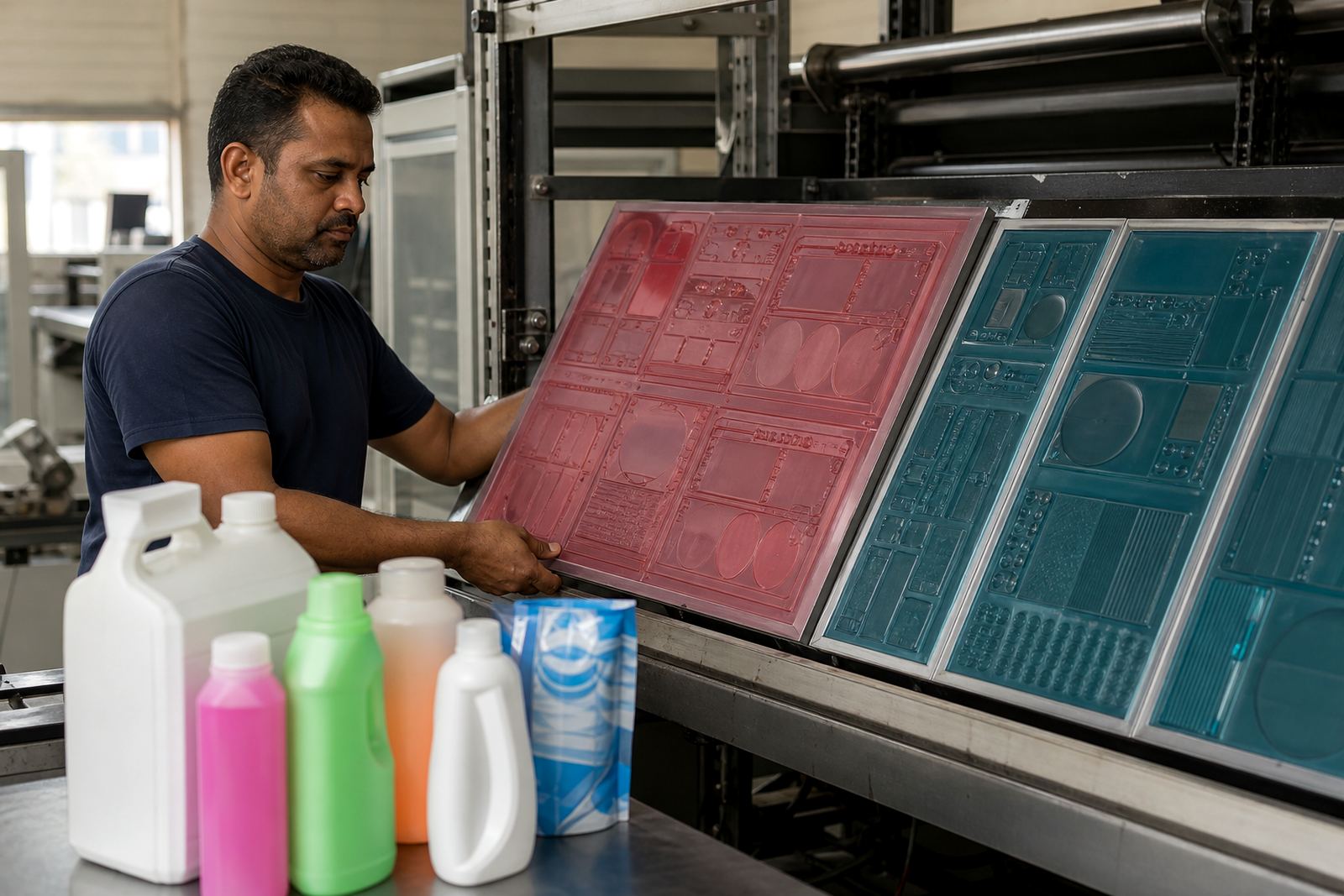
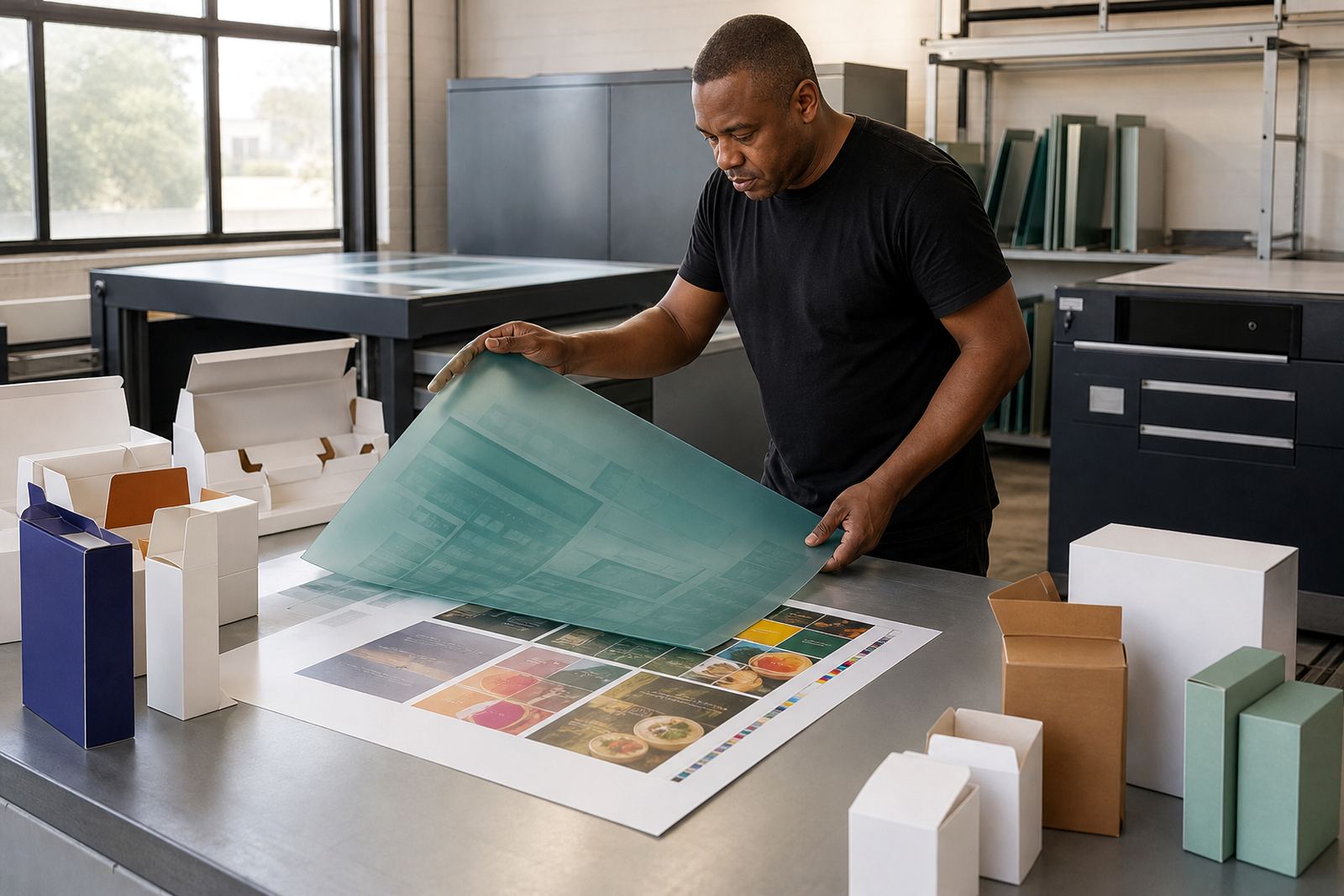
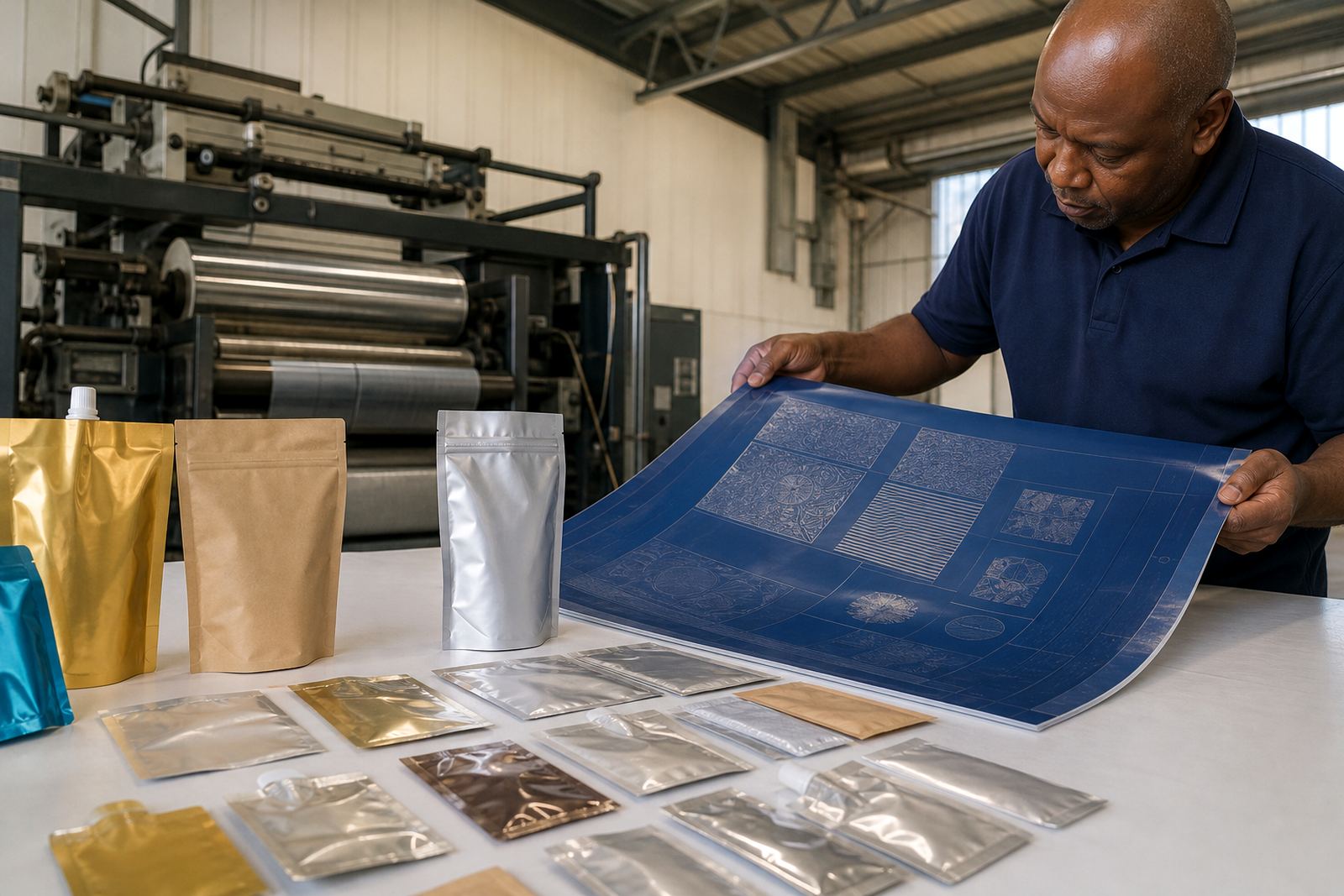
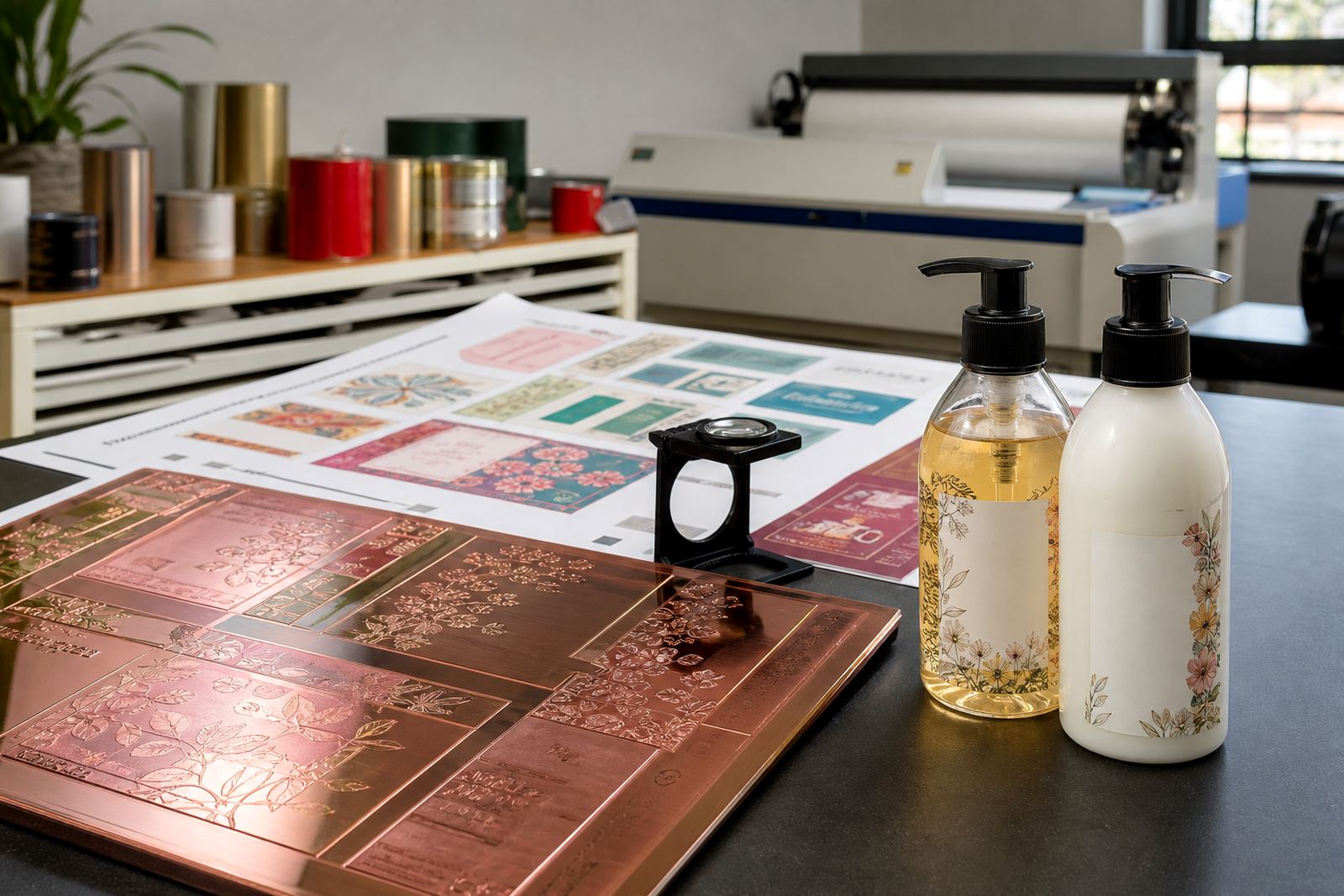
Packaging printers need plates that can carry bold branding, solid areas and controlled highlights across a wider print area. Flexo plates for cartons, sleeves and wraps must suit the substrate and the press setup, whether the job is running on board, film or another packaging material. Midrand works well as a base for this kind of production because courier links make it practical to send finished plates to Gauteng, the coastal centres and inland manufacturing areas.
Artwork preparation matters here because packaging files often carry multiple panels, fold lines and product codes. Imposition planning and technical job advice help place the job correctly on press so the finished pack folds, reads and presents as intended.
- Folding cartons and printed sleeves
- Flexible packaging with product panels and seals
- Outer wraps where bold brand colours and solid fills matter
How Plate Choice Changes From One Substrate to Another
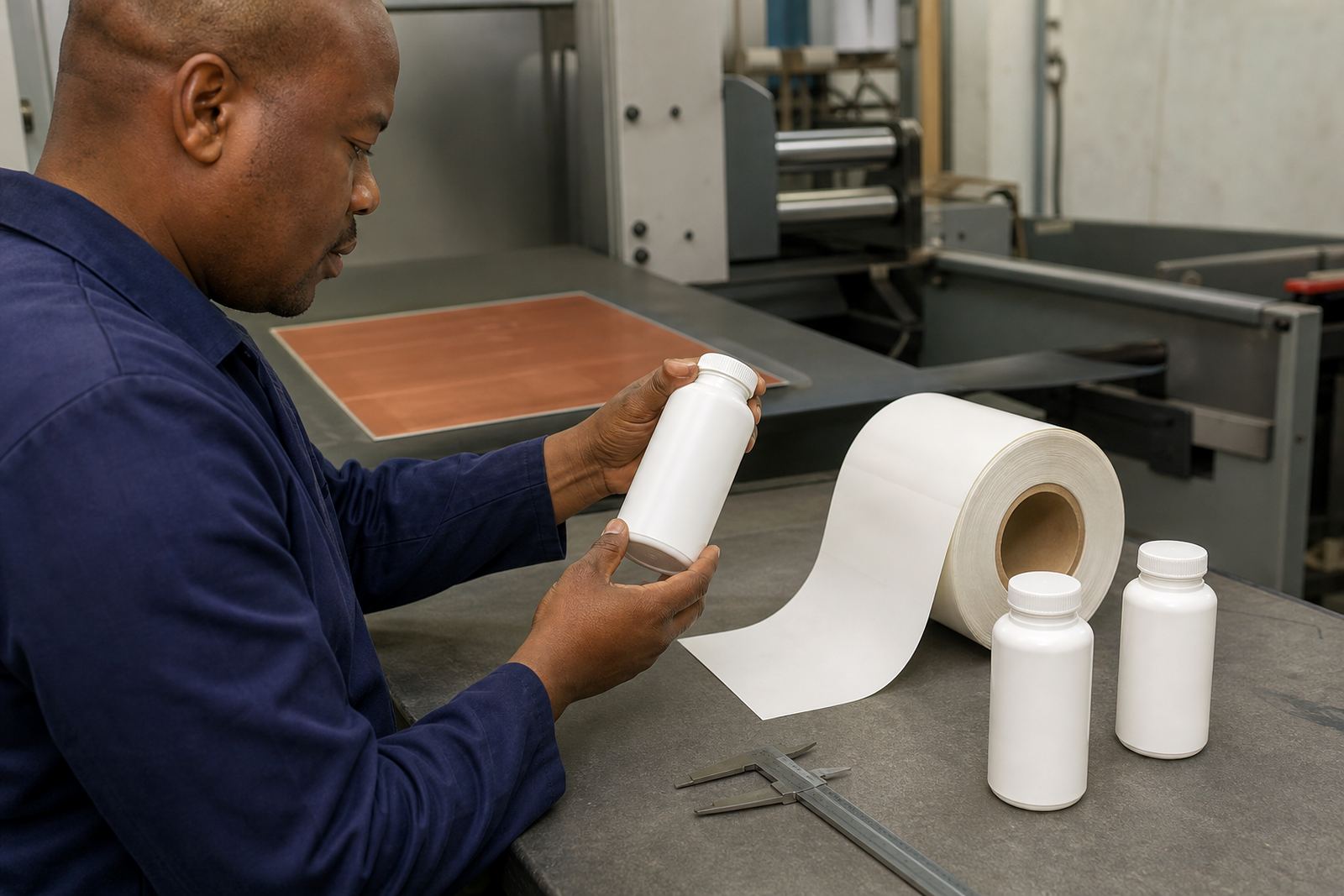
Not every flexo job behaves the same once it reaches press. Smooth film, textured board and absorbent materials all transfer ink differently, so the plate needs to support that surface behaviour. A plate that works well on one material can give a very different result on another, especially when there are fine reverses or tint work involved.
That is why print teams should look at the full job spec before ordering plate-making. The file, the substrate, the ink system and the press conditions all influence the final outcome. If the job is running in humid coastal conditions, or the plant is dealing with load-shedding and stop-start production, practical plate handling and packing become even more important.
- Smooth substrates may show fine detail more clearly
- Absorbent materials may need different screen support
- Heat and humidity can affect storage and handling on site
When Reprints, Remakes and Corrections Are Part of the Job
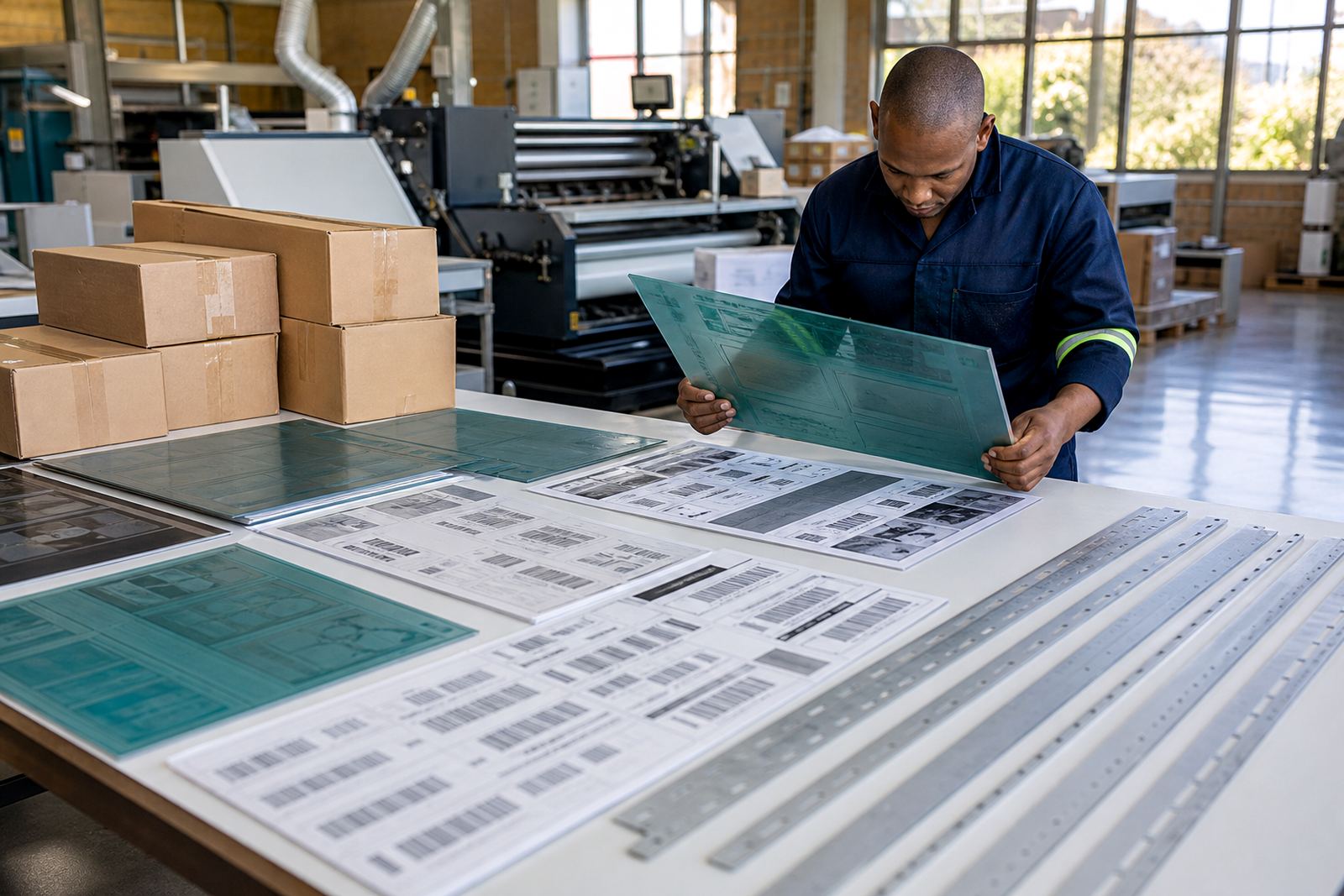
Production rarely goes exactly the same way every time, so plate support has to cover more than the first run. Remake support helps when artwork changes, copy moves or an earlier file needs correction. This is common in label and packaging work where barcodes, ingredients, dates or legal text are updated at short notice.
Clear file checking before plate-making can save time later but when changes do come through, the plate set must be updated in a controlled way. That includes proof comparison, plate labelling and dispatch packing so the right plates reach the right press crew in good order.
- Copy changes and late artwork amendments
- Barcode or date field updates
- Reprints after customer-approved artwork changes
Planning for Delivery, Collection and Pressroom Timing
Many printers in South Africa need plates sent quickly between production areas and the pressroom, so collection coordination and courier dispatch are part of the service, not an afterthought. From Midrand, plates can move to Johannesburg, Pretoria, Durban, Cape Town and Gqeberha, with support for East Rand and West Rand deliveries too. This matters when a job has a narrow print window or multiple sets need to arrive together.
Good packing protects the plate surface and helps keep mounting work cleaner at the receiving end. It also makes life easier for teams working around municipal restrictions, shift patterns or interrupted power supply because the job arrives ready for the next stage, not needing extra handling.
Choosing the Right Application Page on This Hub
This hub is arranged so each application page can focus on one printing need, instead of trying to force one plate choice across every job. That is useful for label printers, packaging converters and production managers who need practical guidance before sending artwork in for plate-making.
Start with the application that matches the end use, then look at the details that matter most for that job. For some print runs it is fine type and screen work, for others it is solid colour, remake speed or substrate behaviour. The best choice usually comes down to the print conditions, the file quality and the way the job will be handled on press.