When Security Seal Work Needs Tighter Plate Control
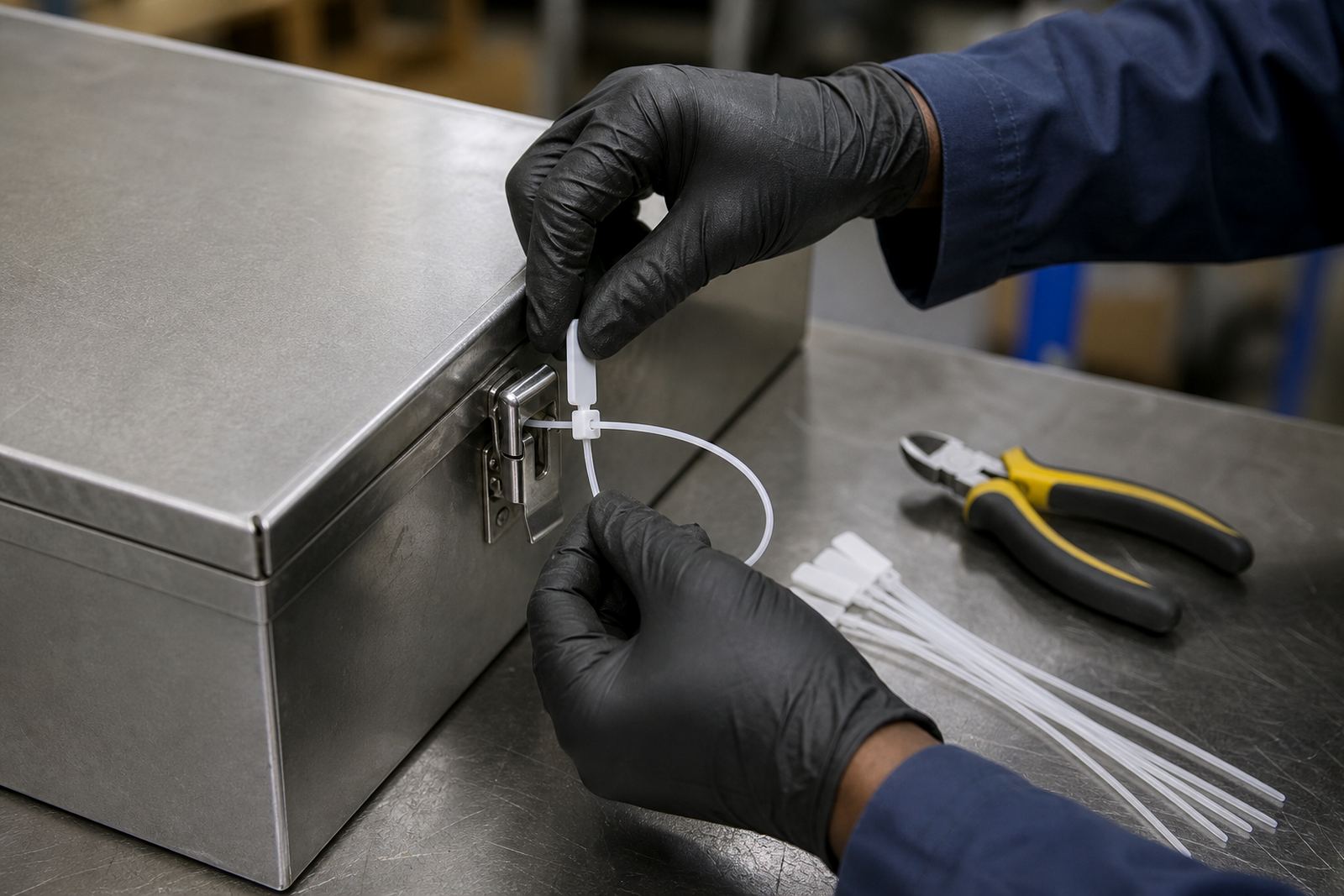
Security seal jobs often look simple on screen, but they can be unforgiving on press. Tiny wording, serial fields, repeat marks, tamper lines and small logos all have to stay legible when the seal is printed on film, paper or synthetic stock. If the artwork is not prepared carefully, the print can lose detail very quickly, especially where the seal is narrow and the layout leaves little room for error.
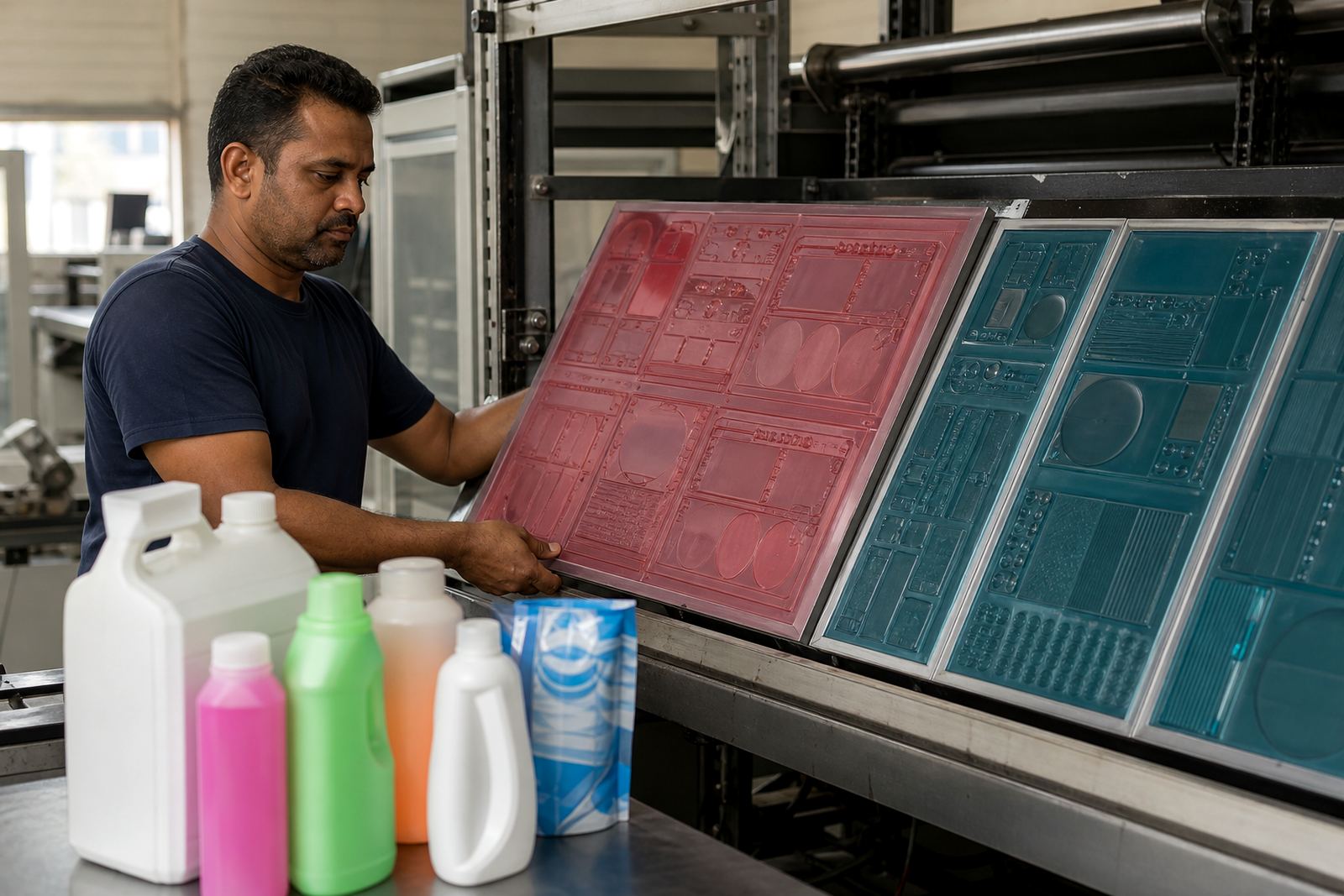
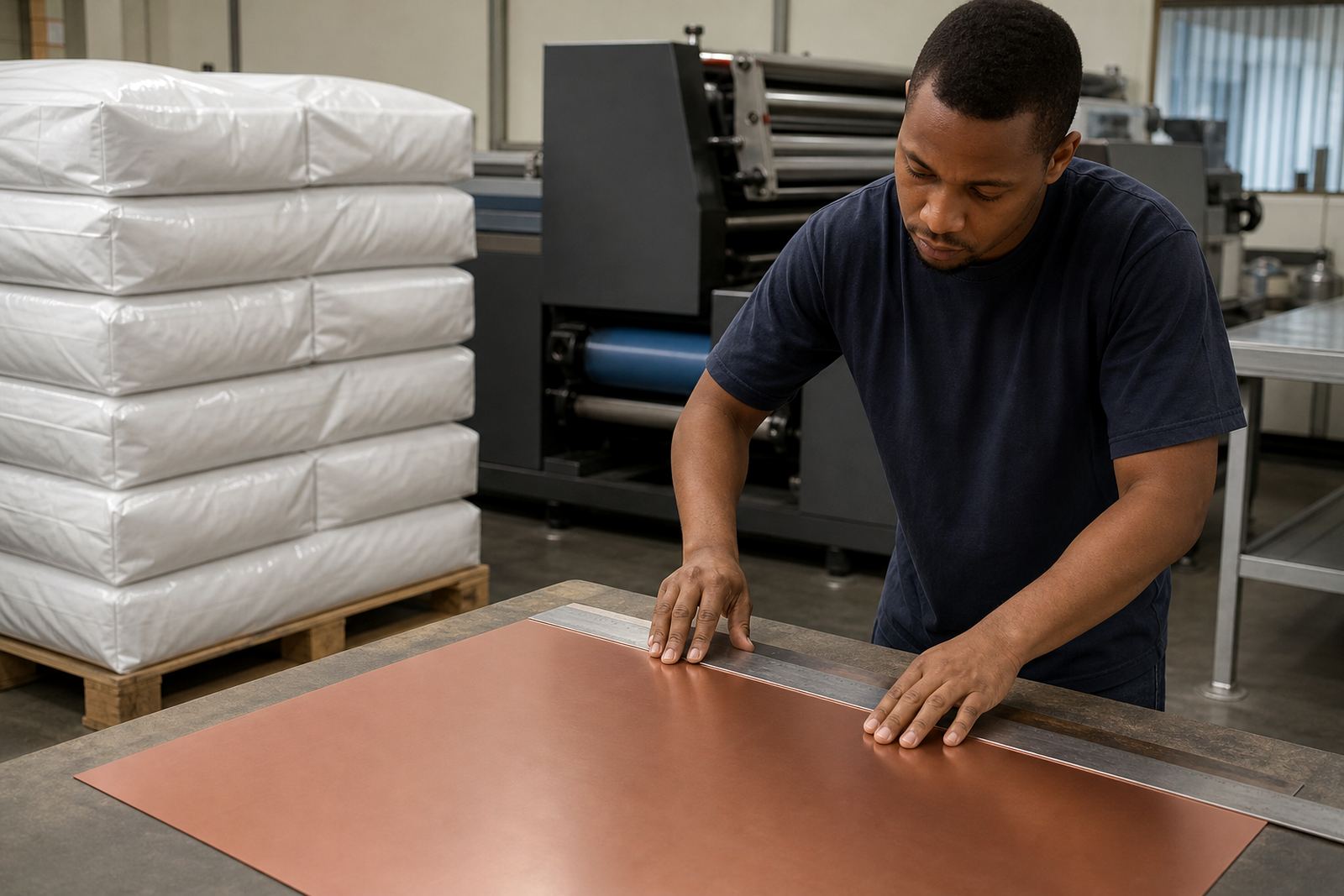
For this kind of work, the plate-making stage matters as much as the artwork itself. We check line weight, spacing, reversal areas and the balance between solid areas and fine detail before the plate is made. That helps avoid soft edges, broken characters and uneven ink pickup. In Gauteng, where many printers are balancing smaller batches with quick dispatch, it helps to have a plate partner who treats seal work as precision work, not a general job.
Typical Press Setups Used For Security Seals
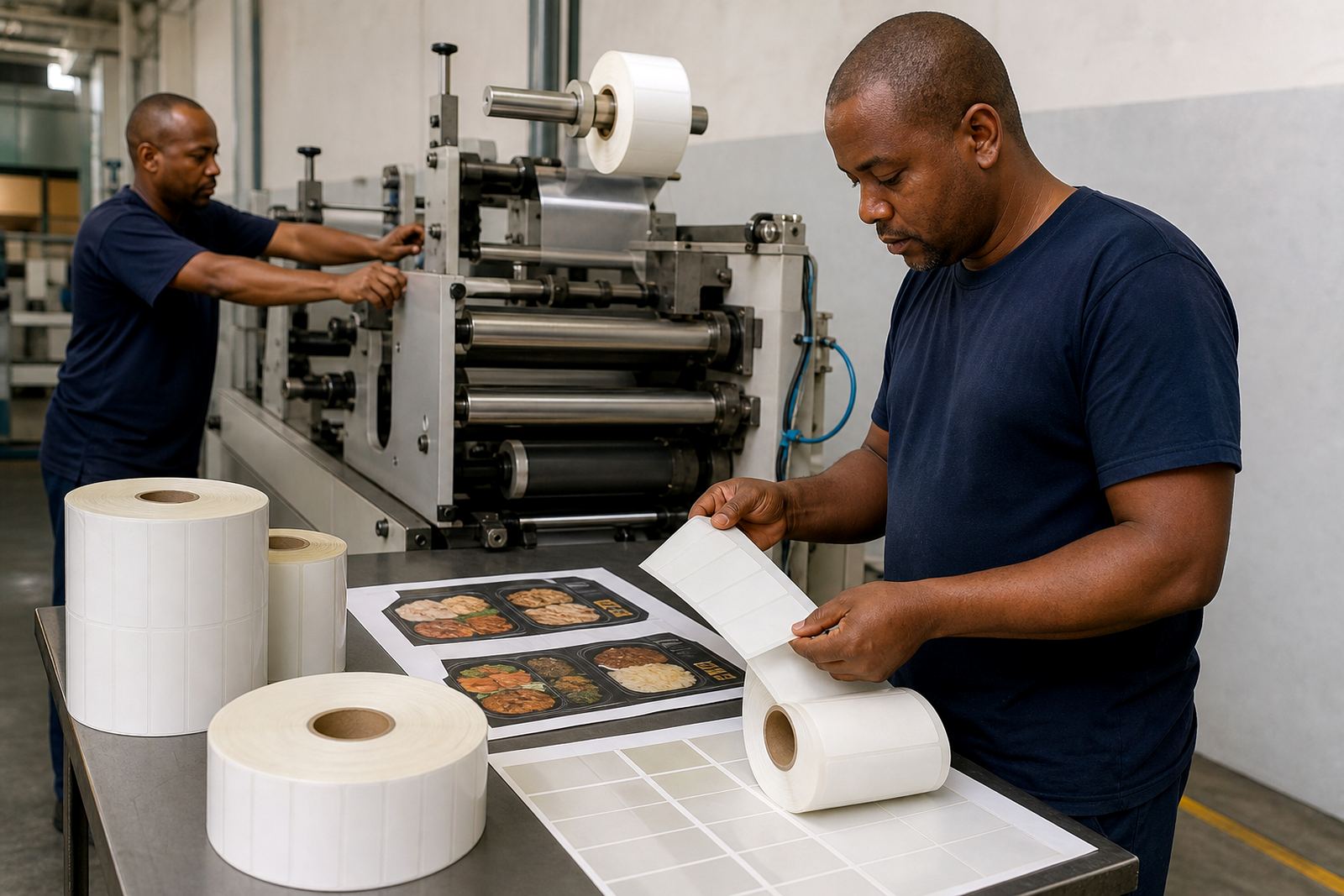
Security seals are usually printed on narrow web flexo equipment, often with UV or water-based ink systems depending on the substrate and the press setup. Some jobs run on self-adhesive label stock, while others are printed on packaging webs or insert materials that need folding, slitting or later application. The plate has to suit the press width, repeat length and cylinder arrangement, otherwise the job can drift or waste stock.
- Narrow web label presses for serialised seals and tamper-evident labels
- Mid-width flexo presses for packet seals, carton marks and overprint areas
- Film and synthetic stock applications where small text must stay clear
- Jobs that need consistent repeat spacing for slitting, sheeting or finishing
We also look at how the job will be packed and moved. If a seal job is going by courier from Midrand to Pretoria, Durban, Cape Town or Gqeberha, the plates and trimmed components need to be labelled clearly so the press team can identify them quickly on site. That saves time and reduces mix-ups when a plant is handling several releases in one day.
Layout And Planning Advice Before Plate Making
Good planning starts with the artwork file. For security seal work, we normally advise printers to keep critical copy away from the trim edge and to avoid crowding the design with too many line elements. Small type should be built with enough weight to survive the plate and the press conditions. If there is a code box or sequential numbering area, it needs space around it so the print does not close up under pressure.
It also helps to plan the layout with the finish in mind. If the seal will be cut, torn, folded or applied by hand, the artwork should allow for that movement. We can assist with imposition planning, proof comparison and screening support so the final plate matches the press use, not just the artwork file. On repeat seal work, a simple layout note can prevent a lot of wastage later on. A little planning goes a long way, especially when load-shedding or shift changes can interrupt a press schedule.
- Keep tiny text simple and avoid overly thin fonts
- Allow space around barcodes, serial fields and tamper wording
- Confirm repeat length before plate output
- Match the file version to the approved proof
- Check whether the seal is for label stock, film or carton application
Artwork Issues That Commonly Cause Trouble
Many security seal problems start before the plate room sees the file. A common issue is a low-resolution logo or a scan with jagged edges. Another is text that has been stretched, condensed or rotated in a way that makes it look fine on a monitor but weak on press. Overprints, reversed text and fine border rules can also become hard to read if the artwork is not set correctly.
We also see files where the proof and the final artwork do not match. Sometimes a small word changes, a batch code is left in, or the client sends an older version by mistake. That is why artwork preflight and file checking are worth doing on every seal job, even if the design looks straightforward. If a seal carries legal wording or internal control information, even one missing letter can be a problem. It’s best to catch that before plate output, not after the press has started.
Security seal work can be unforgiving because the layout is compact and the information density is high. If the plate is made from a file with poor contrast, weak trapping or badly placed knifelines, the final print may look clean from a distance but fail on close inspection. That is where careful plate making, proper proof comparison and practical job advice make a difference.
Budget Ranges For Security Seal Plate Jobs
Security seal plate work is usually priced according to size, number of colours, artwork complexity and whether the job is a remake or a fresh setup. Small single-colour seal plates with simple text and a basic layout are at the lower end, while multi-colour or highly detailed jobs sit higher. If there are multiple repeats, several versions or a sequence of remakes, the price will change accordingly.
As a working guide, smaller seal plate jobs may start from around R450 to R900 per plate set for straightforward work. More detailed jobs with tight registration, multiple elements or extra prepress checks can sit in the R900 to R1 800 range, and more involved sets can run above that depending on size and count. Courier packing and delivery across South Africa is quoted separately where needed. For printers in Johannesburg, Pretoria and the East Rand, collection coordination can also help reduce handling delays.
We keep the process practical. If the artwork is clean and the brief is clear, the job is easier to price and easier to schedule. If there are questions about repeat size, trim allowance or proof approval, it is better to clarify those before production rather than adjust later.
Working With Midrand For Security Seal Orders
Our base in Midrand puts us close to the main Gauteng print routes, which helps with both local collection and courier dispatch. Security seal work often needs careful handling, so we prepare plates, trim them, label them and pack them for the next step with the press team in mind. For ongoing work, that makes reordering simpler and keeps the job history clear.
We support label and packaging printers across South Africa, including Johannesburg, Pretoria, Durban, Cape Town and Gqeberha, with the same focus on detail whether the order is urgent or planned. The team at Flexo Printer Plates includes Sibusiso Mthembu, Ayesha Naidoo, Pieter van Wyk, Lerato Molefe, Morne Jacobs and Zinhle Dlamini, and each part of the job is handled with a clear handover. If you need technical job advice, remake support, or help checking a file before plate output, use the enquiry form on our contact page and send through the artwork brief with the press details.
For security seals, the aim is simple: get the small things right so the printed result stays sharp, readable and ready for use on press. When a seal carries important information, accuracy matters from the first file check to the final packed plate.