
Why Frozen Food Labels Need Careful Plate Preparation
Frozen food labels often carry a lot of information on a small face area. Product name, ingredient list, storage instructions, best-before dates, batch details and barcodes all have to fit without losing clarity. On top of that, the label must still read well after handling, transport and storage in cold conditions.
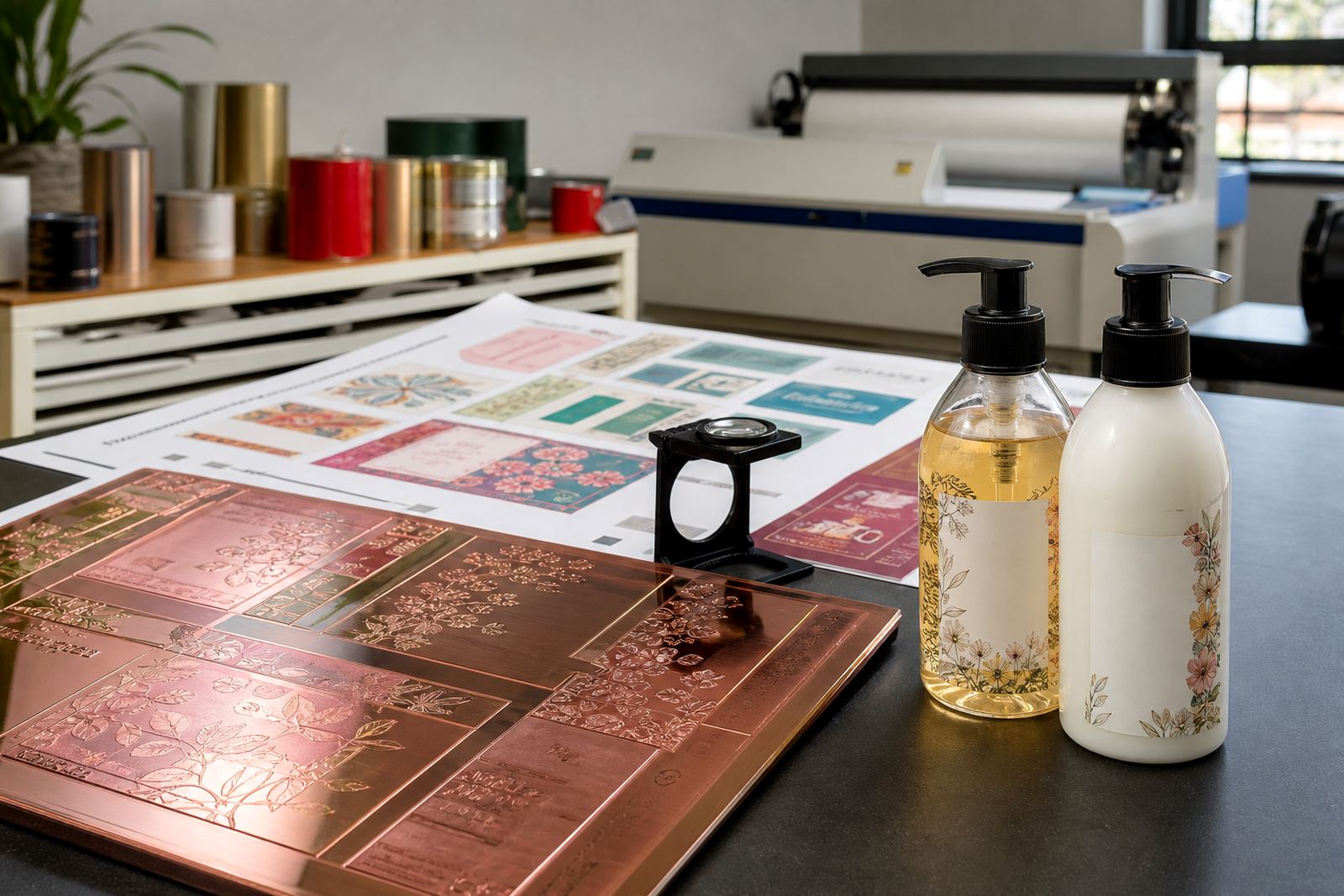
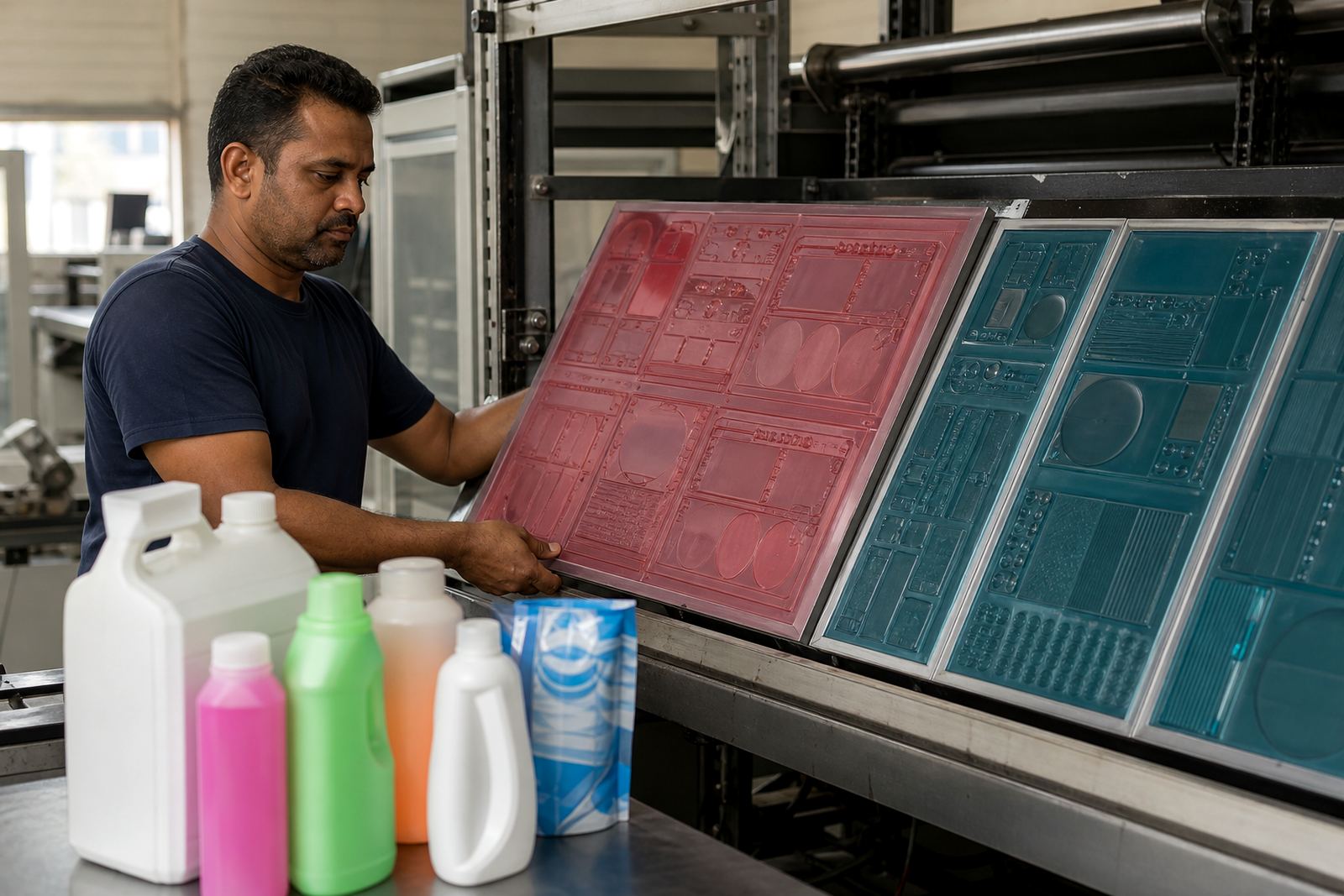
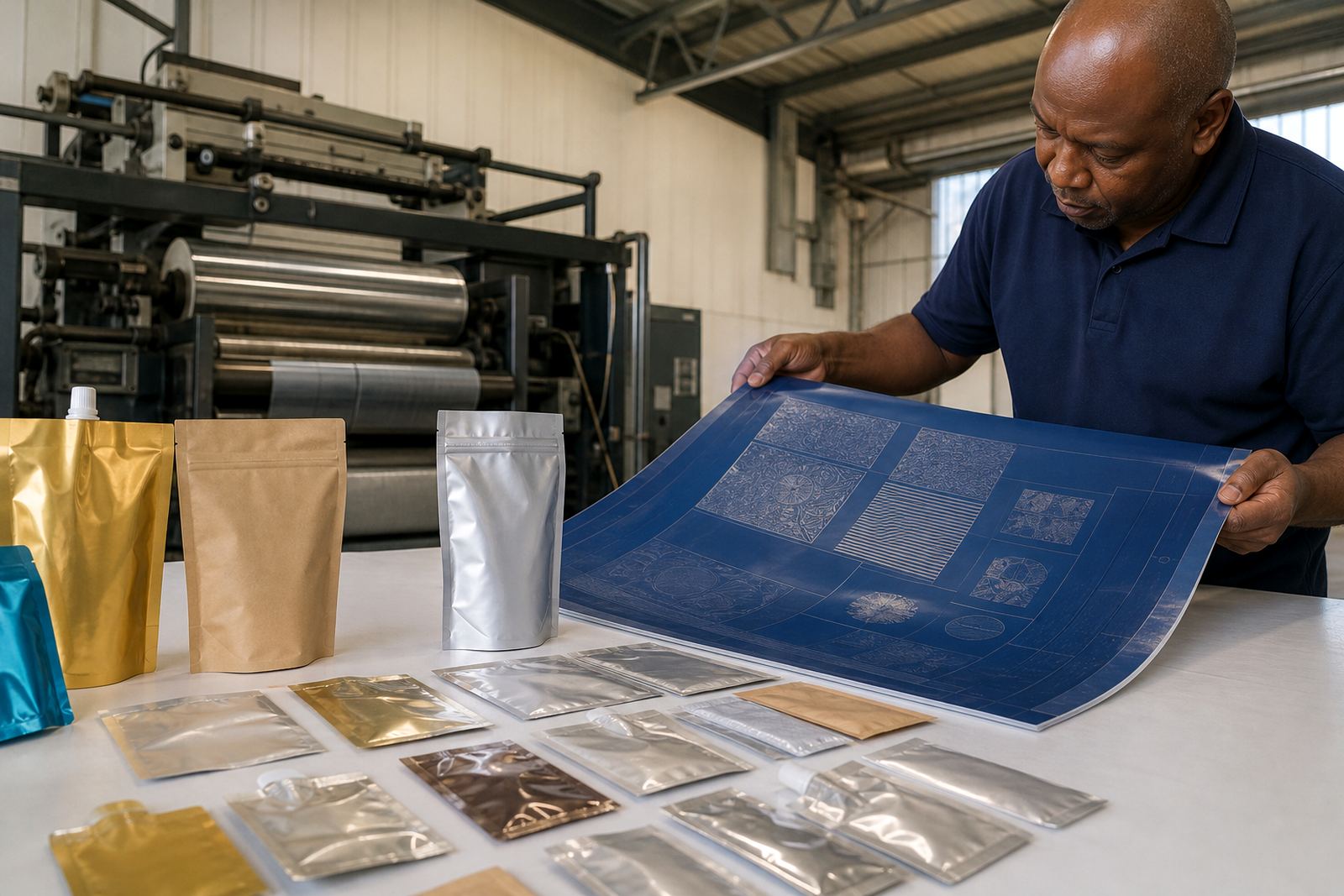
That is where proper plate-making matters. A well-made photopolymer plate helps hold fine text, sharp line work and clean solid areas, so the print stays readable on plain labels, shrink sleeves, film wraps and cartons. For frozen food work, the real challenge is not just colour, it is legibility at speed and consistency across long runs. We prepare plates for printers who need dependable detail on compact formats, where even a small swelling of dots or soft edge can affect the final pack.
Our base in Midrand supports label and packaging printers across Gauteng and beyond. Whether the job is for a single SKU or a range of mixed pack sizes, the aim is the same: plate work that helps the printed label stay neat, scannable and compliant.
Typical Press Set-Up Used For Frozen Pack Label Work
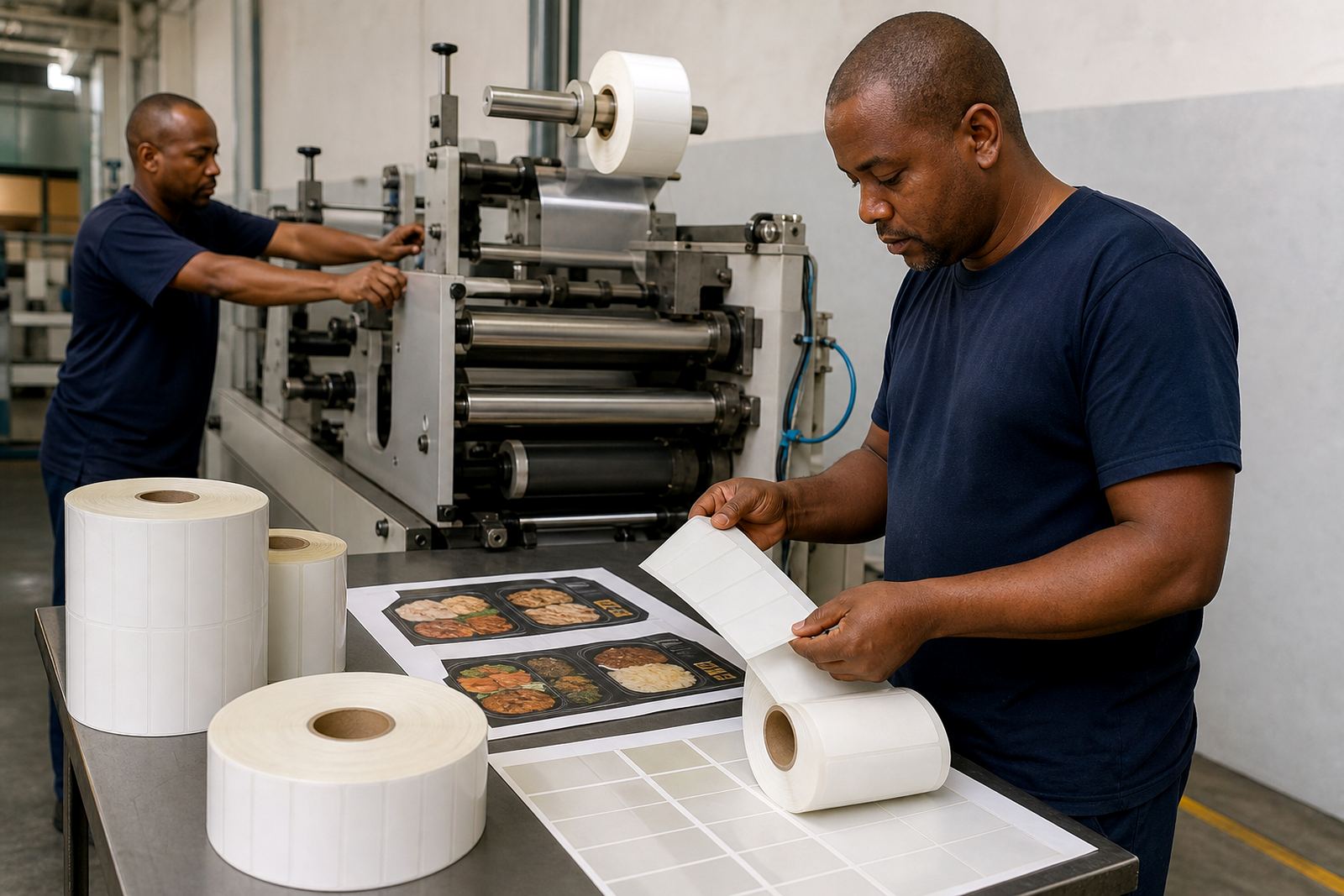
Frozen food labels are usually printed on narrow to medium web flexo equipment, often with multiple stations for colour, varnish and overprint details. Some jobs are simple one or two colour labels, while others need a full set-up with process colours, white, spot colours and a clear protective finish. In busy print rooms, the plate must suit the press, the substrate and the ink system, otherwise the job becomes difficult to control.
We work on plate preparation for a range of common production set-ups used by South African printers. That includes labels on paper or film stocks, packaging inserts, outer cartons and flexible packs. For freezer-safe applications, the printer may also need plates planned around heavier ink coverage and small reverses for dark backgrounds. Good prepress work reduces the risk of dirty print, weak type or registration drift during the run.
- Single or multi-colour label presses
- Short-run seasonal packs and repeat orders
- Fine text, barcodes and ingredient panels
- Solid colour blocks and background tints
- Protective varnish or coating stations
Planning The Layout Before Plates Are Made
Frozen food labels are usually judged in the shop and at the freezer door, not on a screen. That is why layout planning matters before plate-making starts. We look at how the information sits on the label, where the barcode lives, how much space the ingredients need and whether the type is still readable after the design is scaled down. On compact packs, a few millimetres can make a real difference.
Our team can assist with artwork preflight, file checking, imposition planning, screening support and proof comparison. That means we check the job for missing elements, wrong bleed, thin reverses, low-resolution images and awkward type sizes before the plate is produced. If the label has several variants, we also help keep the structure consistent so that one product line does not look different from the next.
For printers in Johannesburg, Pretoria or the East Rand, this planning step often saves time on press. It is easier to correct a file before plate output than to chase a repeat problem during production, especially when delivery schedules are tight and the cold chain is already booked.
Common Problems On Frozen Pack Labels
Frozen food labels are exposed to a few practical issues that printers know well. Moisture can sit on the pack, boards can pick up scuffing during handling and long storage can expose weak print contrast. If the plate is not prepared carefully, the result can be soft edges, uneven solids or detail loss in small text.
We often see problems caused by artwork that is too busy for the label size, barcode placement that interferes with graphics, or type that becomes too small once the pack format is finalised. Another common issue is expecting one plate setup to suit every substrate. A paper label and a film label may behave very differently on press, so the plate and screen choices need to match the material and the finish.
- Fine ingredient text that prints too small to read
- Barcodes placed too close to solids or reverses
- Weak contrast on dark backgrounds
- Artwork changes made after approval
- Plate damage from poor handling or storage
We also provide plate trimming, plate labelling, remake support, dispatch packing and collection coordination. Those practical steps matter because plates for freezer label work often move quickly between production, dispatch and press, and any mix-up can slow the whole job down.
Budget Ranges For Frozen Food Label Plates
Costs depend on label size, number of colours, how many plates are needed, file readiness and whether the job includes remake work or extra technical checking. A simple one-colour plate set for a small label will sit at a different level from a multi-colour pack with fine type, white underprint and several repeats. The more detailed the layout, the more care is needed in prepress and plate handling.
As a working guide, many frozen food label jobs fall into the following broad ranges:
- Small single-colour plate work: from about R450 to R900 per plate
- Standard multi-colour label plates: from about R900 to R1 800 per plate
- More detailed packaging or repeat variant work: from about R1 800 to R3 500 and up, depending on setup
If a file needs extra preflight correction, remake support or layout adjustment, that can add to the total. For printers in Gauteng, it is often worth getting the artwork checked before plate approval so you do not pay twice for the same mistake. Coastal deliveries to Durban, Cape Town or Gqeberha may also need extra packing attention so the plates arrive in good shape.
How We Support Printers Across South Africa
Flexo Printer Plates is based in Midrand, Gauteng and serves label and packaging printers across South Africa through courier delivery and collection coordination. We support jobs for Johannesburg, Pretoria, Durban, Cape Town, Gqeberha, East Rand and West Rand areas, with practical handling from file review through to packing and dispatch. Frozen food work often needs steady communication, because pack changes, line changes and revised ingredient text can all happen close to print time.
Clients reach us through the enquiry form on our contact page, and our team can help with technical job advice, screening support, proof comparison and remake planning when needed. The team includes Sibusiso Mthembu, Ayesha Naidoo, Pieter van Wyk, Lerato Molefe, Morne Jacobs and Zinhle Dlamini, so there is always someone looking after the job from the prepress side through to logistics. If your frozen food range has multiple pack sizes or seasonal labels, we can help keep the plate set organised and ready for the press room.
For this kind of work, the goal is simple: clean plates, clear text and reliable handling for a label that still looks right when it comes out of the freezer. That is the sort of detail frozen food printers need every day.