

How to use these plate guides
If you are comparing suppliers, checking artwork, or planning a repeat job, start here. The guides bring together the parts that usually slow a job down, from file checks and imposition planning to plate trimming and labelling. That makes it easier to decide what to send, what to confirm and where a small change could save time at press.
The aim is to help buyers and production teams ask better questions before plates are made. That matters whether you are running short label work in Midrand or handling larger packagin runs for delivery into Johannesburg, Pretoria, Durban, Cape Town or Gqeberha.
Choosing the right plate for the job
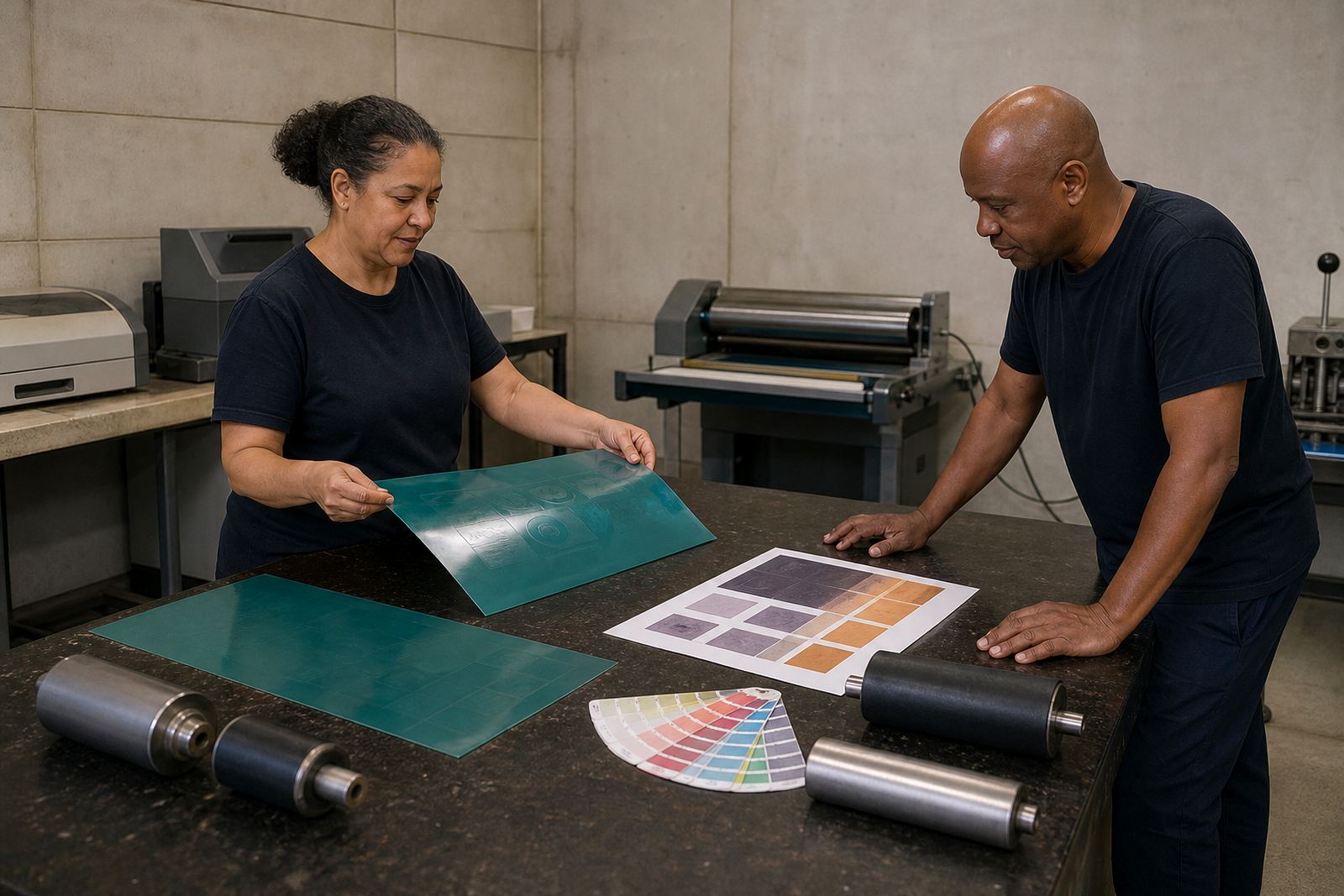
Flexo photopolymer plates are not chosen on looks alone. The substrate, ink system, press condition and image detail all affect what works best. A plate for fine type on labels may need different handling from one used on heavier packaging work. If the job is sensitive to dot gain or small reverses, the starting point should be artwork quality and press conditions, not just plate thickness.
- Check the substrate, including film, paper, board or wrap materials.
- Confirm the press width and repeat size before file setup.
- Share any screening requirements and fine text concerns early.
- Ask whether a remake should follow the same specs or a revised setup.
What happens before a plate is made
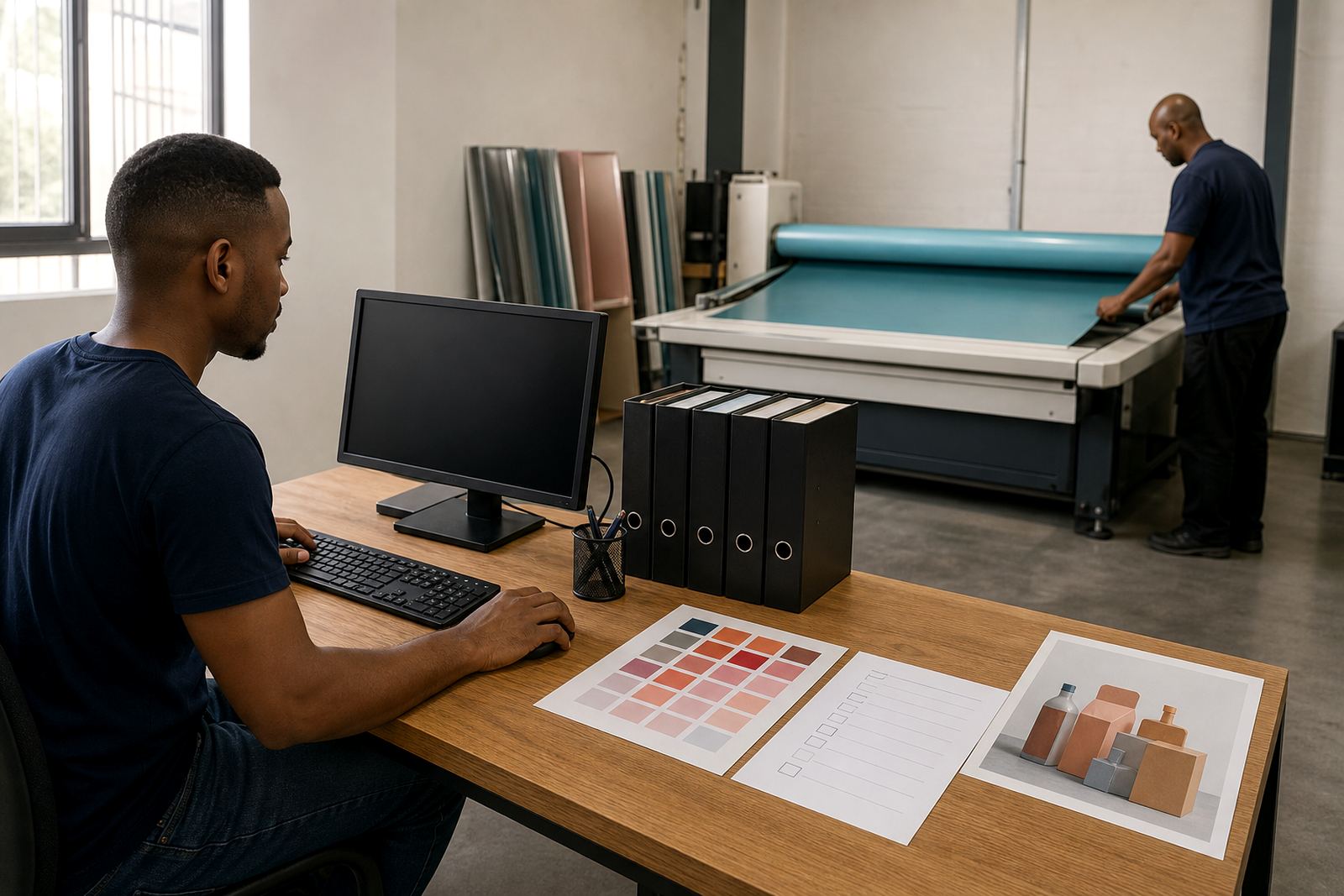
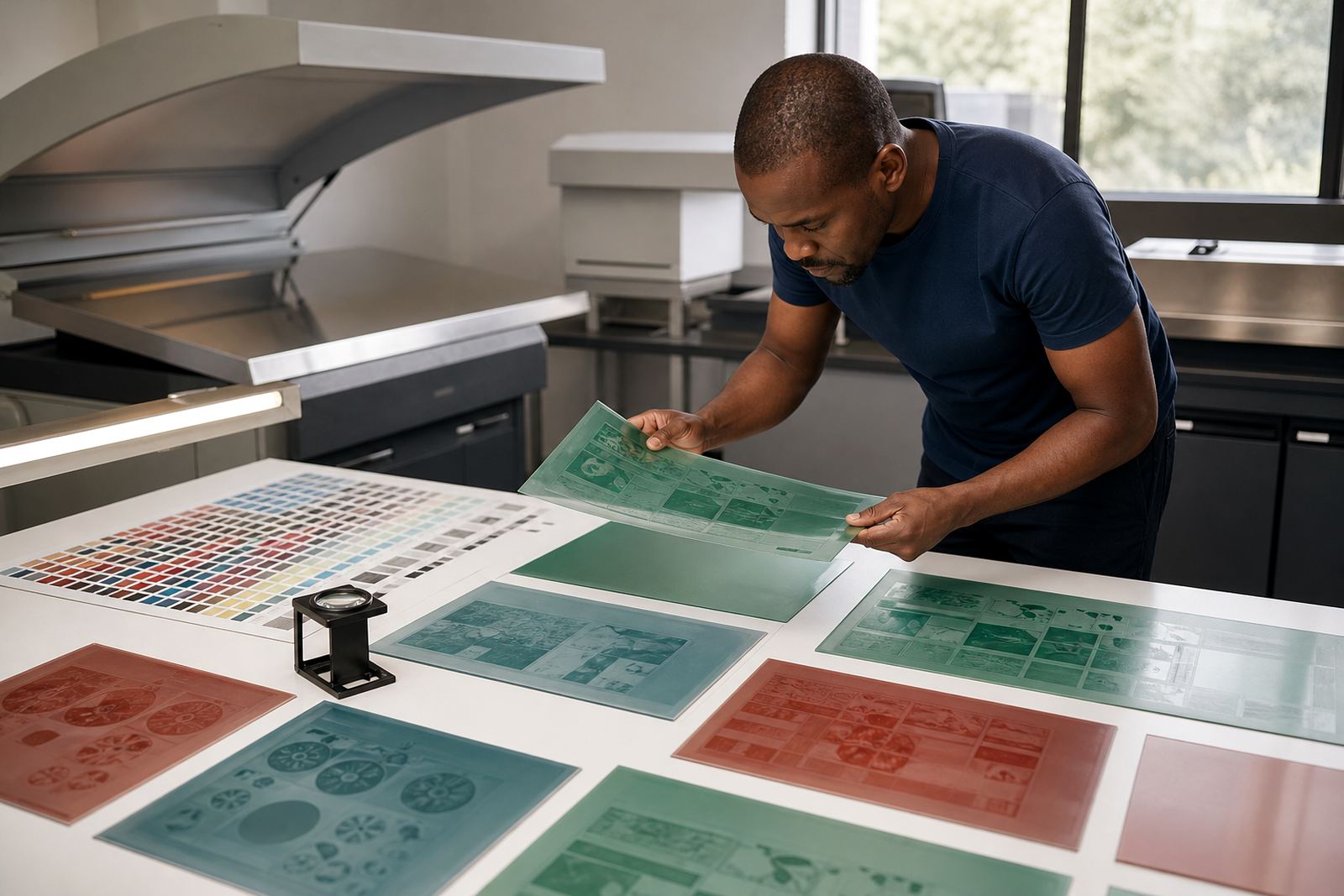
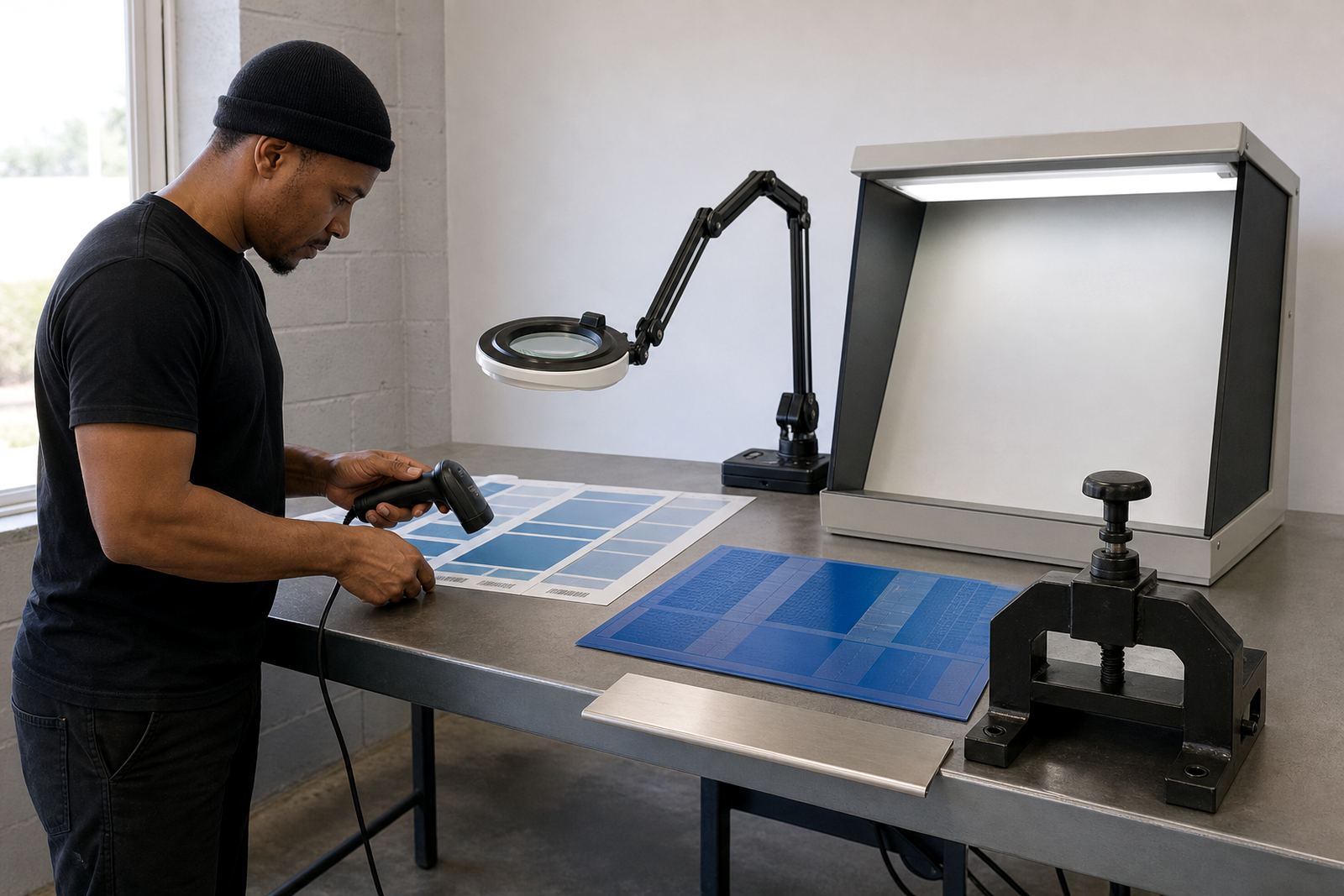
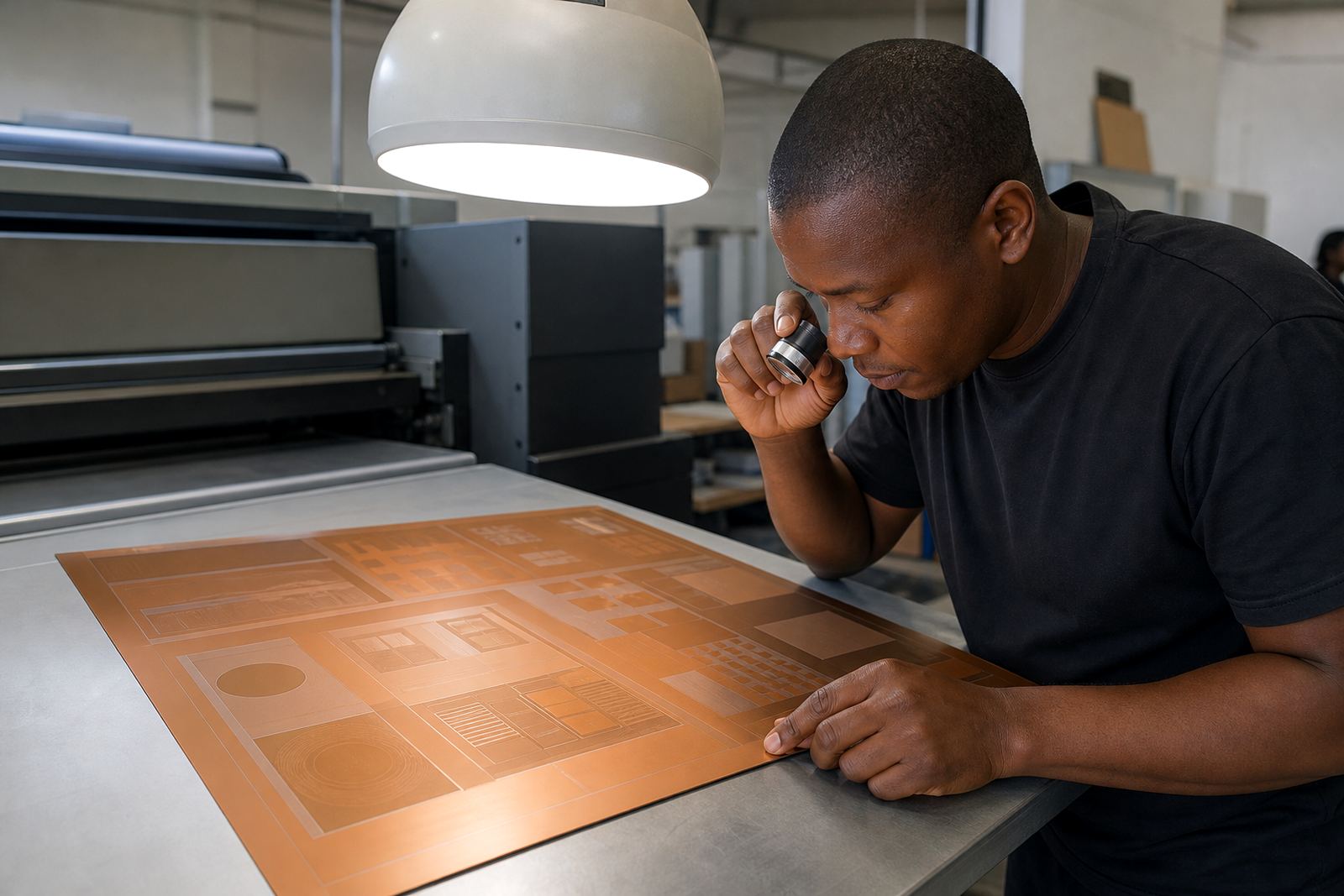
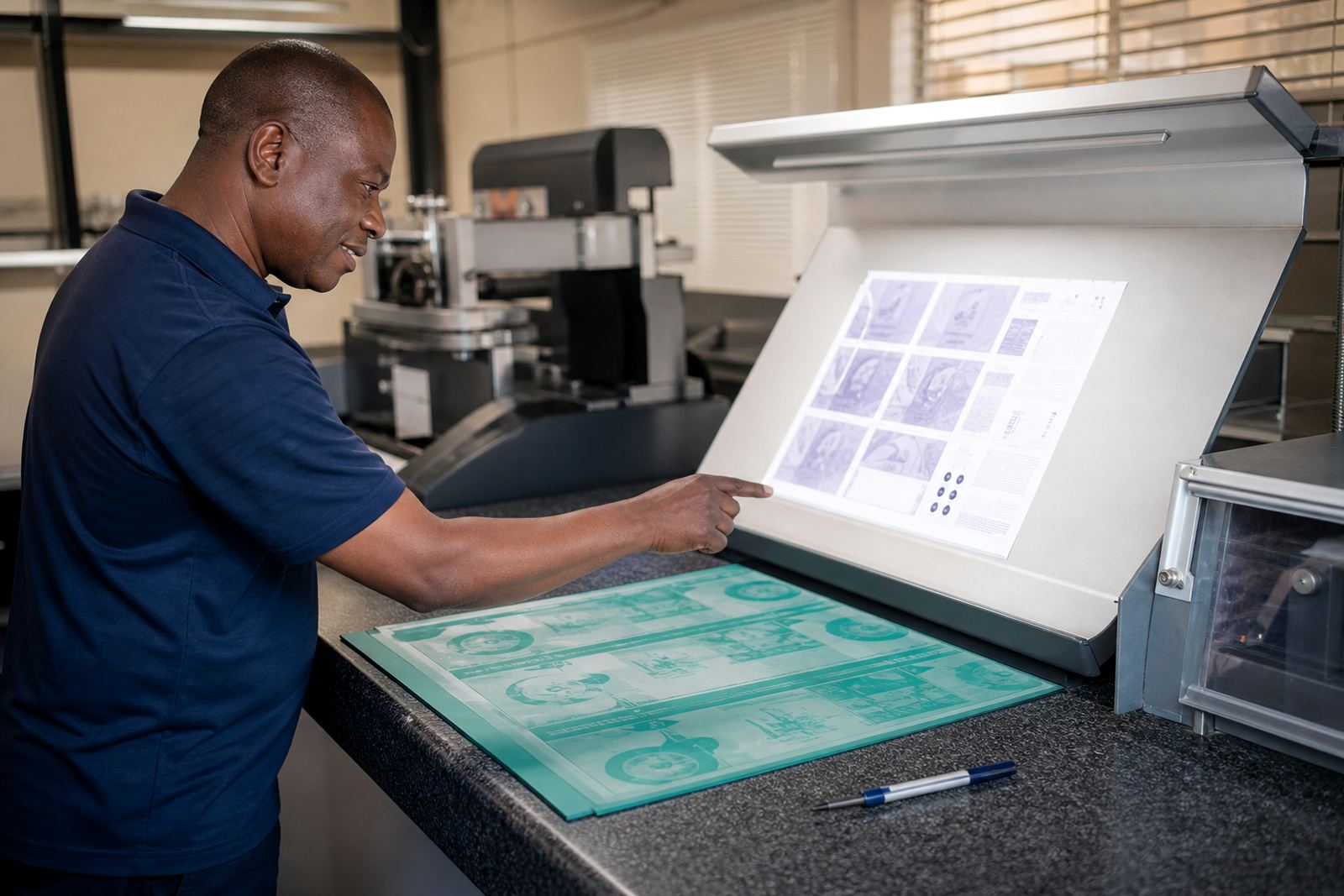
Good prepress starts long before the plate room. Artwork preflight, file checking and proof comparison help spot missing fonts, low-resolution images, trapped colours and poor line weights. It also helps with practical issues like image orientation, barcode clarity and whether the layout matches the cylinder or sleeve setup. Small errors caught here can prevent wasted material and delay.
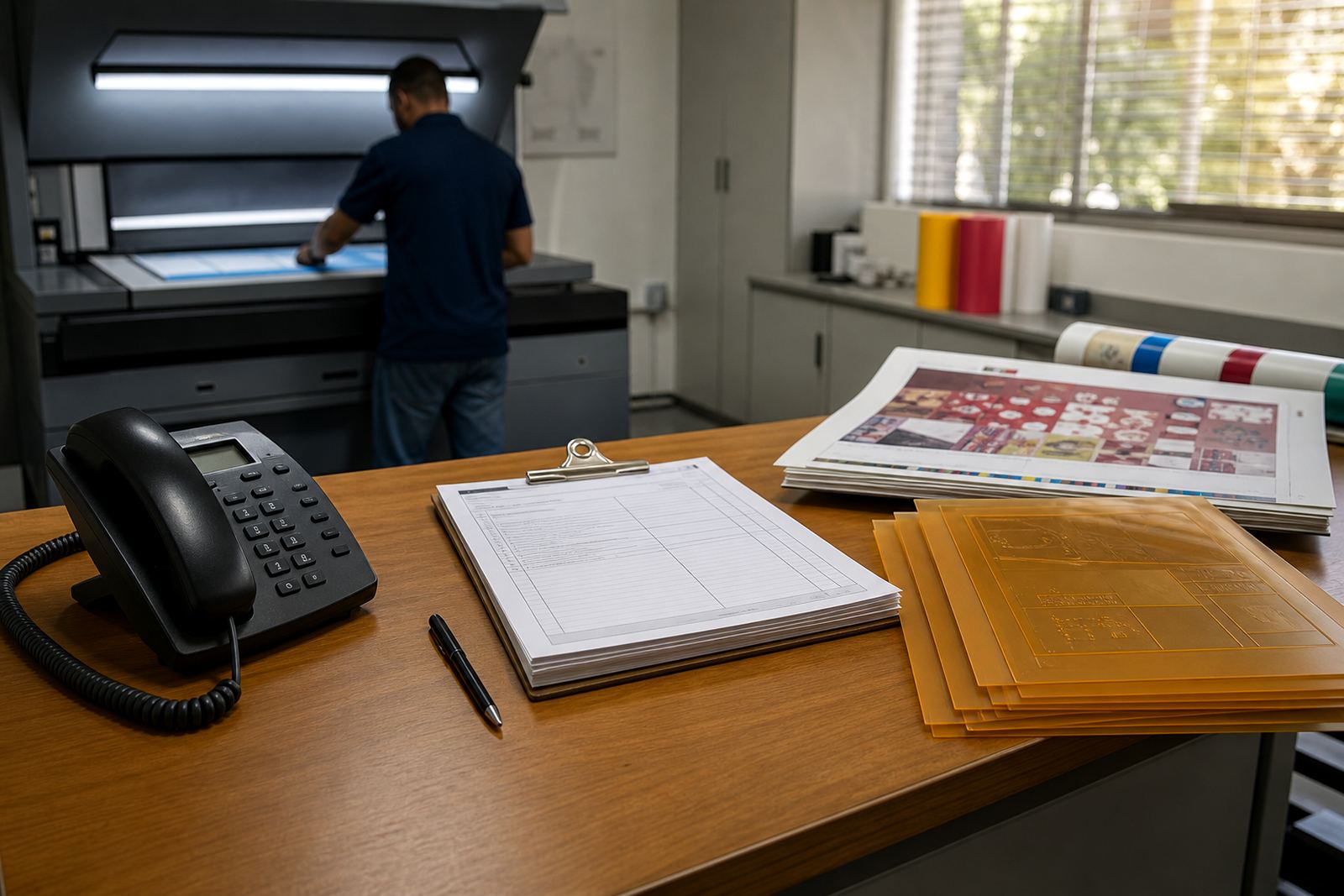
Our team in Midrand works through the job details with the production side in mind. That means the files are checked for printability, the imposition is planned to suit the run, and the job notes stay with the plates through to dispatch. It is simple process work, but it keeps things moving when schedules are tight and load-shedding has already shifted the day once or twice.
Handling, mounting and remake considerations
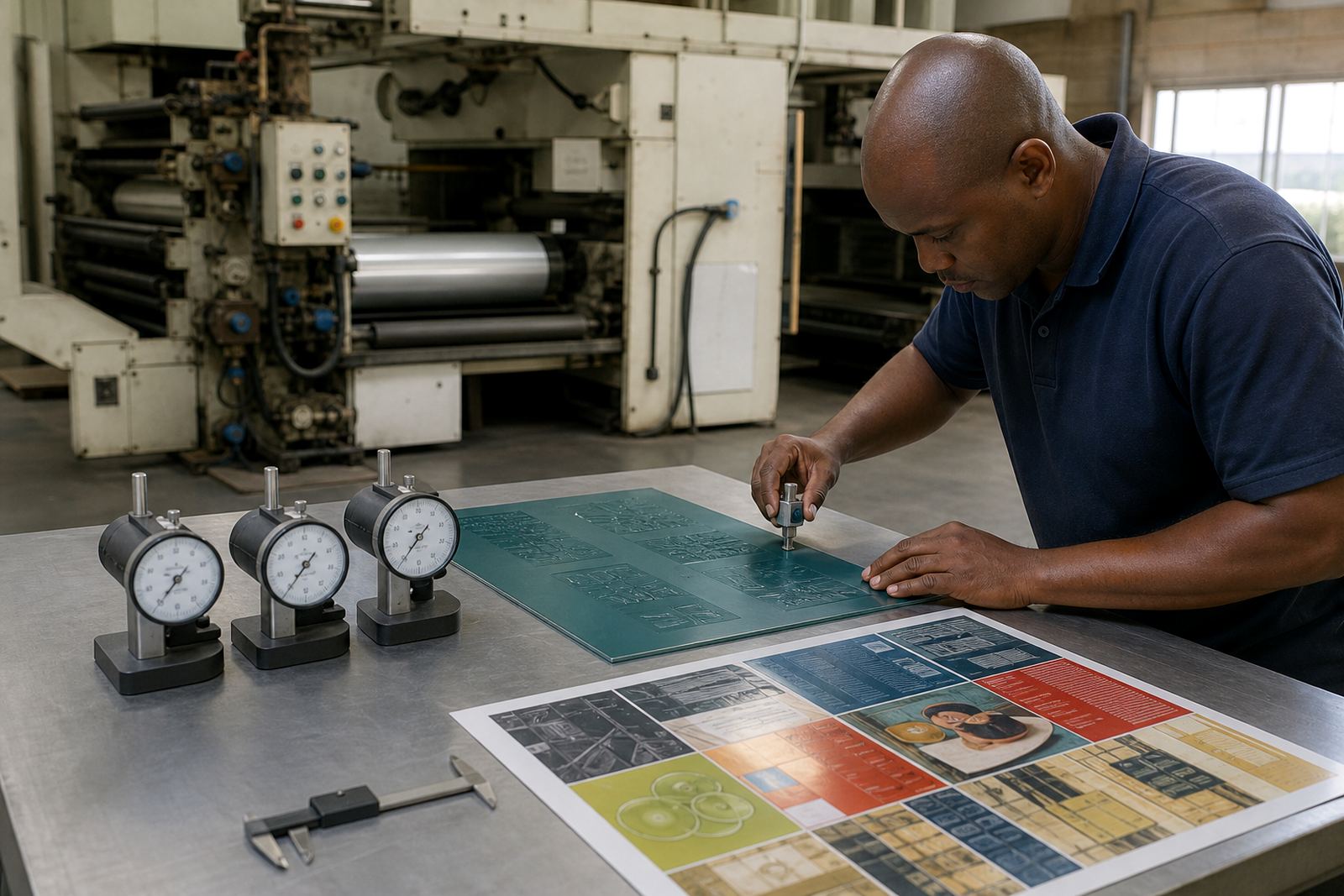
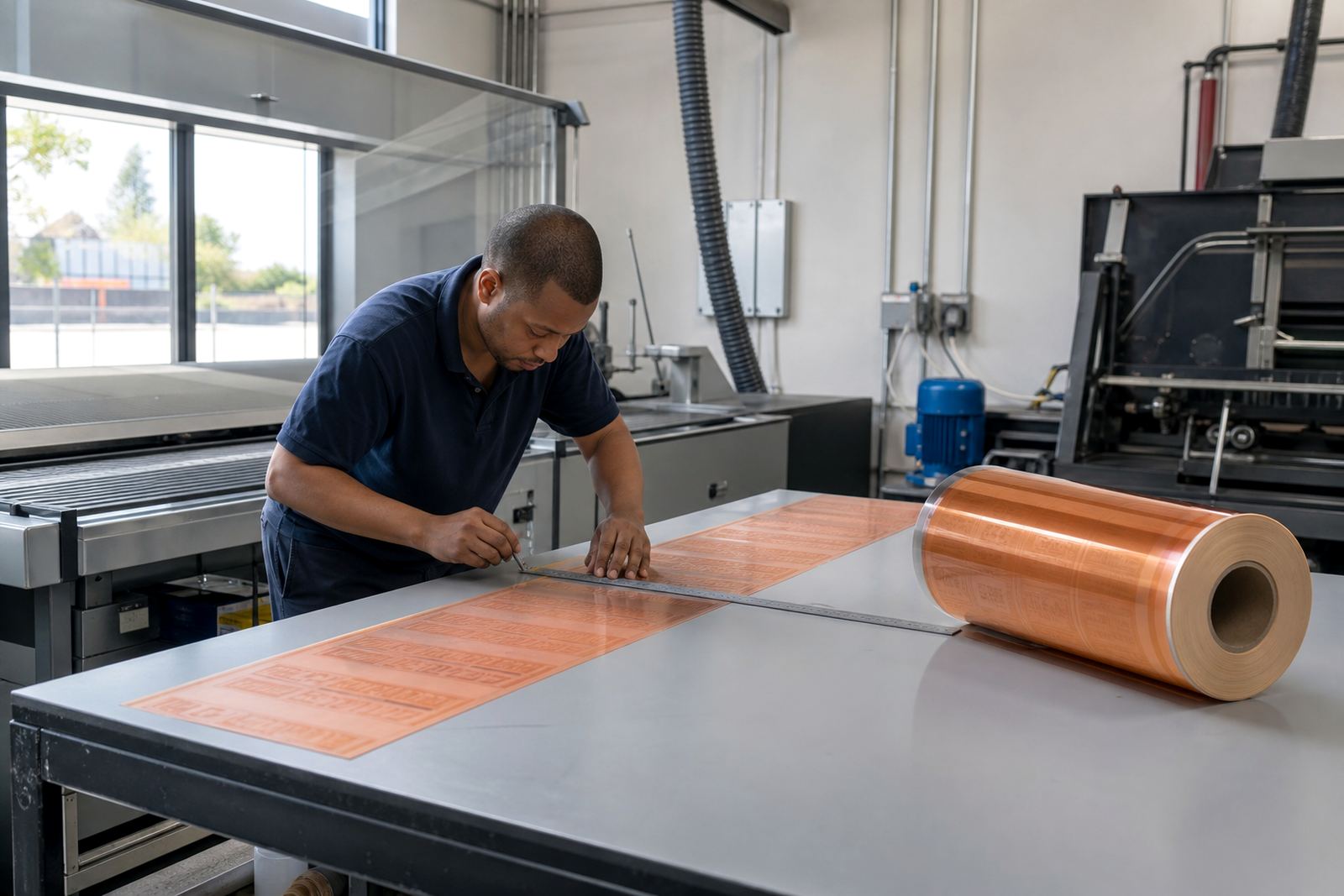
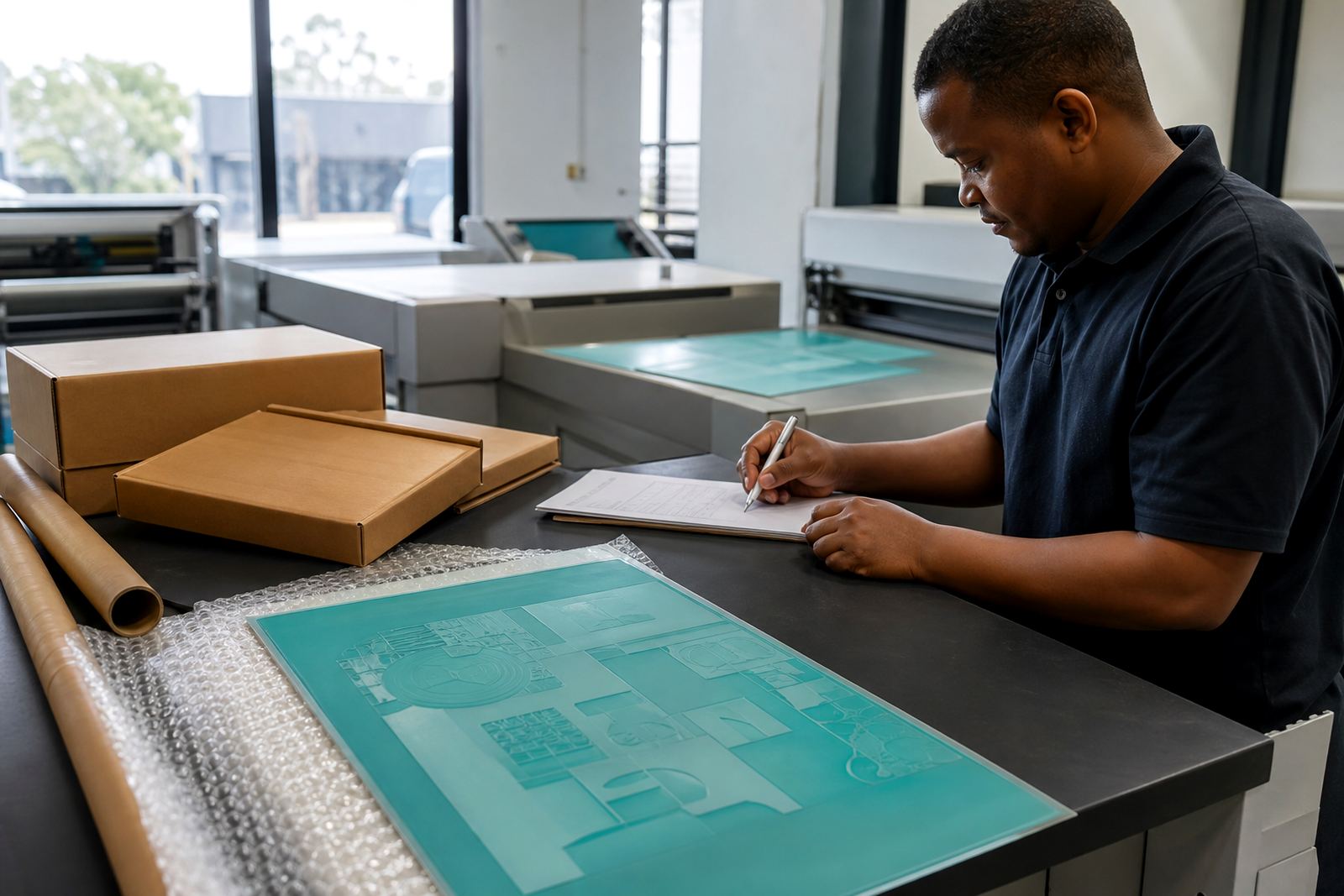
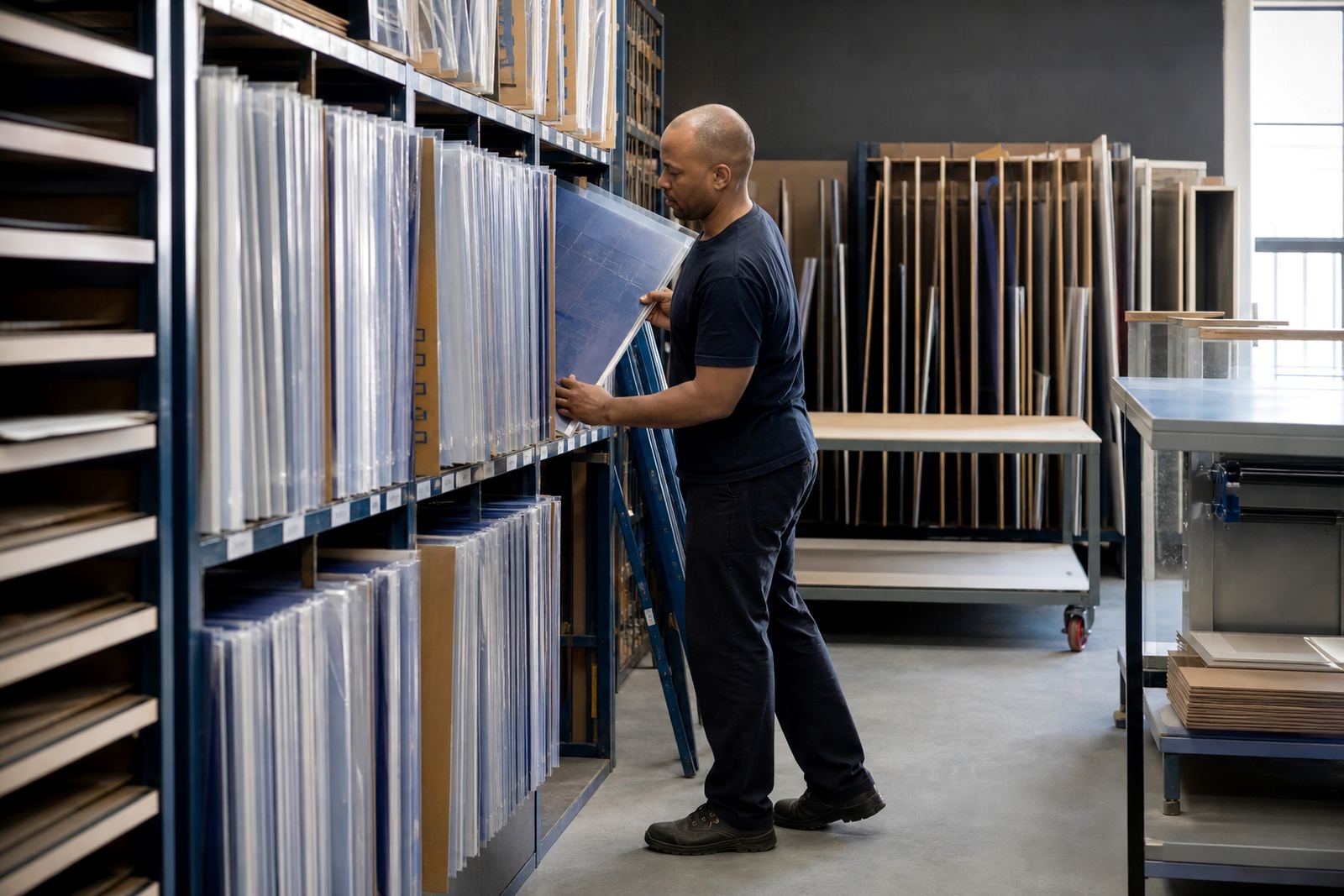
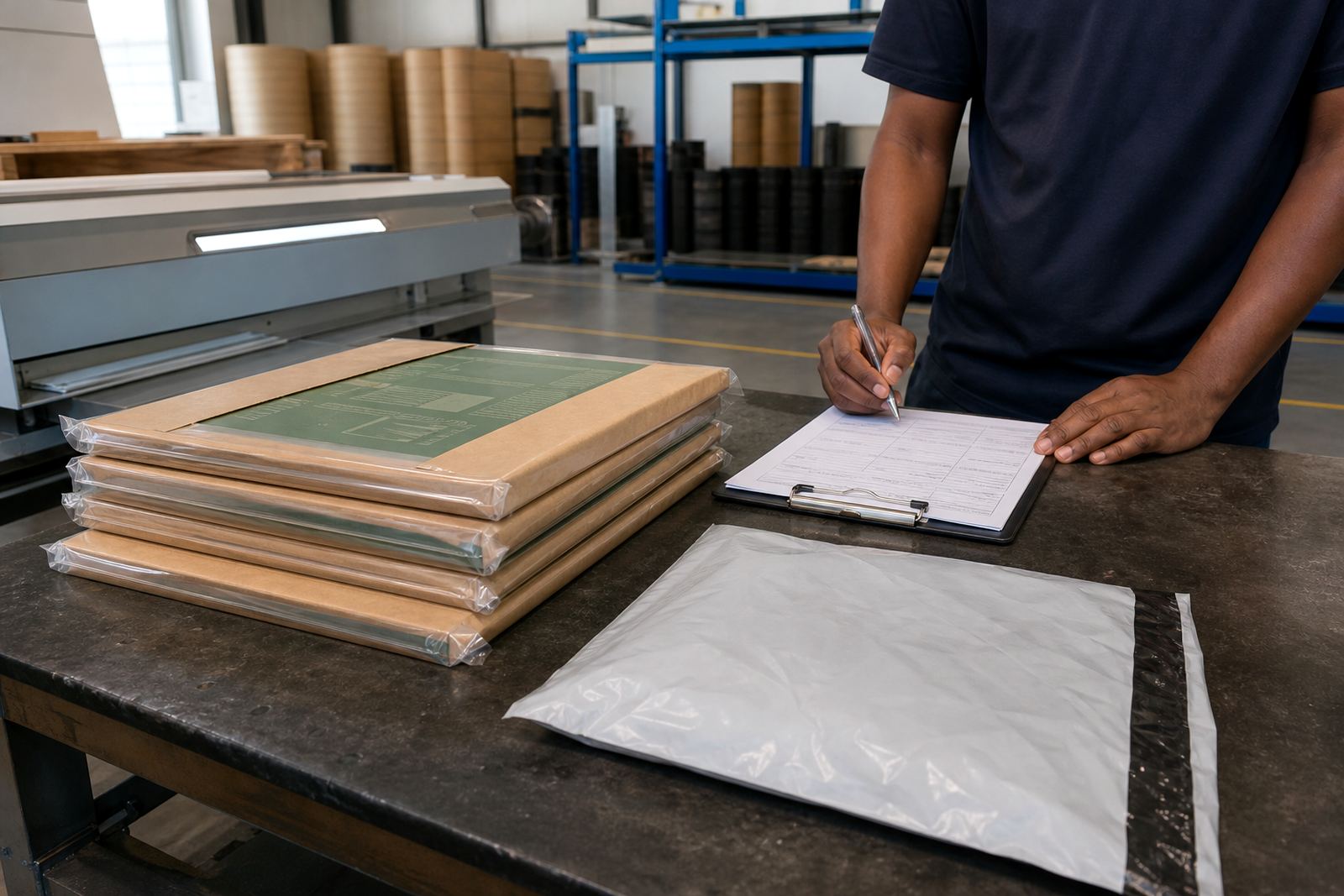
Once the plate is made, handling matters just as much as making. Plate trimming, plate labelling and careful packing all help protect the surface and reduce mix-ups on press. Mounting should be consistent and clean, especially on work with fine register or repeated repeat lengths. In coastal areas where humidity is higher, storage and packing become even more important.
- Keep plates flat, clean and away from direct heat.
- Label each set clearly for press, station and repeat.
- Store away from dust, solvent splash and sunlight.
- For remakes, confirm what changed so the replacement matches the current job.
Our remake support is there for jobs that need a corrected plate or an updated file stage. It is better to sort out the cause once than keep reworking the same issue.
What South African printers usually need to know
Local printers often want straightforward answers on collection, dispatch and whether the job can be handled without unnecessary back-and-forth. For Gauteng printers, collection coordination can keep work moving between Midrand, the East Rand and the West Rand. For teams further afield, courier delivery is part of the normal workflow, with packing done to suit the route and the way the plates will be handled on arrival.
Some jobs need a bit more technical advice than others. That can include screening support, proof comparison, or a check on whether the artwork will reproduce cleanly on a narrow label or wider packaging format. The best outcome usually comes from clear specifications at the start, not a rushed correction at the end.
Topics covered in the guide library
The guides are arranged so you can move from planning to production without losing the thread. Some pages focus on file prep, while others deal with the physical side of plate making and dispatch. If you are quoting a job or checking supplier information, this is the place to start before you move to the service pages.
- Artwork preflight and file checking
- Imposition planning and repeat setup
- Screening support and proof comparison
- Plate trimming, labelling and dispatch packing
- Collection coordination and courier delivery across South Africa
Who this information is for
These guides are useful for estimators who need to price a job properly, buyers who want fewer surprises, and production teams who want smoother handover between artwork and press. They are also helpful for printers handling repeat jobs, urgent remakes or mixed label and packaging work where one small change can affect the whole run.
If you need a more practical answer on a specific job, the enquiry form on our contact page is the best place to start. From there, our Midrand team can review the details and point you toward the right next step, whether it is plate making, technical job advice or a check on the file before production starts.