Start with the print job details
When you place an order for packaging plates, begin with the basics. Tell us what is being printed, whether it is labels, cartons, sleeves or other packaging, and whether the job will run on paper, film, board or another substrate. Flexo plate-making works best when the plate details match the press set-up and the final application.
For printers in Midrand, Johannesburg, Pretoria and across Gauteng, it also helps to note the press width, repeat length, ink system and the number of colours in the job. If the artwork will run on a narrow web line or a wider converting press, that changes the way the plates are prepared and trimmed.
- Job name and customer reference
- Substrate type and sheet or roll width
- Number of colours, including any spot colours
- Finished size and repeat length
- Press type and web width
- Any special varnish, white or metallic areas
Send clean artwork and the right files
Artwork quality has a direct effect on the plates. Send final files in the format requested by your plate provider, with fonts embedded or outlined and linked images supplied in full resolution. If there are multiple versions, clearly mark the approved file so there is no confusion during preflight. A small mismatch in artwork version can lead to costly rework later.
We recommend that packaging printers include all key visual elements in one pack, especially if the job has multiple SKUs. That means the main layout, colour breakdowns, dielines where needed and any notes for reversed type or fine rules. If you are sending work from Cape Town, Durban or Gqeberha, check file size and transfer settings before dispatch so the job arrives complete.
- Final artwork file and version date
- Linked images and logos in high resolution
- Outlined or embedded fonts
- Dieline, crease or cutter information if relevant
- Notes for overprints, knockouts and reversed text
- Multiple SKU names if the layout changes across packs
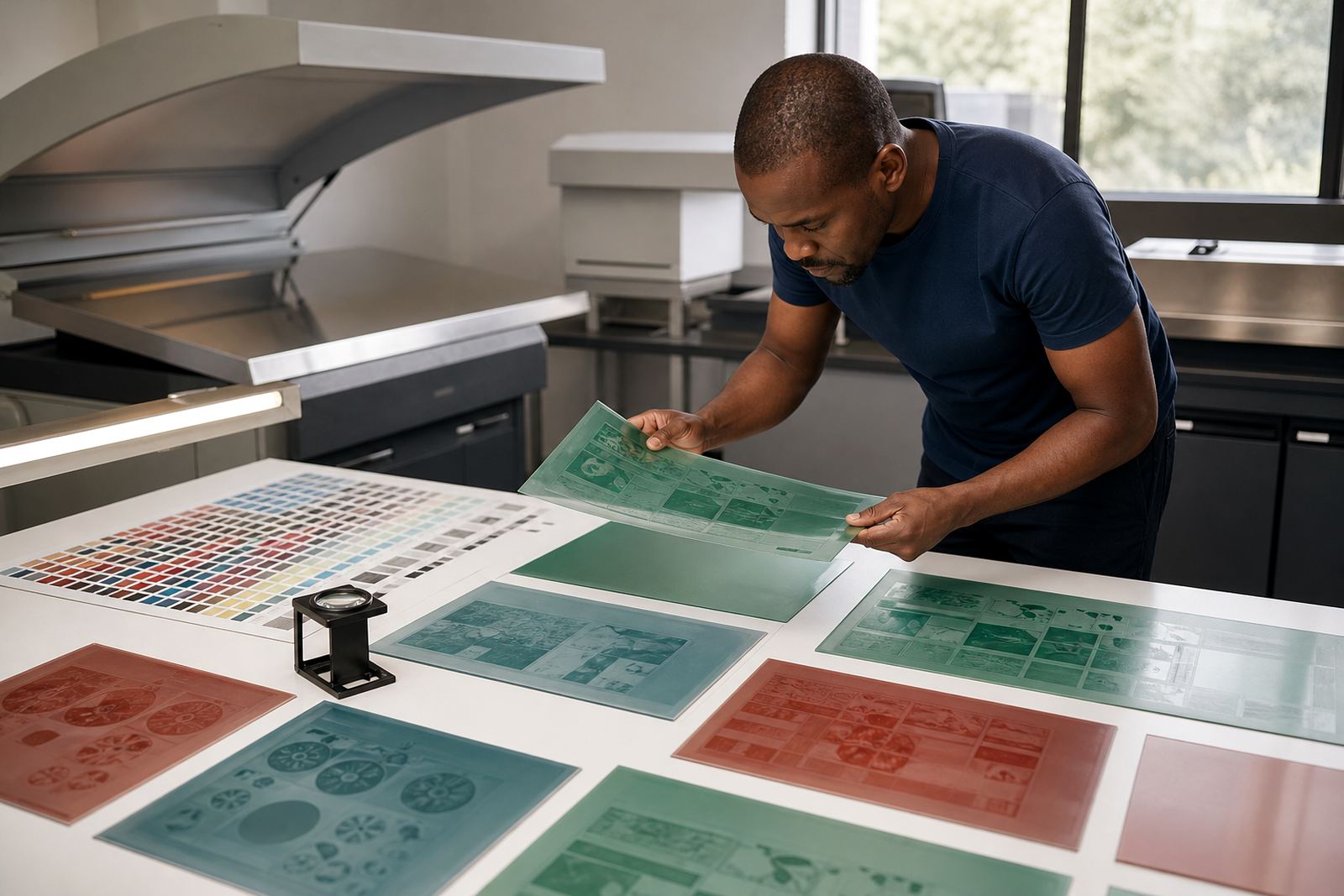
Confirm artwork scale, trapping and screening
Before plate production, the file should be checked for scale, trapping, line weight and image detail. Flexo printing often needs practical adjustments for small text, fine lines and solids so the image holds up on press. If you have a house style for barcodes, health copy or ingredient panels, include that too. It is better to flag a problem before the plate is made than to find it on press.
Screening support and proof comparison are especially useful on packaging jobs with gradients, skin tones, soft tints or dark solids. Coastal humidity in places like Durban and Gqeberha can also affect how material behaves on press, so a little extra care around tone reproduction can pay off. If the job has a critical brand colour, please share a visual reference or approved proof, even if it is not a full colour-managed file.
- Minimum text sizes and line weights noted
- Trapping requirements confirmed
- Solid areas, tints and gradients reviewed
- Barcode quality and scan direction checked
- Approved proof or reference supplied
Share press and mounting information
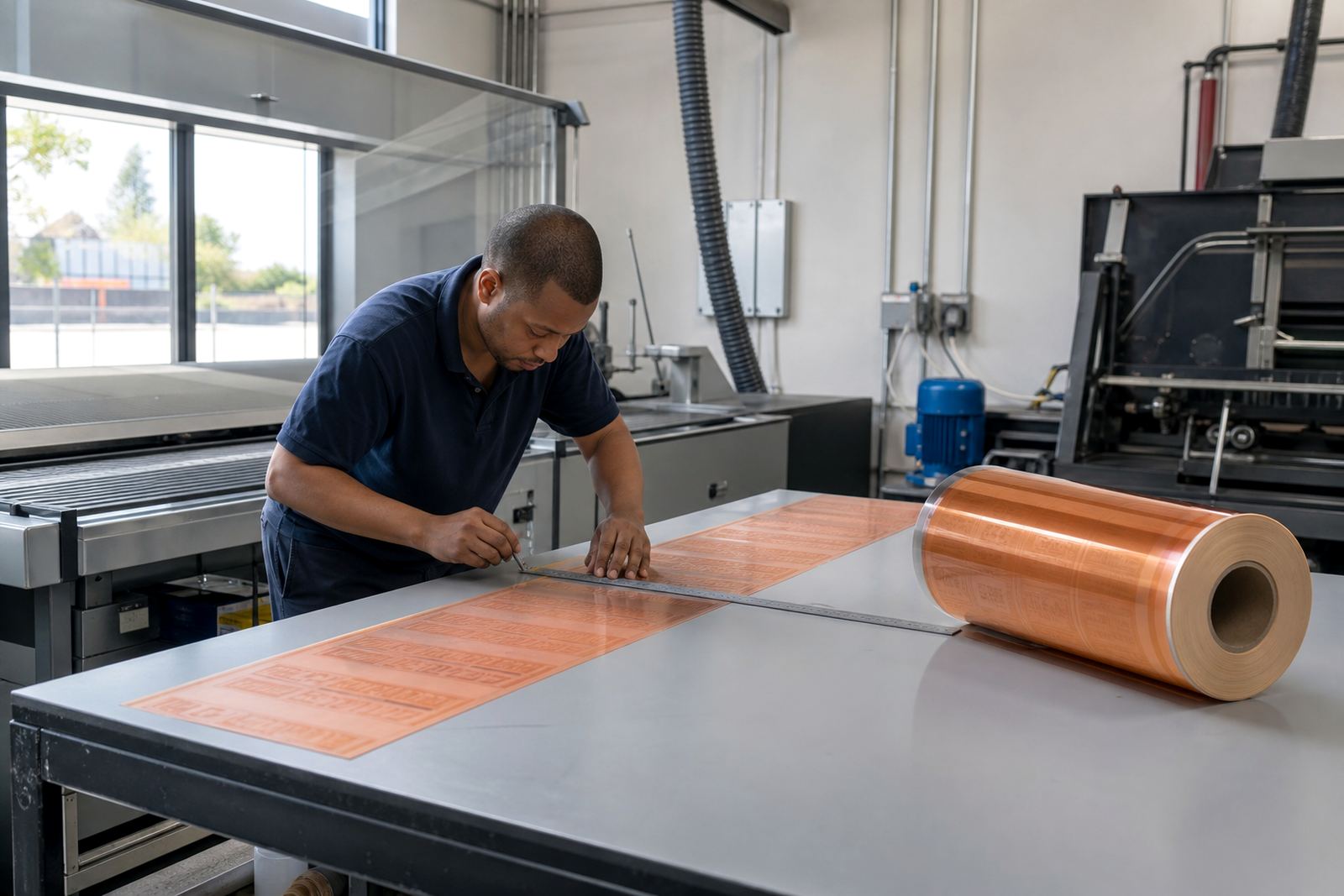
Plate-making is not only about artwork. The way the plates mount on press matters just as much. Let us know the cylinder or sleeve size, mounting tape preference if known, and whether the job needs repeat consistency across several print units. If you have an established way of mounting, tell us upfront so the plate trimming and labelling can suit your workflow.
For printers handling regular packaging work from the East Rand, West Rand or Midrand base, good mounting notes make collection and dispatch simpler too. If the plates need to be grouped by press station, lane or SKU, say so clearly. That avoids confusion at installation and makes make-ready faster when the press is under time pressure.
- Cylinder or sleeve dimensions
- Mounting method or preferred tape notes
- Press unit order or colour sequence
- Need for grouped plates by SKU or lane
- Any repeat or registration concerns
Prepare a practical checklist before ordering
A short checklist saves a lot of calls and messages. Before you request plate production, confirm that everyone involved has the same information. The prepress team, client services contact and production staff should all be working from one clear instruction set. That is where technical job advice is useful, especially on jobs with fine details or unusual packaging shapes.
It also helps to decide who will sign off the artwork and who will receive the finished plates. For businesses that collect from Midrand or arrange courier delivery to Johannesburg, Pretoria, Durban, Cape Town or Gqeberha, this avoids delays at handover. If the job needs remake support later, keeping the original spec on file makes the process much easier.
- Approved artwork file identified
- Sign-off person named
- Delivery or collection method chosen
- Packaging and labelling instructions confirmed
- Special finishing notes recorded
- Backup contact for urgent queries
What happens after you submit the order
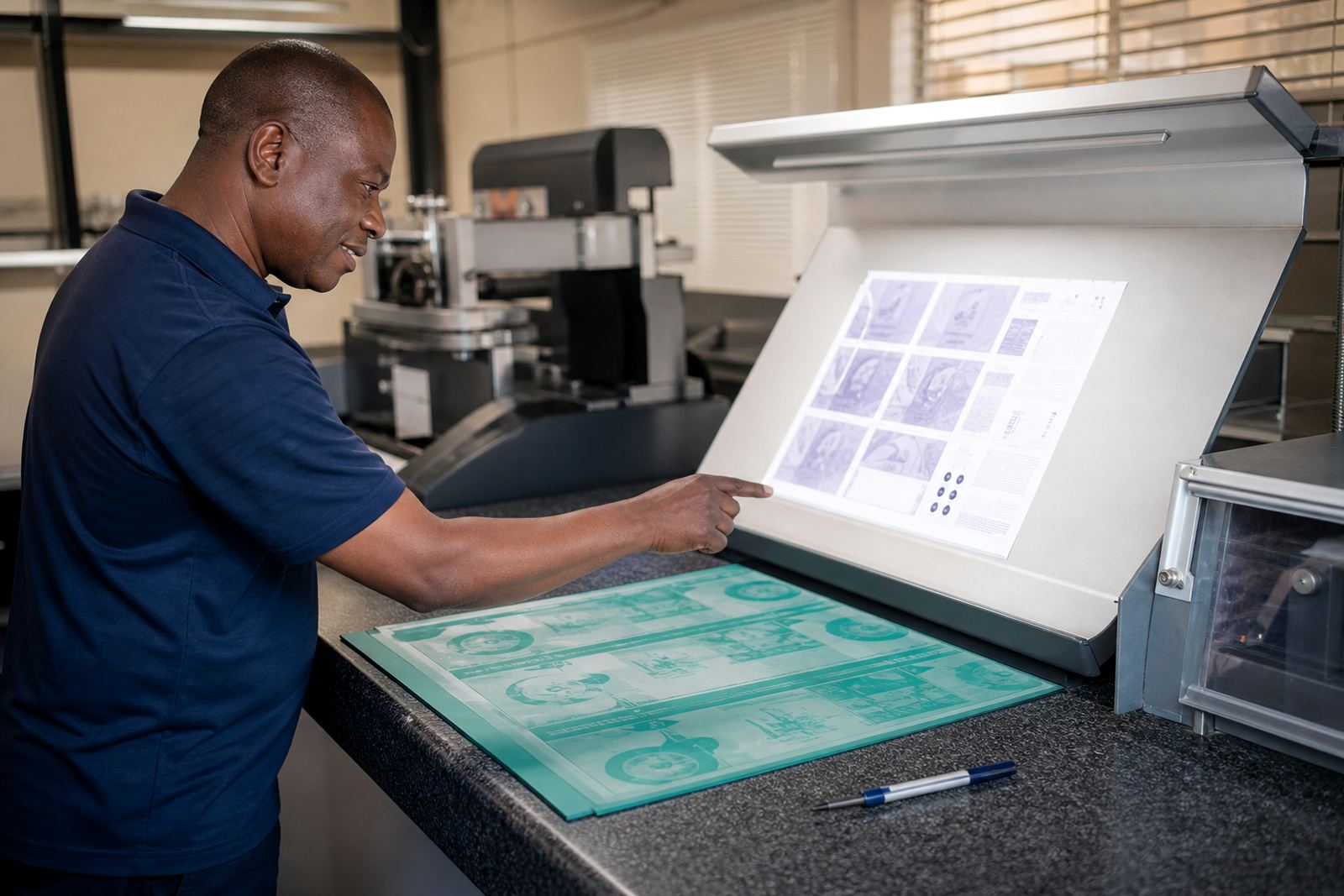
Once the order comes in, we review the files, check the job details and flag anything that needs clarification. If the artwork needs adjustment, we will raise it before plate-making starts. That may include file checking, imposition planning, proof comparison or simple technical questions about the job setup. Clear answers at this stage help keep the plates aligned with the print run.
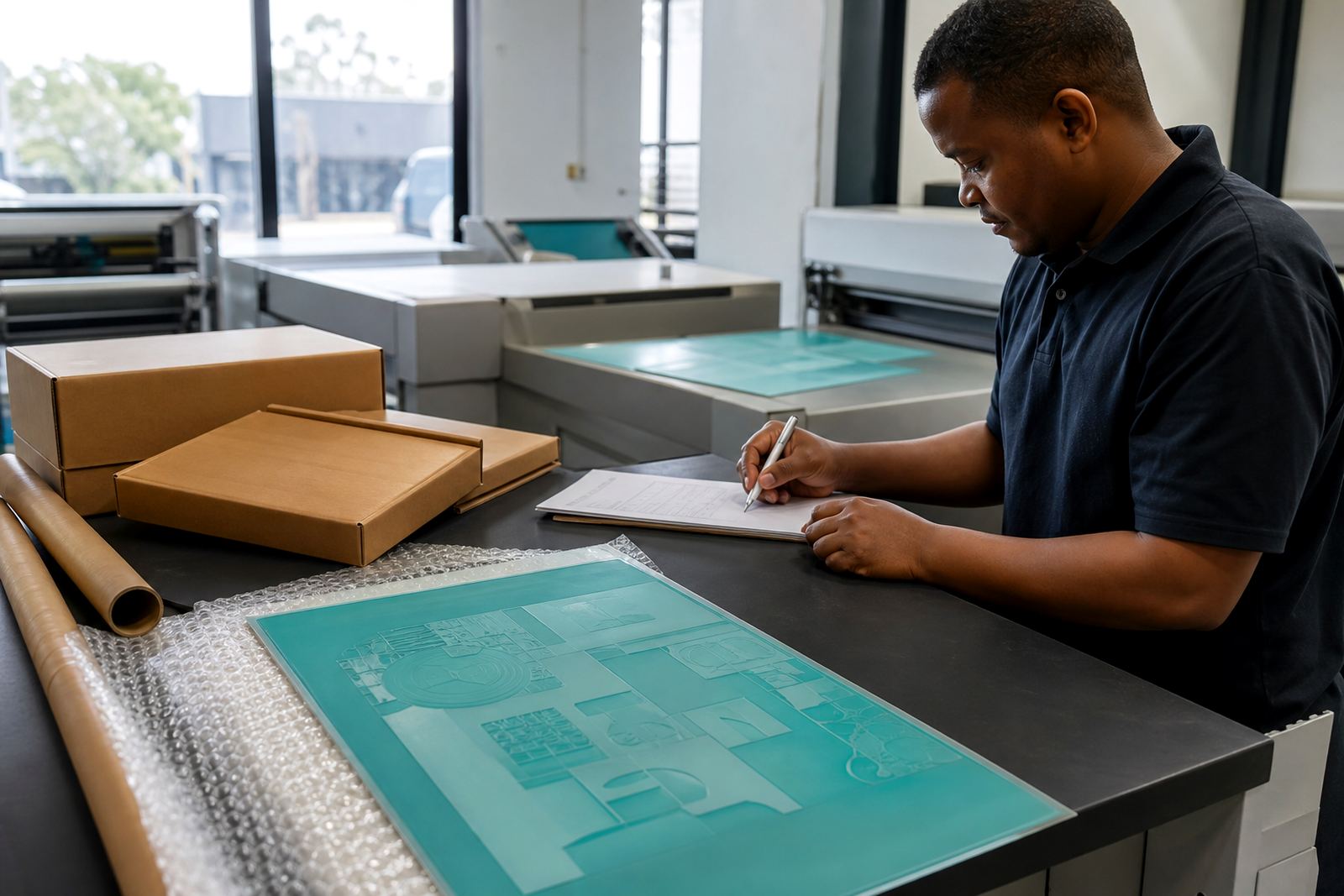
After approval, the plates are made, trimmed, labelled and packed for dispatch or collection. For packaging printers working under load-shedding or tight delivery schedules, packaging and courier coordination matter. Plates should arrive in a way that is easy to identify and ready for the press room, not loose or mixed up. Sibusiso Mthembu and the team in Midrand handle each stage with care, from prepress through to logistics.
- Artwork review and clarification
- Plate production and trimming
- Labelling by job, colour or station
- Dispatch packing for courier or collection
- Collection coordination where required