
Start With the Job Before You Choose the Plate
Before looking at plate thickness or screening, define what the job needs to do on press. A short-run label on coated material has different needs to a heavier packaging job on board or film. Think about line count, solid areas, reverses, fine text and how much ink control the job needs. If the job is for a retailer label, courier label or food pack, check whether the artwork has small type, barcodes or fine knockout details that need extra care.
It also helps to note the press setup. Different print widths, cylinder sizes and mounting methods can change how a plate performs. For printers in Midrand, Johannesburg, Pretoria and the wider Gauteng area, we often find that the same artwork behaves differently once it moves from proof stage to the press room. That is why plate choice should be tied to the actual machine and material, not only the artwork file.
- Confirm the substrate, such as paper, film or board.
- Note the print run length and how often the job repeats.
- Check if the job needs fine detail, solids or both.
- Match the plate to the press width and mounting method.
Compare Plate Thickness and Relief for the Print Result You Need
Plate thickness affects how the image transfers and how the plate handles wear. Thinner plates are often used where detail matters and the print surface needs careful control. Thicker plates can suit jobs where a fuller impression is needed, or where the press setup calls for a different mounting height. The key is consistency. If the plate is not matched to the job, you can get variation in ink laydown, dot gain or uneven solids.
Relief depth matters as well. A shallower relief can help protect fine highlights and small text, while a deeper relief can support stronger solids on some packaging work. The right choice depends on the balance between detail and coverage. Coastal humidity in places like Durban and Gqeberha can also affect handling and storage, so plates should be kept flat, clean and properly packed before dispatch.
- Use lighter relief for fine text and small reverse details.
- Use stronger support where solids and coverage are the main concern.
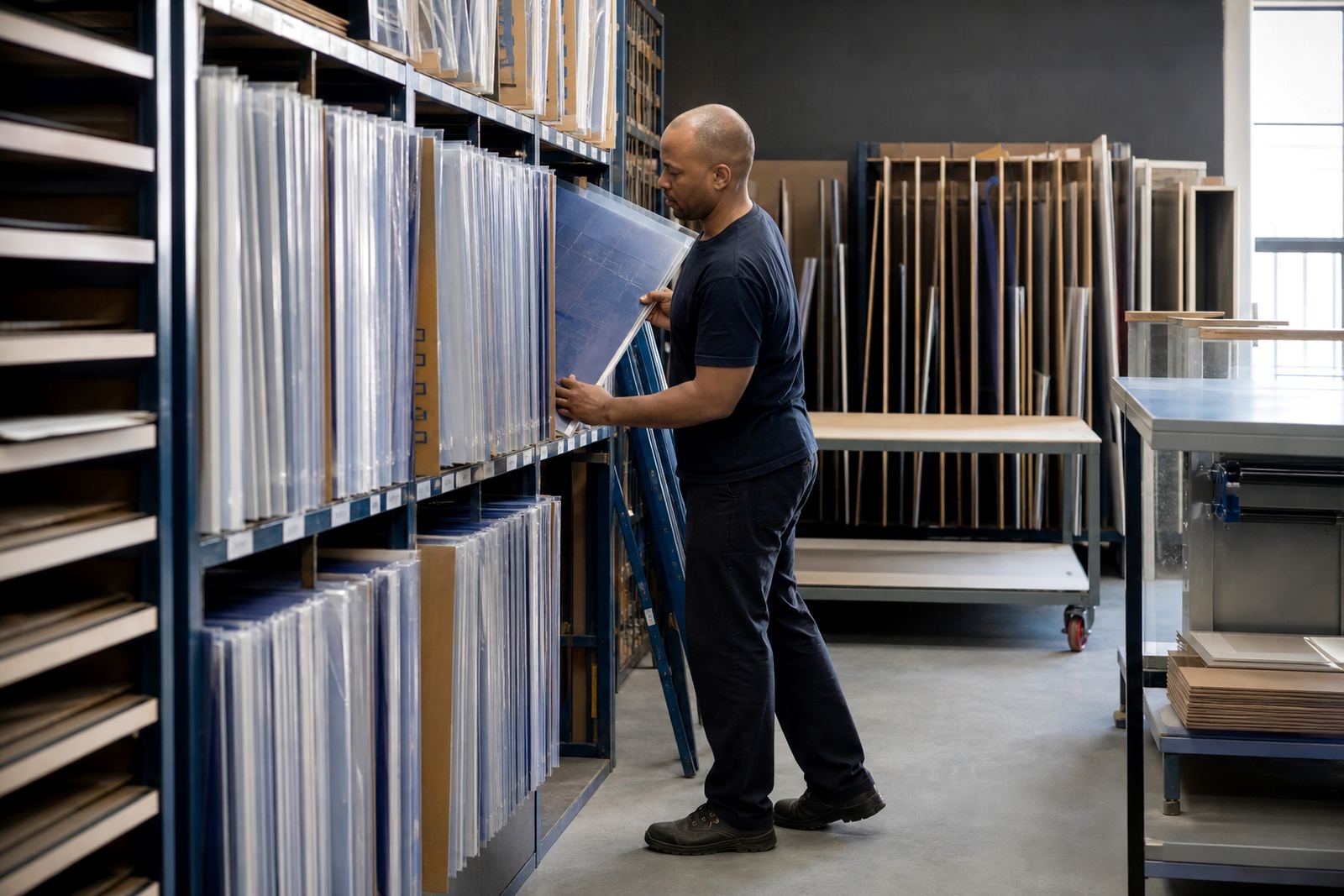
- Store plates flat and away from heat, dust and moisture.
- Ask for plate trimming to suit the mounting and finishing stage.
Screening and Artwork Checks Can Change the Final Plate Choice
Screening affects how tones, gradients and smooth areas reproduce. If the artwork has vignettes, images or soft blends, the plate and screening setup need to work together. For simple label work, a standard approach may be enough. For packaging with more tonal detail, the plate-making plan should take the screening method into account from the start. That avoids surprises once the job reaches press.
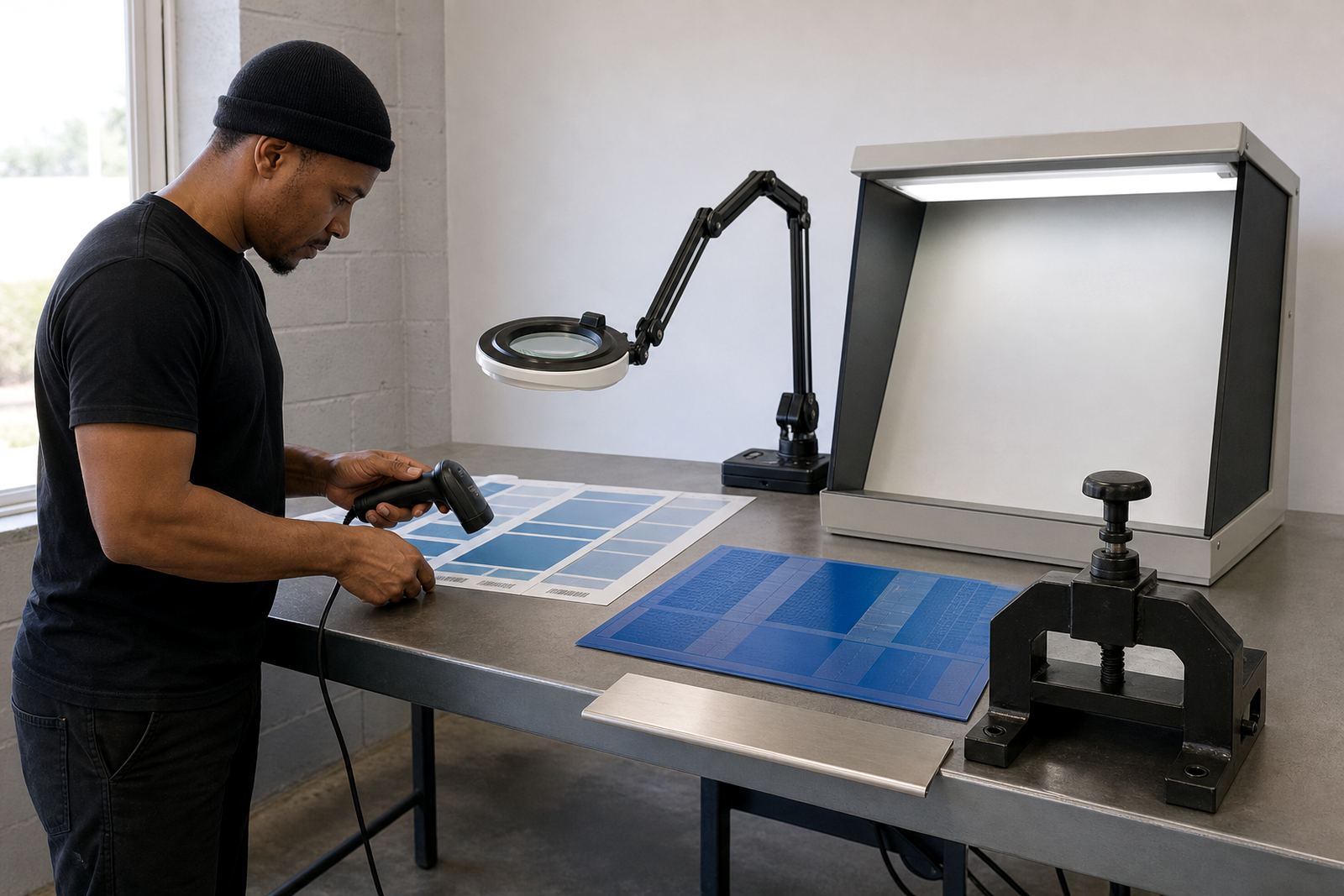
Artwork checks should happen before plate output. File checking can catch missing fonts, low-resolution images, trap issues, overprints and hidden layers. A good preflight also checks whether the line work will hold up at the intended size. If the image sits too close to the edge or the type is too fine, those issues can show up clearly on press and cost time later.
- Check font size, barcode clarity and knockouts.
- Review image resolution and file size before output.
- Confirm bleed, trim and trap requirements.
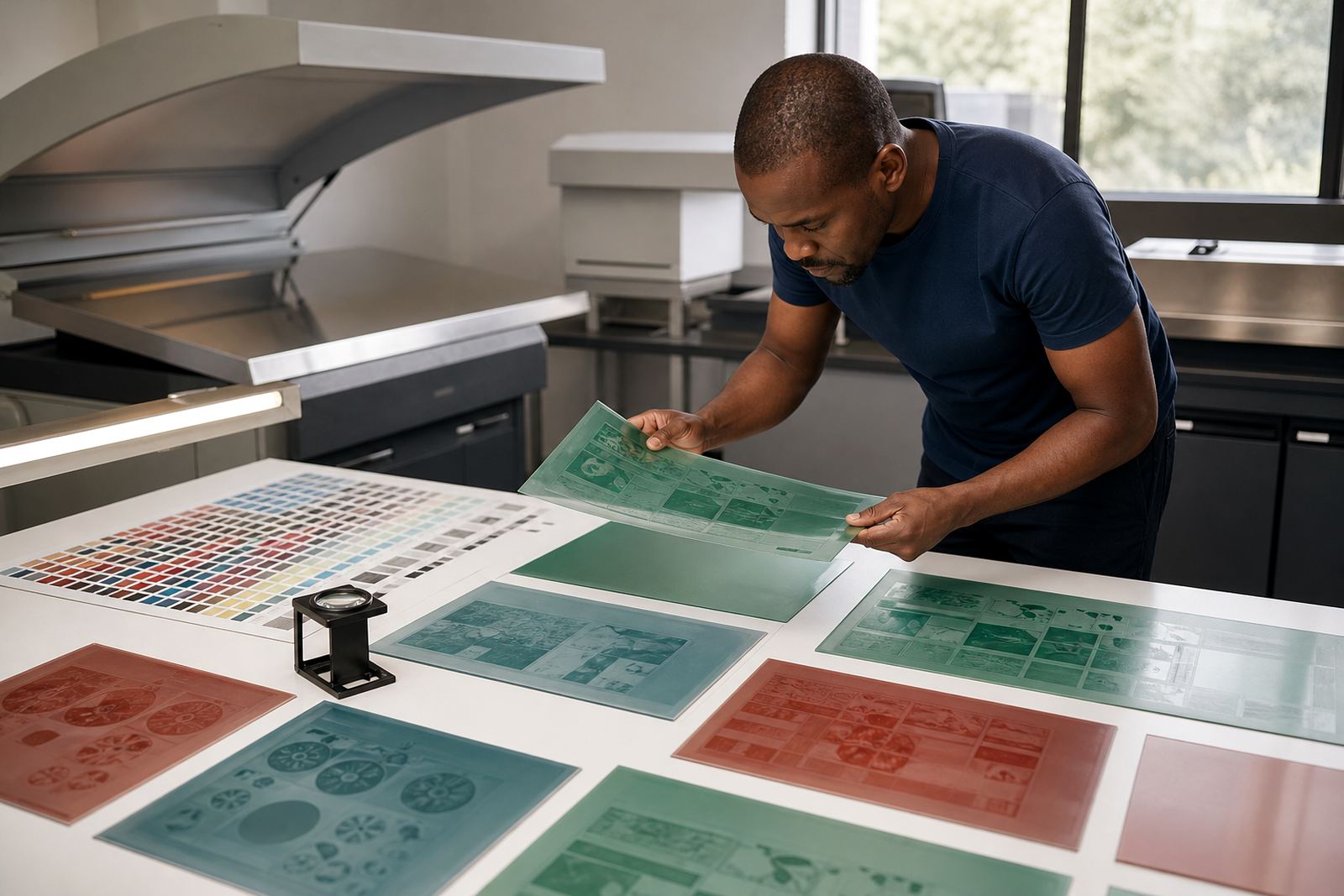
- Compare the proof against the final artwork, not a memory of it.
Mounting Style, Registration and Press Speed Need to Be Considered Together
A plate can look ideal on paper but still underperform if mounting and registration are ignored. Plate mounting must line up correctly so the image sits where it should on the cylinder or sleeve. If the job has repeat work, accurate mounting saves time on setup and reduces waste. For printers handling mixed work in the East Rand or West Rand, it helps to keep mounting notes with the job reference so the next repeat starts from the same position.
Press speed also matters. Some jobs run well at higher speeds, while others need a steadier pace to hold detail or manage ink transfer. The plate should suit the speed the press can comfortably maintain without losing quality. If registration is tight, ask for a practical check on the artwork, the layout and the mounting plan before production starts.
- Keep mounting notes with each repeat order.
- Check registration marks and repeat length early.
- Match the plate to the speed the press will actually run.
- Use technical job advice when the layout is complex or tight on tolerance.
Durability Matters When the Job Runs Longer or Repeats Often
Some jobs are printed once, others come back again and again. Plate durability becomes more important when the same artwork is used repeatedly or when the run length is higher. A plate that holds detail well and resists wear can help keep print quality steady through the run. For packaging printers, this is especially useful where solids, text and registration all need to stay clean from first sheet to last.
Durability does not mean the same thing for every job. A short label run may call for a different balance than a bulk packaging order. The useful question is not only how long the plate lasts, but how well it keeps the print consistent through the run. If there is any doubt, remake support and proof comparison can help decide whether to reuse the same setup or adjust the plate spec for the next order.
Use a Simple Checklist Before You Place the Order
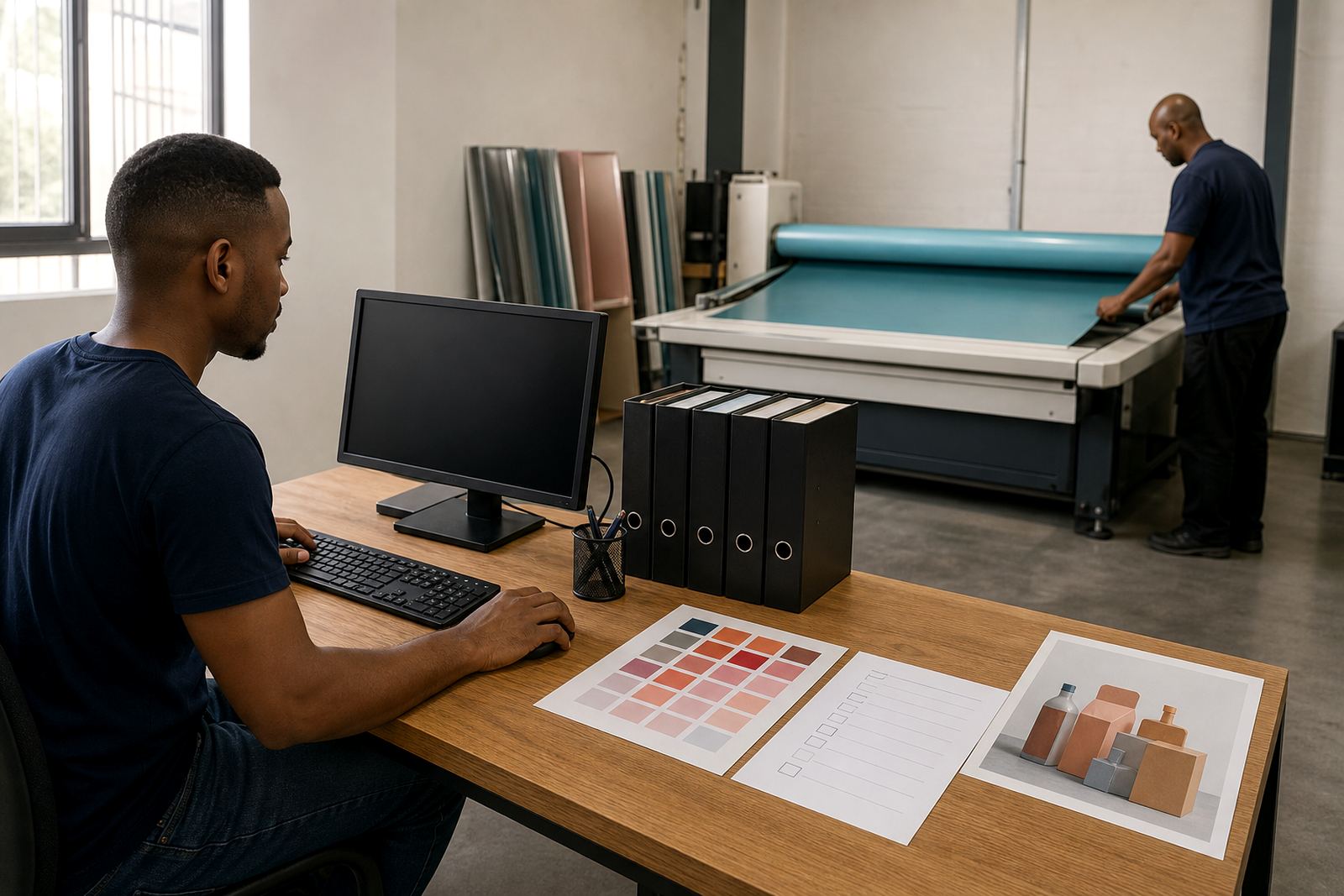
A short checklist makes it easier to compare plate options without guessing. This is useful whether the job is being delivered in Johannesburg, Pretoria, Cape Town, Durban or Gqeberha. It also helps when courier packing and collection coordination matter, especially for urgent label work or repeat packaging jobs.
Before you submit the job, make sure the following points are clear and complete. If anything is missing, the plate spec may not suit the print requirement and that can slow the job down later. Our team in Midrand handles plate making, file checking, imposition planning, plate trimming, plate labelling and dispatch packing, so the job can move through the right steps in order.
- What is being printed: labels, cartons, sleeves or other packaging.
- What material is being printed on.
- Whether the artwork has fine type, solids, screens or barcodes.
- What the press setup and repeat length are.
- Whether you need collection coordination or courier delivery.
If you are comparing plate options for a new job, send the artwork through the enquiry form on our contact page with as much detail as possible. It helps us check the file, review the layout and recommend the right plate path for the work at hand.