


Plate Journal
Home / Journal

Plate Journal

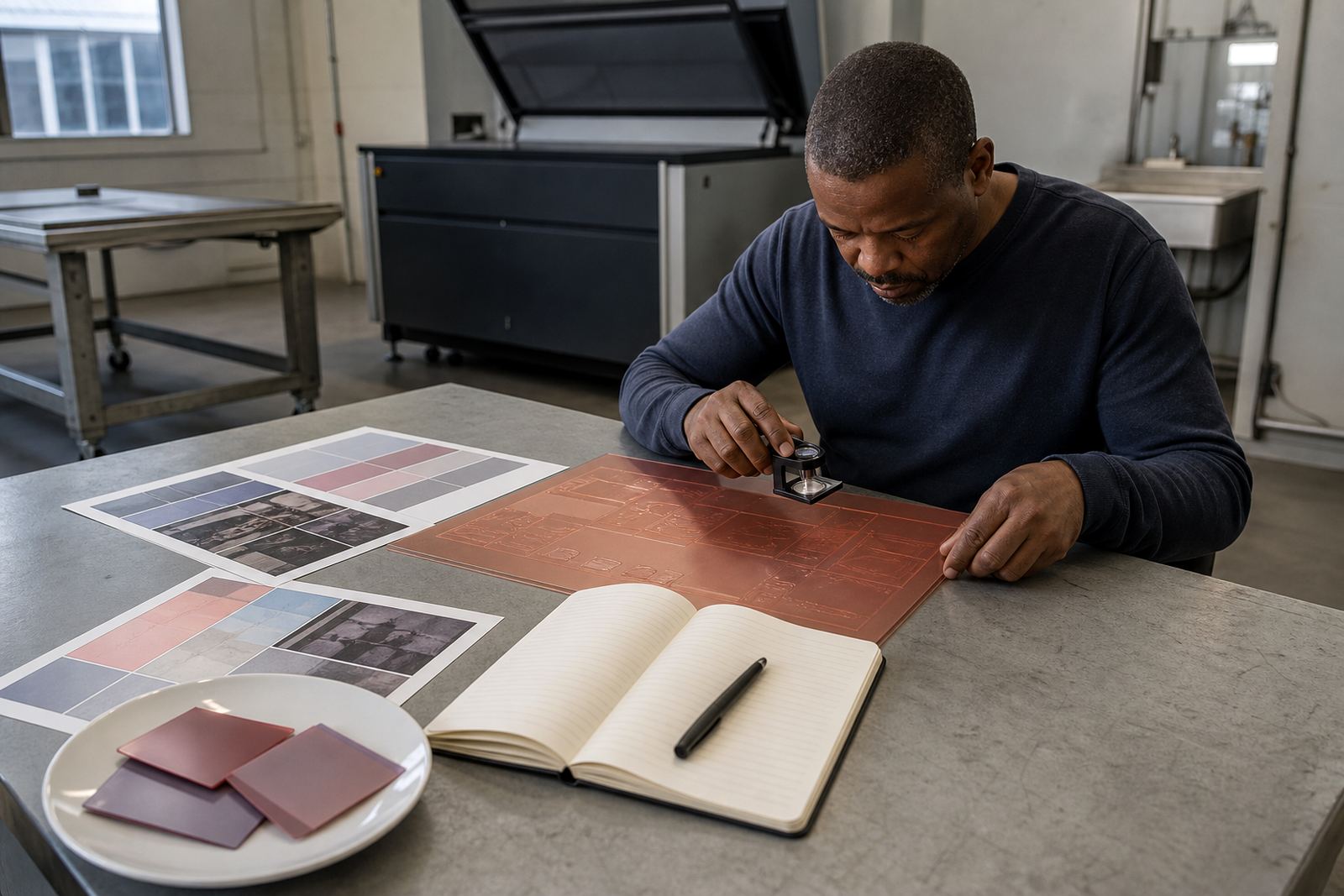
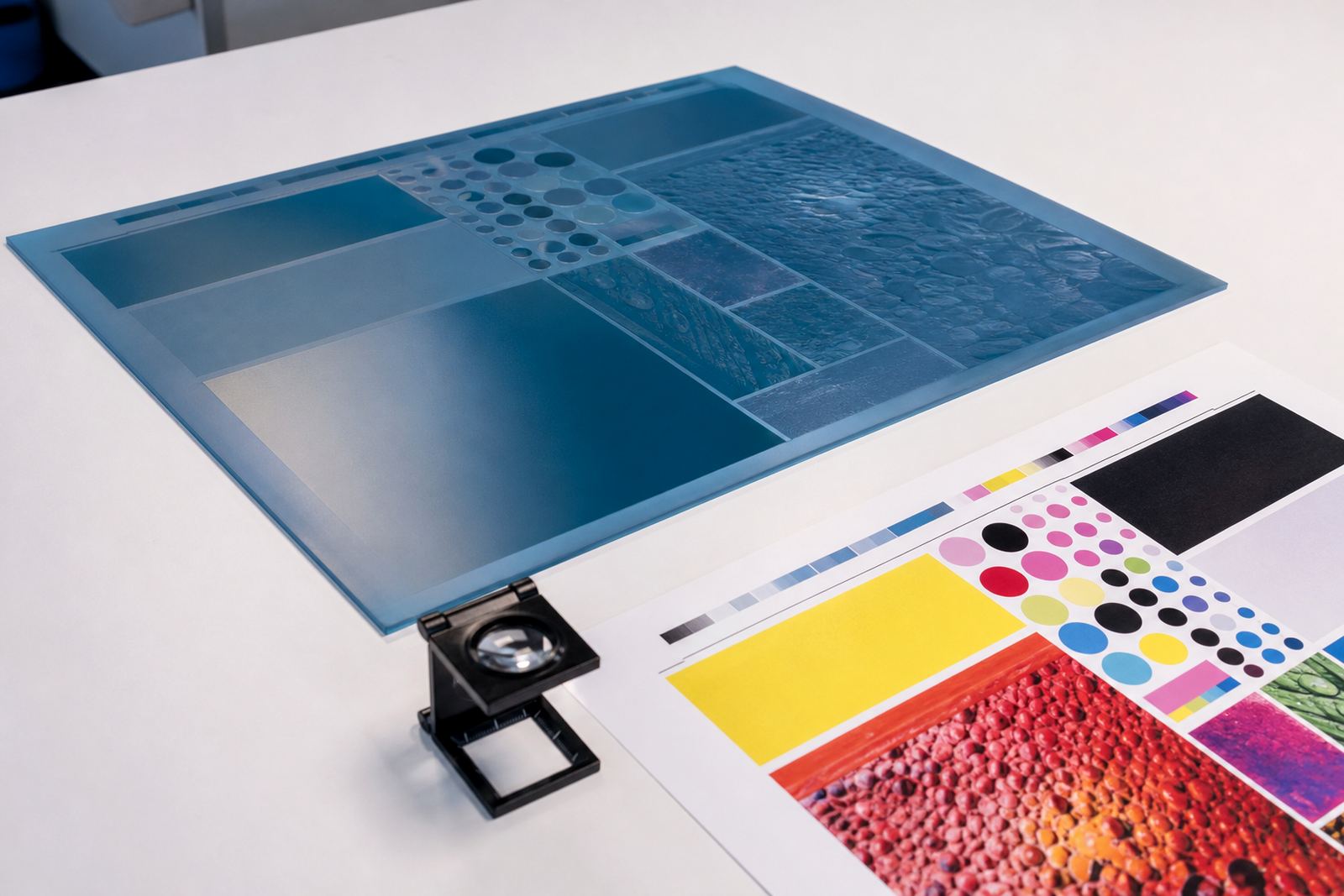
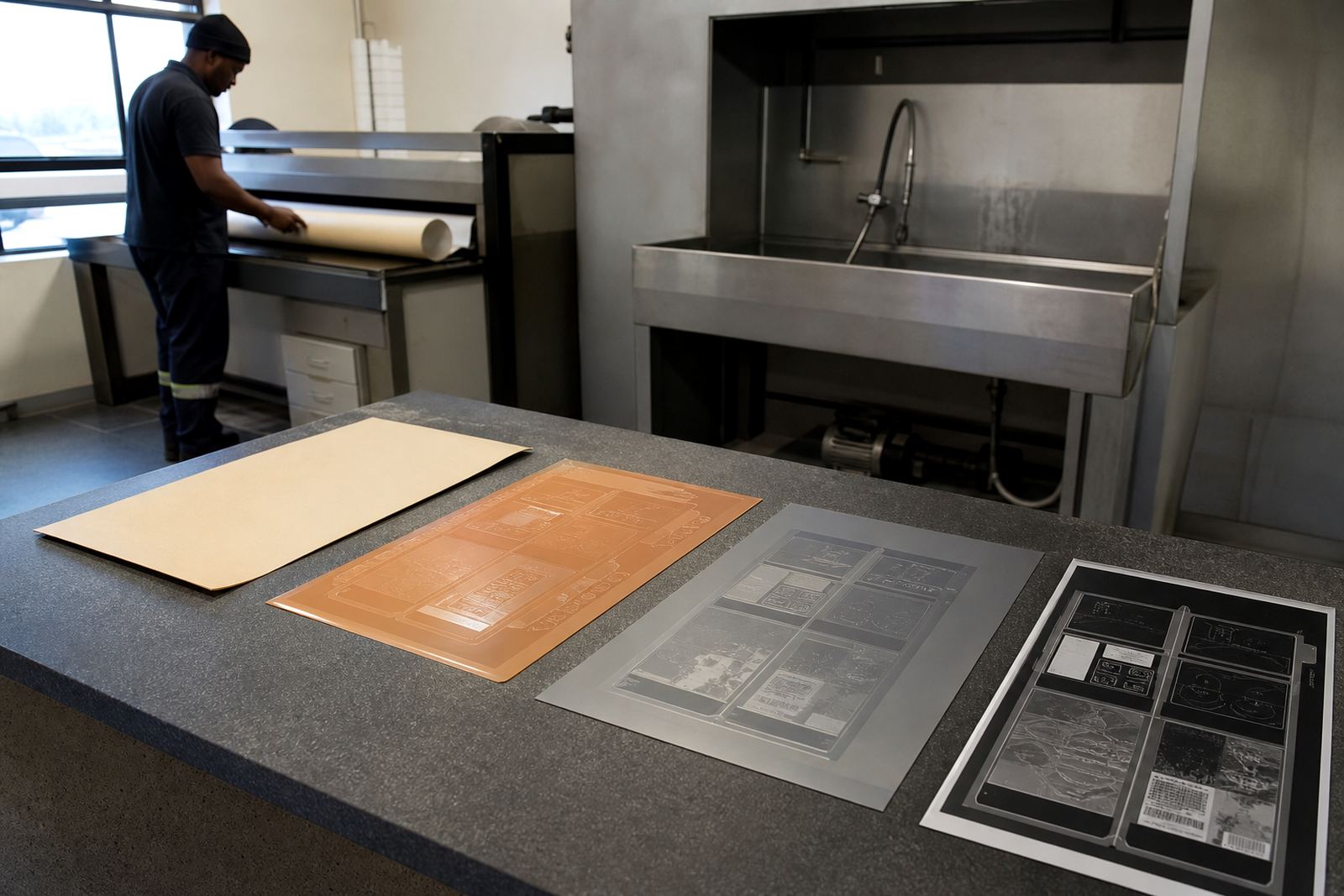
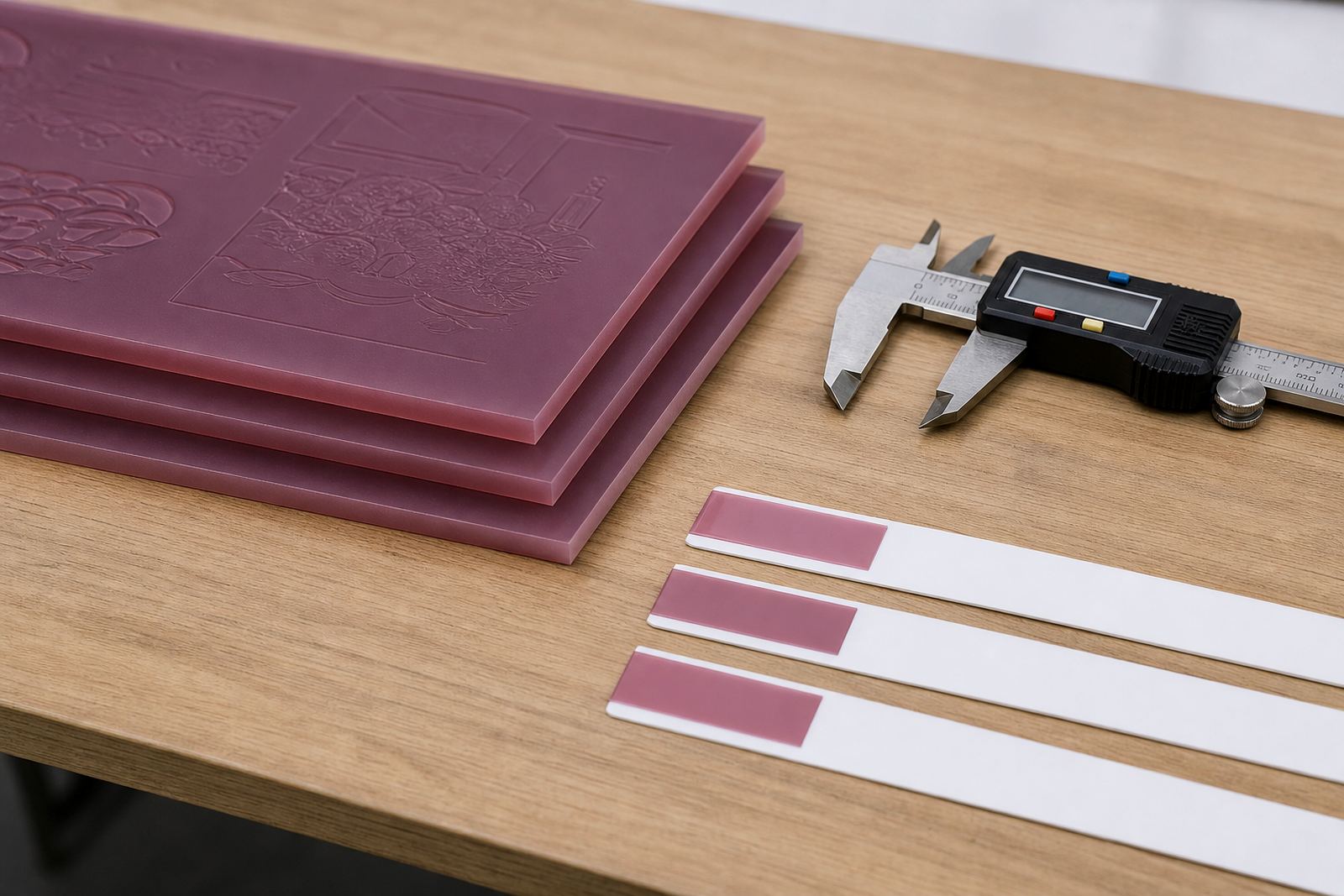
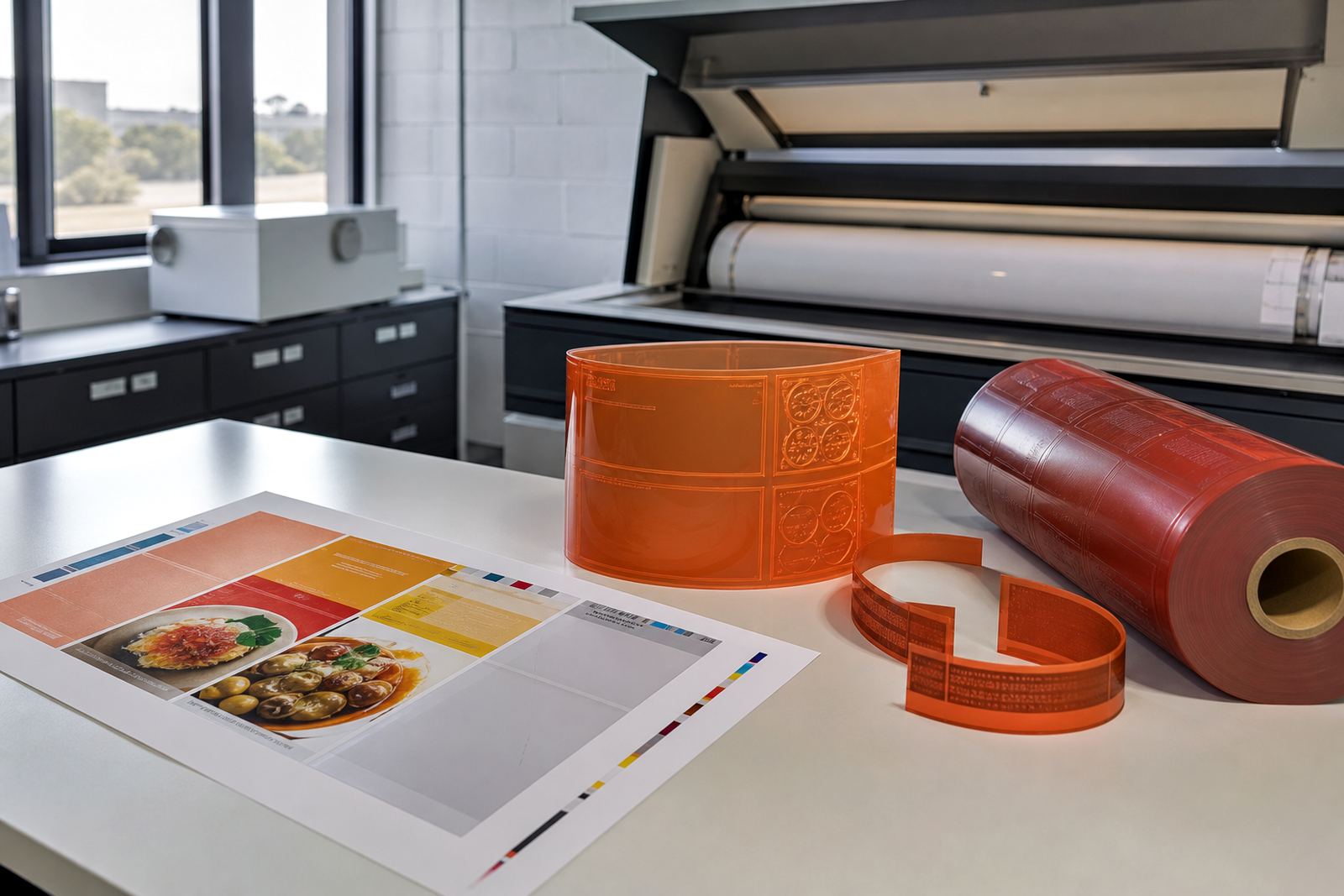
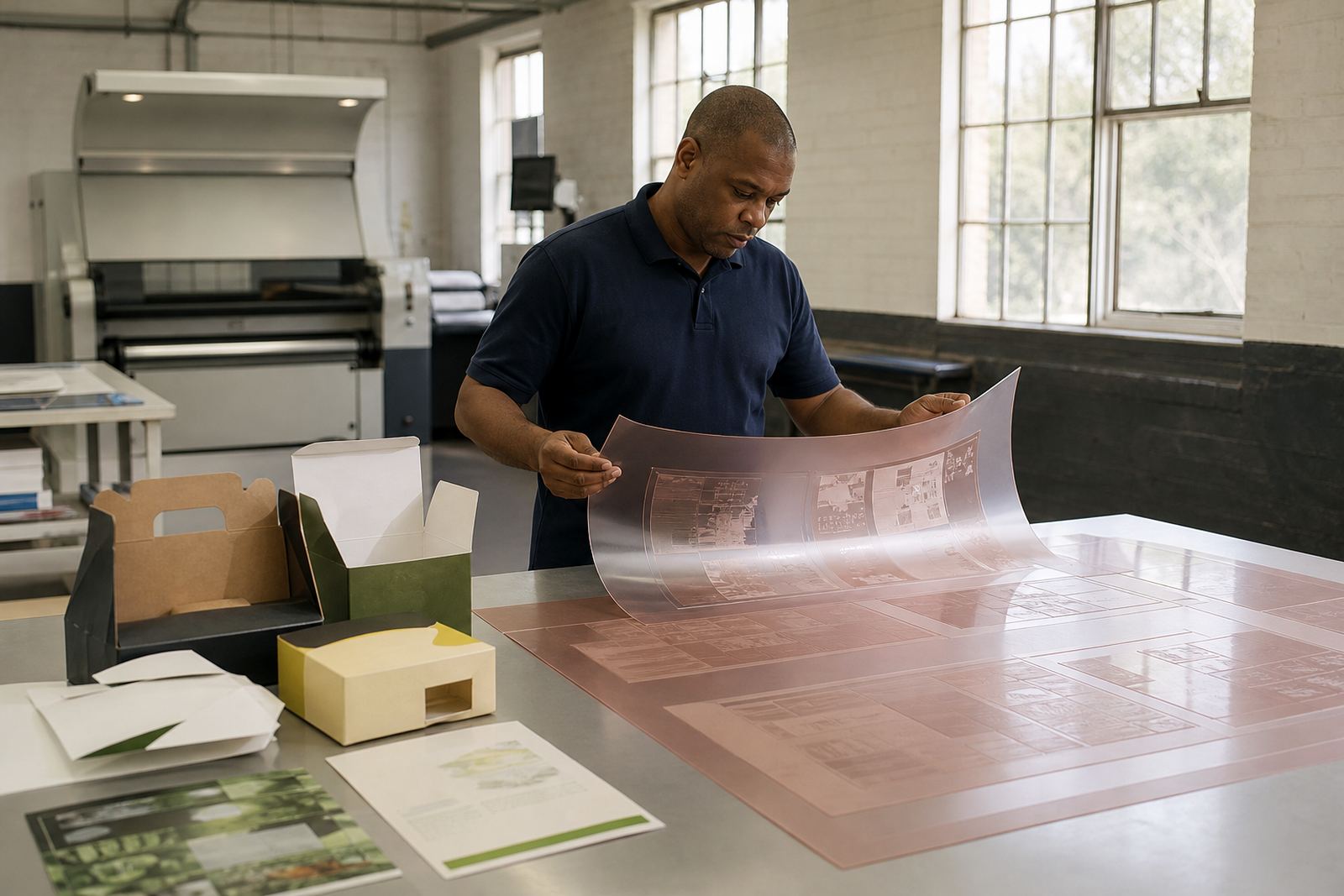
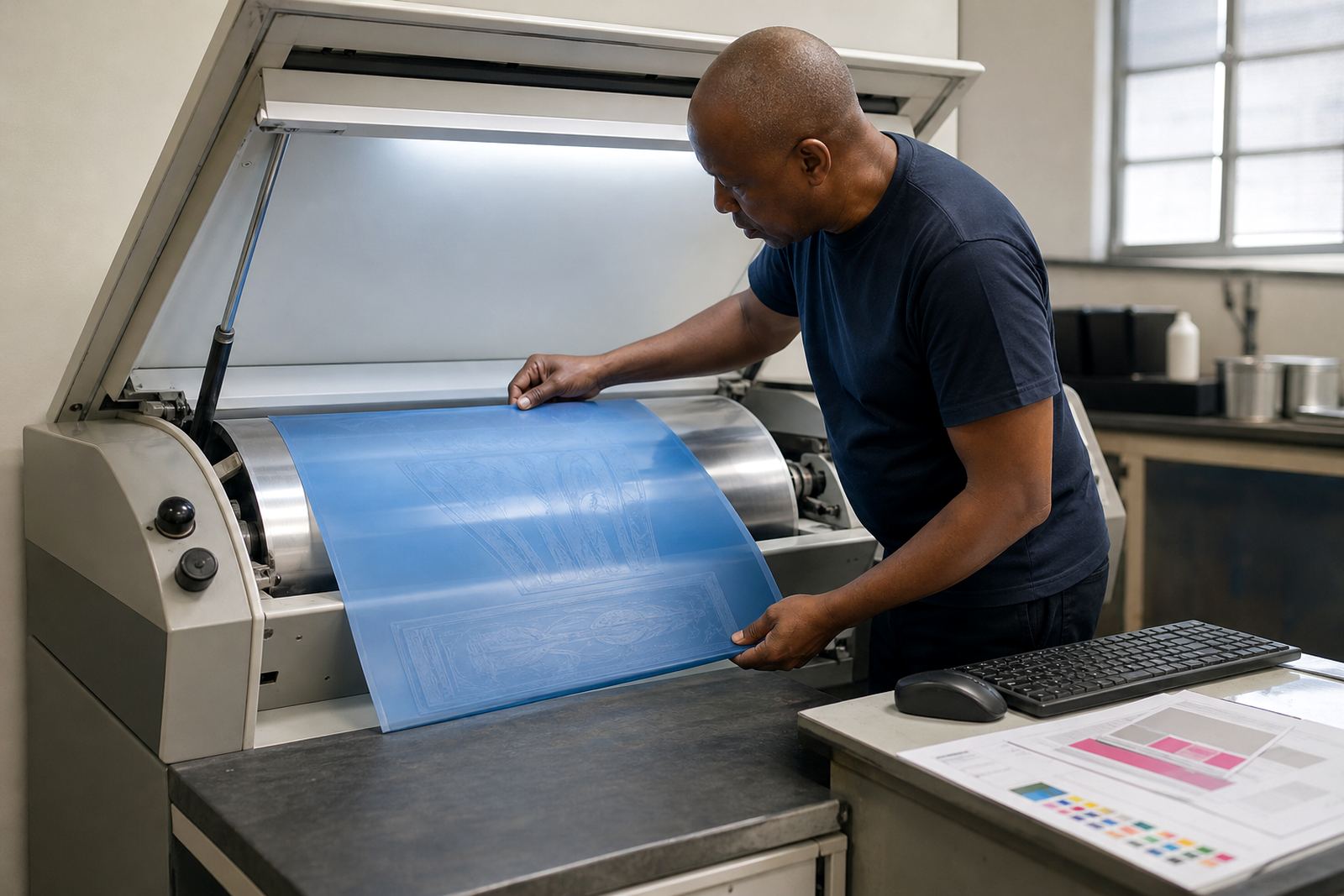
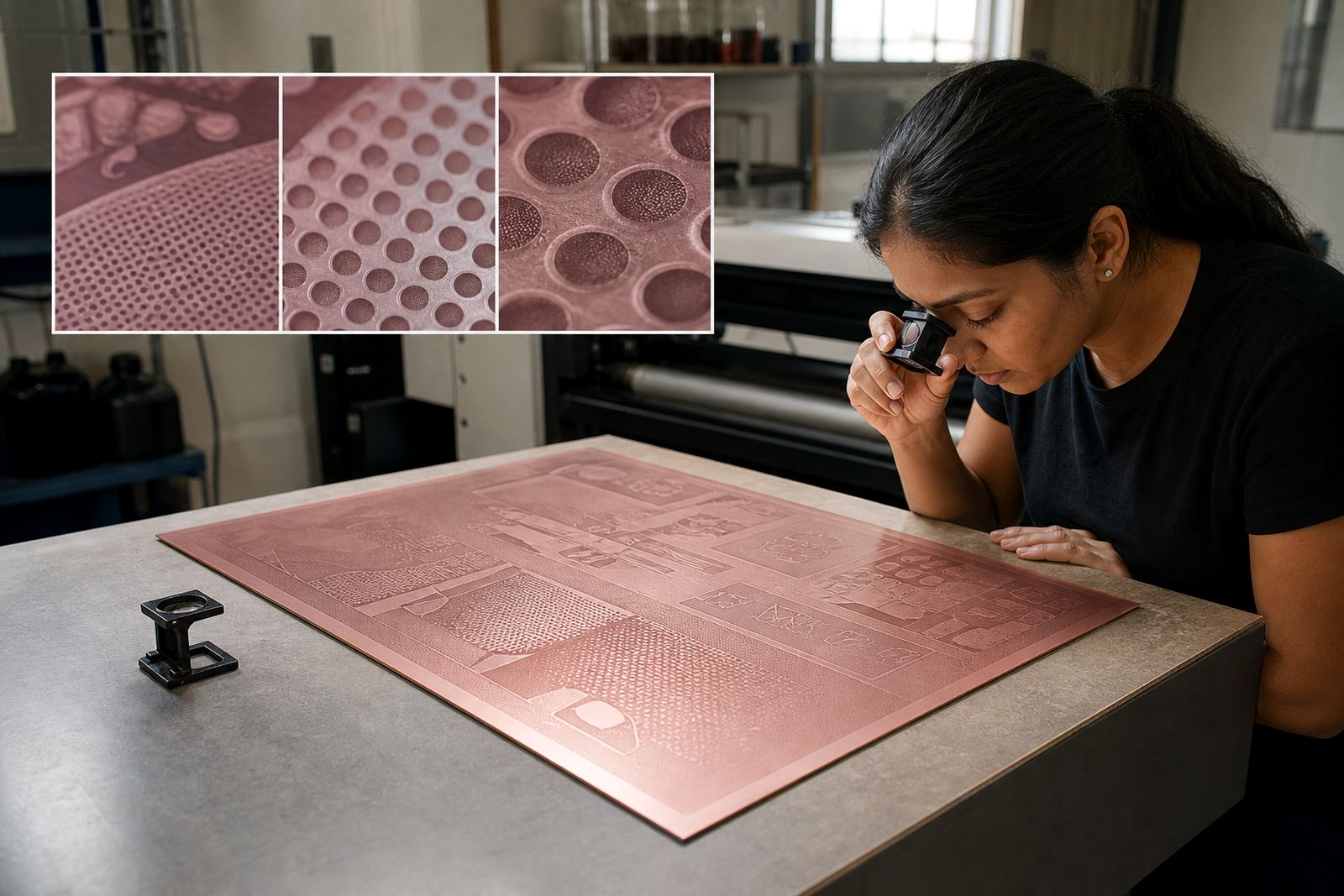
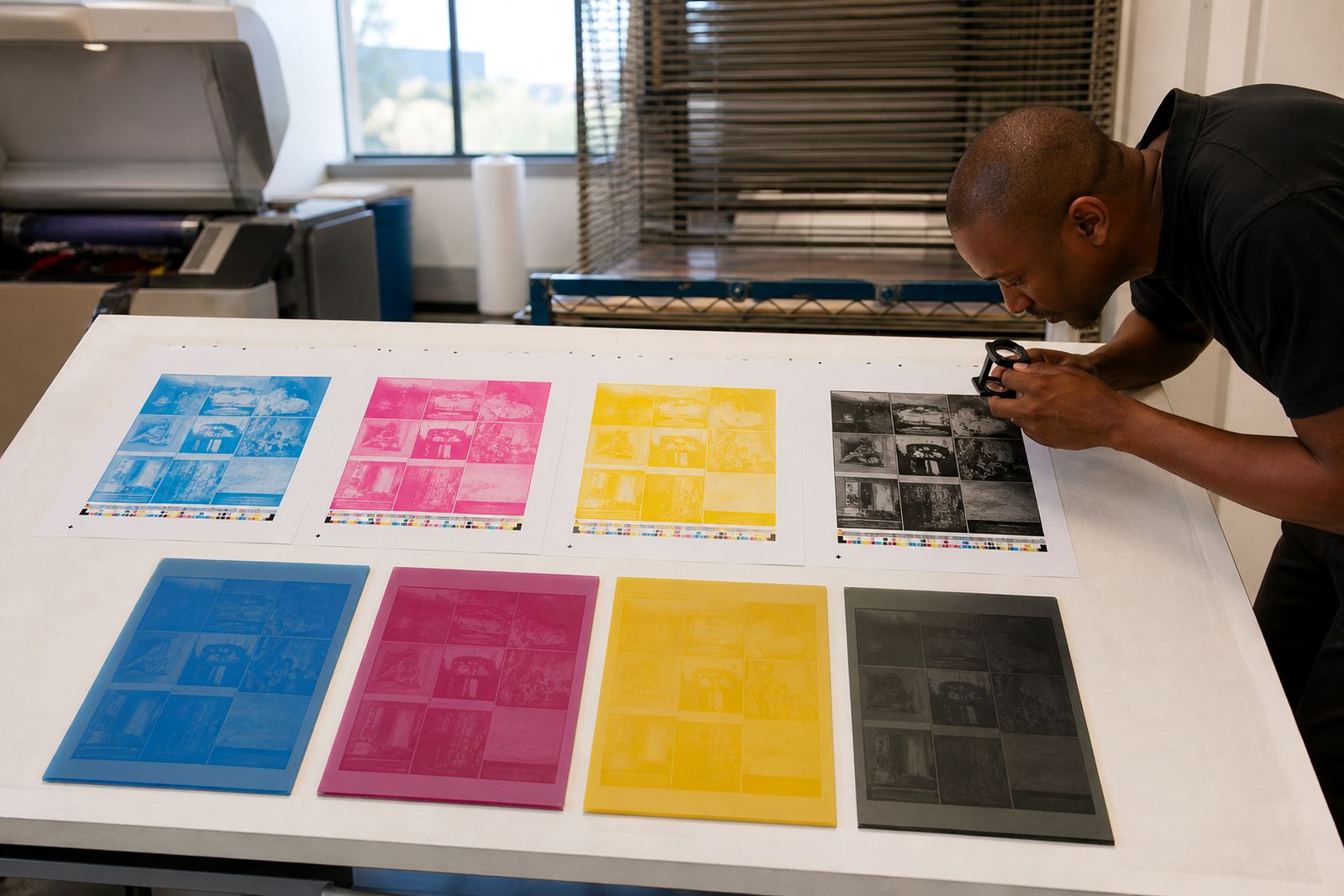
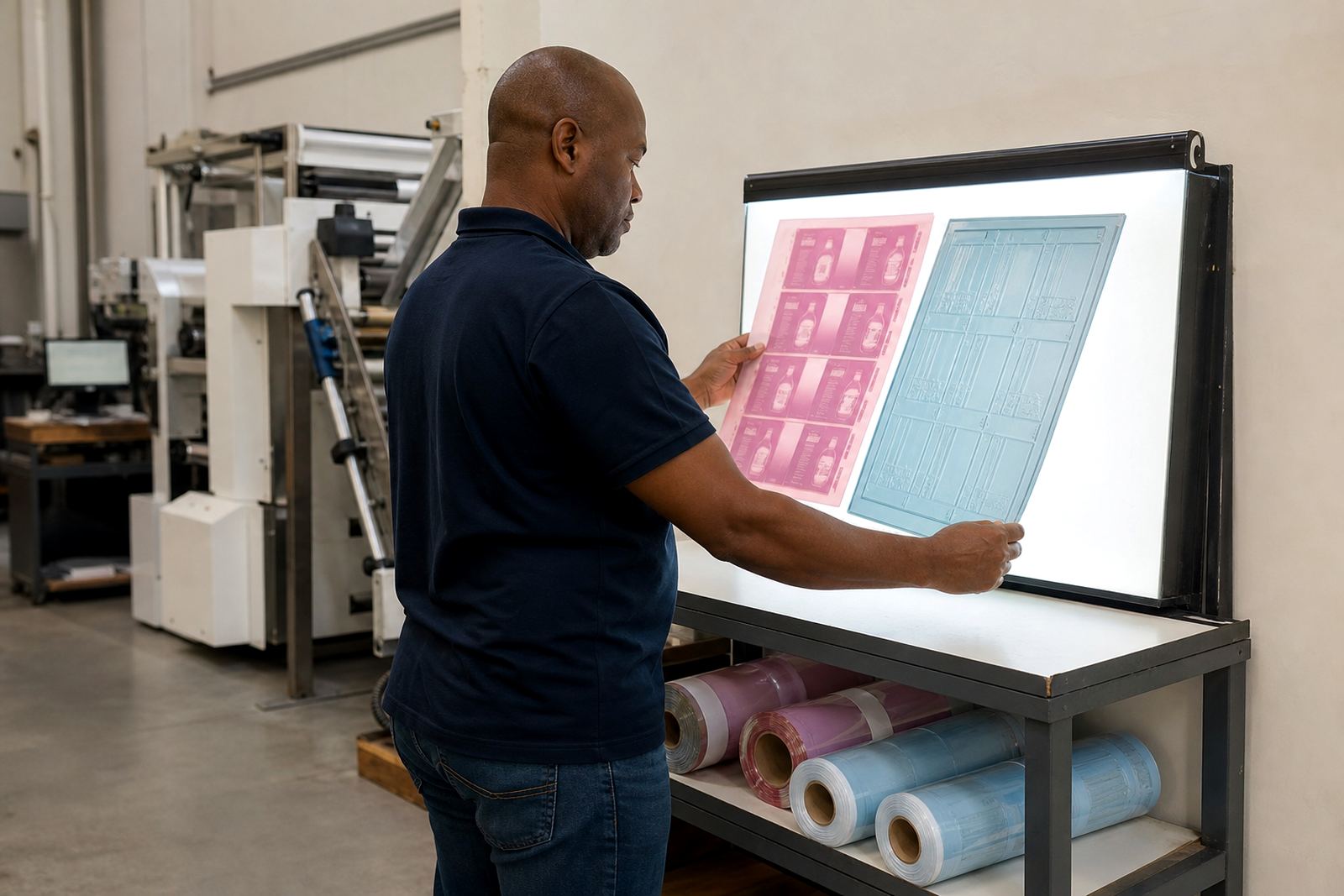
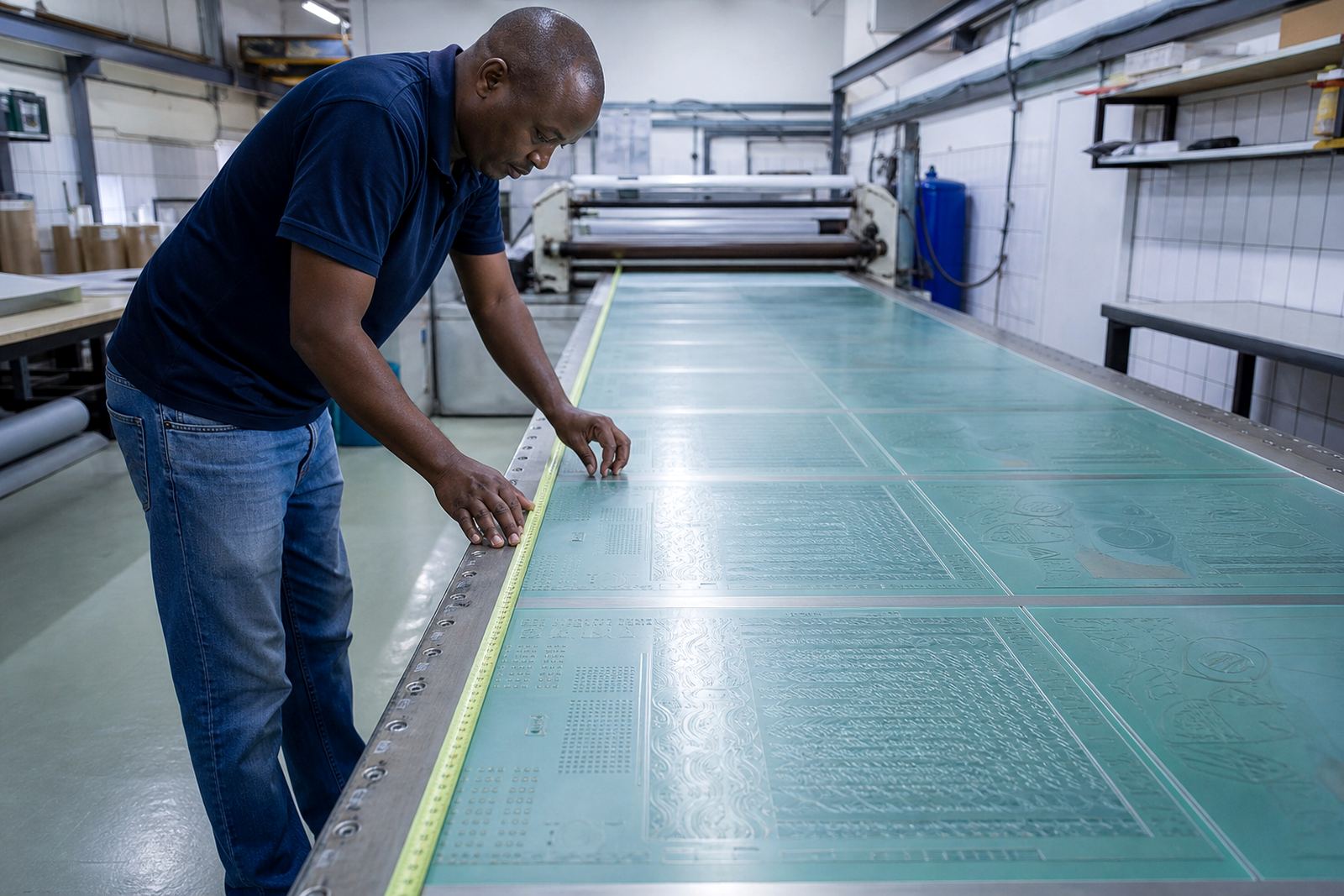
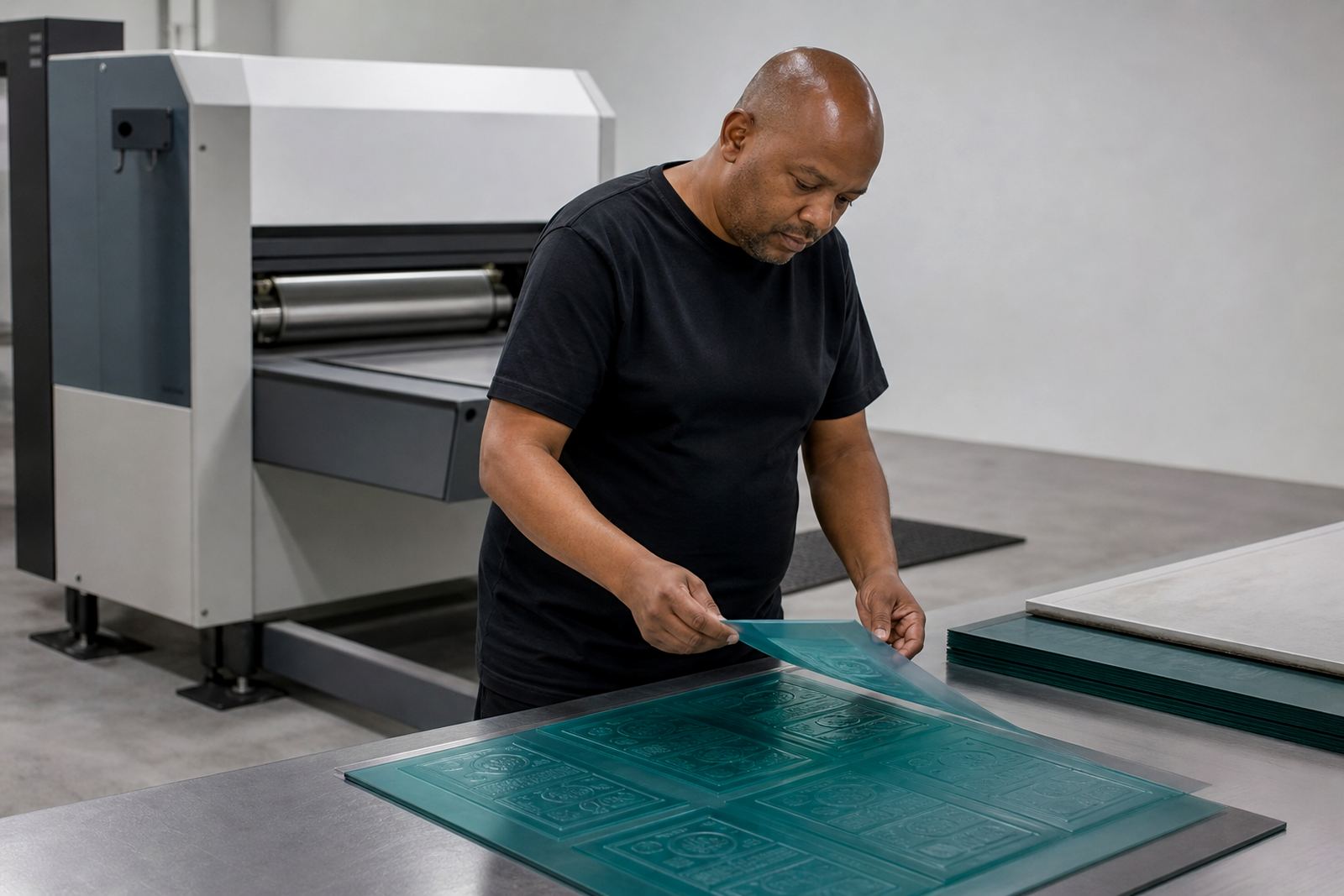
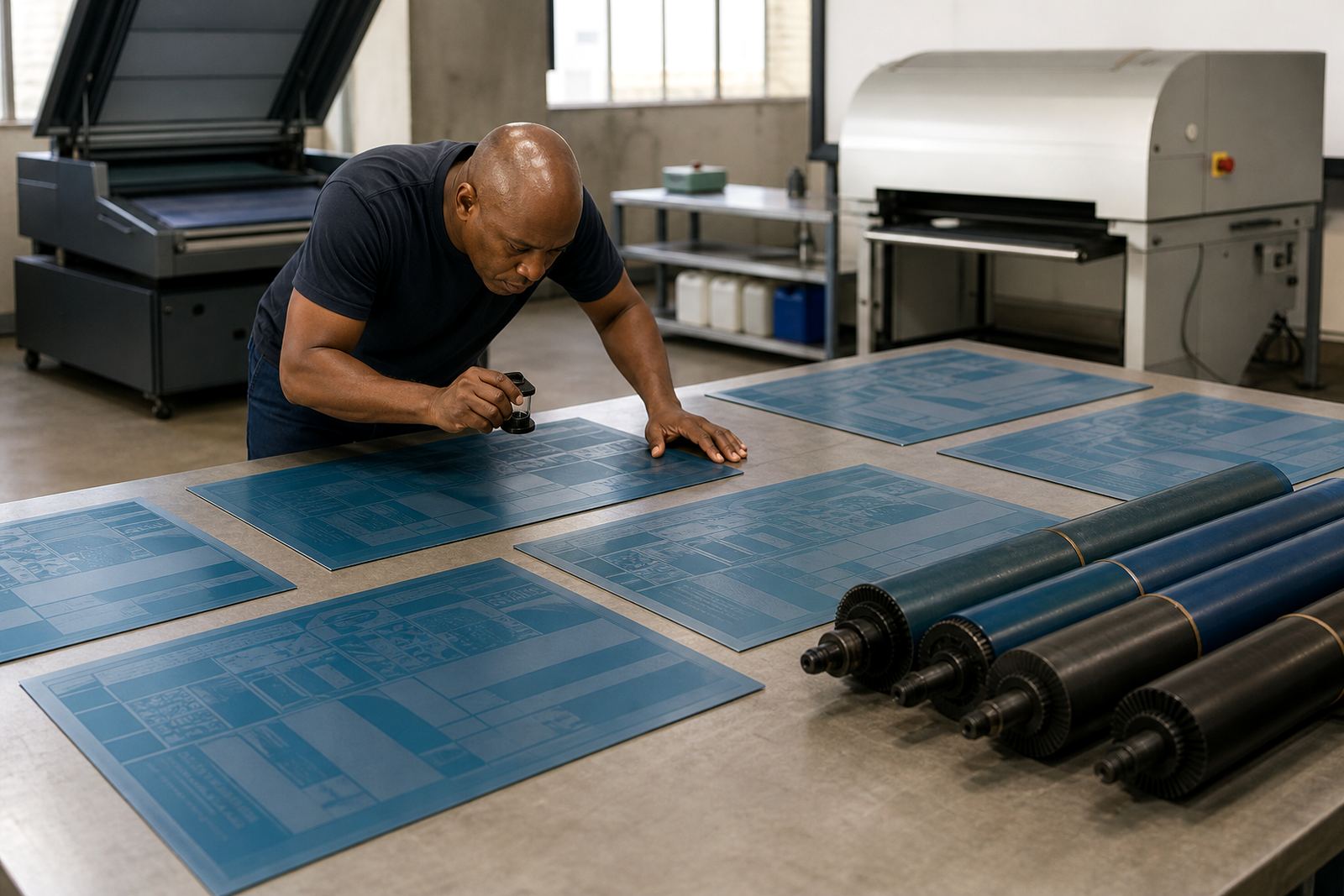
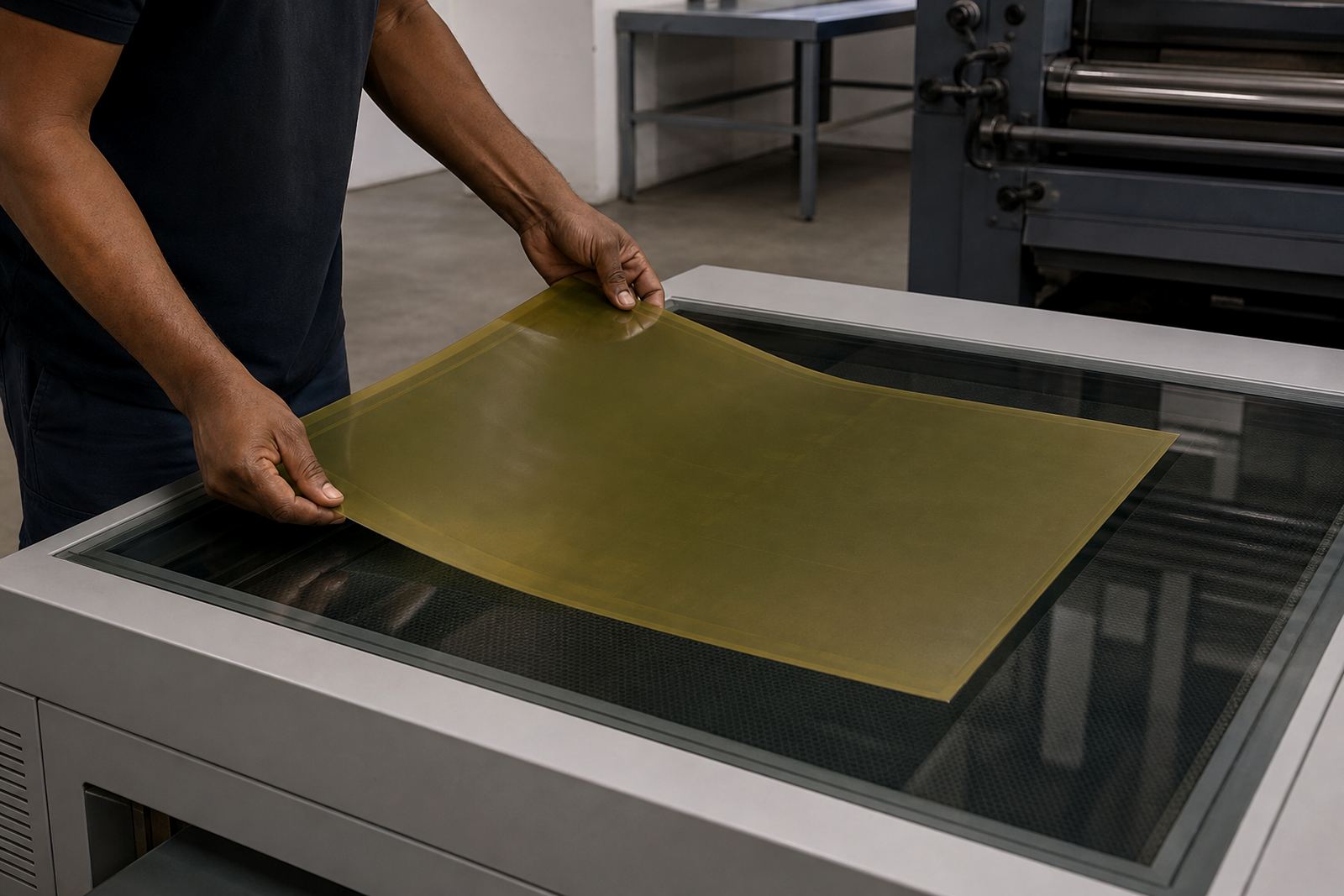
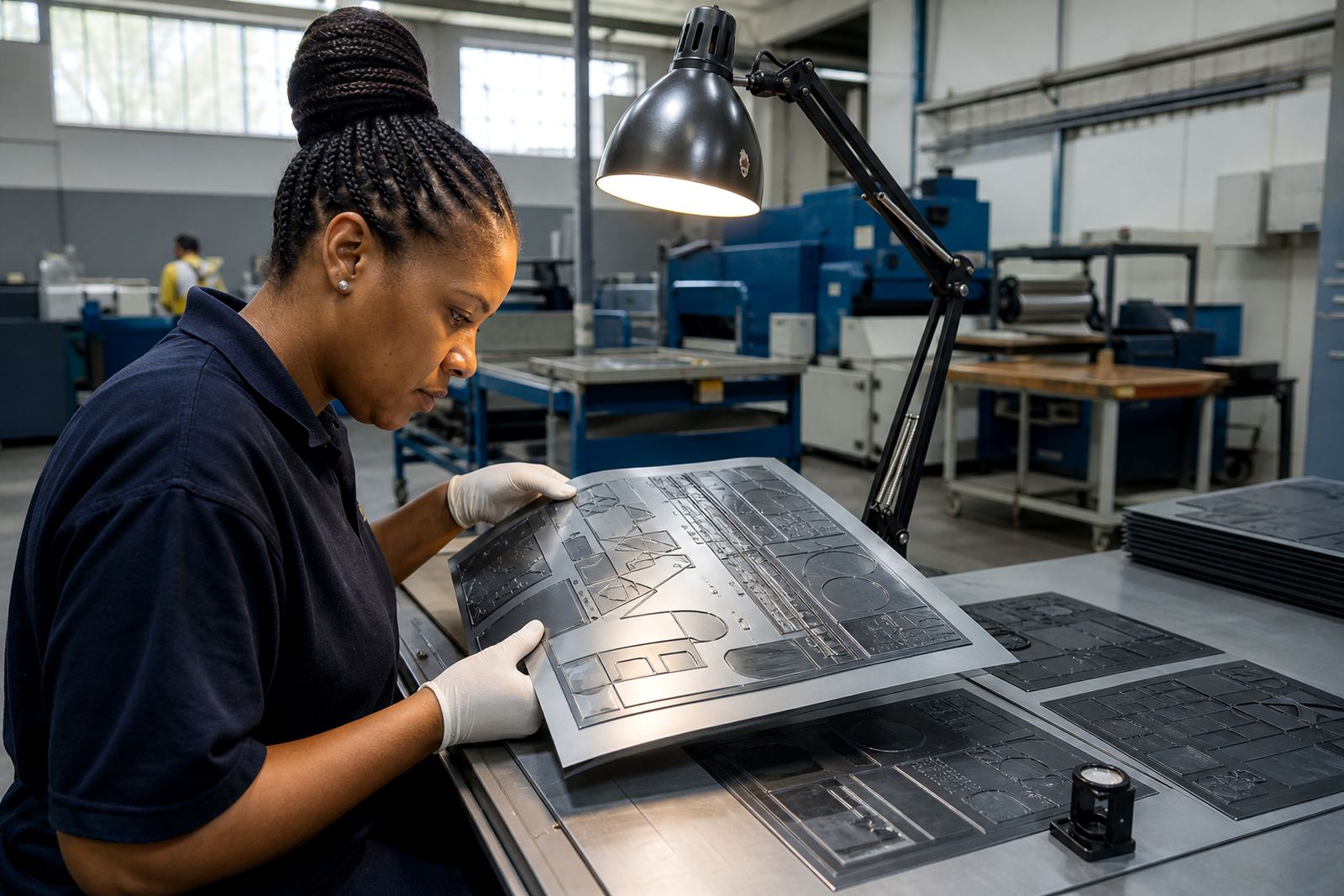
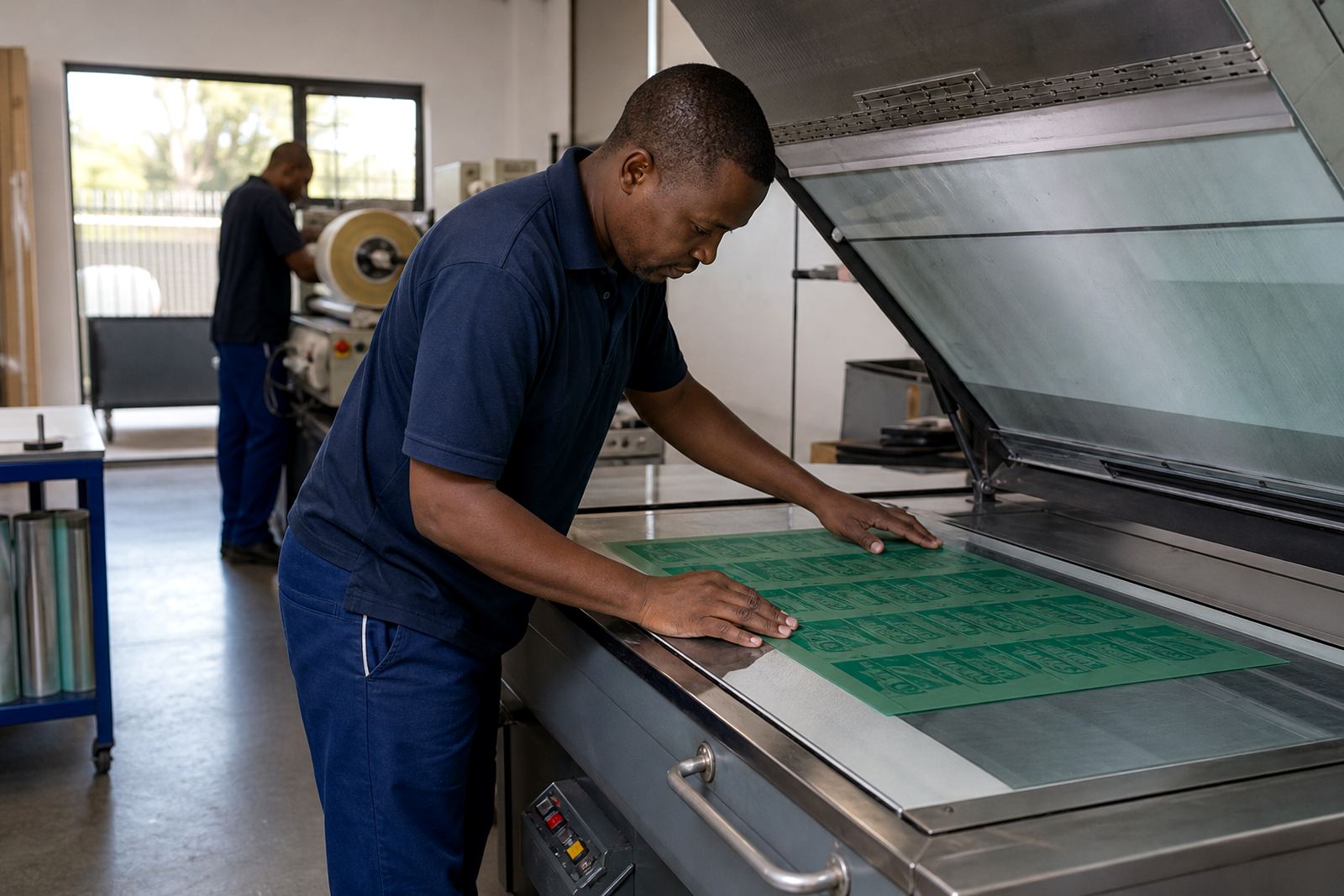
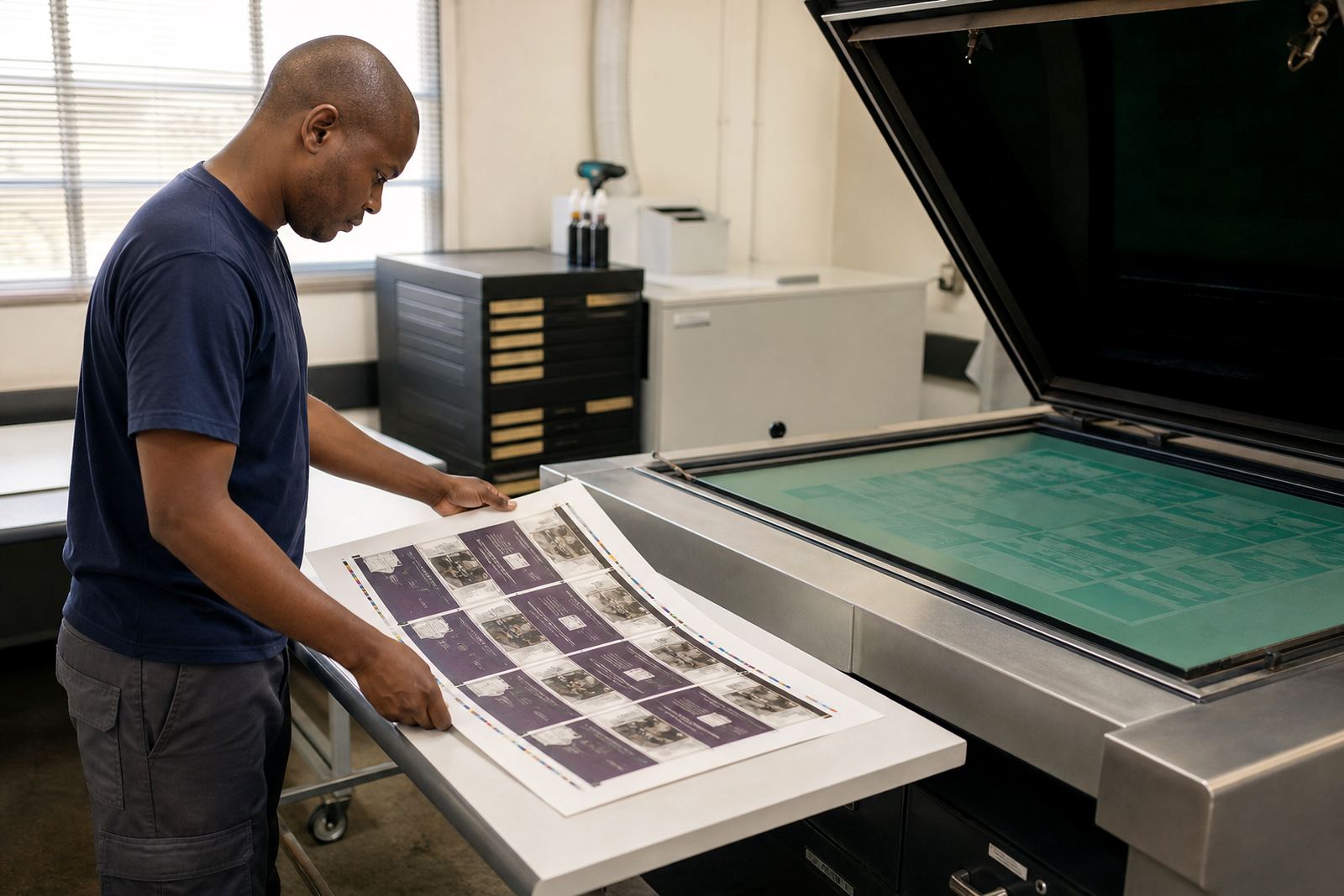
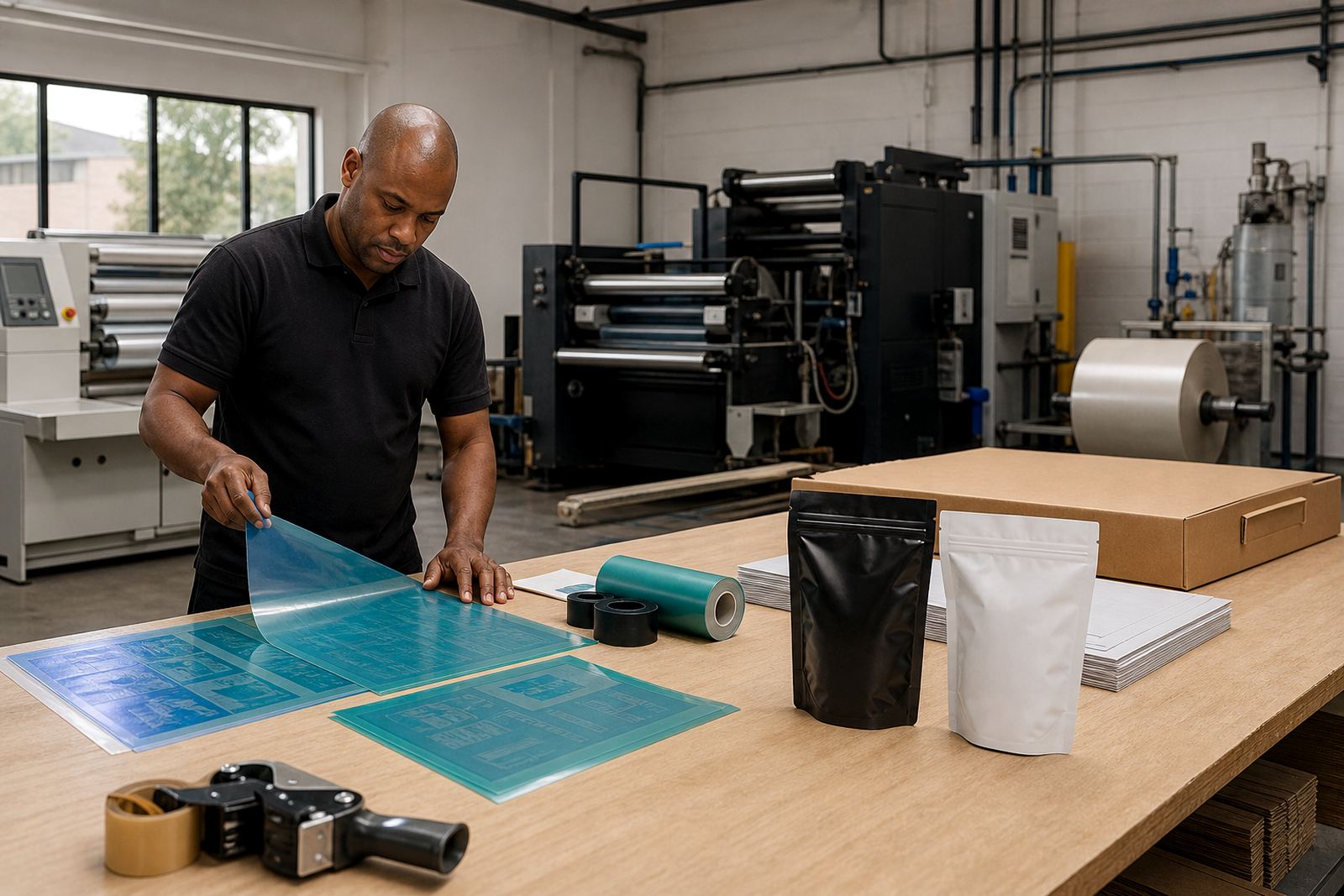
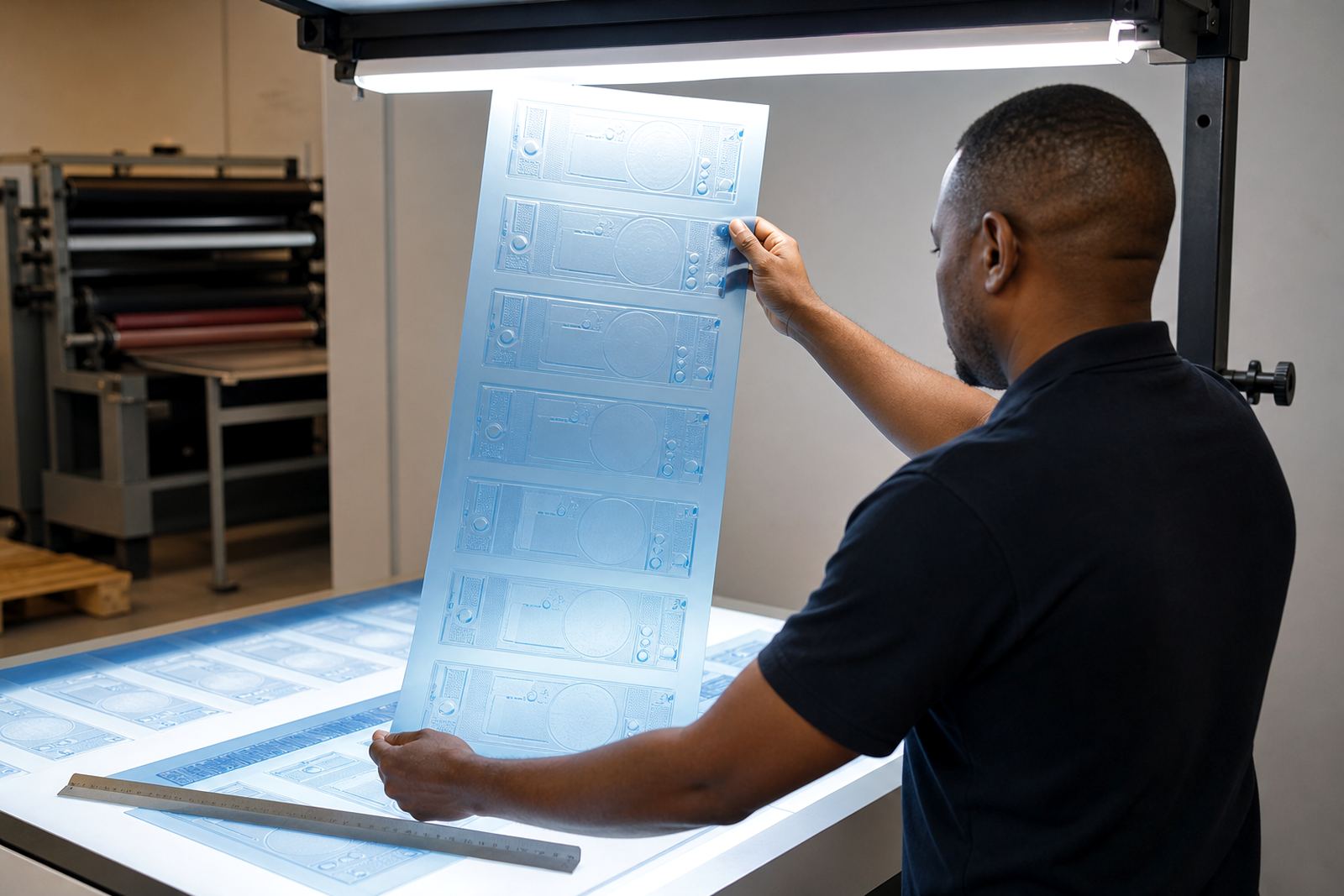
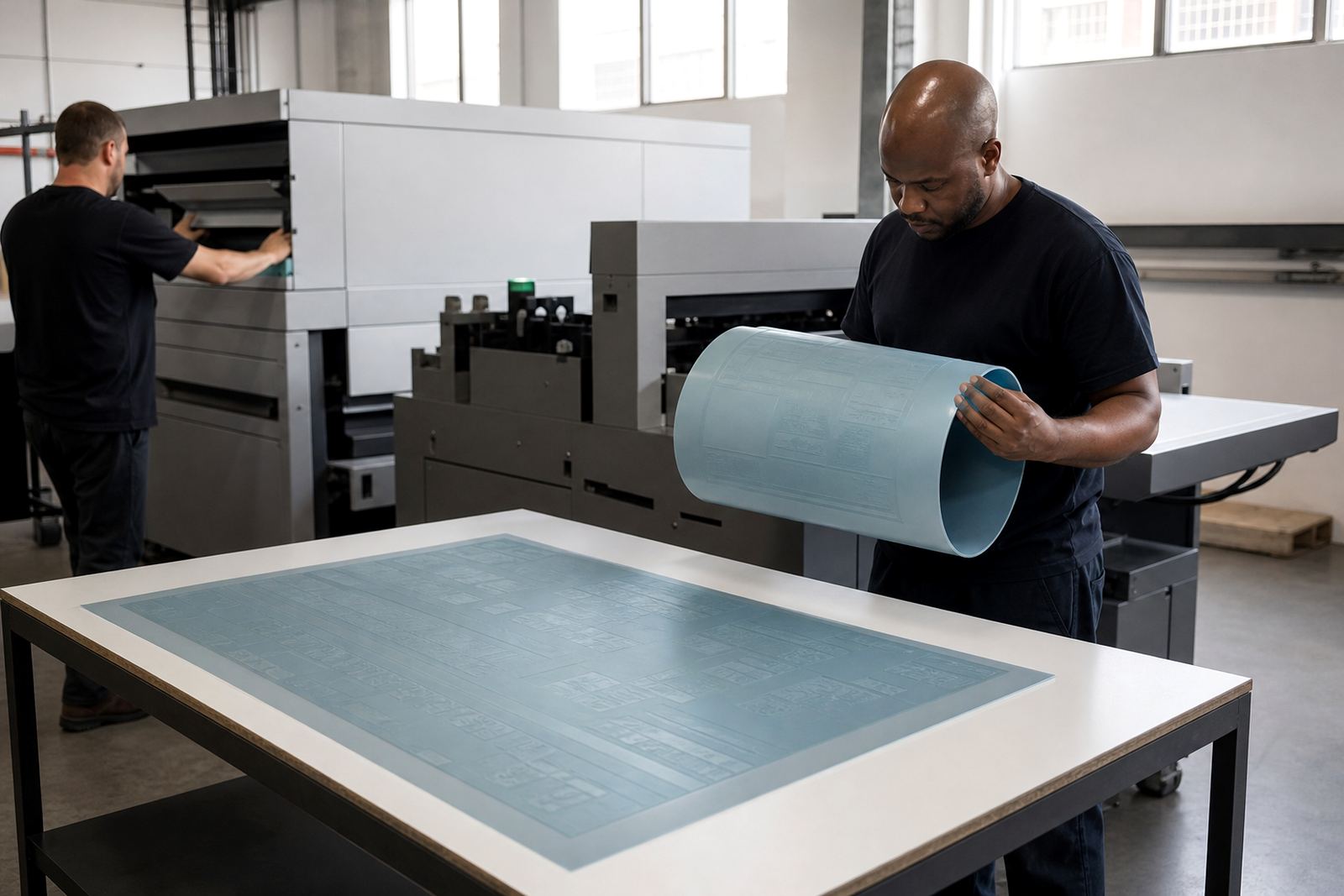
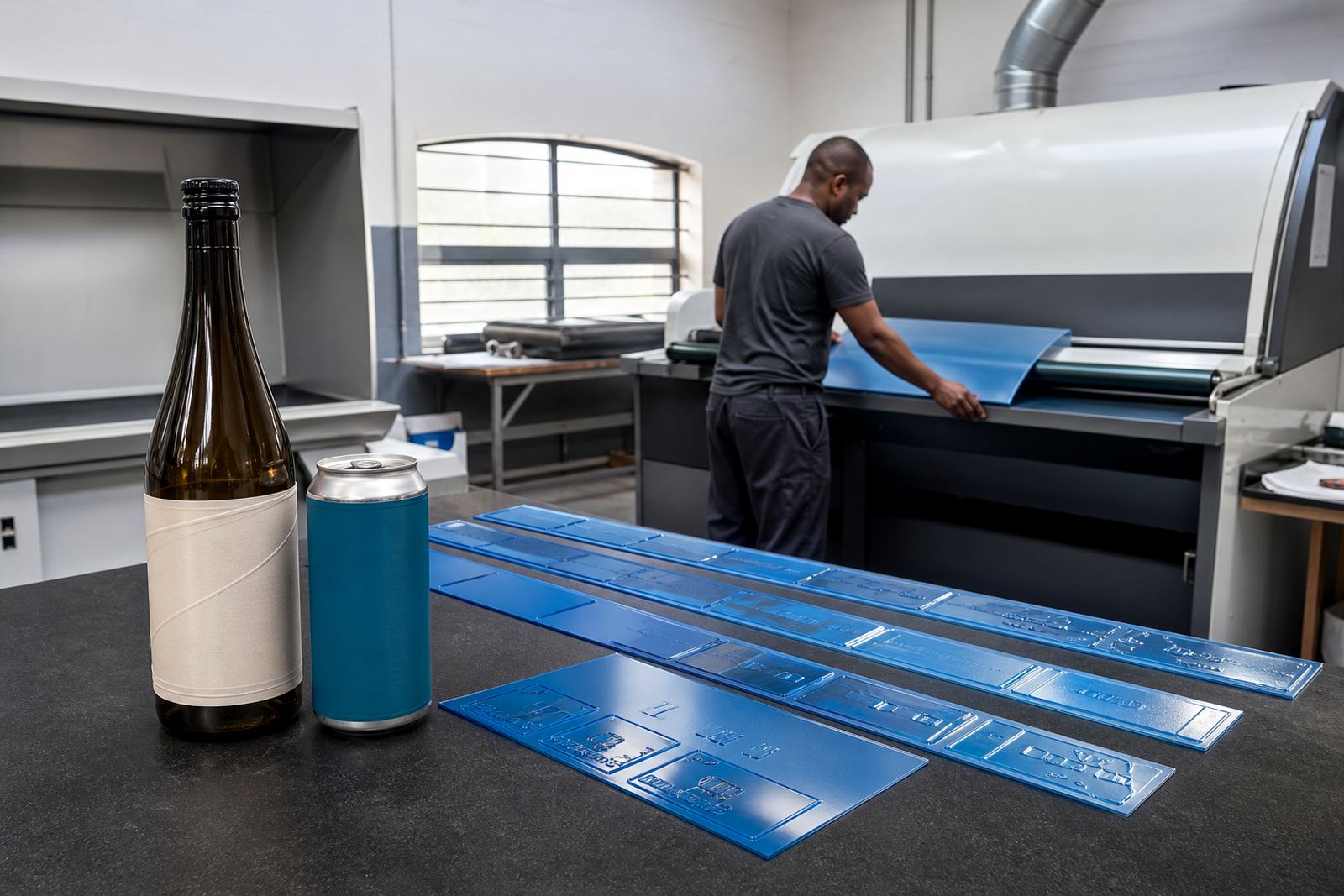
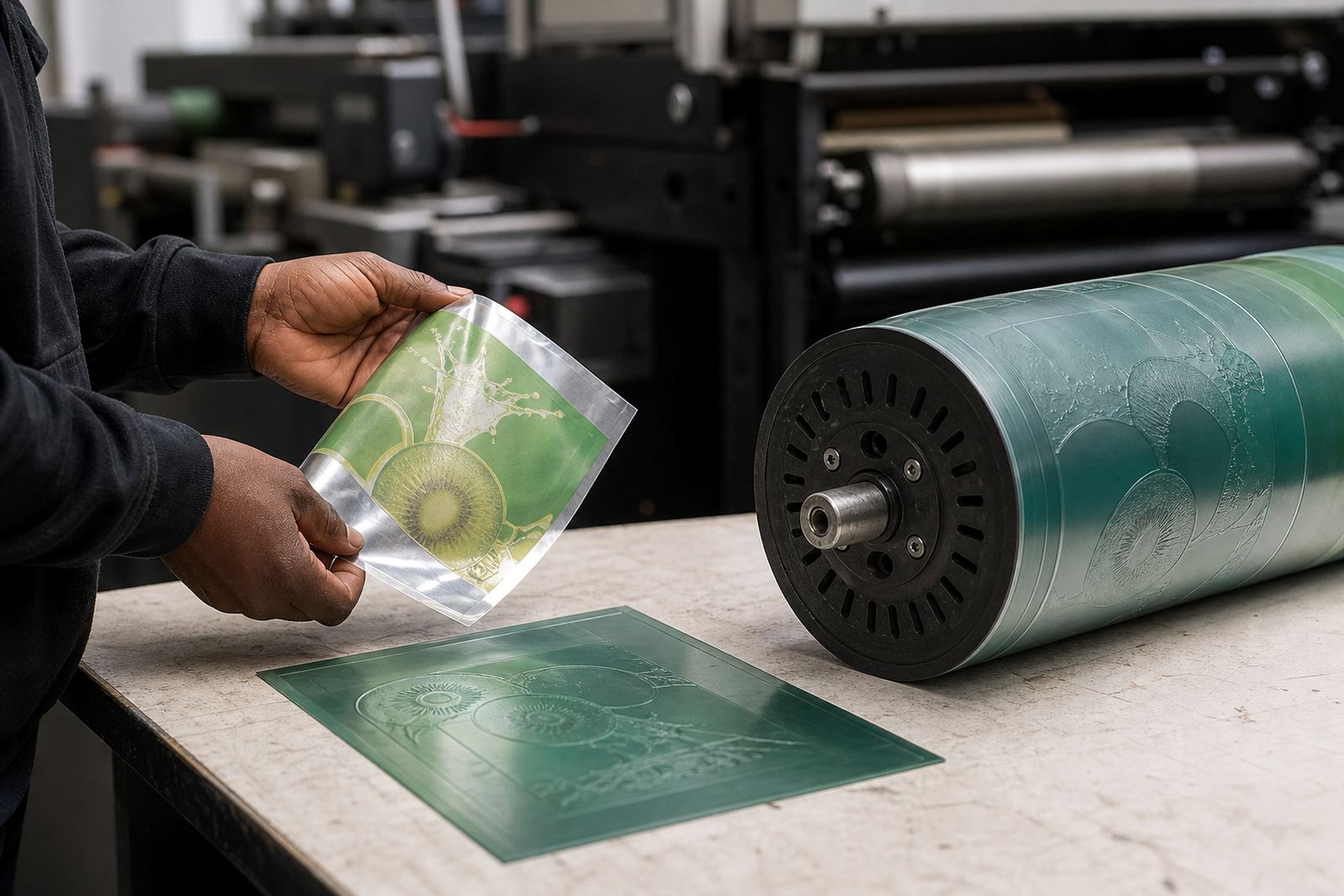
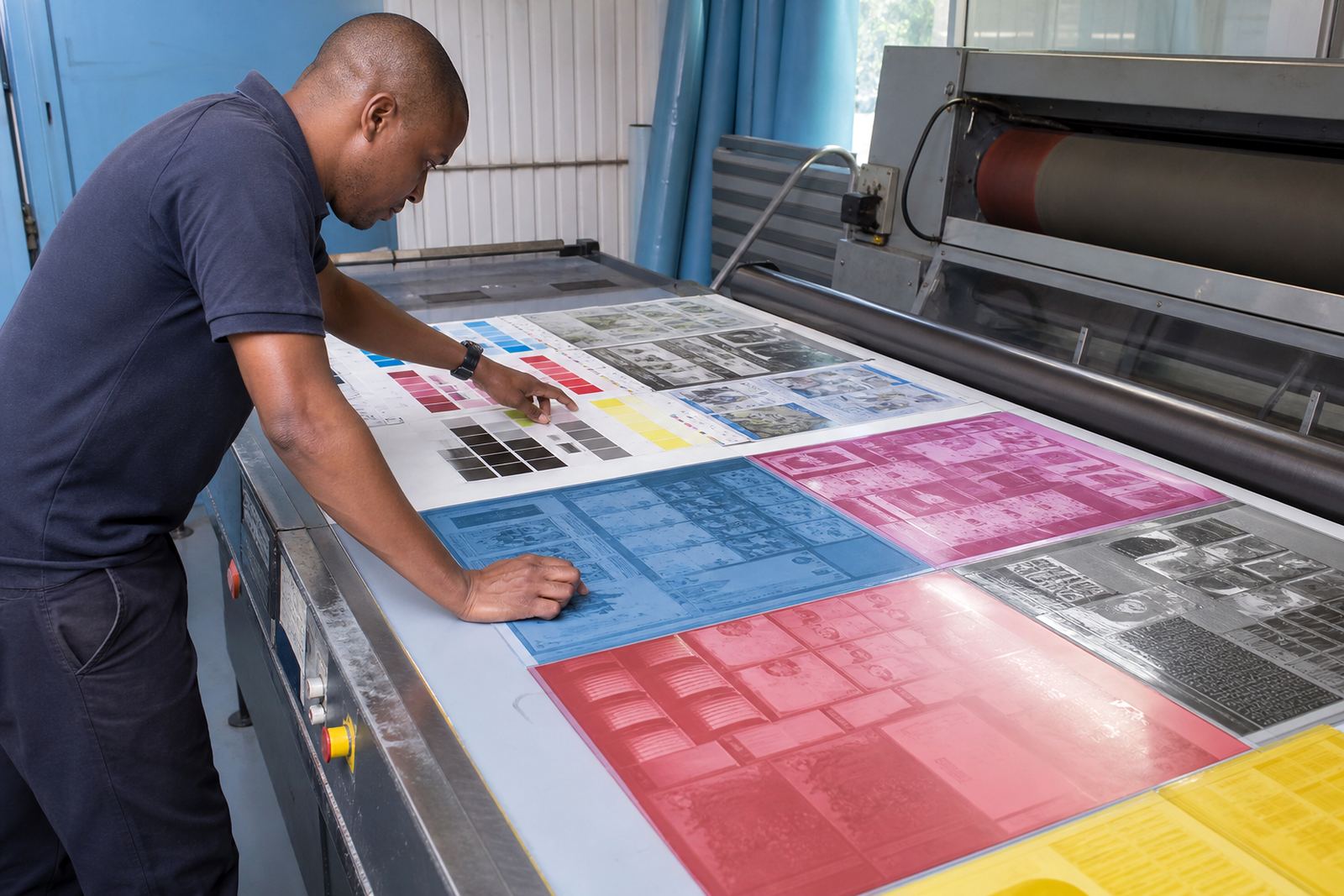
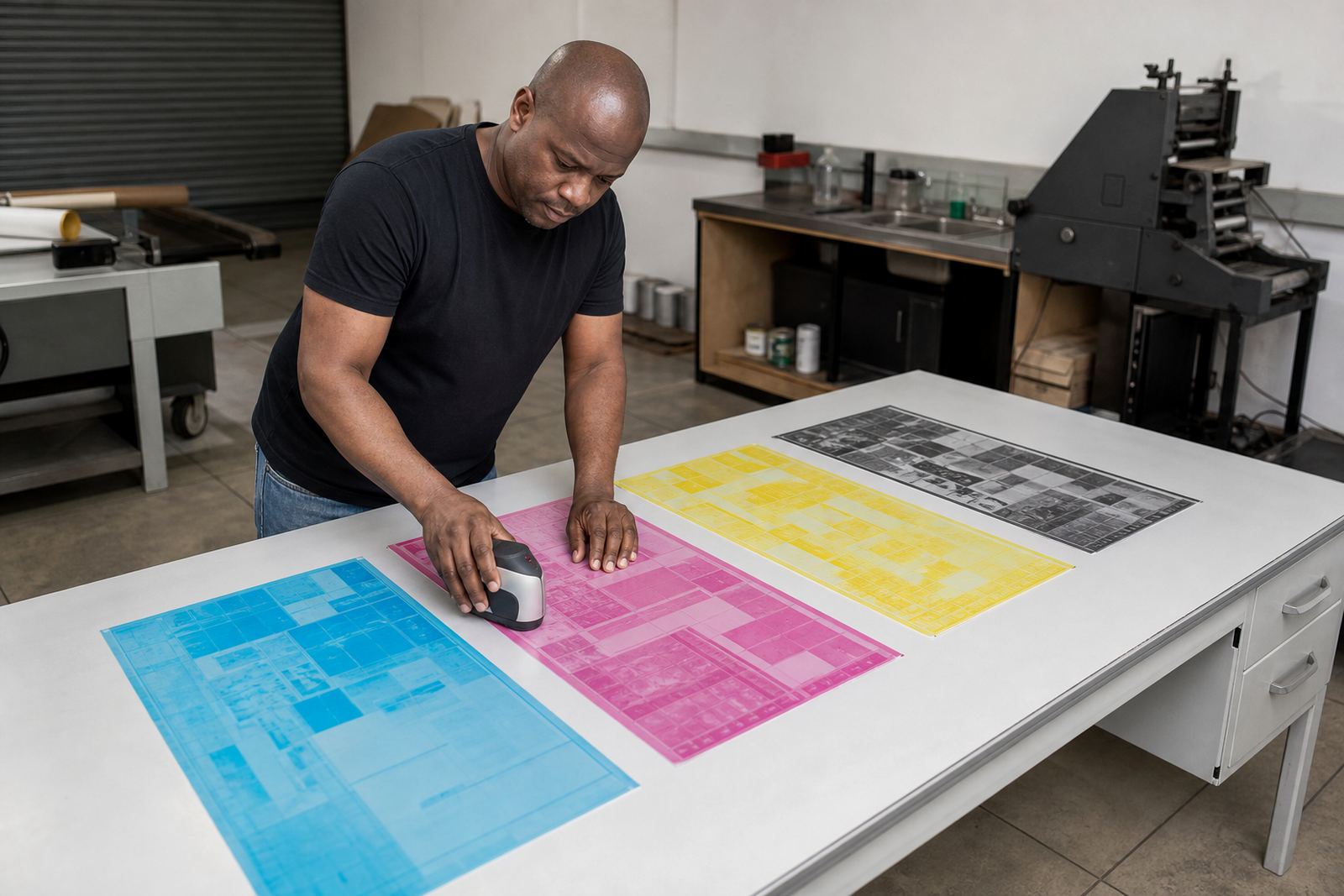
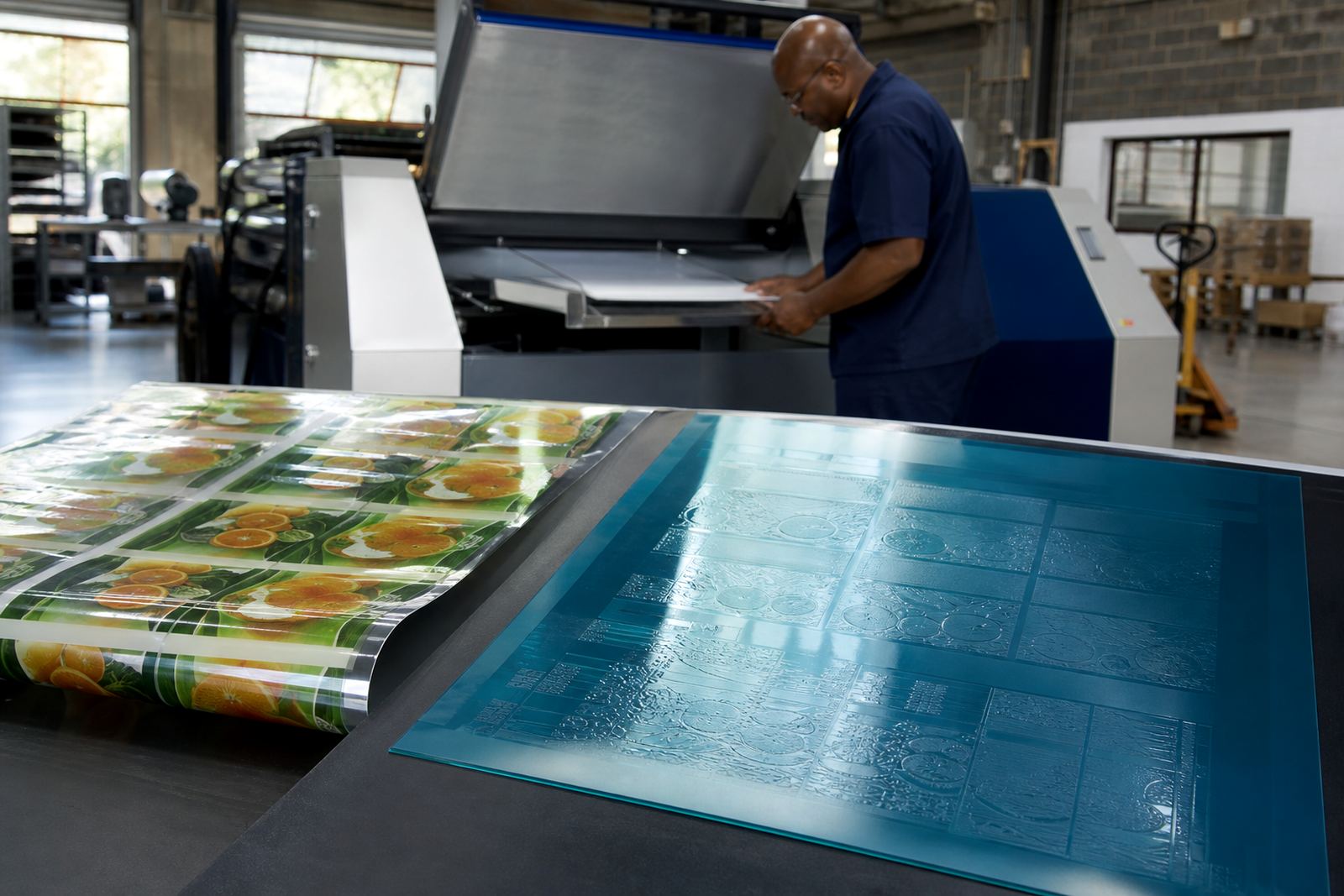
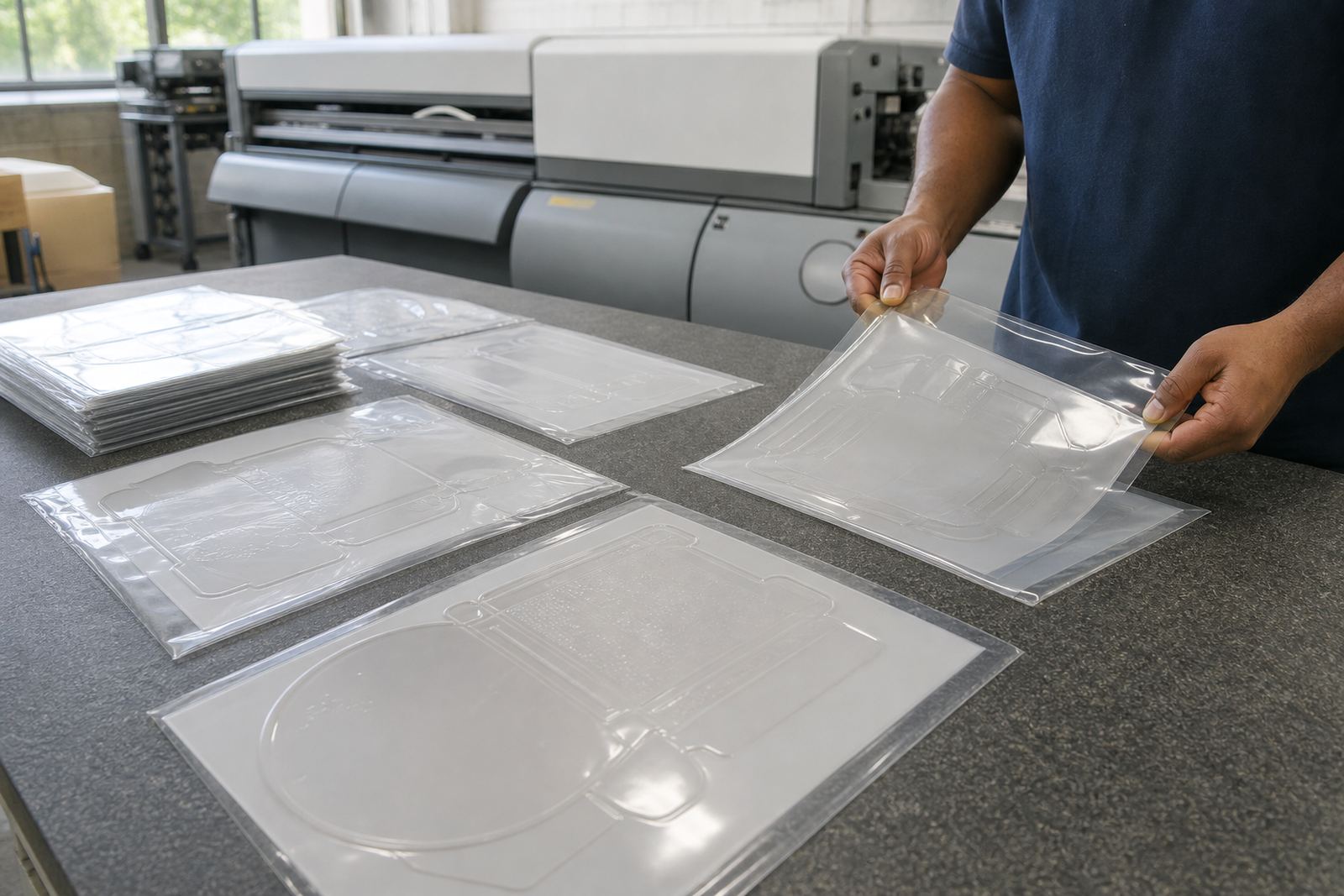
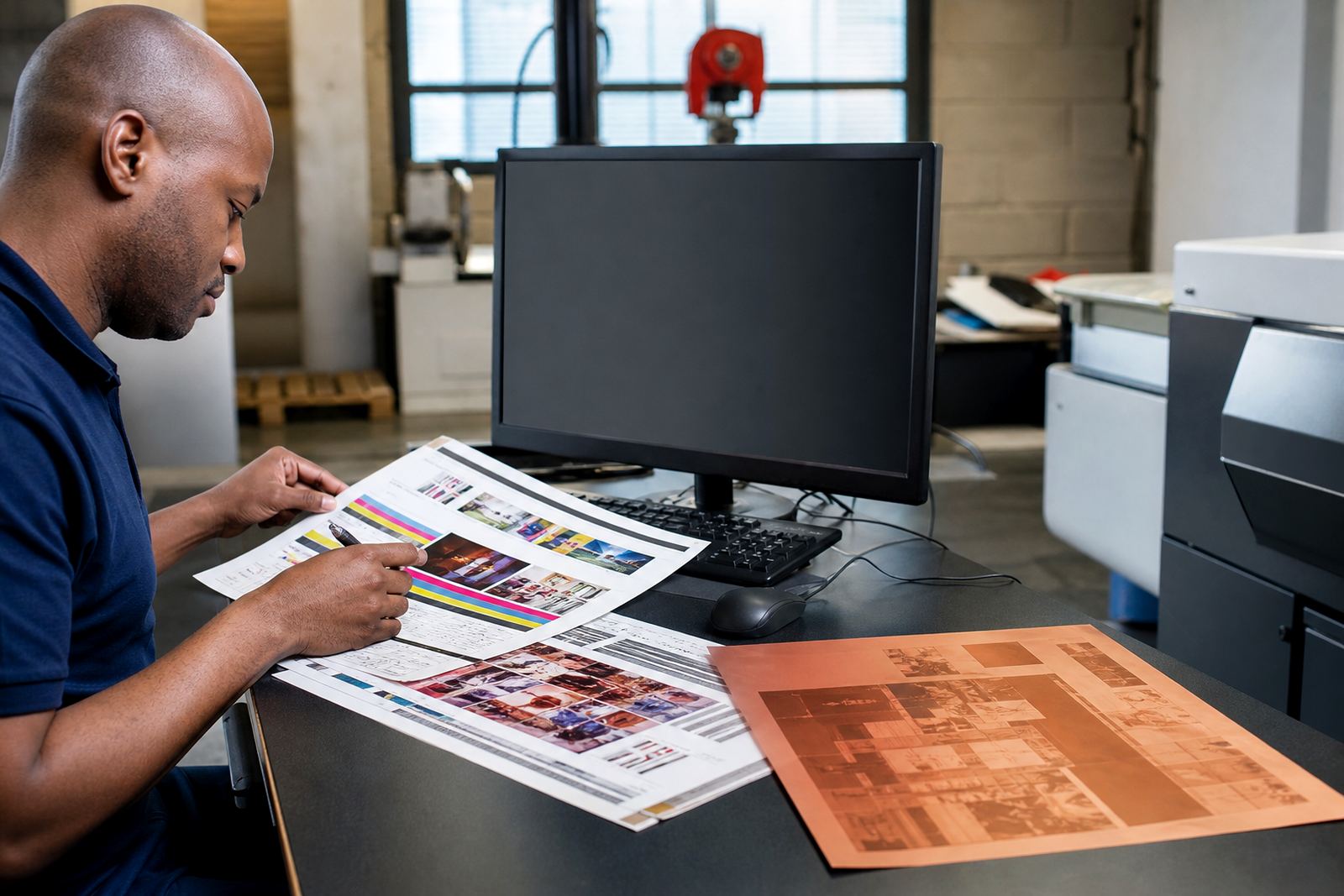
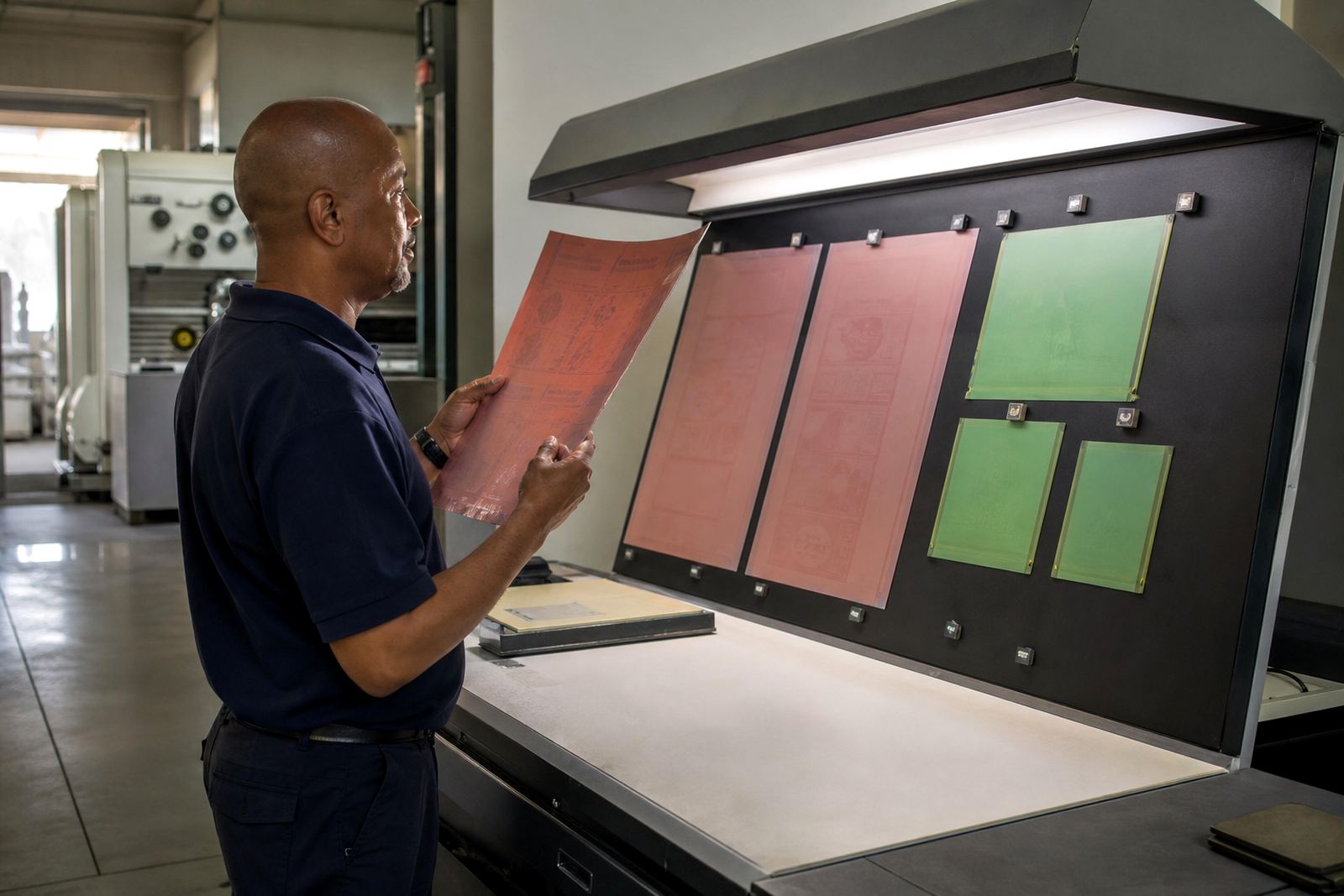
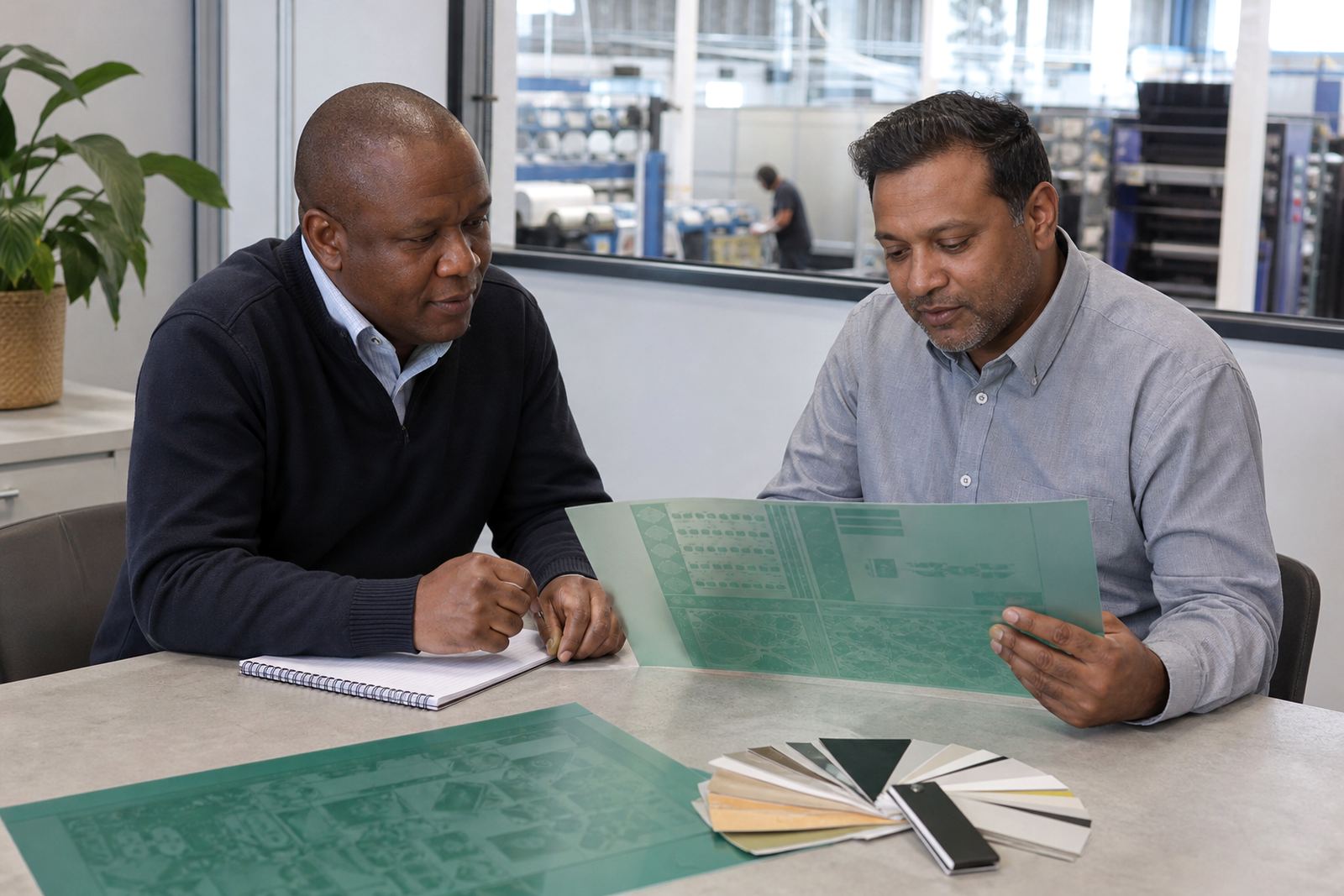
The journal shares practical flexo plate insights for printers, buyers and production teams. Topics stay focused on generic photopolymer plate-making, print preparation and common label and packaging challenges.

What Is A Flexo Plate

What Is A Flexo Plate

An overview of what a flexo photopolymer plate does in label and packaging printing.

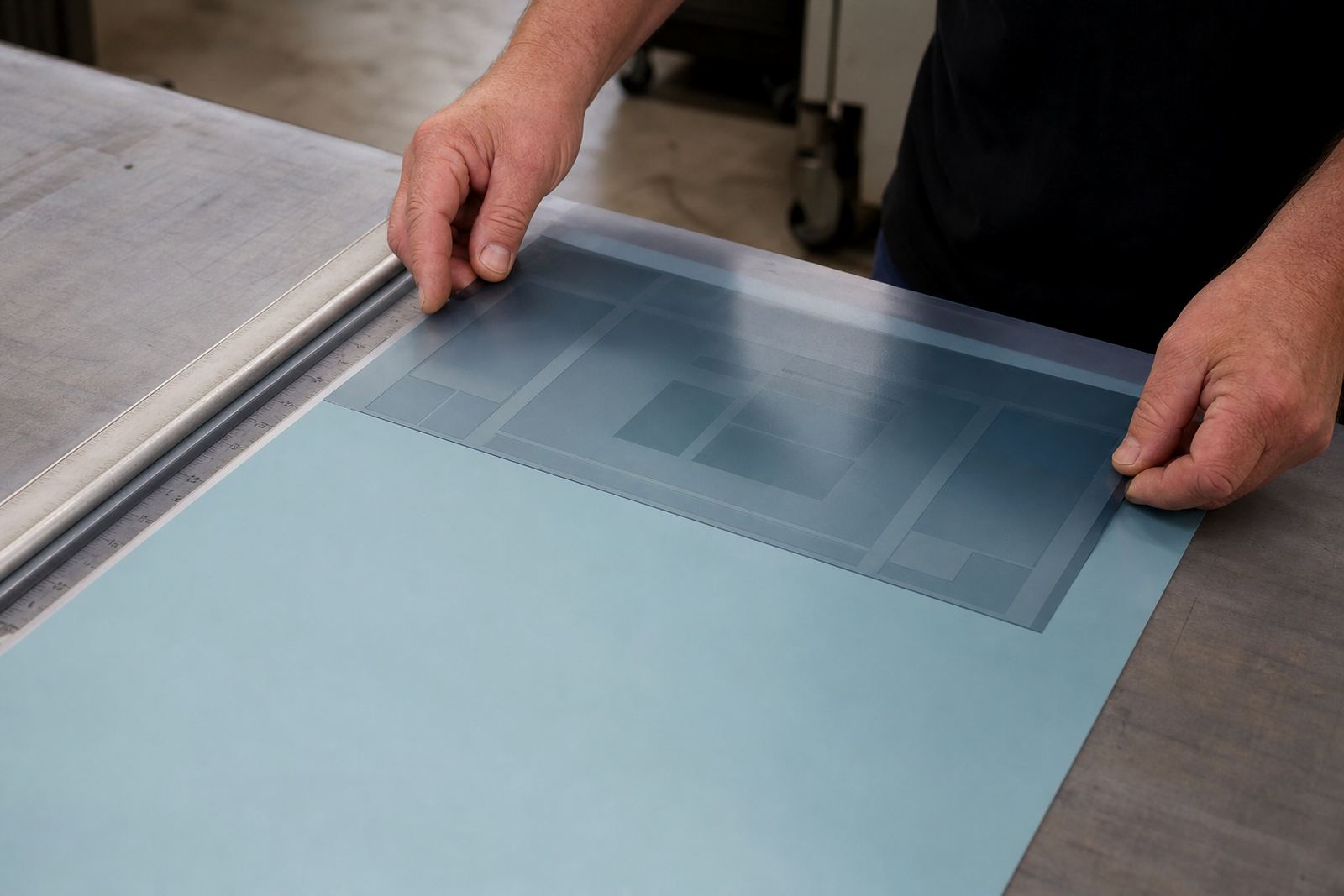
How Plate Making Works

How Plate Making Works

A generic look at the main stages involved in flexo photopolymer plate-making.

Plate Thickness Basics

Plate Thickness Basics

Why plate thickness matters when matching a plate to a print application.

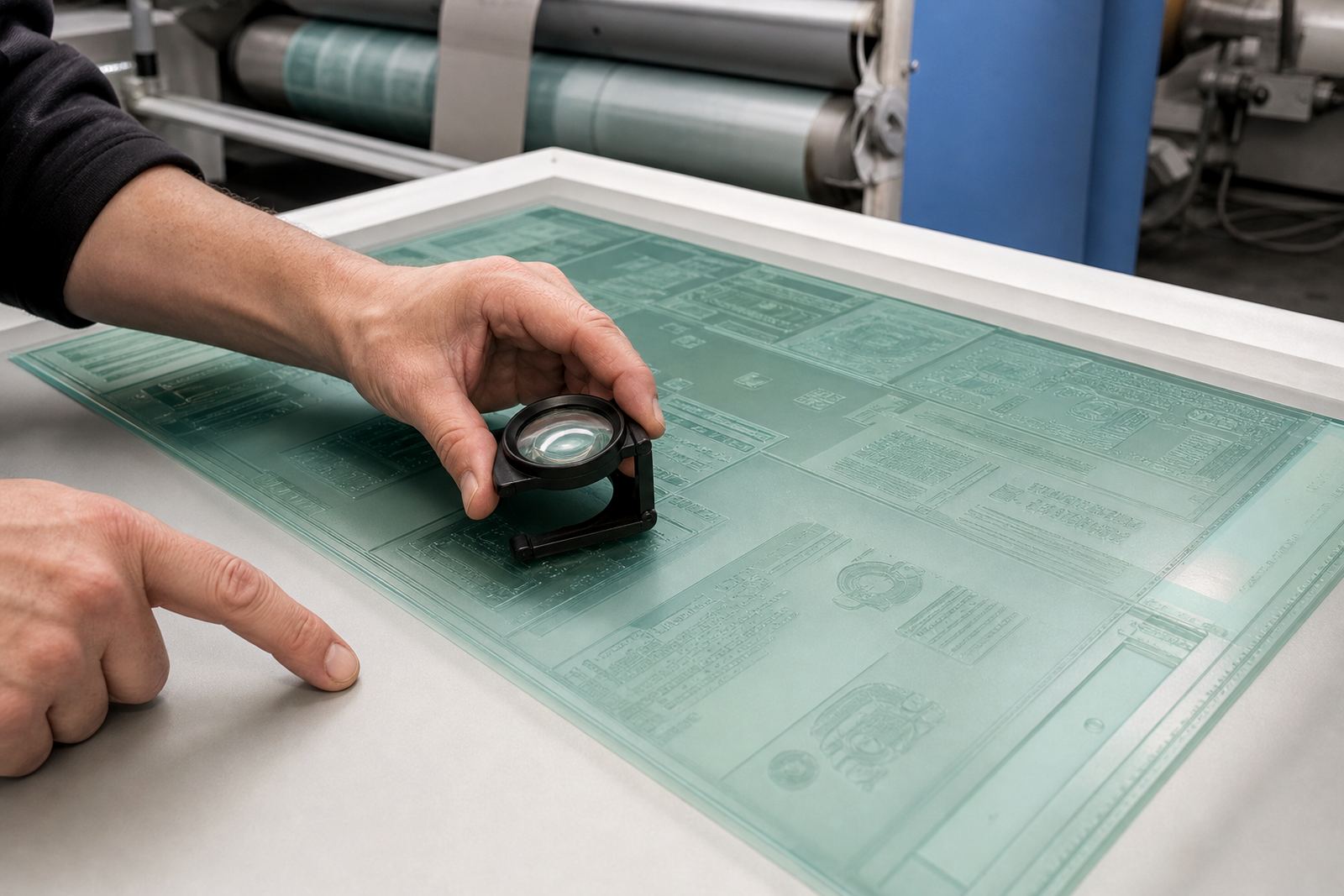
Fine Text On Plates

Fine Text On Plates

Key considerations when preparing fine text for photopolymer plate reproduction.

Barcode Print Considerations

Barcode Print Considerations

A practical article on preparing barcode areas for cleaner flexo plate output.

Solids And Screening

Solids And Screening

How solid areas and screened images create different demands in plate preparation.

Reverse Artwork Tips

Reverse Artwork Tips

Why mirrored files need careful review before a flexo plate is made.

Label Plate Planning

Label Plate Planning

Planning a flexo plate for labels starts with the design structure and repeat requirements.

Packaging Plate Planning

Packaging Plate Planning

Packaging jobs often require broader coordination of image zones, text and repeats.

Preparing Artwork Files

Preparing Artwork Files

Simple artwork preparation points that help plate-making run more smoothly.

Image Resolution Basics

Image Resolution Basics

How image resolution affects the quality of details reproduced on a plate.

Colour Separation Notes

Colour Separation Notes

A beginner-friendly look at process and spot colour separation in plate work.

Proofs Versus Plates

Proofs Versus Plates

Why proof review remains useful before final plate dispatch for production.

Repeat Length Explained

Repeat Length Explained

A practical explanation of repeat length in packaging and label plate layouts.

Small Run Plate Needs

Small Run Plate Needs

How shorter print runs can still benefit from careful plate preparation.

Large Run Plate Needs

Large Run Plate Needs

Considerations for plate durability and consistency on larger production jobs.

Plate Storage Basics

Plate Storage Basics

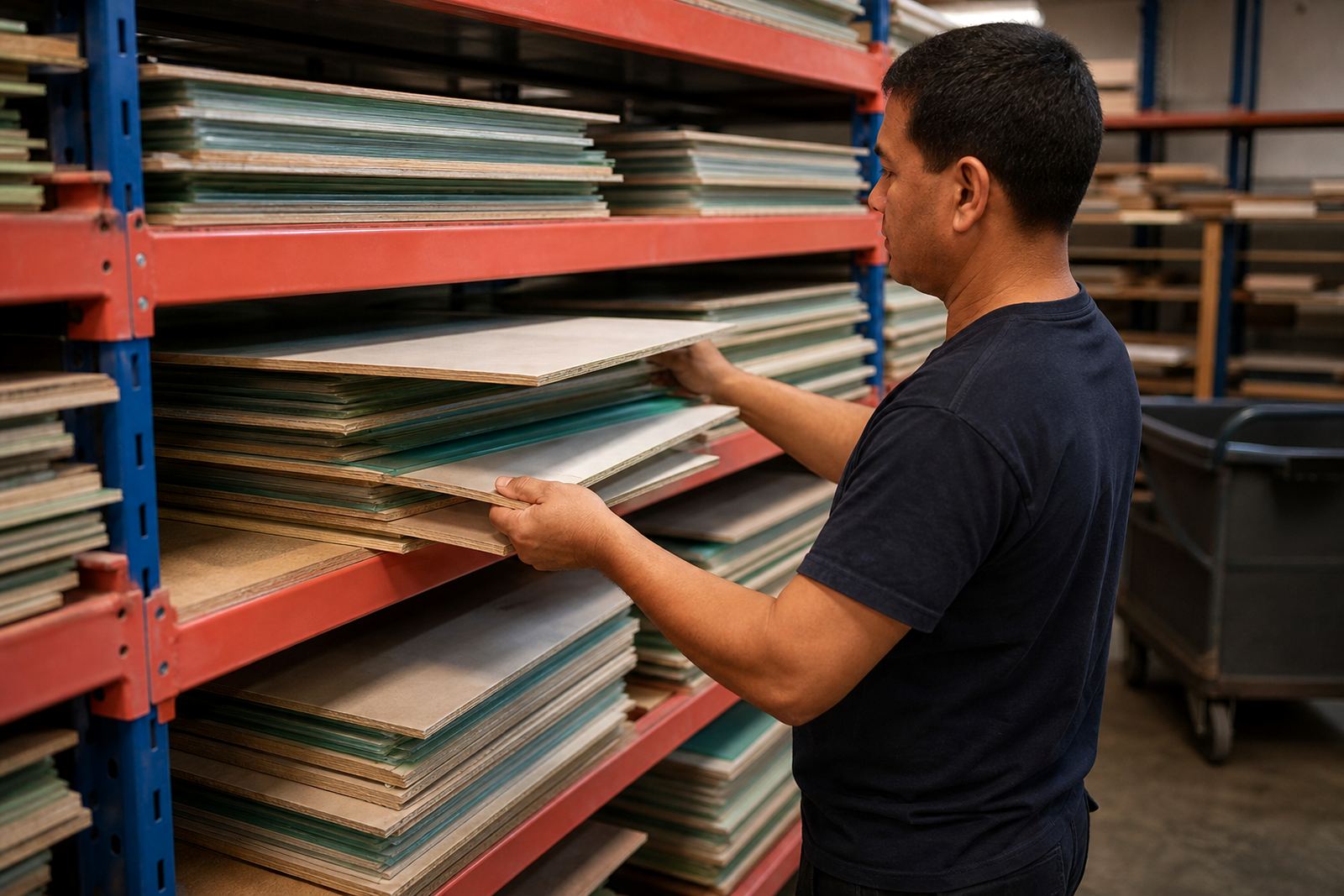
Basic storage habits can help keep used plates organised and easier to identify later.

Handling Plate Sheets

Handling Plate Sheets

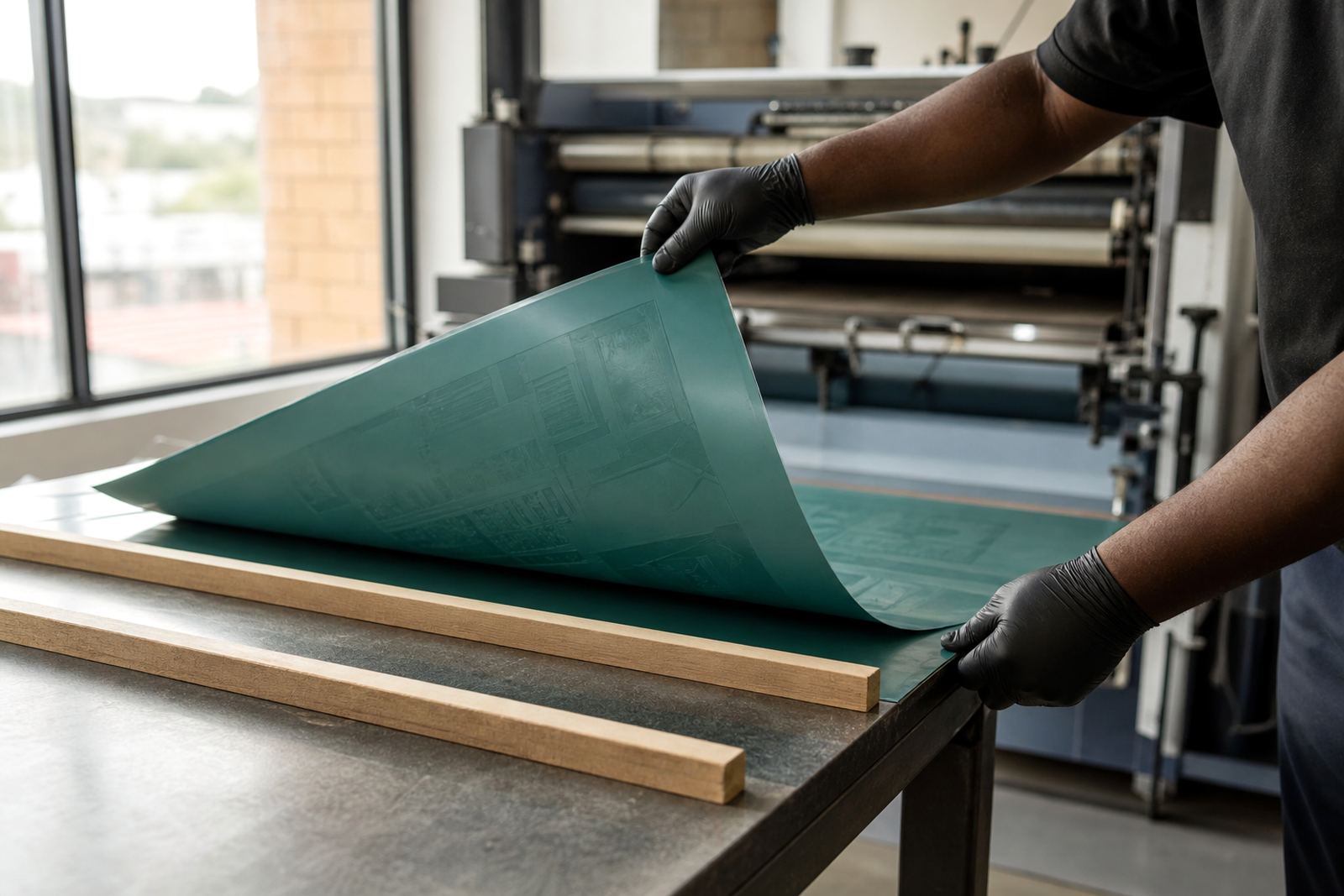
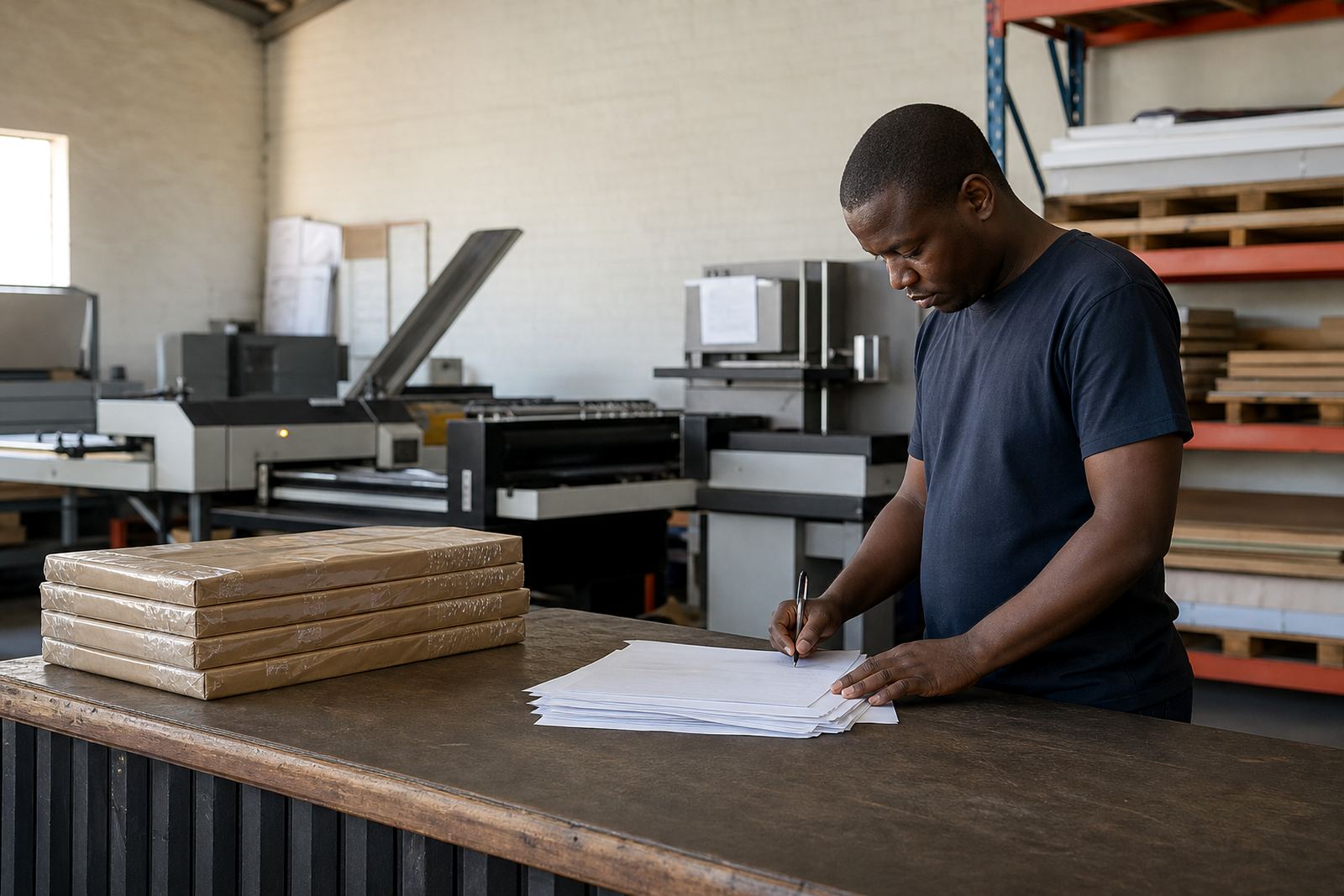
A short guide to handling plate sheets carefully during production and dispatch stages.

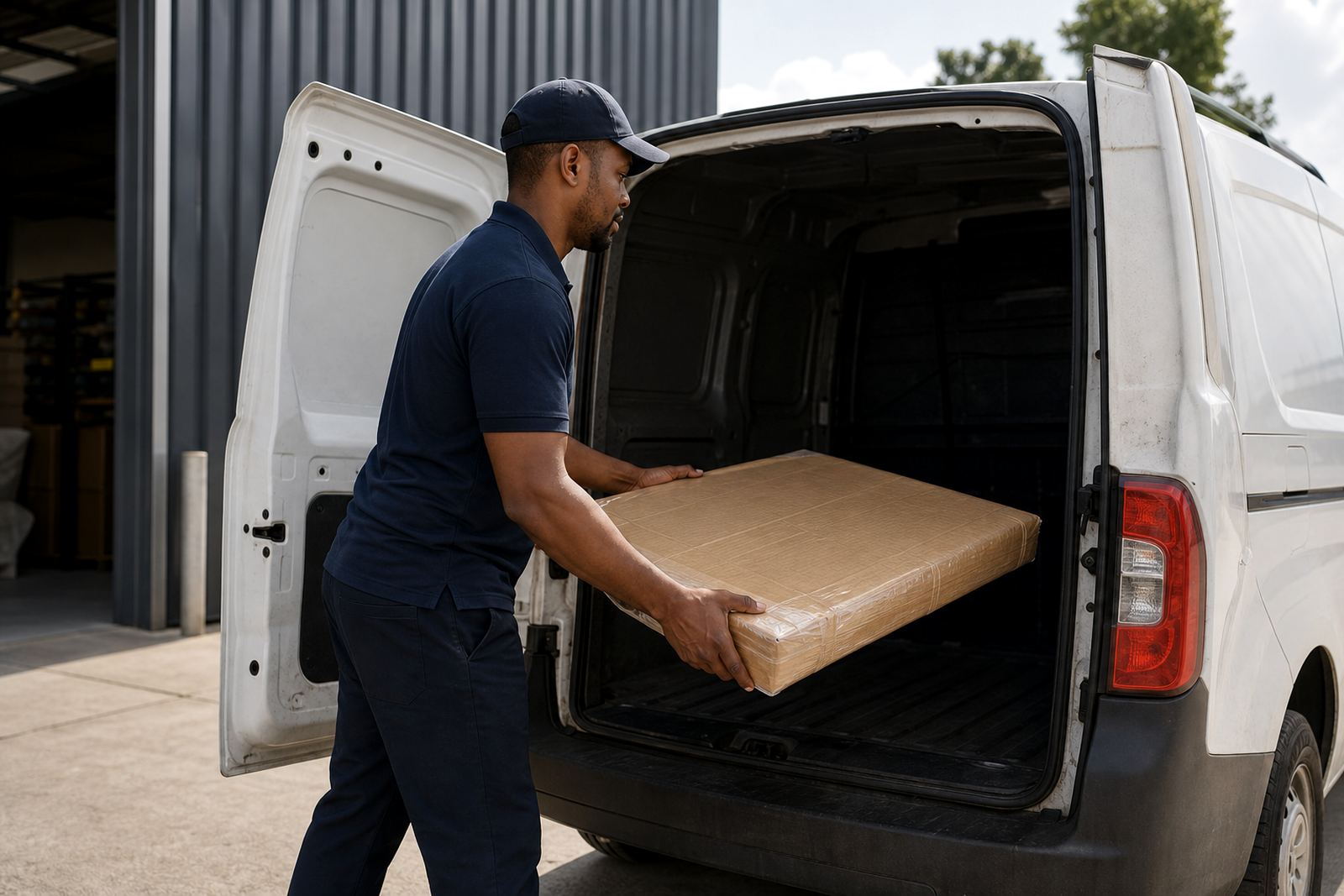
Courier Packing Plates

Courier Packing Plates

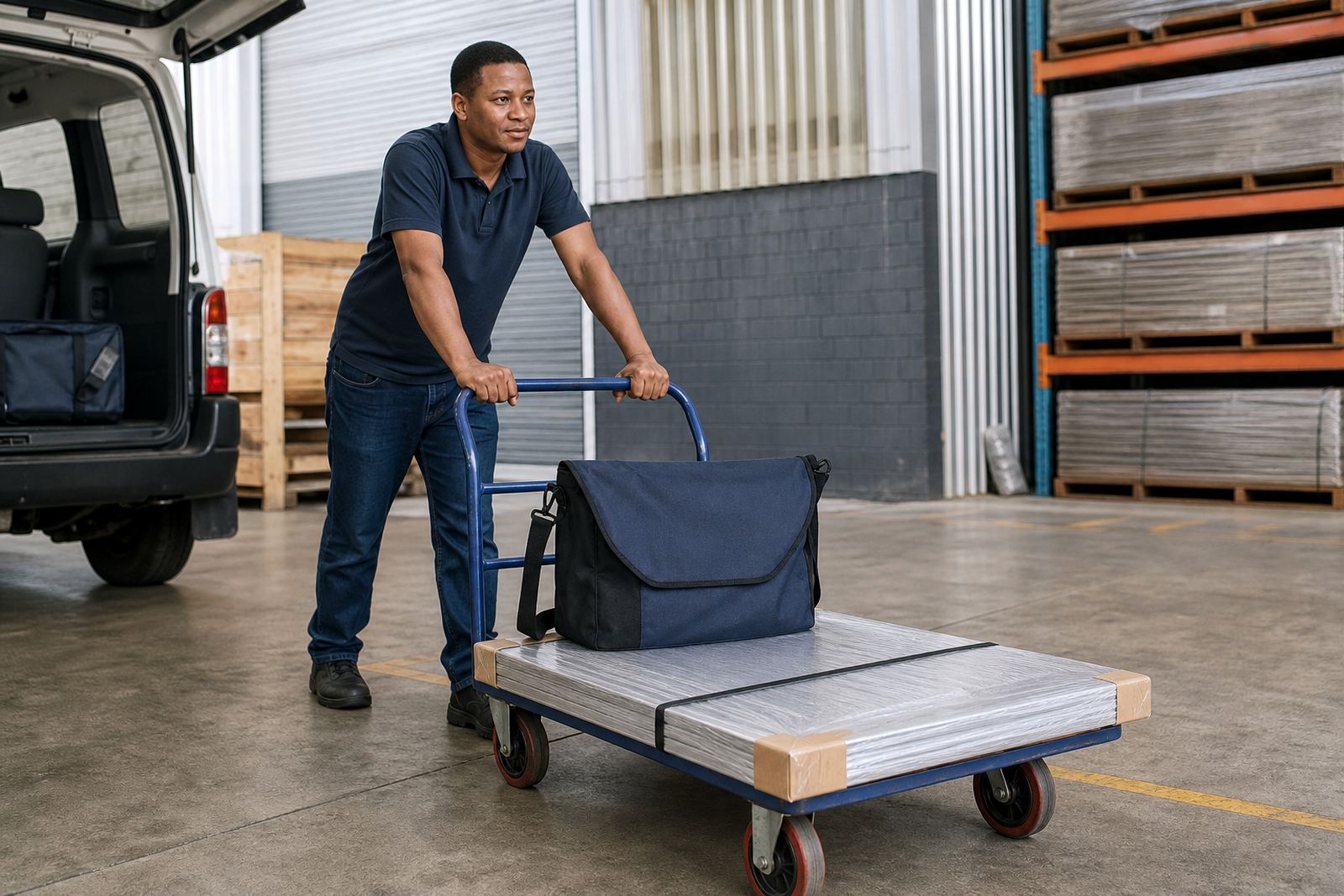
How plate packing supports safer courier movement across South Africa.

Midrand To Durban Delivery

Midrand To Durban Delivery

What customers should consider when ordering plates for courier delivery to Durban.

Midrand To Cape Town

Midrand To Cape Town

Planning plate orders for longer courier routes can support smoother production scheduling.

Midrand To Gqeberha

Midrand To Gqeberha

A practical article on ordering and receiving plates from Midrand to the Eastern Cape.

Label Text Legibility

Label Text Legibility

Legibility on labels begins with artwork choices and continues through plate preparation.

Ingredient Panel Layouts

Ingredient Panel Layouts

Dense information panels need disciplined layout choices to suit flexo plate reproduction.

Nutritional Table Layouts

Nutritional Table Layouts

Tables with many lines and figures benefit from careful artwork simplification before plate-making.

Warning Symbol Clarity

Warning Symbol Clarity

Strong symbol clarity on labels depends on sensible design and disciplined plate production.

Multi Up Layout Benefits

Multi Up Layout Benefits

When multiple repeats are needed, plate layout planning can improve production efficiency.

Single Up Layouts

Single Up Layouts

Single-up plates can simplify straightforward work where one image layout is enough.

Pouch Graphics Basics

Pouch Graphics Basics

Pouch packaging requires plate planning that respects larger graphics and functional zones.

Sachet Repeat Management

Sachet Repeat Management

Sachet jobs rely on accurate repeating layouts and practical spacing decisions.

Carton Graphics And Plates

Carton Graphics And Plates

Printed cartons often combine many elements that need a balanced plate approach.

Beverage Label Curves

Beverage Label Curves

Curved containers influence how label graphics are planned and reviewed before plate-making.

Shrink Sleeve Prep

Shrink Sleeve Prep

Artwork for shrink-style applications needs careful orientation and layout checks before imaging.

Spot Colour Jobs

Spot Colour Jobs

Spot colour packaging work often benefits from simpler separations and focused plate structures.

Process Colour Jobs

Process Colour Jobs

Process colour work places different demands on image handling and plate planning.

Clear Coating Plates

Clear Coating Plates

Varnish and coating layers still depend on accurate image boundaries in the plate stage.

White Ink Underlayers

White Ink Underlayers

White support layers in packaging artwork need thoughtful preparation before plate production.

Common Artwork Errors

Common Artwork Errors

A review of frequent file issues that can complicate flexo plate-making if missed early.

When To Remake Plates

When To Remake Plates

Some changes in artwork or job structure may make a fresh plate the practical choice.

Asking For Plate Advice

Asking For Plate Advice

Questions customers can ask when discussing a label or packaging job with a plate supplier.

Choosing Plate Supplier

Choosing Plate Supplier

A generic checklist for evaluating support, communication and fit when sourcing flexo plates.

What the Plate Journal Covers

This journal is for people who work with flexo every day and need clear, usable guidance. We focus on photopolymer plate-making, artwork preparation, proof checking and the small decisions that affect print quality on labels and packaging. If you are comparing plate options, planning a repeat job or trying to cut waste on press, the articles here are written to help with that work.

The range is broad, but it stays practical. Some notes are aimed at buyers who need to understand what affects cost and consistency. Others are for production teams checking files, mounting plates or managing reprints. The aim is to help readers choose the right approach for the job rather than making broad claims that do not hold up on press.

How to Choose the Right Article for Your Job

Not every flexo problem starts on press. A lot of trouble comes from file setup, screen choices, missing notes or changes that were not caught before platemaking. If you are looking for the most useful article, start with the stage where the issue began.

  • For file setup issues, look for artwork preflight and file checking topics.
  • For plate fit or image placement problems, check imposition planning and proof comparison notes.
  • For label wear or print consistency concerns, read about screening support and plate handling.
  • For repeat orders, remake support and plate labelling articles are usually the best fit.

That simple approach saves time and keeps the discussion practical. It also helps production teams and buyers speak the same language when a job needs attention. Some jobs seem straightforward untill the press starts running, so the right article can save a lot of back and forth.

Common Label and Packaging Challenges

Label and packaging work often has tighter tolerances than people expect. Small text, fine reverses, solid areas and barcodes can all be affected by artwork choices, plate thickness, mounting accuracy and how the job was prepared before output. In coastal areas, humidity can also affect storage and handling, while load-shedding can interrupt the flow between prepress, platemaking and dispatch.

Useful topics in this section often include:

  • How to reduce dot gain on fine detail
  • Why proof comparison matters before plate output
  • How to handle repeat jobs with small artwork changes
  • What to check when a label layout sits too close to the trim

These articles are not theory pieces. They are written around the issues that turn up on actual packaging and label jobs in South Africa, from short runs in Midrand to repeat work sent by courier to Durban, Cape Town or Gqeberha.

Plate Preparation Notes for Production Teams

Good plates begin with good checks. Before a job is sent for output, artwork should be reviewed for spelling, image resolution, trapped areas, overprints and missing marks. Imposition planning is just as important, especially when several repeat labels need to run on the same layout or when a packaging sheet must fit a specific press width.

The Journal often covers practical steps such as plate trimming, plate labelling and dispatch packing because these details affect the job after platemaking as much as during it. When work is moving between departments, small mistakes can cause delays, so a clear workflow helps. A clean file today usually means fewer corrections tommorrow.

  • Check trim lines and cutter marks before approval
  • Confirm job names and version control on every plate set
  • Compare proofs against final artwork, not memory
  • Allow for handling and storage conditions on site

Why Courier Delivery Matters Across South Africa

Many printers do not have time to collect plates in person, especially when jobs are moving between shifts or when a press line has only a narrow window for make-ready. That is why dispatch packing and collection coordination matter. Plates need to travel in a way that protects edges, keeps labels readable and reduces the chance of damage in transit.

From Midrand, courier delivery to Johannesburg, Pretoria, Durban, Cape Town, East Rand, West Rand and Gqeberha helps teams keep work moving. The right packing method also matters when deliveries cross long distances or arrive in humid conditions. Once plates reach the site, clear labelling and job notes make handover easier for production staff and reduce confusion at receiving.

Who Writes and Reviews the Journal

Our journal topics are shaped by the people handling work day to day. That includes Sibusiso Mthembu, Ayesha Naidoo, Pieter van Wyk, Lerato Molefe, Morne Jacobs and Zinhle Dlamini. Their experience covers job advice, prepress checks, plate mounting, client coordination and dispatch planning, so the articles stay grounded in practical flexo work rather than abstract wording.

If you are a printer, buyer or production manager, this is the place to follow new notes on plate-making, screening support, proof comparison and remake planning. The goal is simple: give you information that helps with the next job, not just general reading.

  • Technical notes for day-to-day production decisions
  • Updates on plate handling, packing and delivery workflows
  • Advice for repeat work, urgent jobs and file changes

Questions we get asked

What kind of topics appear in the Plate Journal?

The journal covers practical flexo plate topics such as artwork preflight, file checking, imposition planning, screening support, proof comparison, plate trimming and remake support.

Is the journal useful for both buyers and production teams?

Yes. It is written for people who order plates, prepare files, check proofs and run jobs on press, so the articles speak to both commercial and production concerns.

Do the articles focus on a specific type of print work?

The focus stays on generic photopolymer plate-making for label and packaging printers, with notes that are useful for common South African production conditions.

Planning something? Send the team a message.

Contact form