
Why Durban jobs need tighter plate planning
Durban printers often work under tight schedules, with deliveries moving between the inland industrial areas and coastal sites that can be affected by humidity, traffic and municipal access rules. When plates leave Midrand, the aim is simple: they must arrive flat, clearly marked and ready for mounting without last minute corrections.
For label and packaging work, even a small error in size or labelling can slow down press setup. That is why plate-making is best handled with a proper check on the artwork, the final press layout and the delivery details before anything is sent out. It saves time at the receiving end and helps avoid waste on press.
- Confirm the exact delivery suburb and receiving hours
- Check whether the site accepts same-day courier drops or only booked collections
- Make sure the job name on the parcel matches the production notes
What to check before the plates leave Midrand
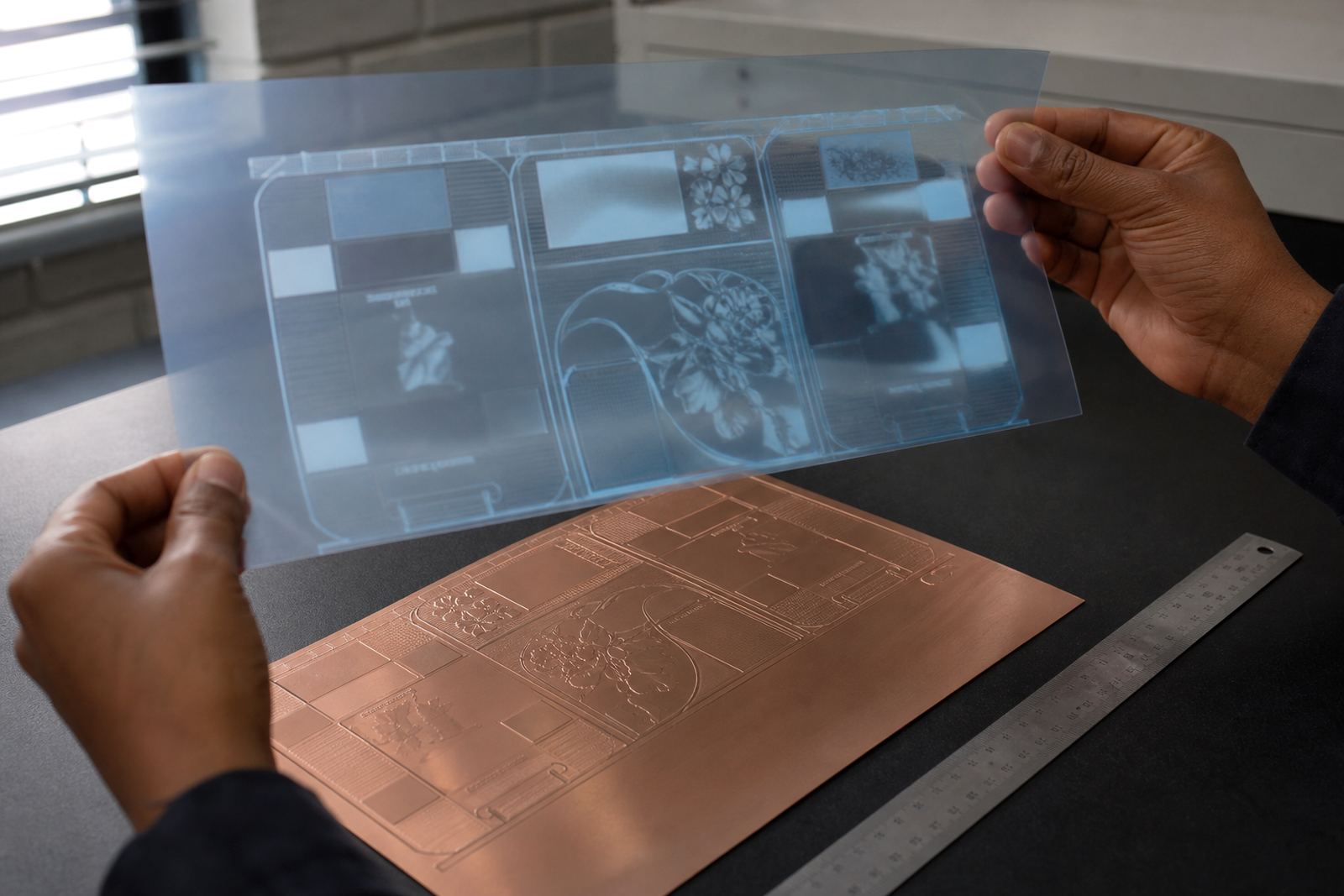
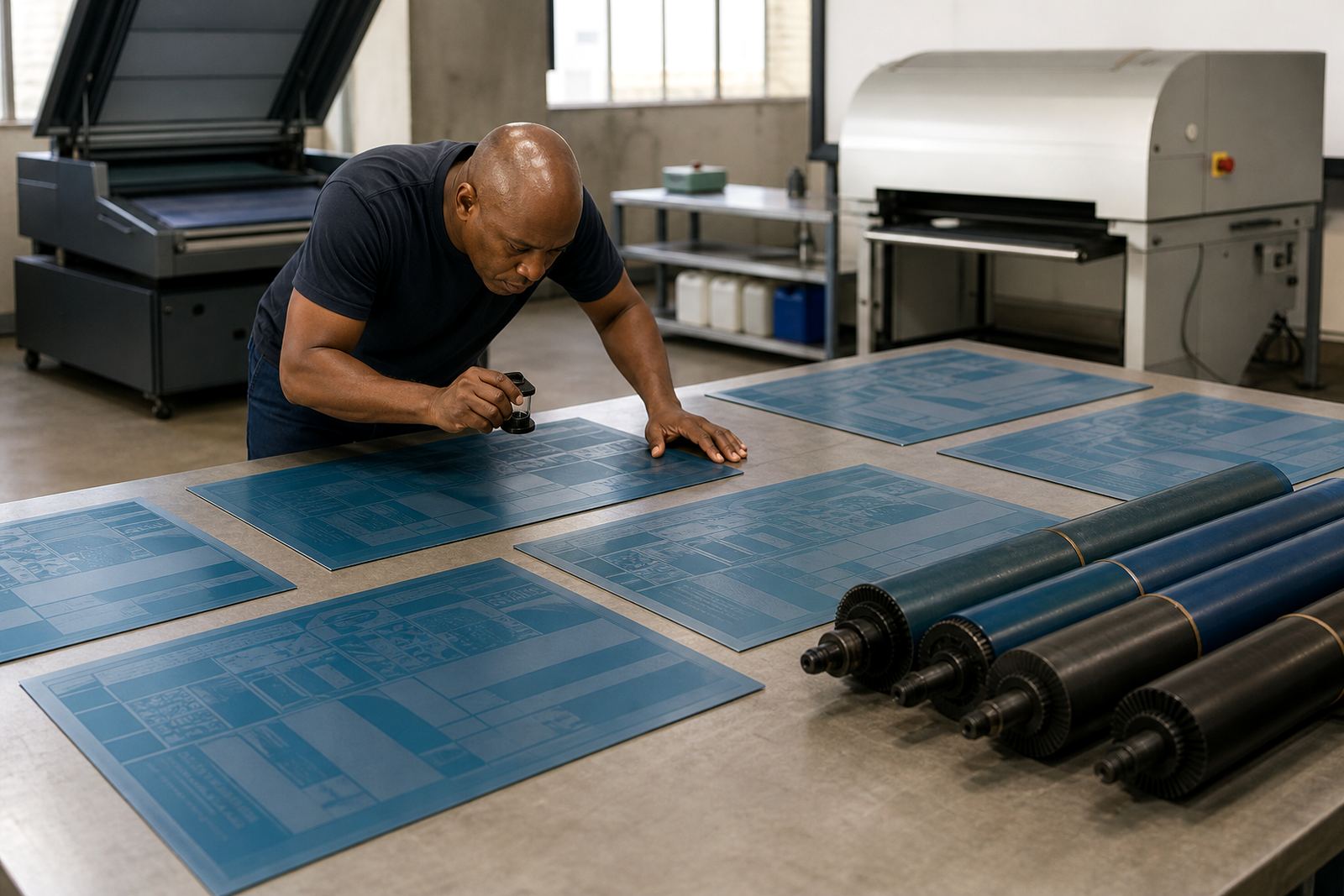
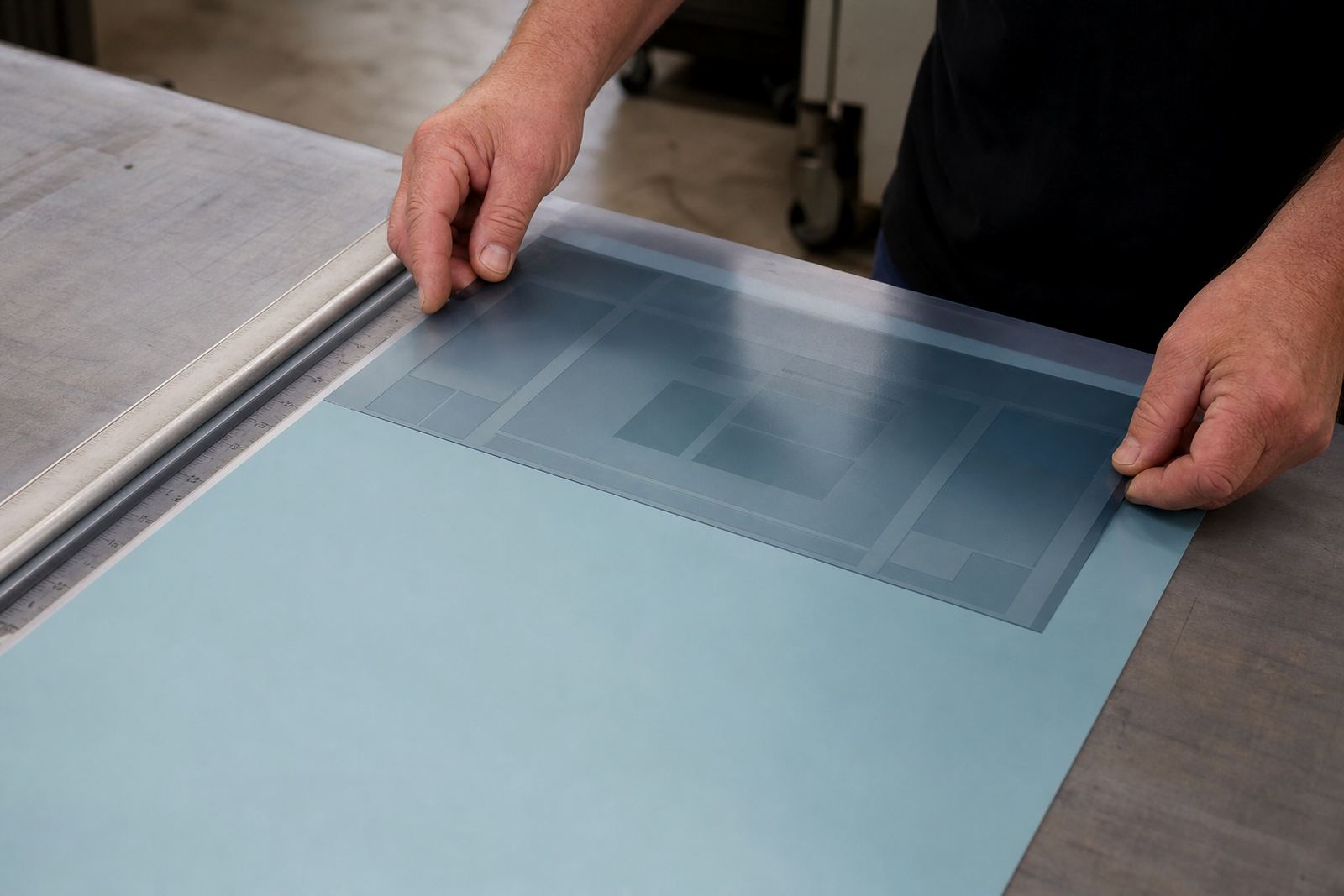
Before plates are trimmed and packed, the artwork should be checked for font issues, image traps, bleed, panel positions and the final repeat length. A missed detail in prepress can show up only when the press is already set, which costs more to fix than to catch early. Our team handles artwork preflight, file checking and imposition planning so the job leaves Midrand with fewer surprises.
It also helps to confirm the substrate and ink system being used in Durban. A plate made for a narrow carton job may not behave the same as one set up for film or coated label stock, so the job notes must be clear. If the printer is making repeat orders, keep the previous approved spec close by and compare it before the new run is released.
- Supply the final approved file, not a working draft
- Keep plate thickness and mounting details consistent with the press setup
- State if the job is for labels, cartons or a mixed packagin run
- Ask for proof comparison if the repeat order is meant to match an earlier job
How coastal weather affects plate handling
Durban’s humidity can affect how plates are stored once they arrive, especially if they sit in a warm loading bay or near open doors. Photopolymer plates need sensible handling on arrival, with flat storage and protection from direct sun. If they are left in a vehicle for too long, heat and moisture can make mounting more awkward.
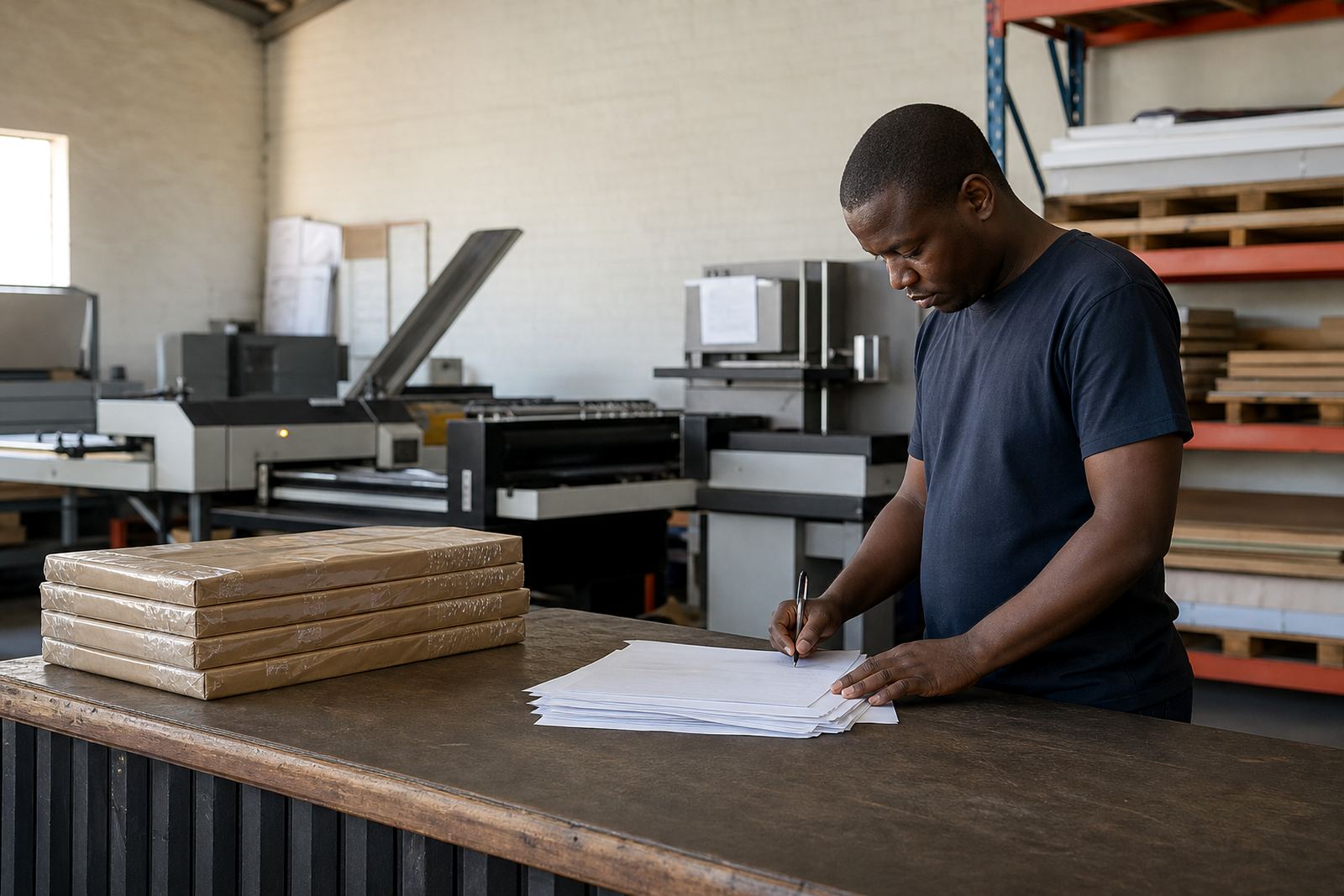
For this reason, dispatch packing matters just as much as plate making. Plates should be trimmed, labelled and packed so the courier can move them without bending edges or scuffing the face. A clean parcel is easier to receive, easier to check and quicker to put into production.
- Store plates flat in a cool dry area on receipt
- Keep them away from direct sunlight and wet floors
- Open the parcel as soon as it arrives so any issue can be reported promptly
Courier delivery to Durban: what businesses should confirm
Courier work from Midrand to Durban usually runs smoothly when the collection and delivery points are confirmed in advance. That includes the contact person, the loading bay access, any security requirements and whether the parcel needs a signature on arrival. These details sound minor, but they are often what decides whether a parcel arrives on time or sits in a depot overnight.
At Flexo Printer Plates, we handle dispatch packing and collection coordination so the handover is organised before the courier arrives. Zinhle Dlamini coordinates logistics, while Lerato Molefe keeps the client side of the job clear and updated. That is useful when a printer in Durban needs plates for a press booking the next morning.
- Provide the full delivery address and nearest landmark
- Share any site rules for loading, security or after-hours access
- Make sure the receiving team knows the parcel is coming
- Keep backup contact details for the delivery point
A practical Durban example from a repeat label job
Consider a label printer in Durban North needing a repeat run after a last minute customer change. The artwork is updated, the plate size is confirmed and the job is checked before release. Pieter van Wyk reviews the file, Ayesha Naidoo oversees production and Morne Jacobs handles mounting and trimming so the plates leave Midrand in the right order for press use.
Because the plates are labelled by position and packed separately, the printer can move straight into make-ready on arrival. That avoids the common problem of unpacking several similar plates and trying to match them on site. For a busy print floor, that kind of organisation is often the difference between a smooth start and an extra hour of sorting.
When to ask for technical job advice
Not every plate job is straightforward. If the Durban printer is changing an old spec, switching substrate or dealing with a difficult repeat, it is worth asking for technical job advice before production starts. Sibusiso Mthembu, the Managing Director, leads a team that works daily on flexo plate jobs for label and packaging printers, so the advice is based on practical press work rather than guesswork.
We also support remake jobs where the previous plate needs replacing due to wear, damage or a file update. In those cases, the goal is to get the new plates aligned with the existing print standard and dispatched without delay. A short conversation before release can prevent a bigger problem later at the press.
For Durban customers, the main thing to remember is that courier delivery is only one part of the job. Good results start with clean files, clear notes and sensible packing. If those pieces are in place, plates can travel well from Midrand and arrive ready for use on the Durban side.