Why mirrored artwork can still be wrong
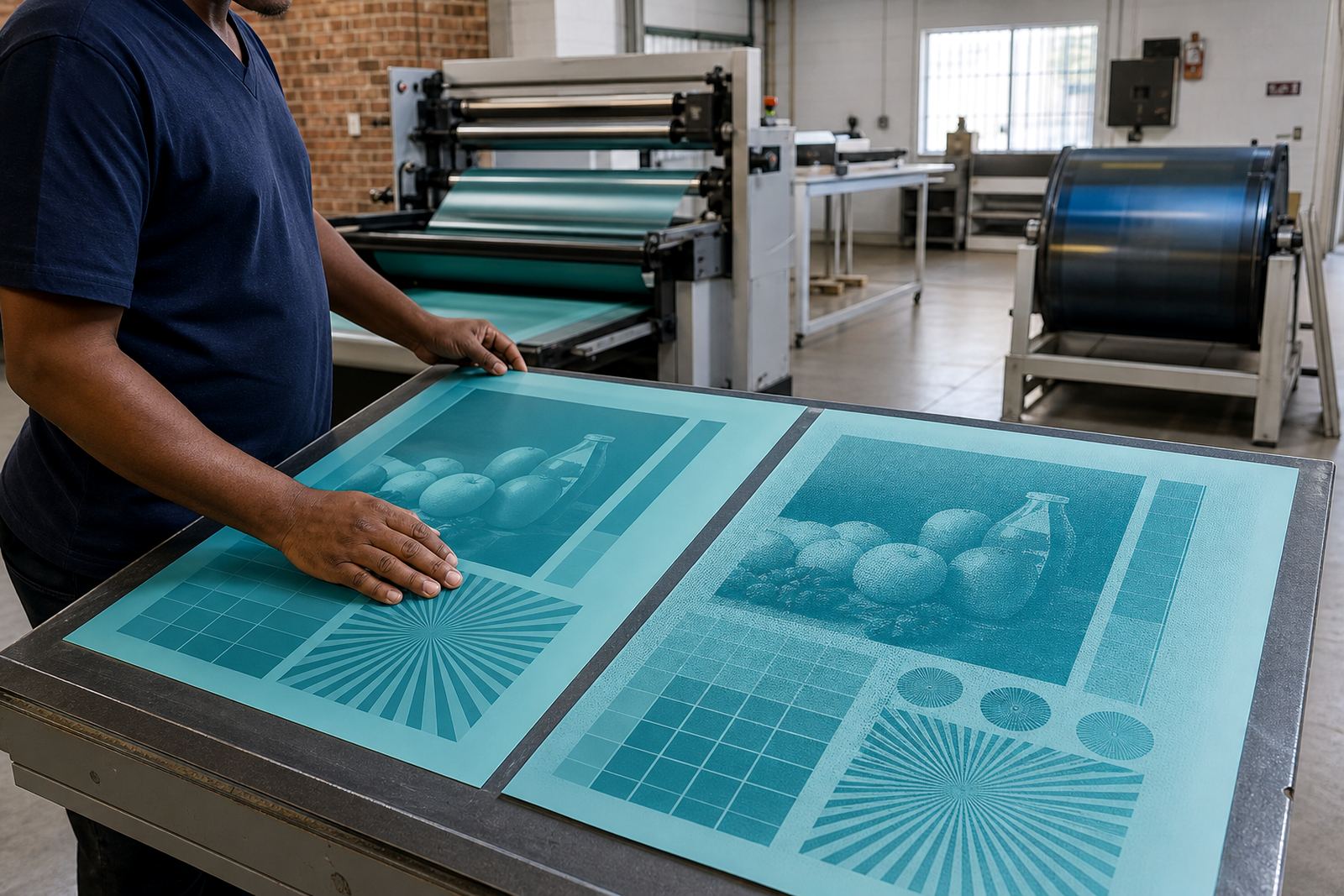
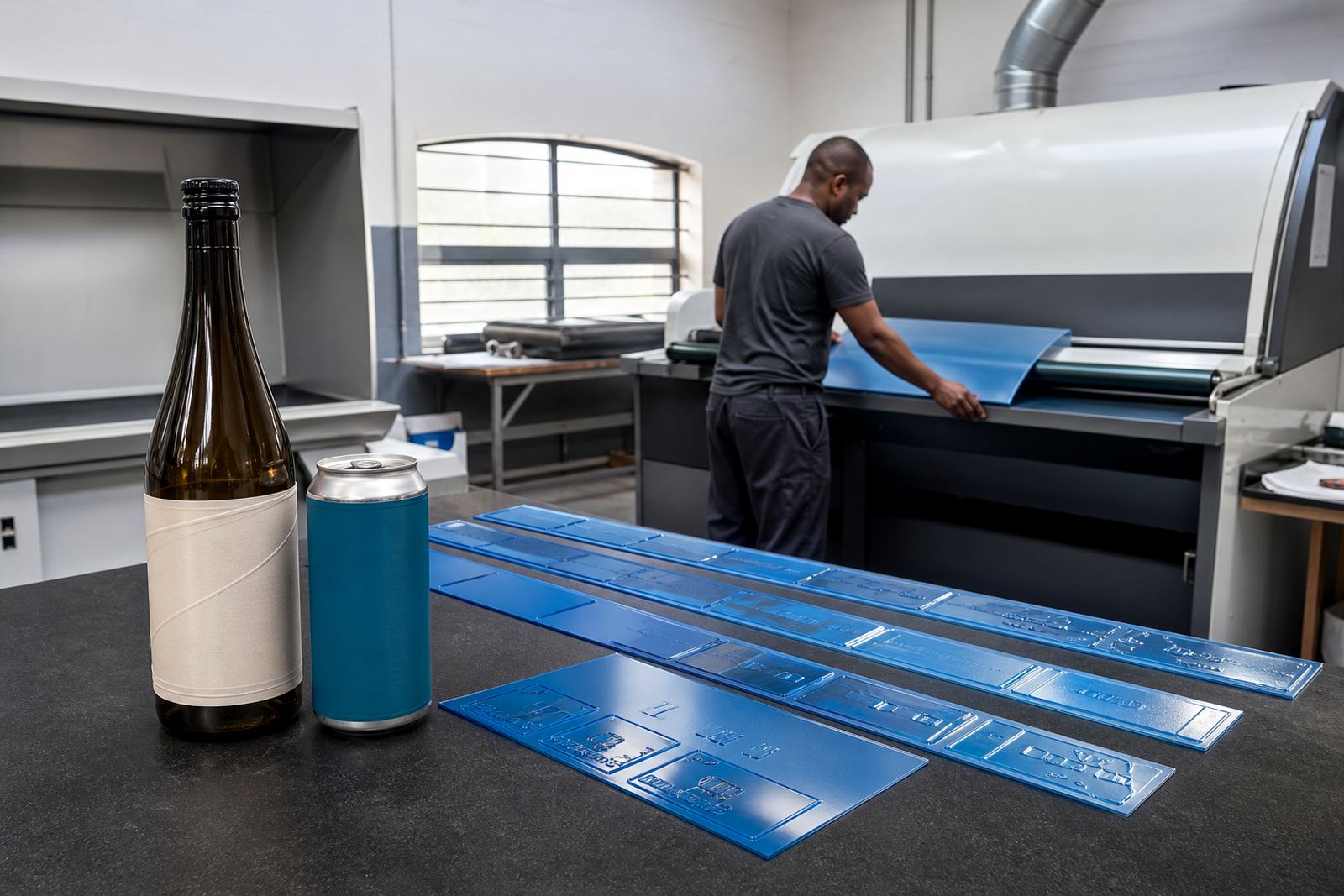
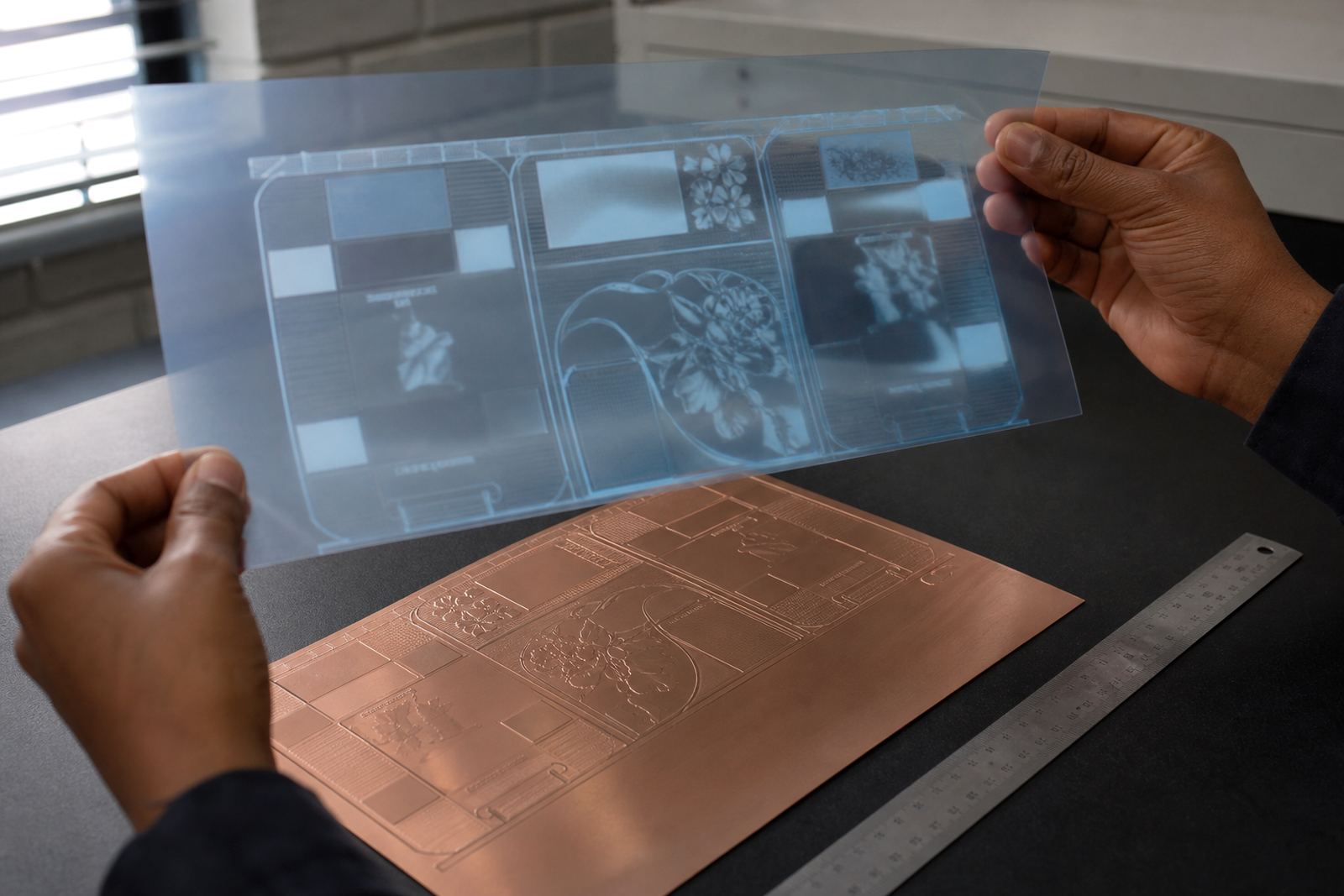
When artwork is reversed for flexo, the main risk is assuming a flipped file is automatically ready for plate-making. A mirror image can still carry the wrong reading direction for text, barcodes, legal copy or repeat panels, and once it reaches plate stage those errors become expensive to correct. In label and packaging work, a small issue in the artwork can show up across a full run.
In practice, reverse files need to be checked line by line. The image may look fine on a monitor, but the job still has to print in the correct orientation on the substrate, with the right impression and registration. If a carton or label face is designed for a specific press direction, the file must match that setup before any plate is produced. That is why preflight matters as much as the plate itself.
Check reading direction before anything is made
One of the most common problems in mirrored artwork is text that reads backwards in the file but should appear normal on the print. This sounds obvious, yet it catches out rushed jobs where the artwork has been flipped at the last minute. The same applies to warning panels, batch fields, ingredient blocks and other required copy.
- Confirm which side will print face up or face down
- Check if the job reads from the operator side or the customer side
- Review all text blocks, not only the main title
- Make sure barcodes, QR codes and symbols are still scannable after output
At our Midrand base, we often see jobs where the creative team has mirrored the whole layout but missed one panel that needs to stay in standard reading order. A careful file check saves time and avoids a remake. It also helps when the job is going by courier to Johannesburg, Durban or Cape Town and there is not enough room for a last-minute correction.
Reverse files need proper line and trap control
Flexo printing is unforgiving when fine details are too light or too close together. Once a mirrored file is prepared for plate-making, the line work, knockouts and trap areas must be reviewed for plate spread, substrate movement and press conditions. This is especially important on labels with small type or packaging that wraps around a corner.
Thin reversed strokes can disappear on press, while poorly trapped colours can leave gaps or halos. In humid coastal areas such as Gqeberha and Durban, board and film can behave differently from job to job, so the artwork should allow for normal press movement. On rougher materials, what looks acceptable on screen may need a slightly stronger build in the file. That does not mean overdoing it, just setting the file up to print cleanly.
- Review minimum line weight for the print method being used
- Check overprints and knockouts on reversed text
- Allow trap where colours meet on small copy
- Watch reverse fine details in screens and tints
Label jobs have extra rules around codes and copy
Label printers deal with more than general artwork. There may be variable data windows, regulatory text, batching areas and machine readable codes that all need to land in the right place. If the artwork is mirrored too early or too late in the workflow, the code area may shift or the text may no longer fit the approved panel.
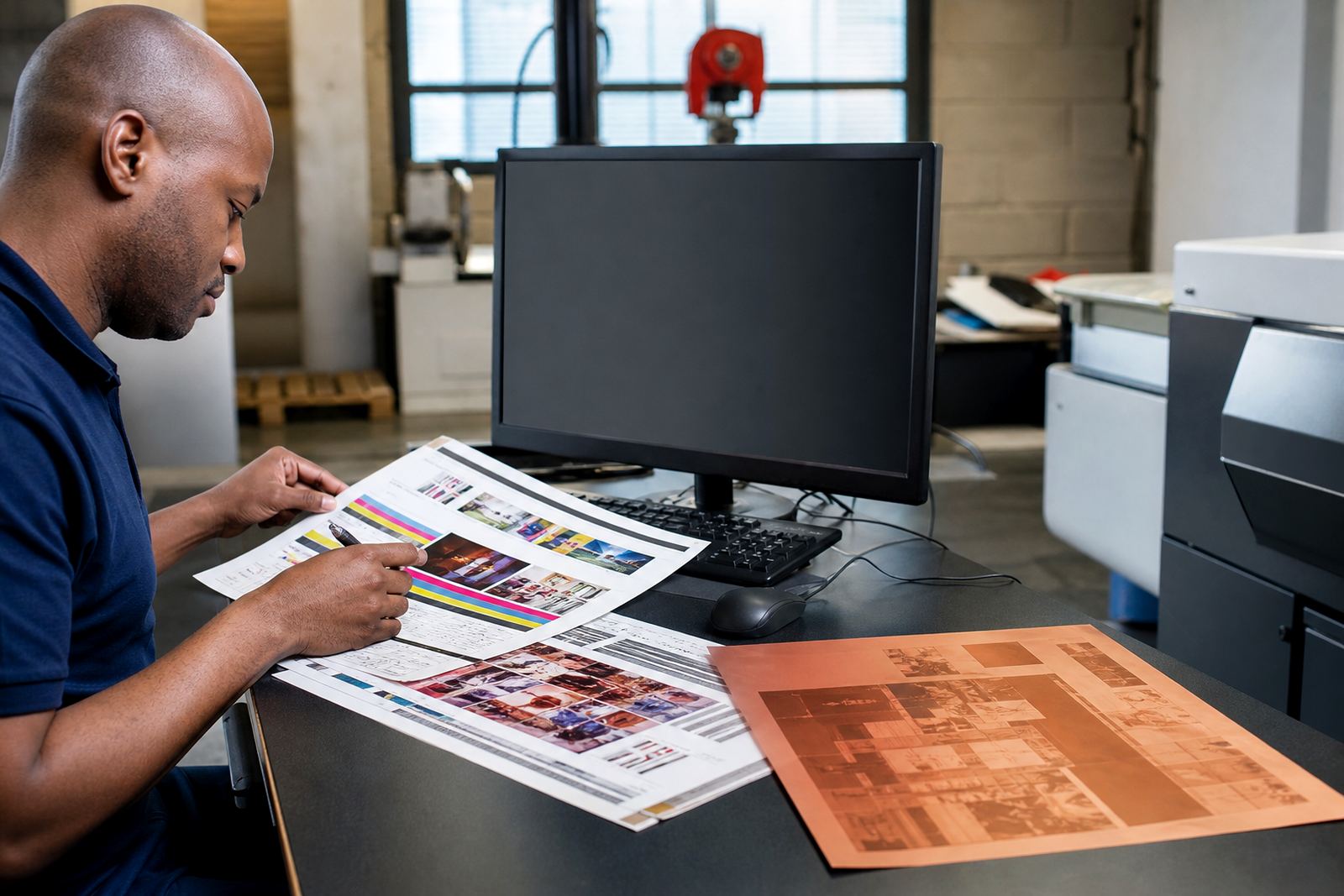
For short runs and repeat label work, a small error can keep showing up on every roll. That is why proof comparison is useful before plate production. It lets the printer check if the reversed file still agrees with the approved layout and if anything was lost during file checking. In many cases, a simple adjustment prevents a full rework and keeps the job on schedule. With load-shedding affecting press planning in some areas, fewer surprises are better for everyone.
What to send with a mirrored flexo file
When sending reverse artwork for flexo plate-making, the cleanest jobs are the ones with clear instructions. The file should not leave anyone guessing about orientation, repeat length or where the plate should start and stop. If the job is being collected in Midrand or dispatched to the East Rand, a complete file pack helps the prepress team move faster and with fewer questions.
Useful items to include are simple but important. They help with artwork preflight, imposition planning and plate trimming after the job is approved.
- Final artwork in the correct version
- Notes showing what must read normal and what must read reversed
- Approved proof or marked-up reference
- Substrate details if known, such as film, board or self-adhesive stock
- Any special notes about mounting, pack size or dispatch packing
If the job needs collection coordination or courier delivery to Pretoria, West Rand or Cape Town, it helps to state the destination clearly. That way the plates can be labelled, packed and sent without confusion.
A local example from the press room
A packaging printer in Johannesburg might receive a mirrored artwork file for a repeat label on a shrink sleeve. The title reads correctly, but one instruction panel is back to front and the barcode sits too close to a folded edge. On screen the layout looks neat enough, but on press the code will be difficult to scan and the instruction text will be wrong for the operator.
In that case, the right response is not to force the plate through. It is to check the file, compare it to the proof, and confirm the press direction before plate-making begins. Once the mirrored layout has been corrected, the plate can be trimmed, labelled and dispatched to the printer with far less risk. This is the kind of practical checking that keeps a job moving from Midrand to Durban or Gqeberha without avoidable delays.
Reverse artwork is not only about turning things around. It is about making sure the job still reads properly, prints cleanly and fits the press setup. That is the difference between a file that looks right and a plate that performs right.