Why large runs expose weak plate-making
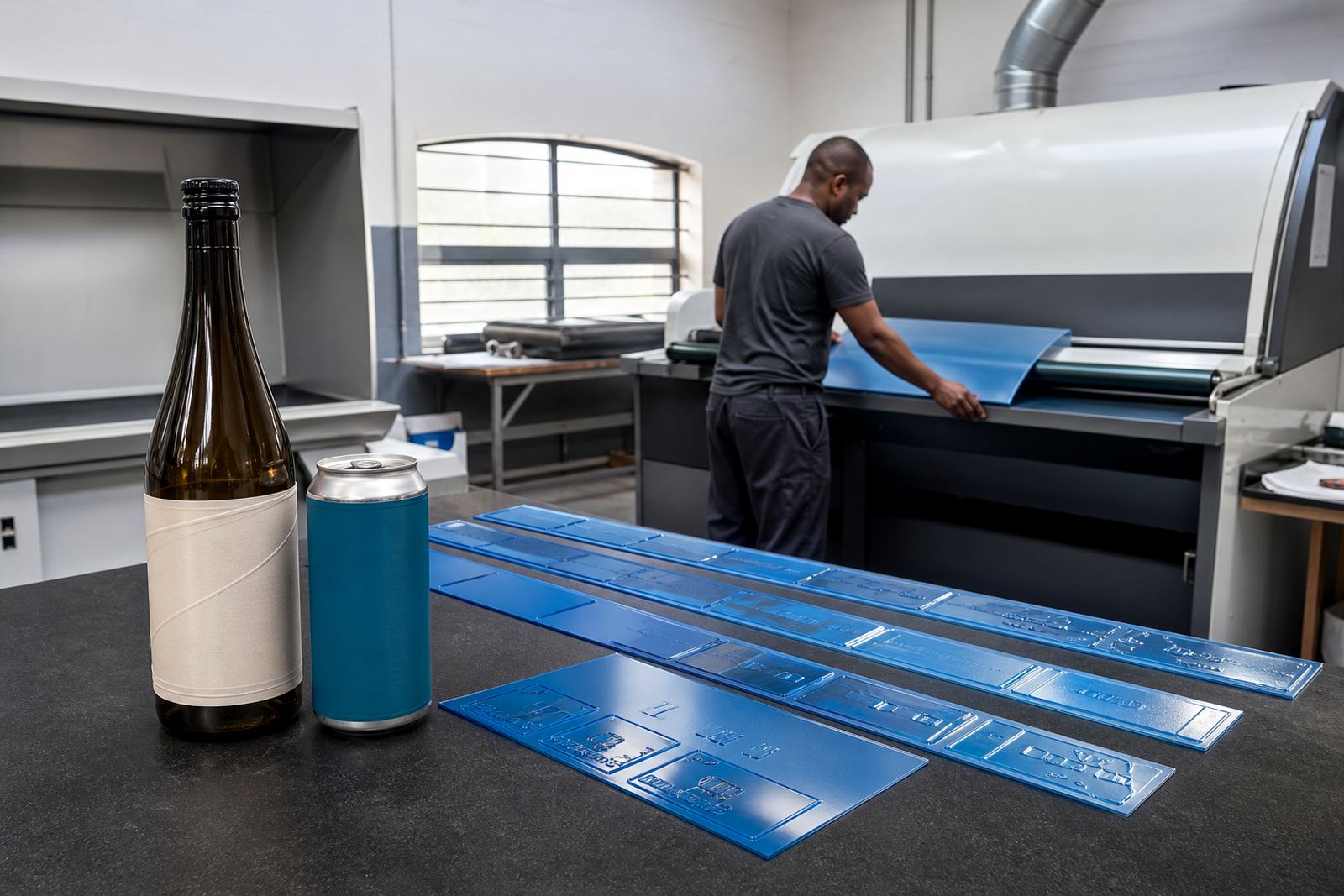
On a short test run, a plate can look fine even if there are small faults in the image area or mounting. On a longer packaging or label job, those same faults show up fast. Once the press is running for hours, a slight issue in relief depth, plate thickness, or edge finish can lead to uneven ink transfer and wasted substrate.
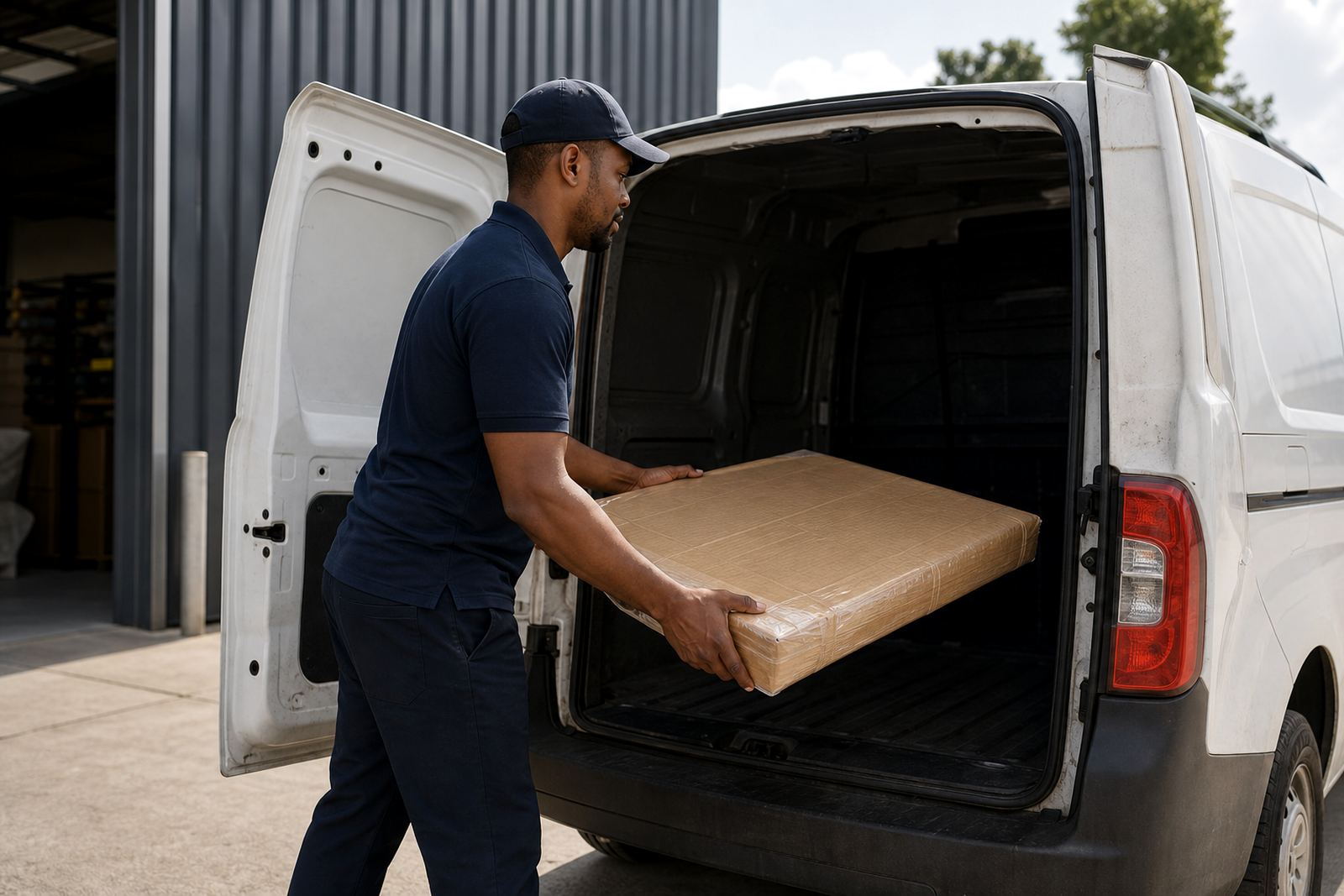
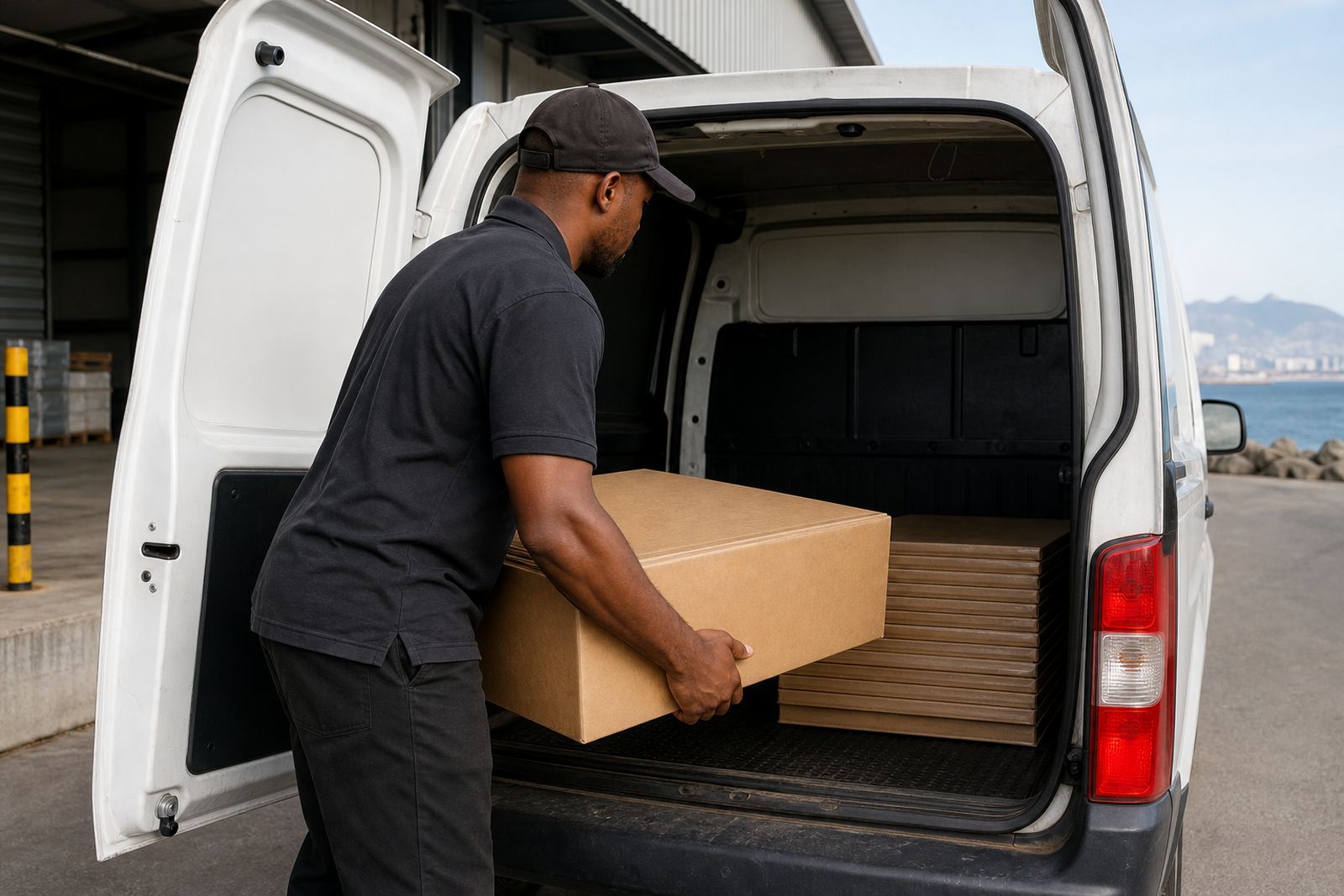
For South African printers working under tight production windows, especially when the plant is also managing load-shedding or after-hours production, the aim is steady output not just a good first sample. A plate for a large run needs to hold detail, stay stable on press, and arrive packed in a way that protects it during courier delivery from Midrand to Johannesburg, Pretoria, Durban, Cape Town or Gqeberha.
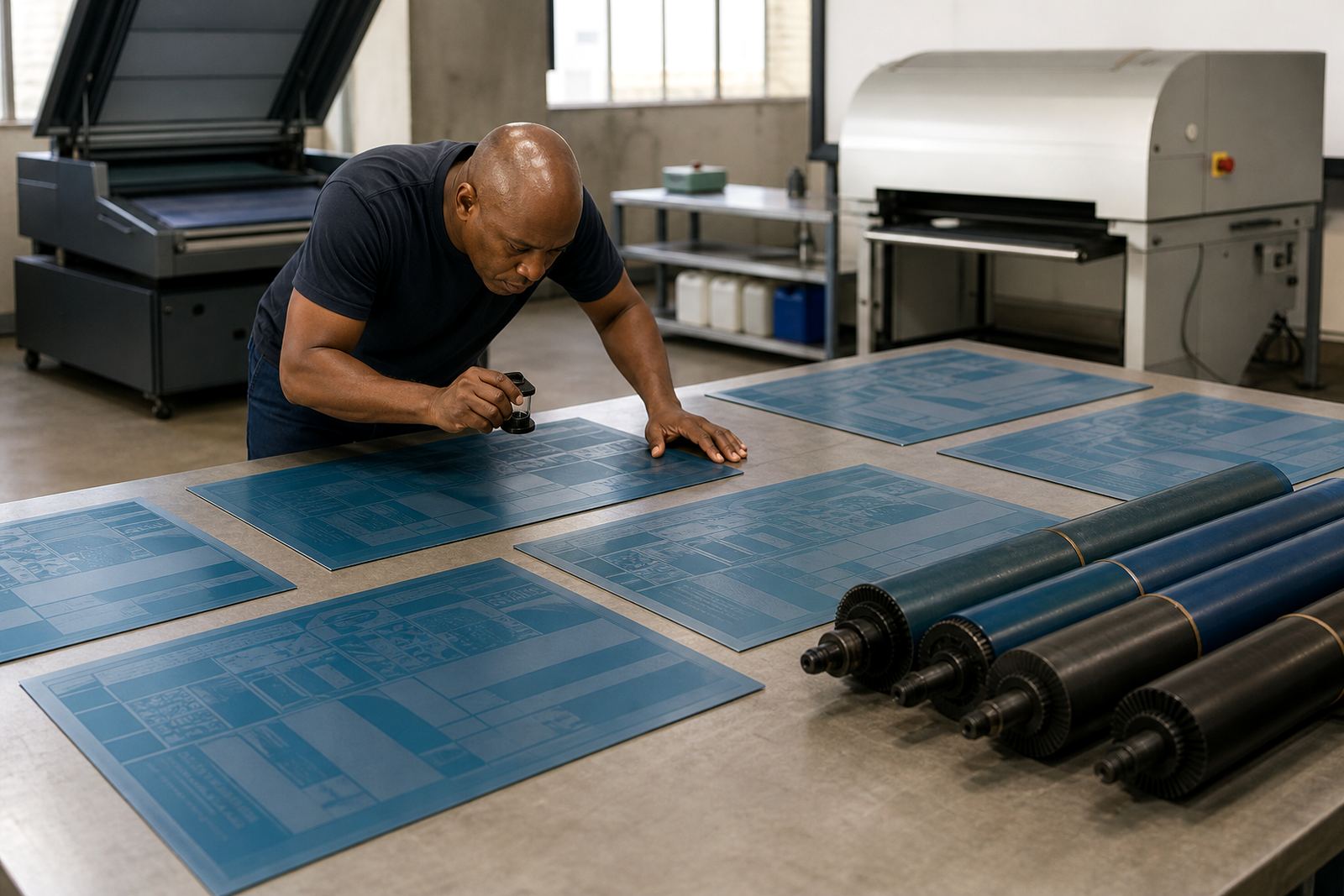
- Check that the image area is clean and free of pinholes
- Confirm the plate thickness suits the cylinder or sleeve setup
- Make sure the trim edges are neat to reduce handling damage
- Review artwork for fine reverses, small text and solid tints
Durability starts before the plate goes to press
Durability is not only about the photopolymer itself. It starts with artwork preflight, file checking and imposition planning. If a job is laid out badly, the plate maker will spend more time correcting avoidable issues, and that can affect consistency across repeats. Fine type, hairline rules and tight trapping need to be checked before exposure, not after the pressroom notices a problem.
For large runs, consistency matters between one plate and the next. A printer may need several plates across a full label set or a packaging range, and every one of them must match in image size, trim and labelling. In our experience, good plate handling saves press time, especially on jobs where the client wants the same print tone across multiple SKUs. It also helps when the plant has to stop and start because of electricity interruptions, because the restart is easier if the plates are clean and correctly identified.
- Do not ignore small text that sits close to a solid background
- Confirm the screen ruling is suited to the substrate and ink system
- Keep remake requirements in mind for repeated orders
- Ask for proof comparison before the run starts if the job is complex
Mounting and trimming affect long-run consistency
A plate can be made correctly and still underperform if mounting is rushed. On long production jobs, even a slight edge lift or uneven trim can cause bounce, poor register or wear at the wrong point on the cylinder. That is why plate trimming and plate mounting must be treated as part of the same process, not separate tasks.
For packaging printers, especially those running corrugated, self-adhesive or wraparound label work, the contact between plate and substrate needs to stay predictable from start to finish. If the plate is trimmed neatly and mounted in line, the press crew has less to adjust. This matters in humid coastal areas too, where storage conditions can affect materials if they are left open too long.
- Store plates flat and away from direct sunlight
- Keep dust off the adhesive side before mounting
- Label each plate clearly for the correct press and station
- Check that sleeves, tapes and mounts are matched to the job
How technical support saves reprints on bigger jobs
On large run work, the cost of a mistake is not just one bad sheet. It can mean substrate waste, press downtime and a delayed delivery to the converter or end customer. That is why technical job advice is part of the service, not an extra. A quick review before plating can flag a risky file, a trapping issue or an imposition problem that would otherwise be expensive on press.
For example, a Midrand printer handling a multi-panel label order for distribution into Gauteng and the Western Cape may need different artwork versions but the same visual standard across all packs. If the prepress team compares proofs carefully, the plates can be made to suit the job structure instead of forcing the press to compensate later. It is practical work, and it keeps production moving.
- Compare final artwork against the approved proof before release
- Set remake expectations early when the same job repeats often
- Use collection coordination if the plates must move between sites
- Ask for dispatch packing that protects corners and surfaces
A local example from Midrand to the coast
A label printer in Gauteng once had a long production run for products distributed into KwaZulu-Natal and the Eastern Cape. The job looked simple at first glance, but it had fine print, a few dense solids, and several repeated SKUs. The practical step was to check the files carefully, confirm the plate layout and pack each plate so it could travel by courier without scuffing or bending. That saved time when the job was restarted after a power interruption, because the press team could identify each plate quickly and get back into production.
This is the kind of job where experience matters. Large run plate needs are about repeatability, neat handling and accurate preparation. From plate making and screening support to labelling, remake support and collection coordination, the point is to keep the printer ready for steady output. For label and packaging work across Johannesburg, Pretoria, Durban, Cape Town and Gqeberha, the same rule applies: if the plate is made properly and treated properly, the press has a much better chance of holding quality to the end of the run.