

What printers in Gqeberha need from a Midrand plate supplier
For label and packaging printers in the Eastern Cape, the main aim is simple: get plates that match the job, arrive safely, and fit the press without last minute rework. That starts with clean artwork, clear print specs and a complete order note. When those details are in place, photopolymer plate-making can move through prepress, imaging, finishing and packing with fewer delays.
From Midrand, we work on flexo photopolymer plates for short and longer run work across South Africa, with courier delivery to Gqeberha and surrounding areas. A printer in Port Elizabeth, for example, may be handling a carton job for food packaging on Monday and a label repeat on Wednesday. In both cases the plate set has to be checked against the final file, trimmed correctly and labelled so the press team can get to work without guessing.
Good ordering also helps with coastal conditions. In Gqeberha, moisture in the air can affect how plates are handled on arrival if they are left in a hot vehicle or near direct sunlight. A clean sealed pack, properly marked, is the safer route.
How the order process usually works from Midrand
Most orders move in a clear sequence, even when the job is urgent. The first step is receiving the artwork and job notes through the enquiry form on our contact page. From there we do artwork preflight, file checking and, where needed, imposition planning so the plate layout matches the press setup.
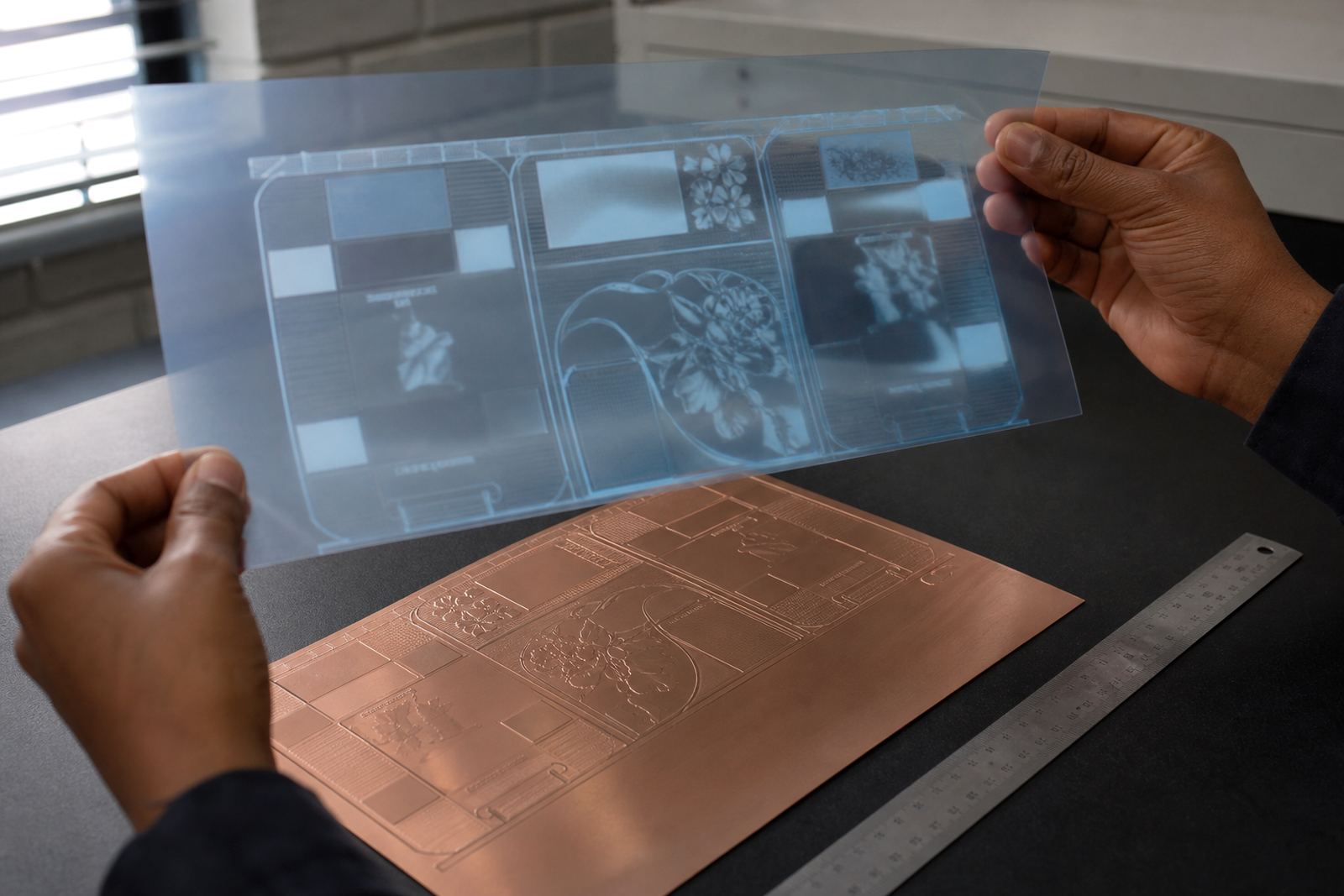
Once the files are confirmed, technical advice can be given on screening support, plate count, repeat size and any plate mounting notes. If the customer supplies a proof or a previous print sample, proof comparison can help spot small changes before plates are made. That saves time later, especially when a repeat order has changed by only a few millimetres.
After production, plates are trimmed, labelled and packed for dispatch. Collection coordination is available where a local driver or arranged pickup is more practical than courier. For Eastern Cape delivery, most customers prefer a tracked parcel so the receiving team knows when to expect the box.
- Send final artwork, not a working draft
- Include press size, repeat and any special mounting notes
- Confirm delivery town and contact person for receiving
- Keep the pack sealed until the plates are needed on press
Why plate preparation matters before the courier leaves Midrand
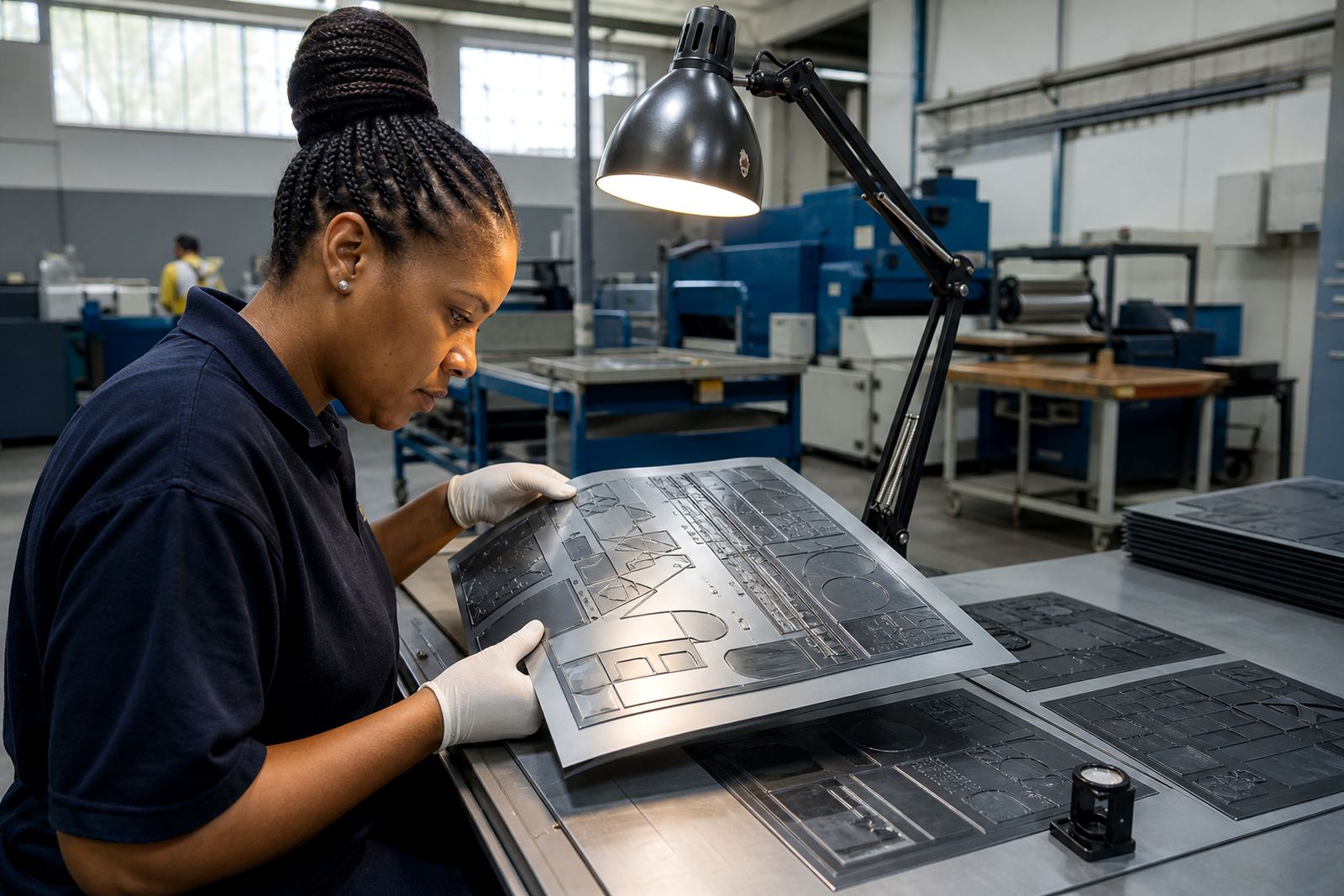
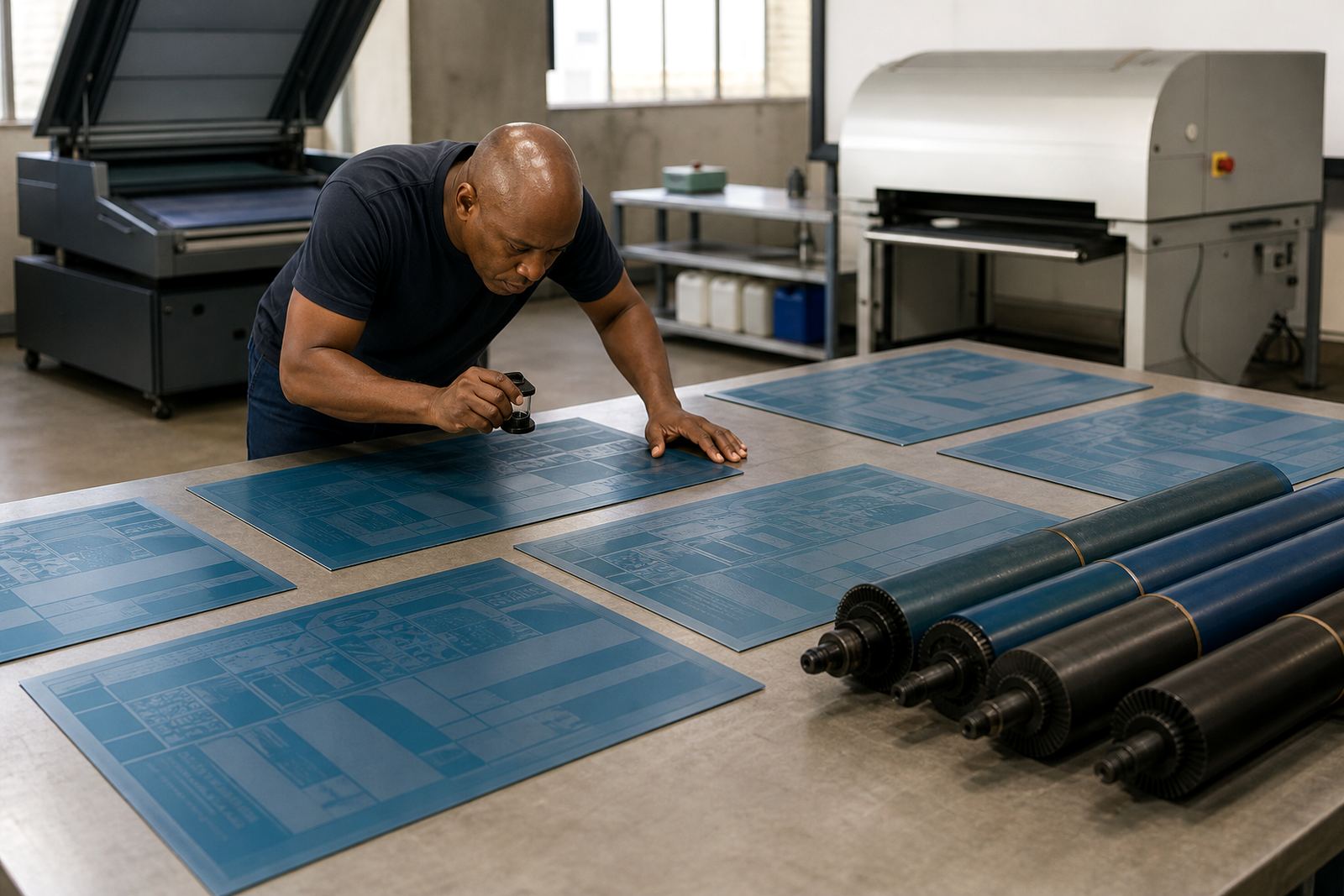
On the surface, a plate is a plate. In practice, small preparation details can decide whether the job starts cleanly or turns into a long setup. Plate making, plate trimming and plate labelling all need to be done with the press room in mind. If a plate is cut short, marked badly or packed loosely, the problem only shows up when the press crew is already waiting.
Good packing is important for the road between Midrand and Gqeberha. Courier vehicles may face heat, dust, rain and loading stops along the way. Dispatch packing should keep the plates flat, supported and protected against bending. For larger sets, separating layers clearly helps avoid confusion when the box is opened.
In a busy season, printers often order several jobs at once. That makes labelling even more useful. A label showing job name, plate count and any side or colour reference can prevent mix ups when one pallet or carton contains more than one repeat.
What Eastern Cape printers should check on receipt
When plates arrive in Gqeberha, the receiving team should open the pack carefully and compare it against the dispatch note before the plates go to the pressroom. That quick check can catch a missing plate, a damaged corner or a file issue before setup begins. The more time spent checking at the start, the less time is lost later.
If a printer is working on a fast label changeover, the first thing to confirm is whether the plate set matches the latest approved file. Even a small artwork change in text or barcode position can matter. A careful proof comparison before dispatch reduces the chance of rework, but the receiving side still needs to inspect the set. That is standard practice for any label or carton house, whether the job is a small local run or a bigger production order.
- Count the plates against the job note
- Check the trim size and mounting side
- Inspect for bending, edge damage or packing marks
- Store plates flat, away from direct sun and heat
A local example: Midrand to the Eastern Cape without avoidable hold ups
Consider a packaging printer in Gqeberha preparing a new carton line for a regional food producer. The artwork was approved late on a Thursday, and the press slot was set for the following Tuesday. In that kind of schedule, the order has to be complete first time. The printer sends the final files through the enquiry form, notes the press repeat, and asks for technical advice on screening and plate arrangement.
During file checking, one barcode area is flagged for closer review. The customer supplies the corrected artwork, and the plate set is made with the revised file. Plate trimming and labelling are done before dispatch, with the carton packed for courier delivery. When the pack reaches the Eastern Cape, the printer can move straight into setup instead of spending the morning sorting out mismatched plates. That kind of prep may sound ordinary, but it saves real time on the floor.
For smaller label printers too, this process is useful. Even if the job is only a short repeat, having the plates checked in Midrand before shipping to Gqeberha gives the press team a better start.
Working with a Midrand base for Eastern Cape deliveries
Being based in Midrand gives a practical middle point for dispatch across South Africa. Jobs can be processed for Johannesburg, Pretoria, Durban, Cape Town and Gqeberha from the same production base, which helps keep communication direct. For Eastern Cape printers, that means one point of contact, one job record and one clear dispatch process.
The team handling the work includes Sibusiso Mthembu, Ayesha Naidoo, Pieter van Wyk, Lerato Molefe, Morne Jacobs and Zinhle Dlamini. Each stage has its place, from client services and prepress through to mounting and logistics. That matters when a customer needs a straight answer on file readiness, collection coordination or whether a job needs another look before it leaves Midrand.
Founded in 2007, the business has grown around practical plate handling for printers who want dependable supply and clear communication. For Gqeberha and the wider Eastern Cape, the key point remains the same: send the right files, check the order details, and let the plates be prepared with the press in mind.