Why the Midrand to Cape Town route needs earlier plate planning
Long courier routes add a few moving parts that local deliveries do not always carry. If a plate leaves Midrand for Cape Town, it has to move through collection, linehaul, sorting and final delivery before it reaches the pressroom. That means the best time to order is often earlier than people expect, especially when a job is tied to a ship date, a retail launch, or a municipal tender that cannot slip.
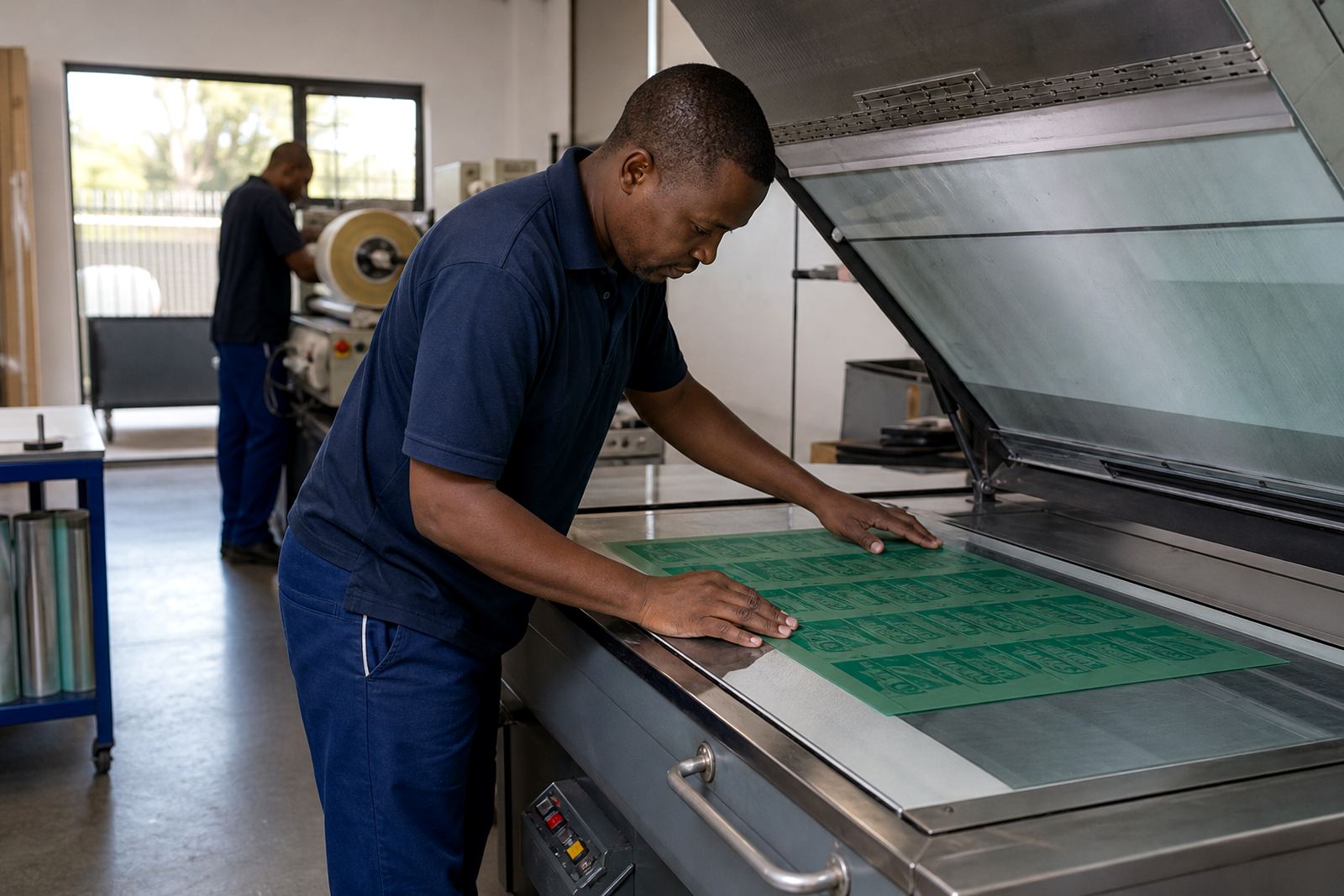
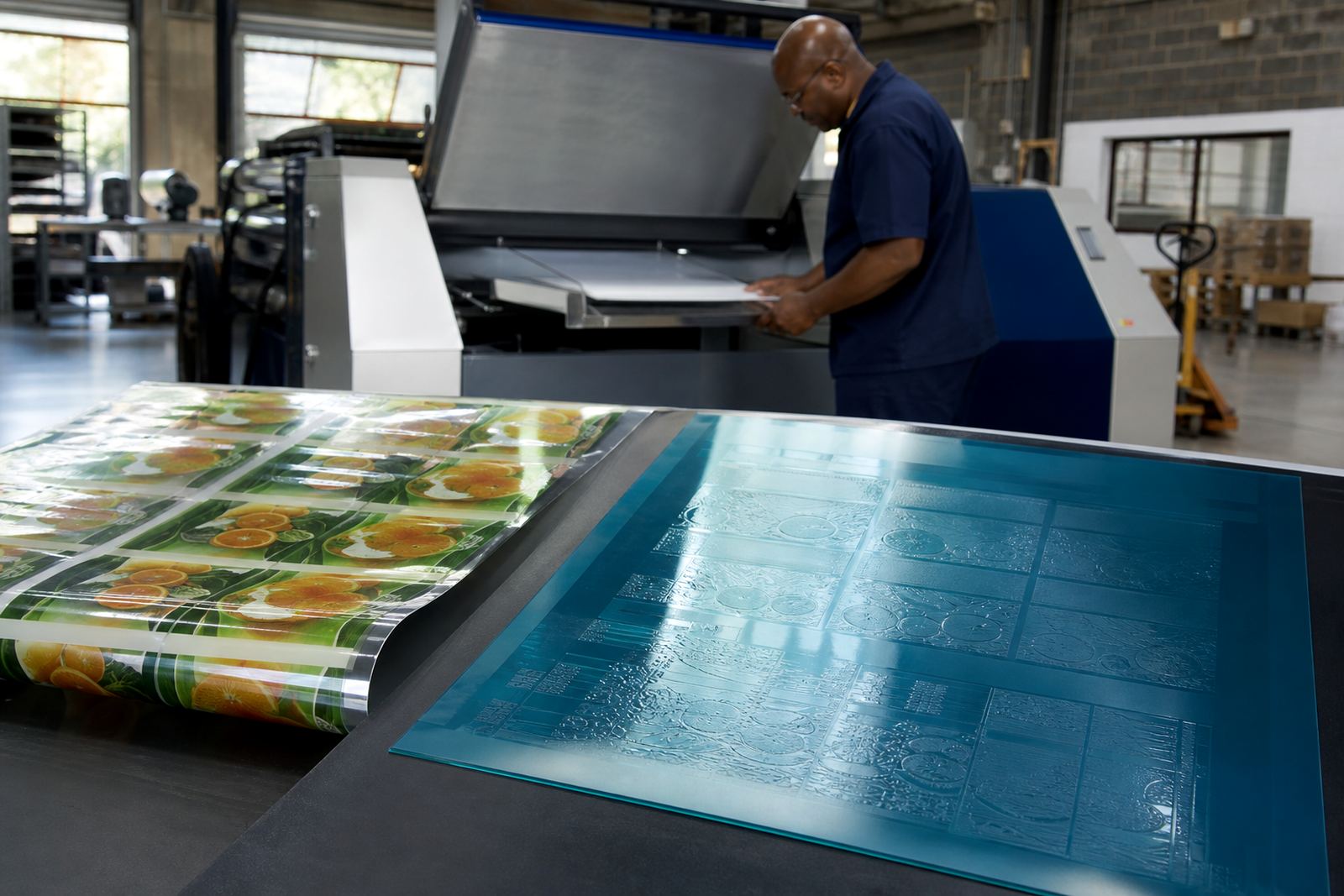
At Flexo Printer Plates, the team works from a Midrand base and handles flexo photopolymer plate-making for label and packaging printers across South Africa. The focus is on practical timing, correct file handling, and plates that arrive packed for courier movement. Founded in 2007, the business has grown around the kind of jobs where timing, accuracy and clear instructions matter just as much as the artwork itself.
What to send first so the plate job can move without backtracking
The quickest way to slow a plate order is to send incomplete files and expect the rest later. For longer routes such as Midrand to Cape Town, it pays to have the artwork, version notes and job details ready before production starts. That gives the prepress side time to check the file, plan the imposition, and flag anything that may affect print quality or plate layout.
- Final artwork with the correct version name
- Substrate details where relevant, such as film, paper or board
- Print size, repeat length and any dieline notes
- Ink or screening requirements if the job needs specific handling
- Delivery address and contact person for receiving
That is often the difference between a smooth dispatch and a job that has to be stopped halfway because a plate width or repeat has been missed. In our experience, a quick file check up front saves a lot of back-and-forth later on.
How courier timing affects printroom schedules in Cape Town
Cape Town printers often work with tighter receiving windows than they first plan for. A plate that arrives after the morning schedule has been locked in can push a press run into the next shift or the following day. That is why many printrooms build in a buffer when they know the plates are coming from Gauteng. It is not just about distance, but about when the courier collects and when the receiving team can sign off the delivery.
For jobs heading to the Western Cape, it helps to map the plate order around the press booking rather than around the production start alone. If the file is approved late on a Tuesday, for example, the best outcome may be to aim for a Thursday or Friday delivery and keep Wednesday open for any correction. Load-shedding can also affect studio and press schedules, so a little slack in the plan is useful.
Packing, labelling and dispatch checks that protect the plates in transit
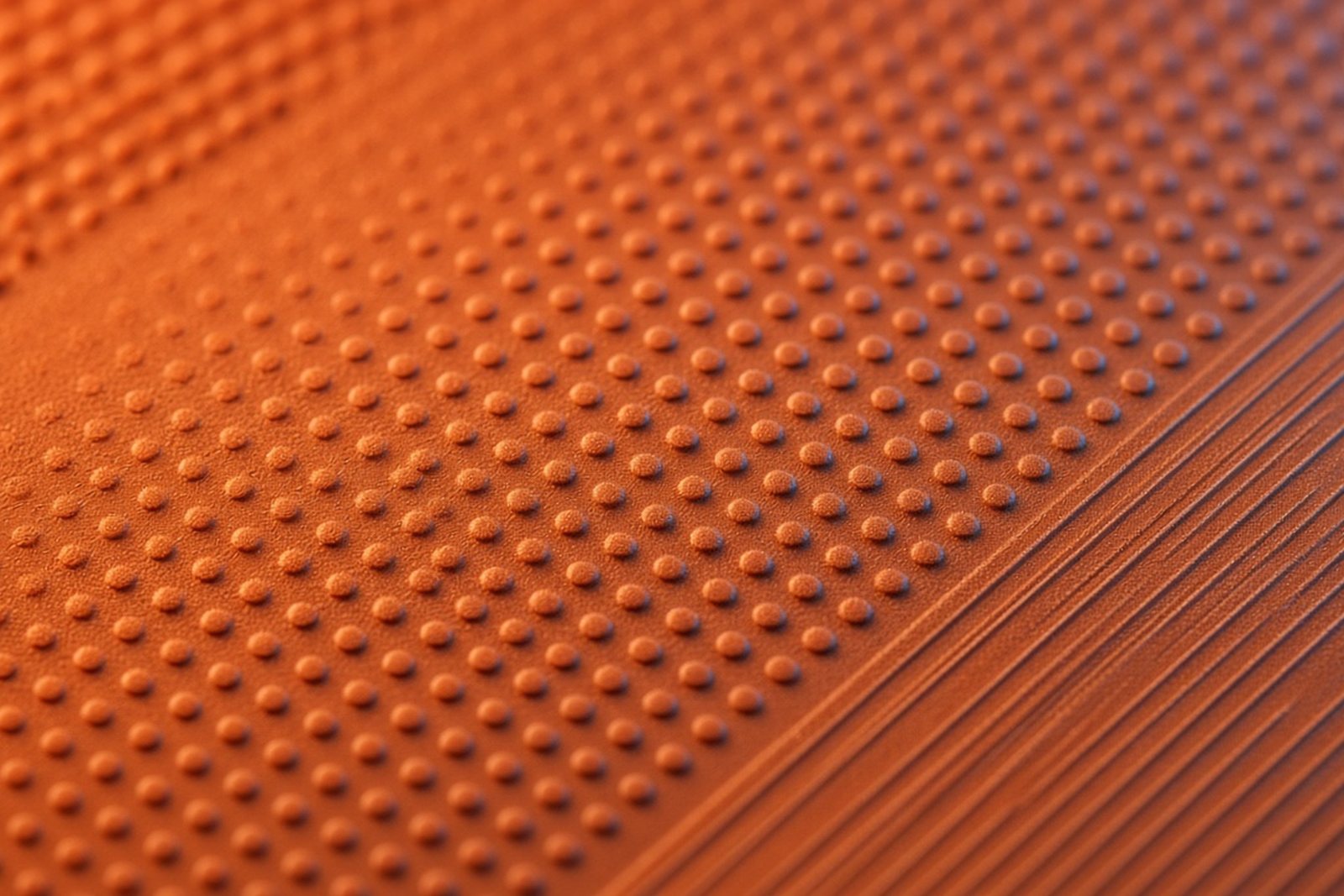
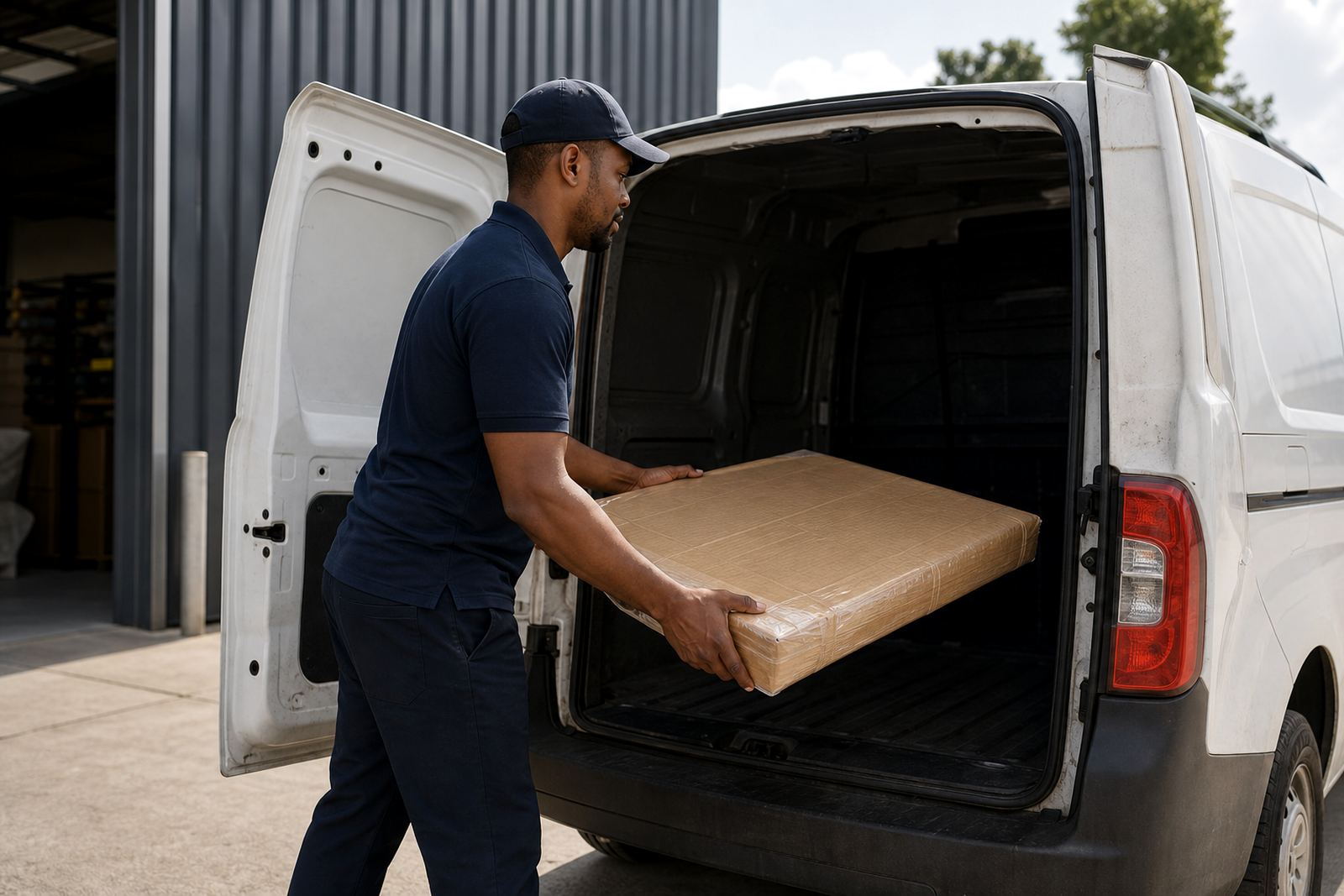
Flexo photopolymer plates are durable, but they still need proper packing. Couriers handle many cartons in a day, and plates can be affected by poor stacking, bent corners or rough handling if the packout is too light. That is why plate trimming, labelling and dispatch packing are part of the service, not an afterthought.
For longer deliveries from Midrand to Cape Town, the packaging should show exactly what is inside and where it must go at the receiving end. Clear labelling helps when a printroom is managing several jobs at once, or when a production manager has to split cartons between different presses. It also helps if there are remakes or reissues, since the right plate can be matched to the right job faster.
- Each carton is marked for the correct job and version
- Plate sets are grouped in the order they will be mounted
- Delicate edges are protected during transit
- Dispatch notes are kept simple and readable
A local example: one Cape Town label run planned from Midrand
Think of a Cape Town label printer that receives a packaging order for a product relaunch. The artwork lands late afternoon, the client wants first production as soon as possible, and the pressroom is already lined up for another job the next day. In that situation, the plate maker in Midrand has to do more than cut plates. They need to check the files, confirm the layout, compare proofs where needed, and get the dispatch ready with enough time for courier movement.
That same job might also need a remake support check if the customer sends a small artwork correction after approval. Rather than treating that as a delay, the team can adjust the job notes, remake the affected plate if needed, and make sure the replacement is packed with the original order or sent separately if the timeline calls for it. In practical terms, that keeps the pressroom from having to explain a missed start time to a customer, which is never ideal.
What printers in Johannesburg, Durban and Cape Town ask for most
Although this article focuses on Midrand to Cape Town, the same planning logic applies to Johannesburg, Pretoria, Durban and Gqeberha as well. Printers usually want a plate partner that can handle the technical side without making the process feel complicated. They also want clear communication when the job needs a second look, or when a courier delay could affect a booking.
The most common requests tend to be simple, but they need care:
- Artwork preflight before plates are made
- File checking for missing notes, overprints or sizing issues
- Imposition planning for efficient plate use
- Screening support for the required print result
- Proof comparison before final output
For a mid-size printer in Cape Town, that kind of support can make a big difference during a busy week. It keeps the order moving, and it helps the receiving team know what to expect when the parcel arrives.
How to keep long-distance plate orders moving week after week
The best long-distance jobs are planned early, confirmed clearly and packed properly. If the printer and plate maker both know the final route, the receiving window and the job priority, there is far less pressure when the courier is on the road. That is especially useful for label and packaging work, where a small delay can affect a full production line.
Flexo Printer Plates serves clients from Midrand, Gauteng and supports deliveries to Johannesburg, Pretoria, Durban, Cape Town and Gqeberha, as well as East Rand and West Rand areas. Clients reach the team through the enquiry form on the contact page, which keeps the job details together in one place. For printers sending work across the country, that simple process helps the order stay organised from the first file check to final dispatch.