
Why Clear Coating Needs Tight Plate Control
Varnish and coating layers are often treated as a finishing step, but the success of that step depends on how accurately the plate carries the image. In flexo work, the clear coating area has to line up with the printed artwork, the substrate movement and the press set-up. When the plate is off, even by a small amount, the coating can land on the wrong panel, cover a barcode edge, or leave a visible line where it should not.
For label and packaging printers in Midrand, Johannesburg and Pretoria, this matters on short runs as much as on larger production jobs. A carton window, a label panel or a spot coating patch all need clean boundaries. That starts with proper plate making, sound file checking and a clear understanding of what the press can hold on the day.
We see this often on jobs where a client wants gloss on selected text or a protective coat on a handle area. If the plate is rushed, the coating edge can look soft or uneven. If the image area is mapped properly, the finish looks neat and the job moves through the press with fewer stops.
What Goes Wrong When Boundaries Are Not Checked
Clear coating problems are not always caused by the coating itself. Many start in prepress. A file may have hairline borders, hidden objects, incomplete knockouts or artwork that was built without enough allowance for registration. On press, those small issues show up as a coating that is too wide, too narrow or slightly out of position.
- Edges may appear fuzzy where the plate dots are not holding cleanly.
- Coating can creep into uncoated text or graphics.
- Small registration shifts can leave a halo effect around the clear area.
- Mismatch between proof and plate can lead to extra set-up time.
In humid coastal conditions, especially when work is sent from Gauteng to Durban or Gqeberha, substrates can behave differently once they move from warehouse to pressroom. That does not mean the job cannot run well, but it does mean the plate stage must allow for proper handling, clean trimming and sensible expectations around the final finish.
How We Approach Plate-Making for Coating Areas
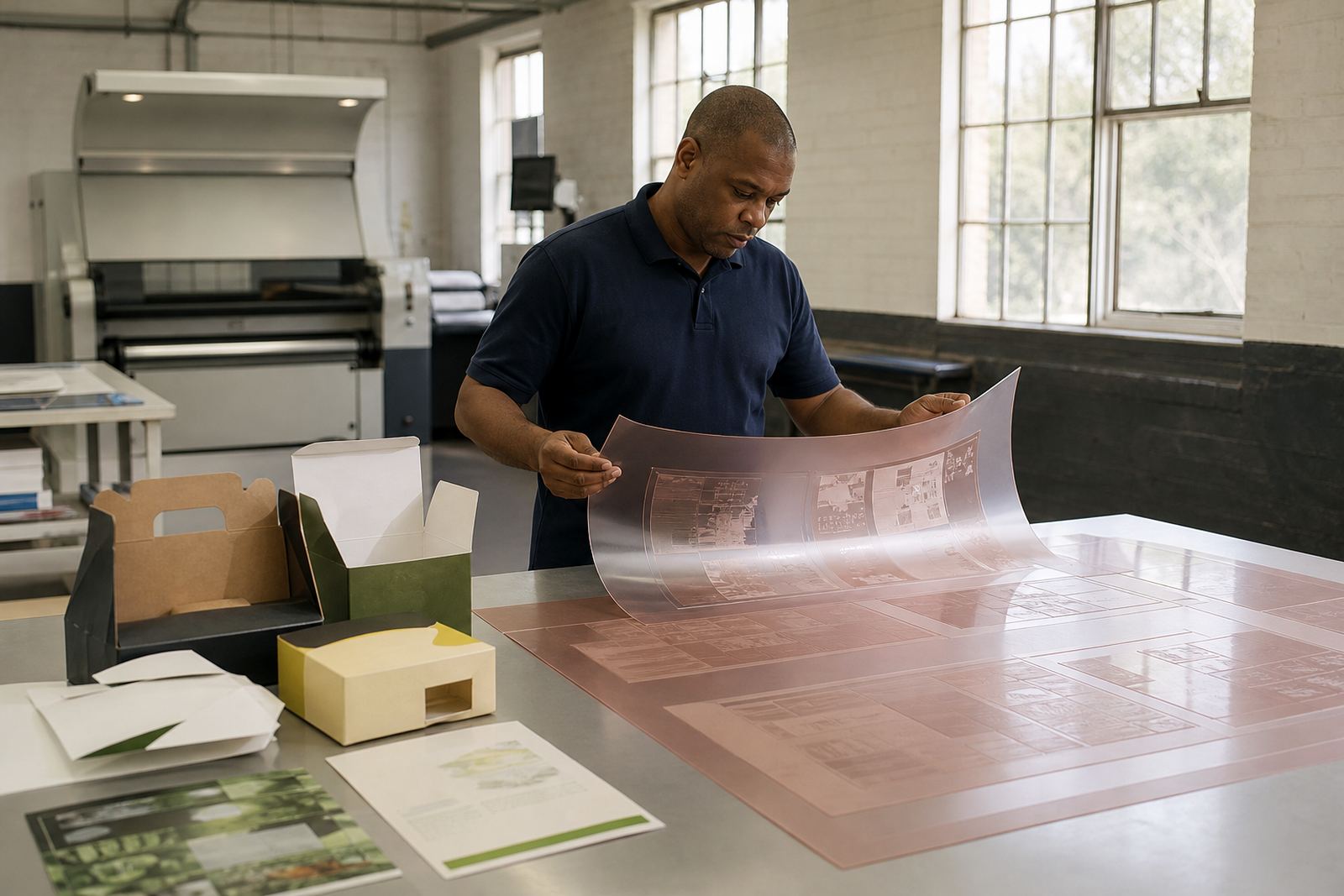
Our work starts with the file. We check the artwork for coating shapes, line weight, knockouts, overprint settings and any places where the clear area touches a fine detail. Where needed, we flag issues before the plate is made, so the printer is not left guessing later. That is especially useful on label work where coating may sit close to small type or variable data.
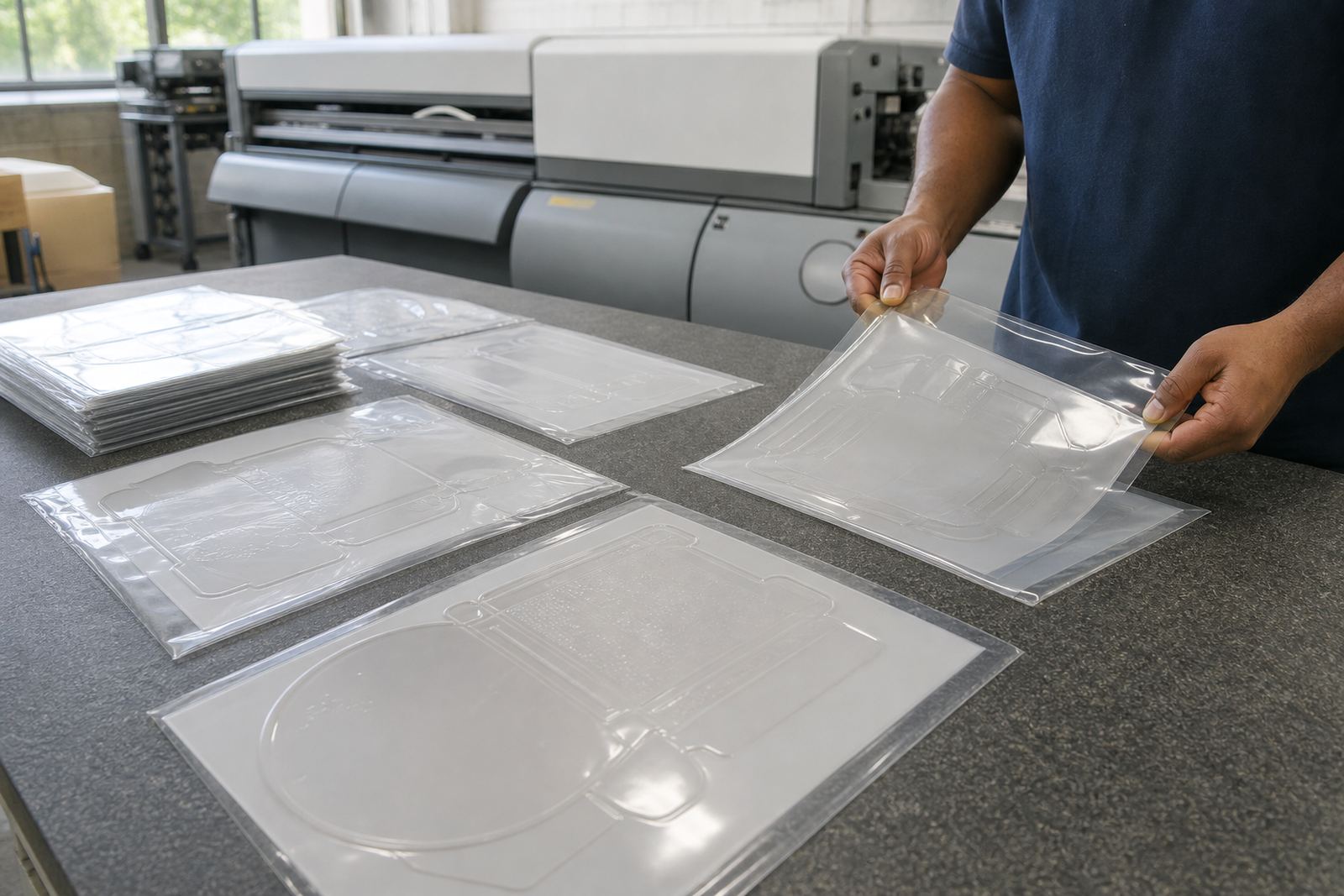
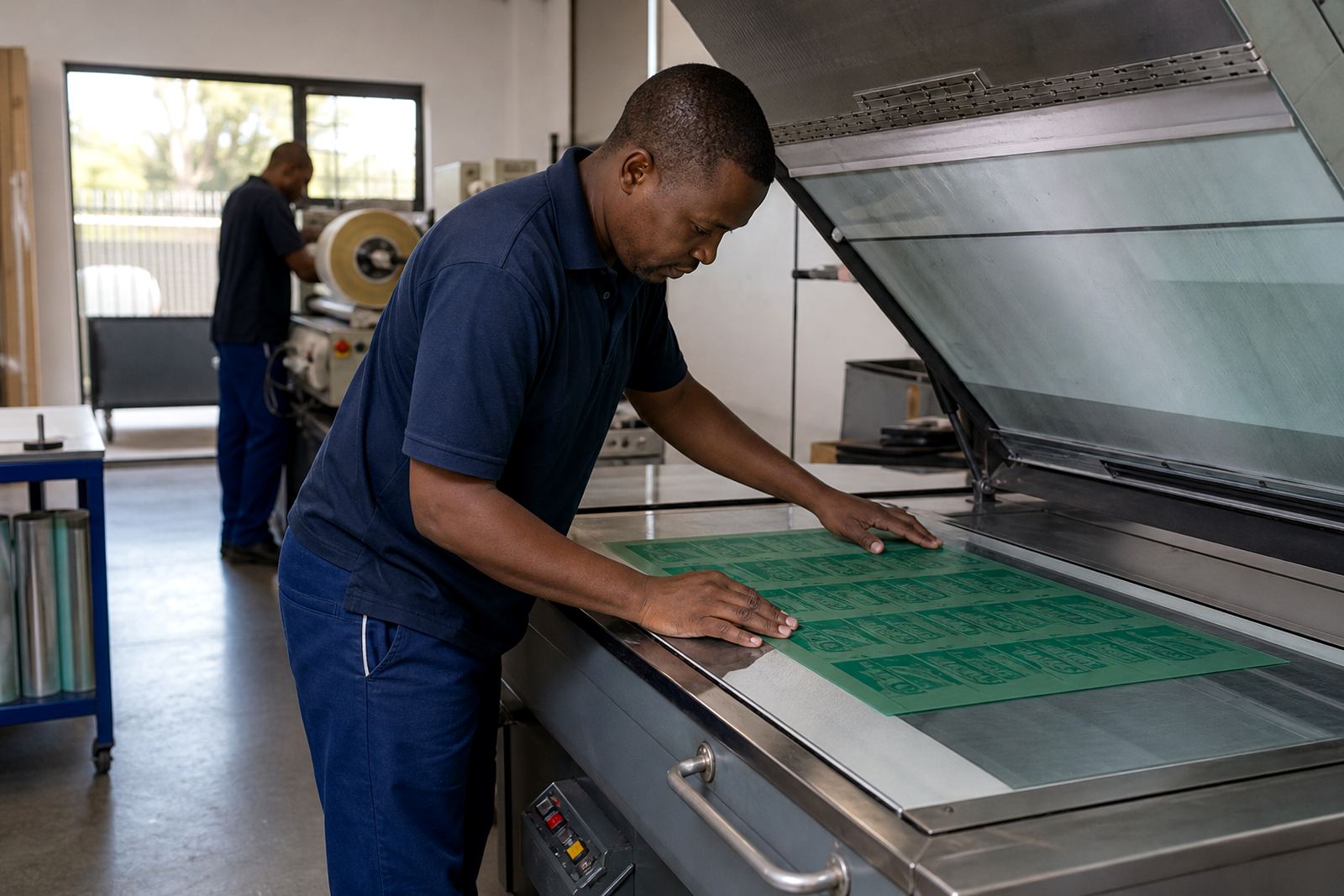
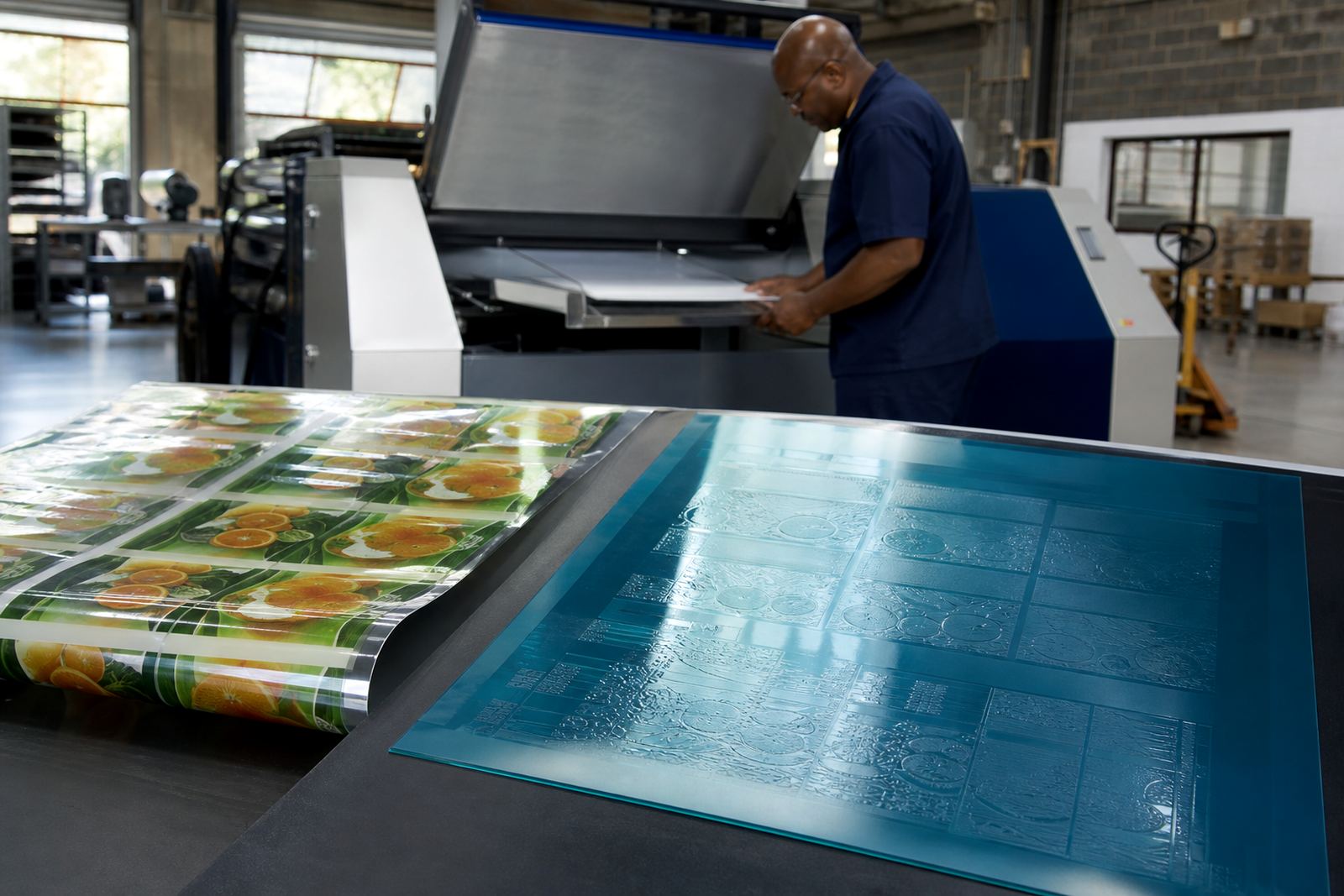
From there, plate making is handled with attention to detail on image boundaries, plate layout and finishing. We also support imposition planning so the coating area sits correctly on the sheet or web, and we compare proofs where supplied so the final plate follows the approved artwork as closely as possible. It is practical work, not flashy work, but it saves time on press.
- Artwork preflight before plate output
- File checking for coating shapes and boundaries
- Imposition planning for press fit and repeat
- Screening support for fine edges and tonal areas
- Plate trimming and labelling for easy identification
Local Pressrooms Need Practical Allowances
South African printers often work across mixed conditions. One day the job is going out from Midrand, the next it is on a press in Cape Town or on the KZN coast. Load-shedding, stock changes and delivery timing all put pressure on the workflow, so the plate has to be ready for a clean start. A well-prepared clear coating plate helps the printer spend less time correcting and more time producing.
For a label printer in Johannesburg, for example, a spot clear coat may be used to highlight a product name on a 500 metre run. The job may look simple on screen, but on press the coat has to hold a sharp outline around the name, keep away from a barcode and stay consistent across repeats. If the plate is trimmed badly or the image area is not set correctly, the press crew has to work around it.
We also find that municipal rules around waste and production planning can push printers to reduce remake work. That is another reason clear coating jobs should be checked early. A remake on a small run can still cost real money in film, substrate and machine time.
When to Ask for Remake Support or Job Advice
Sometimes the issue is not the press. It is the artwork, the proof or the plate spec. If a coating patch has shifted, if the line edges look too soft, or if the printer has changed substrate from one job to the next, it is worth asking for technical job advice before the next set of plates is made. That can prevent a repeat problem.
Remake support is useful when a plate needs adjustment after proof comparison or when a client has revised the coating area late in the process. It is better to catch the change before dispatch than to discover it once the press is already set up. In our Midrand base, we often coordinate collection and dispatch packing for printers who need the plates moved quickly between production shifts.
- New coating artwork introduced after proof approval
- Fine details appearing too soft on the finished piece
- Registration drift affecting the clear area
- Substrate change affecting image boundary hold
A Practical Example from Gauteng to the Coast
A packaging printer in Pretoria may need a clear coat on a sleeve design for a food product, with the coated area stopping just before a small ingredients panel. The artwork looks straightforward, but the coat must not cross into the text block. If the plate is made without checking the exact boundary, the final pack can look untidy and the job may need rework.
Now take the same job and send it to a customer in Durban where the finished packs will be stored near the coast. The printer may need slightly different handling and closer attention to plate finish, because humidity can affect how the run behaves through the pressroom. This is where plate-making, file checking and practical advice pull together. A clear coating plate is not only about appearance, it is about control.
From Midrand, we supply label and packaging printers across Johannesburg, Pretoria, East Rand, West Rand, Durban, Cape Town and Gqeberha with courier delivery and collection coordination. The aim is simple: help the press room get a plate that matches the job, keeps the coating where it belongs, and supports a clean result from the first impression to the last.