
Why White Underlayers Need More Than a Simple Spot Colour
White ink in packaging work is rarely just another colour. It is often the foundation that lets process colours show properly on clear, coloured or metallic substrates, and it can also affect the brightness of a top print. If the white is too thin, the whole image can look dull. If it spreads too far, fine type and small reversals can close up.
That is why white support layers need to be treated as a separate technical decision, not an afterthought. The artwork team should know whether the white is meant to block out the background fully, soften it, or act as a base under one panel only. A label printed for chilled bottles in Durban, for example, may need a stronger white than a carton for a dry warehouse in Midrand, because the material, adhesive and finish all behave differently.
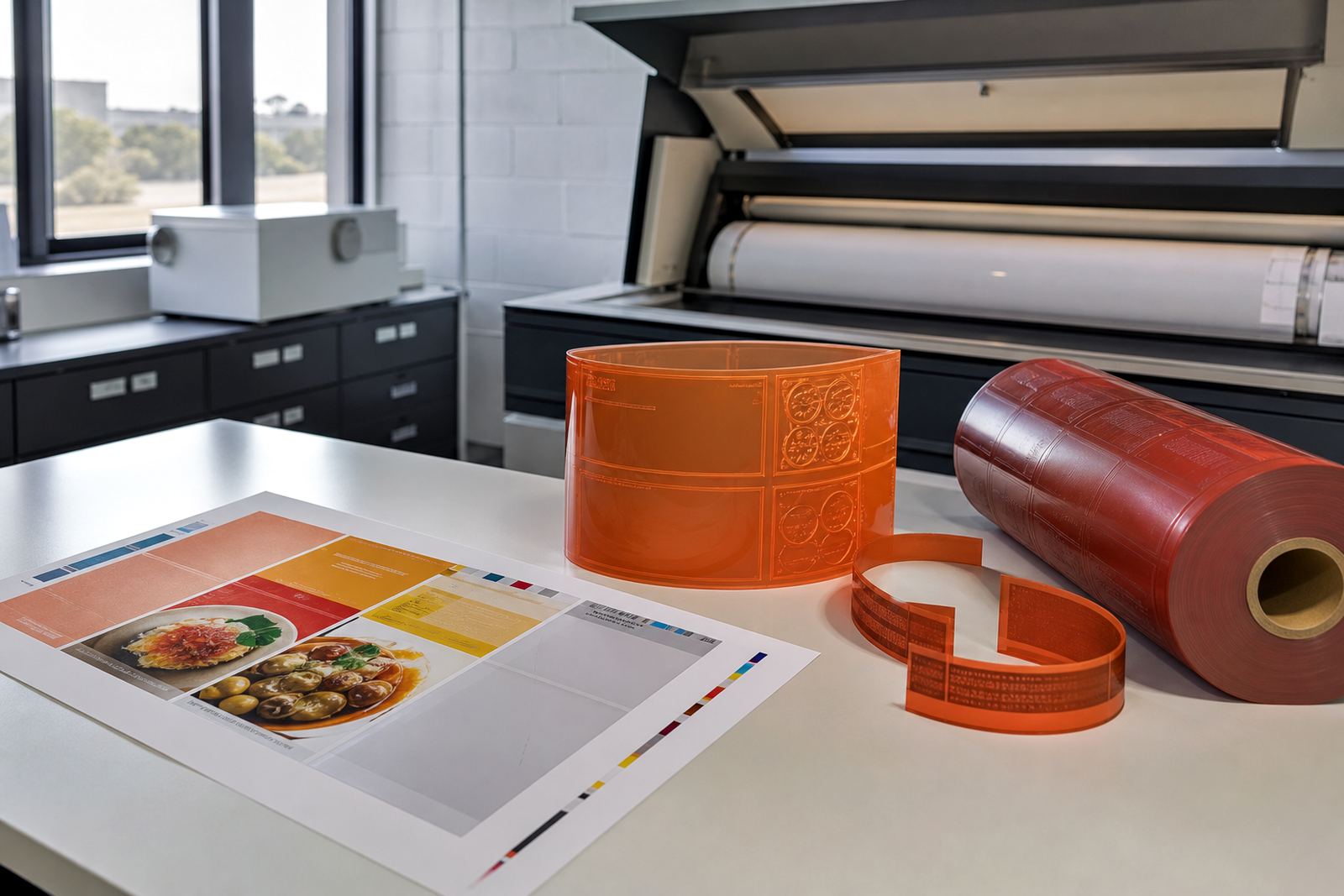
In flexo, plate-making only works properly when the separations are planned with that behaviour in mind. The plate can only carry the image that has been prepared, so if the white layer is vague or under-described, the print result will be inconsistent.
Start With the Substrate Before You Touch the File
The first question is always the same: what is the white printing onto? Film, paper, board and metallised materials all respond differently. A white on clear wrap for sauces will need a different build from a white on folding carton stock. Coated paper can hold detail better, while films can show tiny registration shifts more clearly and need careful planning.
Before plate production, confirm the following:
- Is the stock clear, coloured, metallic or opaque?
- Will the white be printed under process colours, under a solid block, or as a stand-alone design element?
- Is the white meant to be full coverage or only partial support?
- Will the job run with heavy solids, fine text or fine linework over the white?
These details affect plate thickness, screen selection and the amount of compensation needed in the artwork. They also help avoid the usual arguments on press when a white knocks out too much or too little. A clear answer at the start saves time later and keeps waste down.
Artwork Checks That Make White Print Cleanly
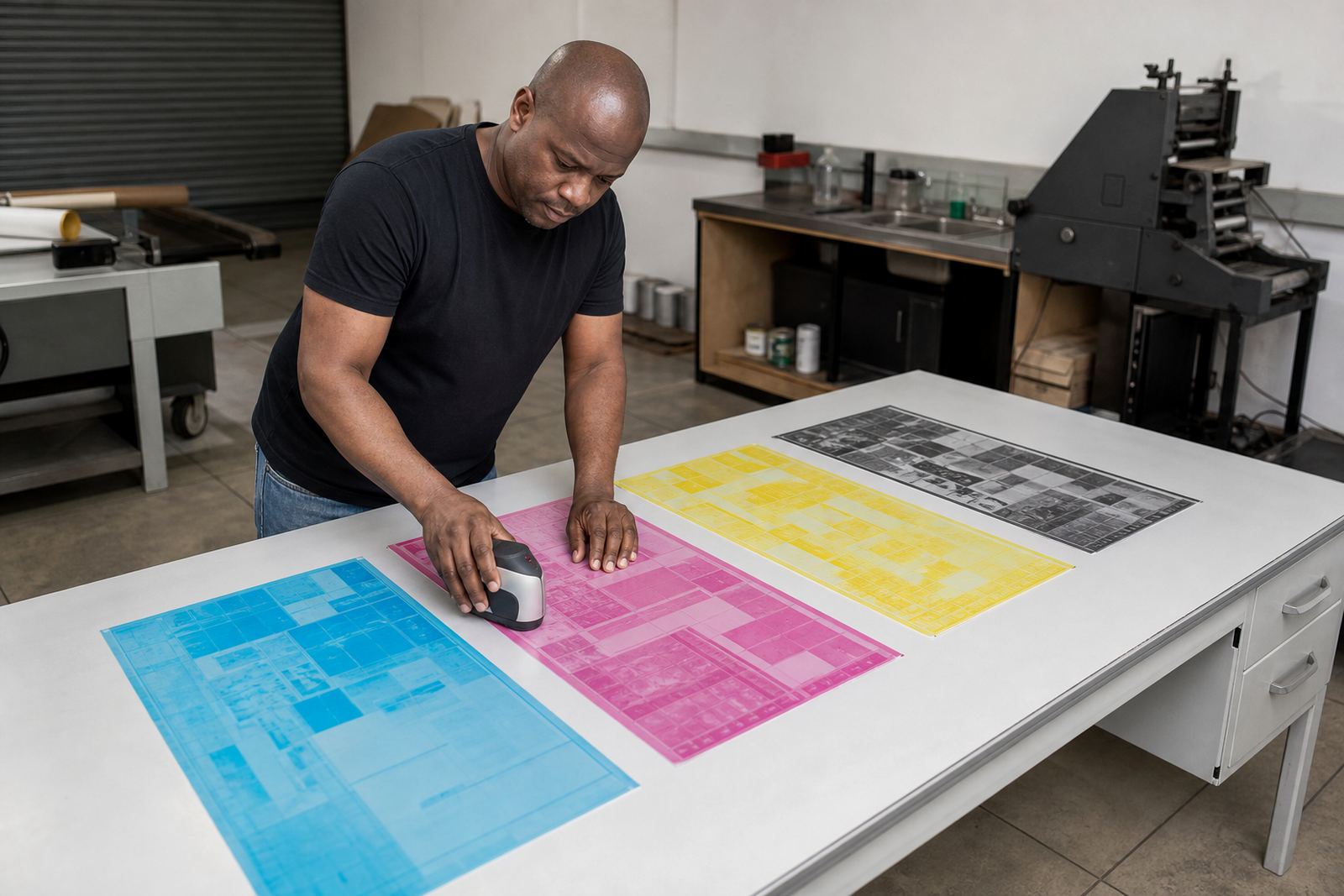
White layers need proper file checking before any plate is made. The main aim is to make sure the white sits where it should, with enough trapping and no surprises in the separations. If the artwork contains small reversed text, hairline rules or tight edges around a white base, those items need close attention.
Useful preflight checks include:
- Confirming the white is named clearly and separated correctly
- Checking overprint and knockout settings
- Looking for small gaps where the white may show through at joins
- Making sure trapping is suitable for the substrate and press setup
- Verifying that any varnish or finishing layer does not interfere with the white
It is also worth checking the intended print order. In some jobs the white forms the first down, then the process colours follow. In others, the structure of the design needs a different sequence. If the file is not set up with that logic, the plate room ends up correcting what should have been solved in prepress.
How White Support Layers Affect Plate-Making Decisions
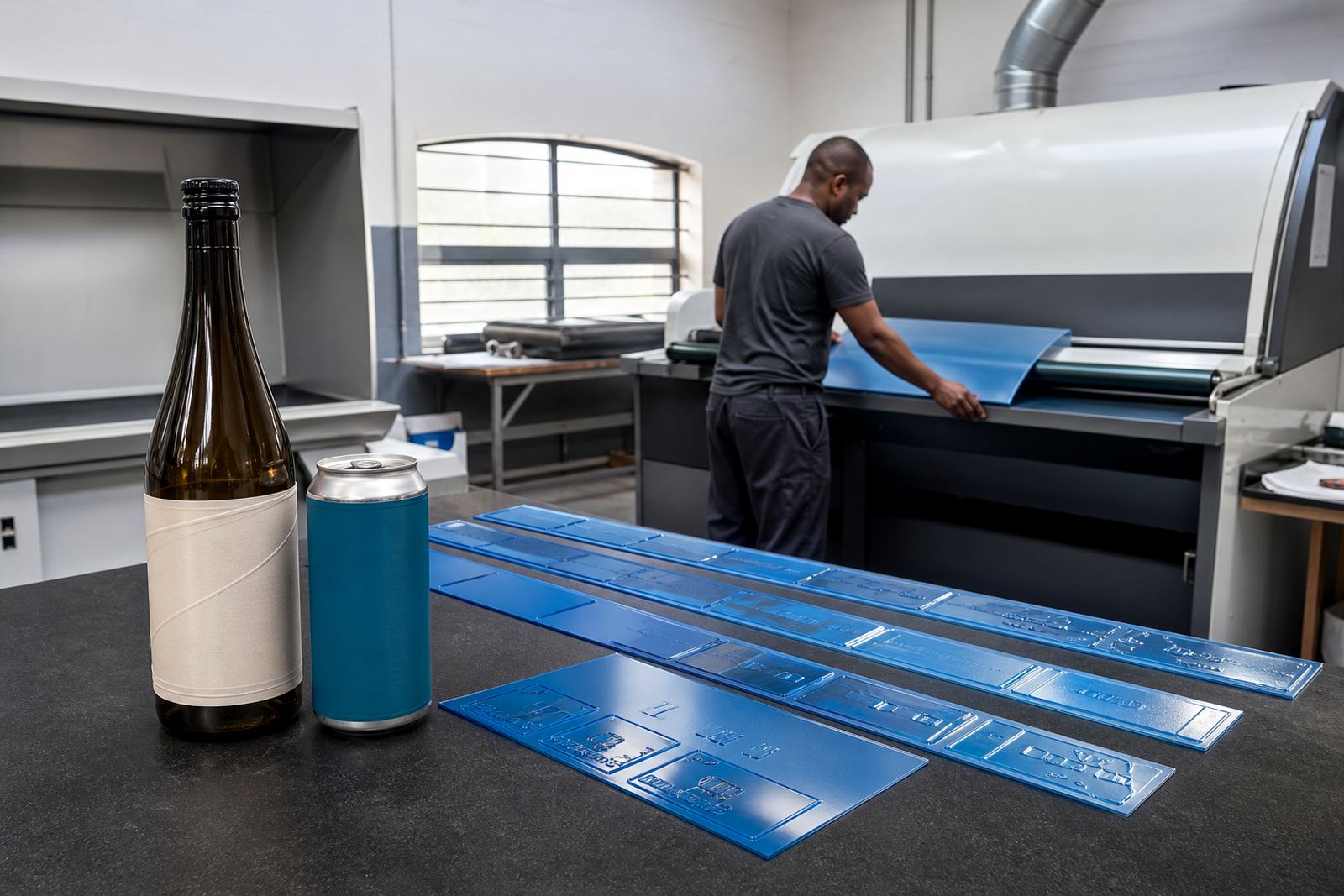
Once the artwork is approved, the plate-making stage needs to reflect the demands of the white layer. White often needs solid, even coverage, but that does not mean every part of the image should be treated the same. Large blocks, fine edges and small text each behave differently on plate. A heavy white patch behind a product name may need a different screening approach from a narrow highlight around a logo.
The plate technician will look at how the image should hold dot, where the edges need crispness, and whether any area needs softer transition. This is especially important on packaging where the white must sit cleanly under a transparent colour. If the plate is trimmed badly or labelled poorly, the wrong plate can easily end up in the wrong repeat and cause avoidable downtime.
For printers dealing with load-shedding, that admin matters even more. A planned job with correct labels, proof notes and packed dispatch is easier to bring back onto press after an interruption. It sounds simple, but good handling keeps the job moving when the day is already being interrupted by power cuts or delayed deliveries.
A Local Example: White on Clear Film for a Gauteng Label Run
Consider a Midrand label printer producing clear film labels for a beverage range going to retailers in Pretoria and Johannesburg. The artwork includes a bright white underlayer behind a blue brand panel and small black type over the same area. The film is slightly glossy, and the bottles will sit in cold storage before sale.
In that situation, the white layer has to do three jobs at once. It must hold the blue strongly enough to stop it from going weak, keep the black legible, and remain stable through handling and transport. If the plate file is rushed, the white may creep into the fine text or fall short at the edge of the colour panel. Once the job reaches the press, that mistake shows quickly.
For a run like this, good preparation normally includes:
- A clear white separation with sensible trapping
- Proof comparison against the approved artwork
- Careful plate labelling for repeat and side identification
- Dispatch packing that protects the plate edges during courier transport
That kind of job is common across Gauteng, but it is just as relevant for printers in Durban, Cape Town and Gqeberha who must match brand colour on different substrates and climates. Coastal humidity can affect handling and storage, so plates need to be packed and moved properly.
Practical Checks Before Plates Leave the Production Floor
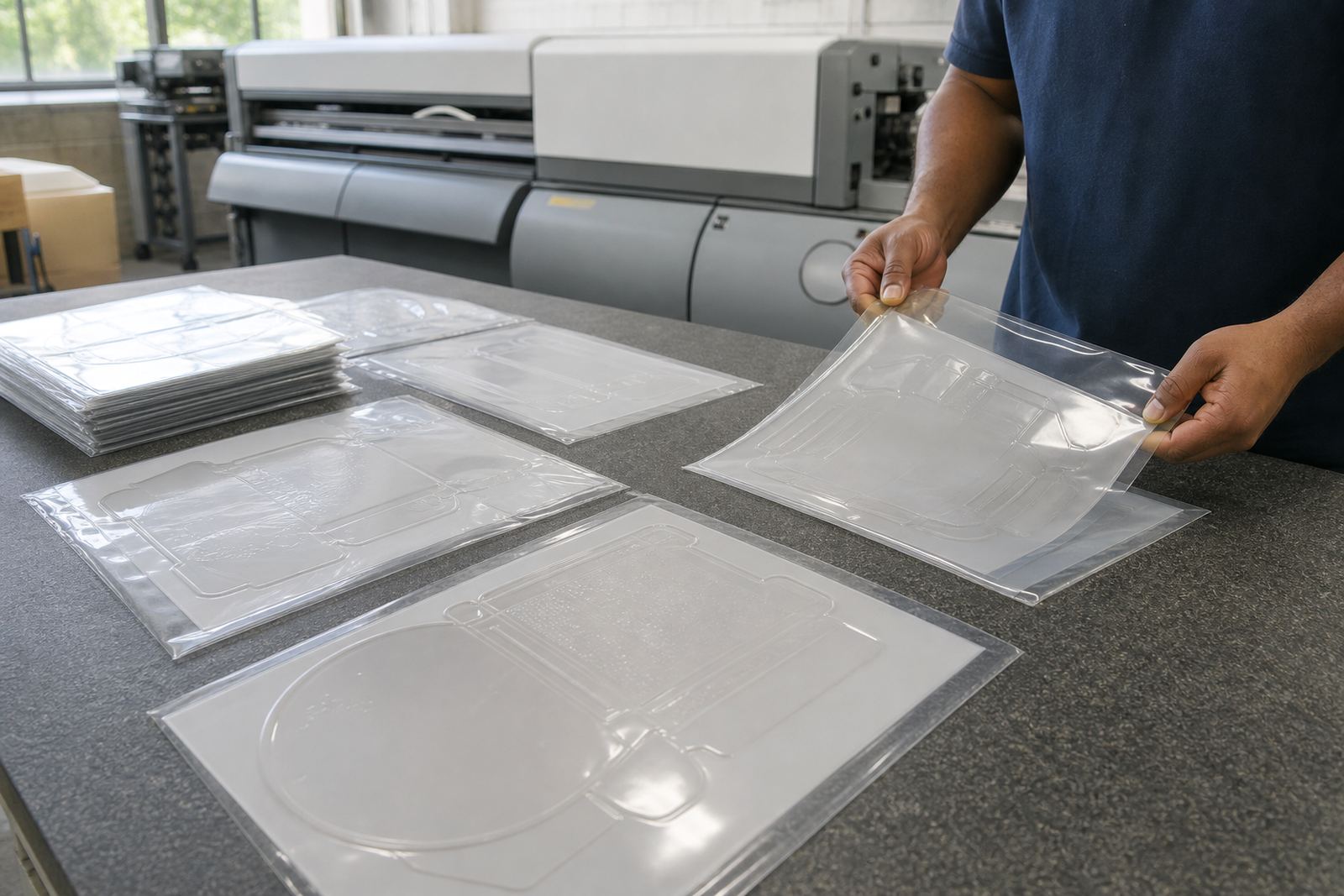
White underlayers deserve one last review before delivery or collection. The biggest problems usually come from missing notes, confusing file names or a plate that was trimmed too close to the image area. If the job is going out by courier, the packing also needs to resist bending and edge damage during transit.
Before release, a sensible checklist includes:
- Confirm the plate number against the approved job ticket
- Check the white layer note against the artwork proof
- Inspect trimming, mounting and label placement
- Make sure remake instructions are kept with the job record
- Verify collection or dispatch details for the correct branch or area
Printers across South Africa often work on tight schedules, and a small mistake in white support can waste more than one set of plates if it is not spotted early. A good plate room catches these issues before the job leaves Midrand, not after it arrives on press in another province.
What Good White Plate Preparation Actually Delivers
When white support layers are prepared properly, the print run is steadier, colour holds better and the finished pack looks more deliberate. The printer spends less time compensating on press, and the customer gets a label or carton that behaves the way the artwork promised. That is the value of treating white as a technical layer, not a decorative one.
At Flexo Printer Plates in Midrand, the work around white underlayers usually starts with artwork checking, then moves through imposition planning, plate making, proof comparison and dispatch packing. That process suits label and packaging printers who need practical support, whether the job is collected locally or couriered to Johannesburg, Pretoria, Durban, Cape Town or Gqeberha.
White printing is unforgiving, but with the right prep it becomes far easier to control. The better the file, the better the plate. And the better the plate, the less trouble on press.