
Start With the Label Structure, Not the Artwork Alone
Label work looks simple until the shape, repeat and finishing details are checked properly. A narrow bottle label, a wraparound tea label, or a short-run product sticker each behaves differently on press, so the plate plan must suit the actual application. At Flexo Printer Plates in Midrand, we look at the panel size, repeat length, rule thickness, side laps, bleed and any varnish or solid areas before plate-making begins.
For many jobs, the first step is not the image itself but the structure around it. A clean layout helps with plate mounting, avoids unnecessary trimming, and gives the printer a better starting point when setting up an anilox, substrate and impression. On labels, even small changes in the repeat can affect fit and registration over the full run.
In practical terms, this means checking the finished label size, the web width, the cylinder repeat and the direction of travel. If a job is going onto coated paper, film or synthetic stock, the plate plan should allow for how that material behaves under pressure and with ink laydown. Coastal humidity in Durban can also affect handling and storage, so packing and dispatch need to be considered too.
File Checking Before Plate Making Saves Time Later
Good prepress work reduces surprises. Artwork that looks fine on screen may still contain overprints, missing outlines, low-resolution images or incorrect knockout settings. That is why our artwork preflight and file checking service is part of the planning stage. The aim is to catch issues before plate-making starts, not after a press crew has already begun setup.
We usually check for:
- correct trim, bleed and safe area
- image quality and sharp type
- overprint settings and spot colours
- barcode and small text clarity
- repeat consistency across the full layout
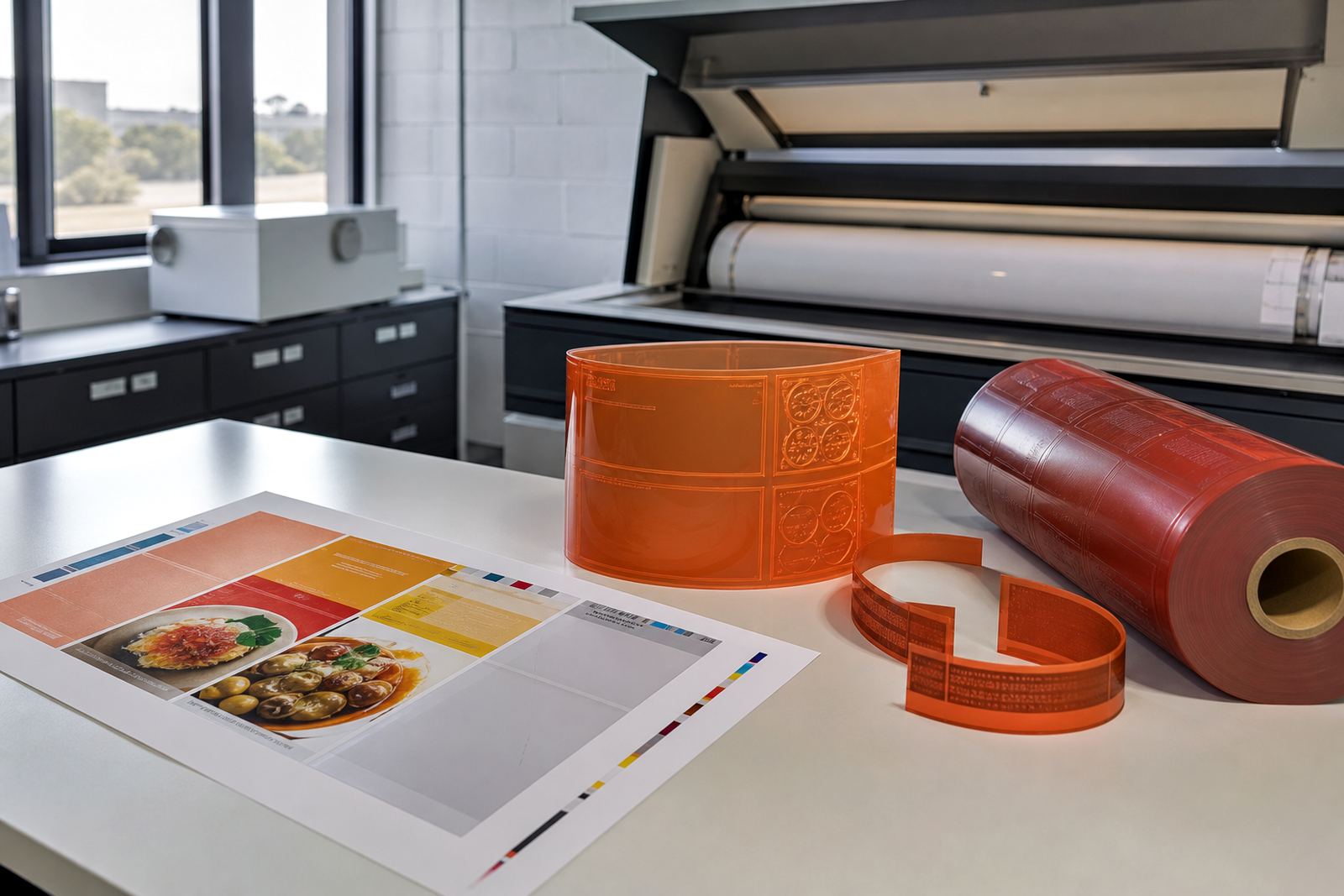
For label printers in Johannesburg or Pretoria, this stage often decides whether the job can move cleanly into plate output or whether it needs a quick correction first. It is also where proof comparison matters. A printed proof and the final file should agree on size, colour breaks and position, especially when the label carries legal text, batch space or a changing code area.
Repeat Length and Registration Need Proper Planning
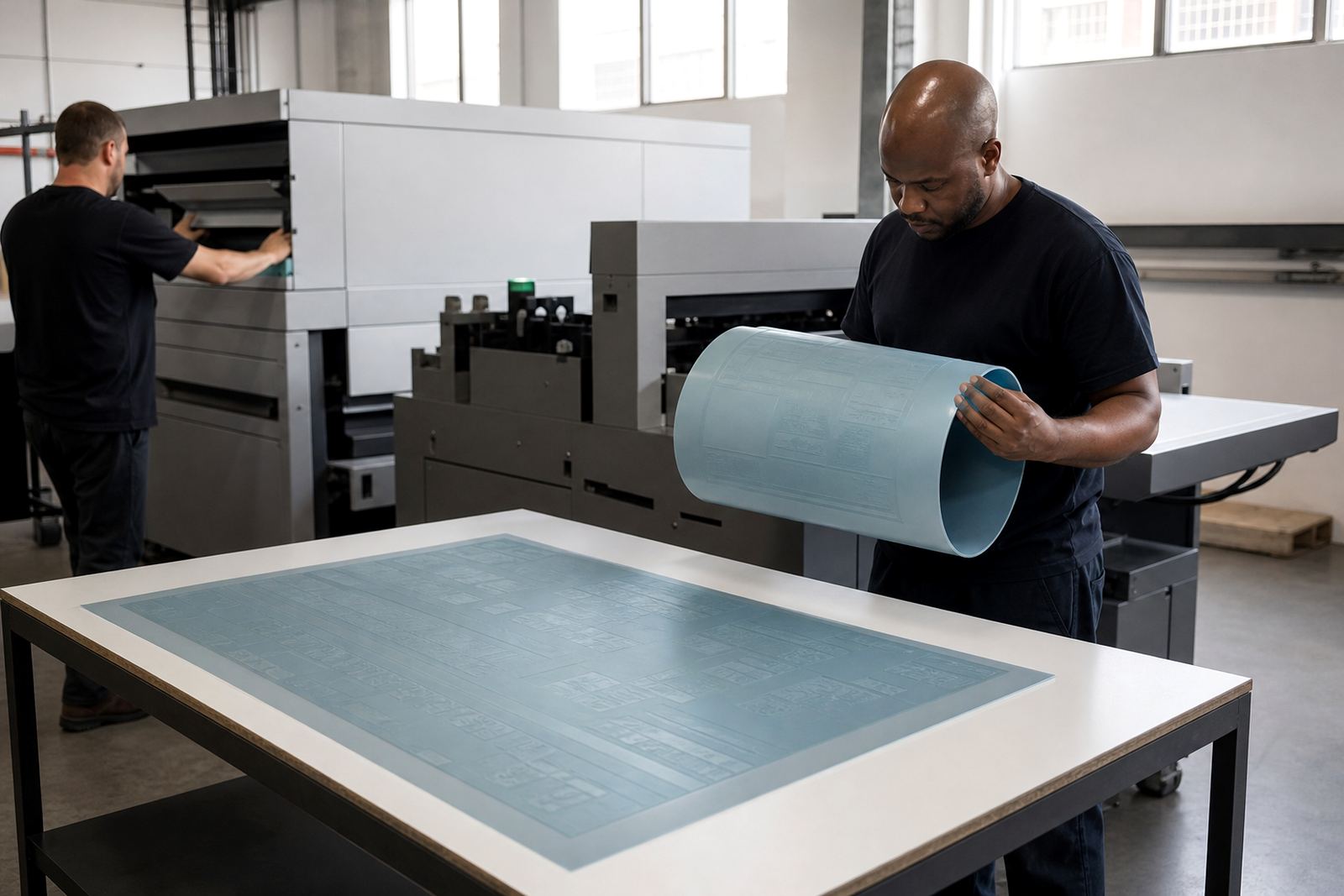
Flexo plates for labels have to match the press repeat exactly. If the repeat is off, the image may drift, sit too close to the cut line, or land badly against another colour. That is why imposition planning is more than fitting art on a sheet. It is about matching the layout to the machine and the job spec.
Repeat planning becomes even more important when the same label design is used across several sizes. A small retail label may need one repeat, while a larger packaging label on the same product line may need another. If the plates are mounted without proper planning, the printer can end up with uneven pressure or awkward adjustments on press.
We also check for direction changes, bar positions and any artwork that crosses the repeat seam. Small shifts can affect finishing, especially where the label is cut, peeled or applied by machine. In Midrand, many clients send mixed artwork packs for labels and cartons, so the right screening support and job notes help keep the plate plan clear from the start.
How Screening, Solids and Fine Detail Affect the Plate
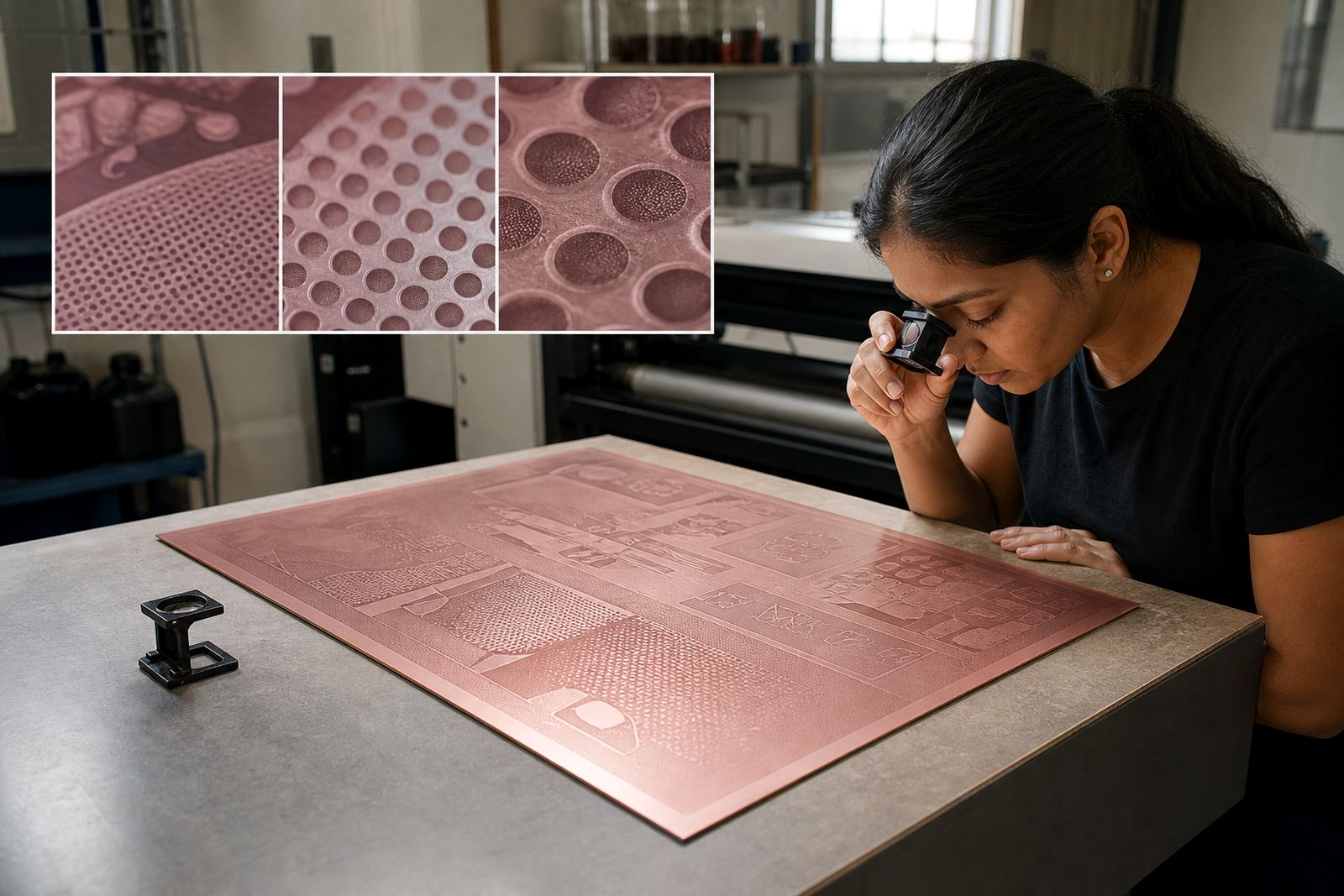
Not every label needs the same plate treatment. Solid blocks, fine reverses, tiny legal text and halftones all behave differently on photopolymer plates. The plate maker has to choose a setup that supports the print result without making the image heavy or weak. That decision affects ink transfer, edge sharpness and how the label reads once it is applied.
A practical example: a pharmaceutical-style label with small type and a lot of white space needs a different approach from a bold food label with heavy solids. If the image is too open, the print may look thin. If it is too heavy, fine text can fill in. Screening support helps balance those needs so the printer gets a plate that suits the design and the substrate.
- Fine detail needs clean file structure and accurate exposure
- Solid areas need even support to reduce patchiness
- Reverses need enough room so they do not close up on press
- Small type should be checked against the final print size
Practical Advice for Printers Working in Gauteng and Beyond
In Gauteng, many label printers work under tight schedules, with load-shedding, power changes and short notice reprints all part of the day. A sensible plate plan allows for remake support, clear labelling, and dispatch packing that protects the job in transit. That matters whether the plates are going to a plant in Midrand, a workshop in the East Rand, or a production floor in Cape Town.
We also advise printers to keep their job notes consistent. If the artwork file, the proof and the job card all use different names for the same label, mistakes happen. A single clear job reference, a correct repeat, and proper plate labelling make collections and courier delivery easier. For multi-site businesses, collection coordination can be arranged so the right plates reach the right line without confusion.
For Durban and Gqeberha clients, packing matters as much as plate quality because transport and weather can be hard on materials. Plates should be trimmed cleanly, stacked properly and packed to avoid bending or edge damage. This is basic, but it saves time when the job arrives at press and needs to go straight into mounting.
A Midrand Example: From File to Finished Plate
Take a local label printer in Midrand handling a new packaging label for a dry goods customer. The artwork arrives with a repeat that looks fine on screen, but the bar position sits too close to the edge and the legal text is slightly tight. During file checking, the layout is reviewed, the repeat is confirmed, and the trim line is adjusted before plate-making starts.
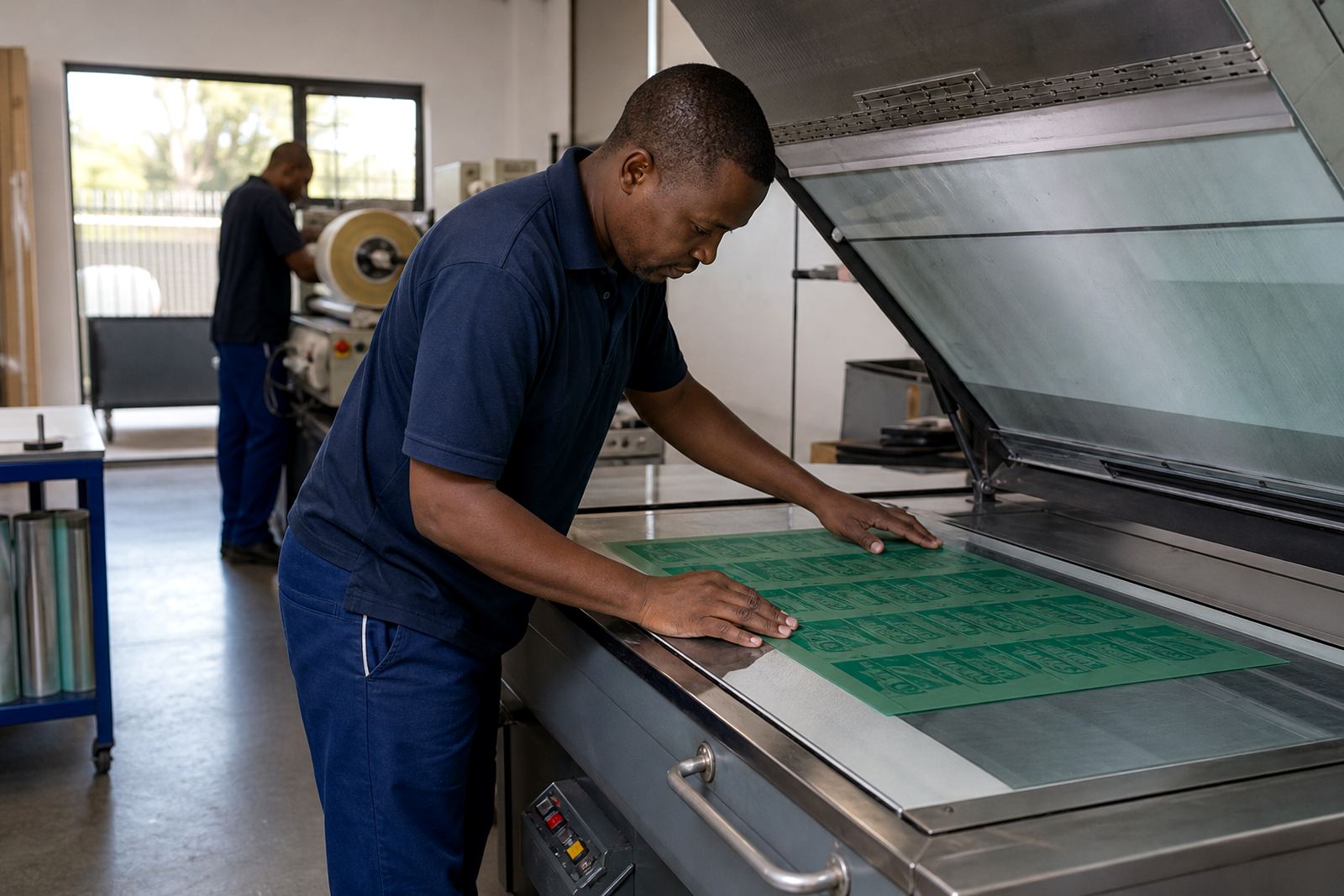
After that, the job moves through imposition planning, plate making, plate trimming and plate labelling. The mounting details are checked, the proof is compared against the approved file, and the final plates are prepared for dispatch packing. If a small revision is needed later, remake support can be handled against the same job reference so the next issue is simpler.
This kind of careful planning is what helps a label job run smoothly. It does not need fuss. It needs the right measurements, the right checks, and a team that understands how flexo work behaves on press. That is the difference between a plate that simply looks correct and one that actually prints correctly.
What to Send When You Enquire
When clients use the enquiry form on our contact page, the best starting point is a complete job brief. That gives the team enough information to advise on the plate structure, the file setup and the dispatch method. It also reduces back-and-forth, which is useful when the pressroom is busy or the job must move quickly.
- finished label size and repeat length
- substrate type and print direction
- artwork file or latest proof
- quantity of plates and any remake needs
- delivery area, collection point or courier request
With the right details upfront, label plate planning becomes a straightforward part of production instead of a problem at the last minute. That is especially important for printers serving retail, food, cosmetic and industrial packaging, where the label must look right first time and hold up through handling, transport and application.