
Why process colour needs tighter plate planning
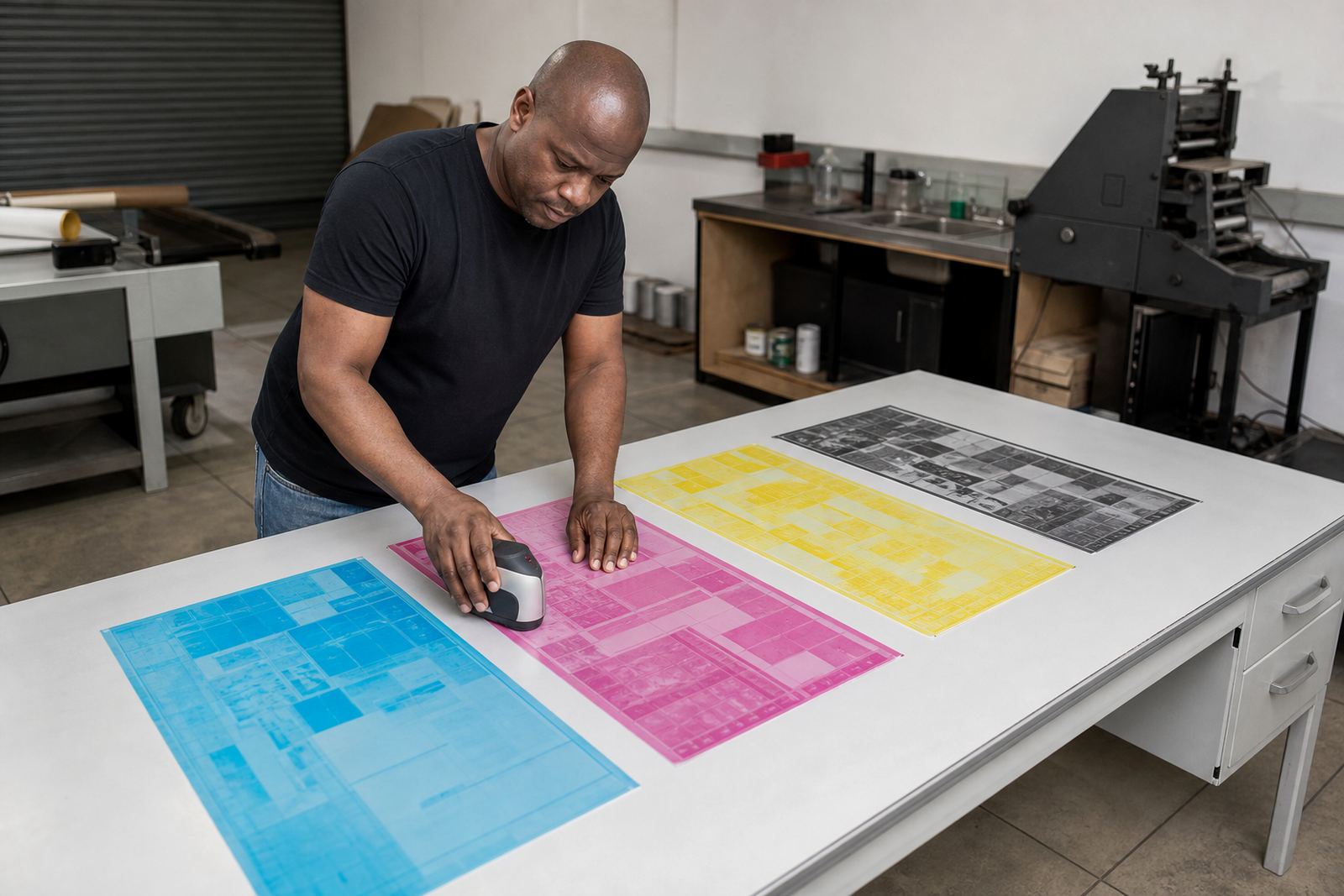
Process colour printing relies on cyan, magenta, yellow and black working together to build the final image. On labels and packaging, that means the plate-making stage has to support smooth tonal changes, clean fine detail and stable registration across the full run. If the plates are not set up with the print job in mind, images can look muddy, edges can fray and small type may lose clarity.
For South African printers, this matters on everyday jobs such as shrink sleeves, sachets, cartons and self-adhesive labels. A product might print well in one plant and struggle in another because of anilox choice, substrate behaviour or press setup. Good plate planning helps reduce those headaches before the job reaches press.
At Flexo Printer Plates in Midrand, the aim is to prepare plates with the printed result in mind, not just the file on screen. That means checking how the artwork will behave on press, how the colours will separate, and whether the plate layout supports efficient mounting and repeat work later on.
Start with clean files, not just pretty artwork
Process colour problems often begin before plate-making. Artwork that looks fine on a monitor can still carry issues that affect print quality, such as low image resolution, weak contrast, poor overprint settings or hidden elements that were never intended for output. Preflight checking helps catch these faults early, before material and press time are wasted.
For label and packaging printers, the most useful checks are usually practical ones. Are the images sharp enough for the required line screen? Do all separations match the intended process build? Is text set to reproduce cleanly at the final size? Are knockouts, transparencies and trapping set correctly? These are the details that make the difference between a tidy print and a costly remake.
- Check images for resolution and tonal quality before plate output.
- Confirm that process separations are complete and correctly named.
- Review small text, fine lines and reverse type for printability.
- Look for hidden objects, stray colours or overprint settings that may alter output.
When the file is in good shape, the plate room can focus on reproducing it accurately. When the file is messy, even good equipment will struggle to give a clean result.
Screening choices affect highlight detail and shadow depth
Process colour work places different demands on screening than spot colour work. A label with a soft skin tone, fine gradients or dark image areas needs screening that holds detail without blocking up shadows or breaking highlights too early. The best approach depends on the press, the artwork and the substrate.
On absorbent stocks, the dots may spread more than expected, while on smoother films the image can hold tighter detail but show mounting or impression issues faster. That is why screening support is part of proper plate planning. It is not only about making dots, but about making dots that still behave once the job is running.
Printers in coastal areas such as Durban and Gqeberha also deal with humidity shifts that can affect handling and storage. Plates and mounted jobs need to be treated carefully so that edge integrity and registration are not compromised before the press starts. On the Highveld, dry conditions and load-shedding related scheduling can create different handling pressures, so planning needs to stay practical from one site to the next.
Proof comparison saves time on colour-critical jobs
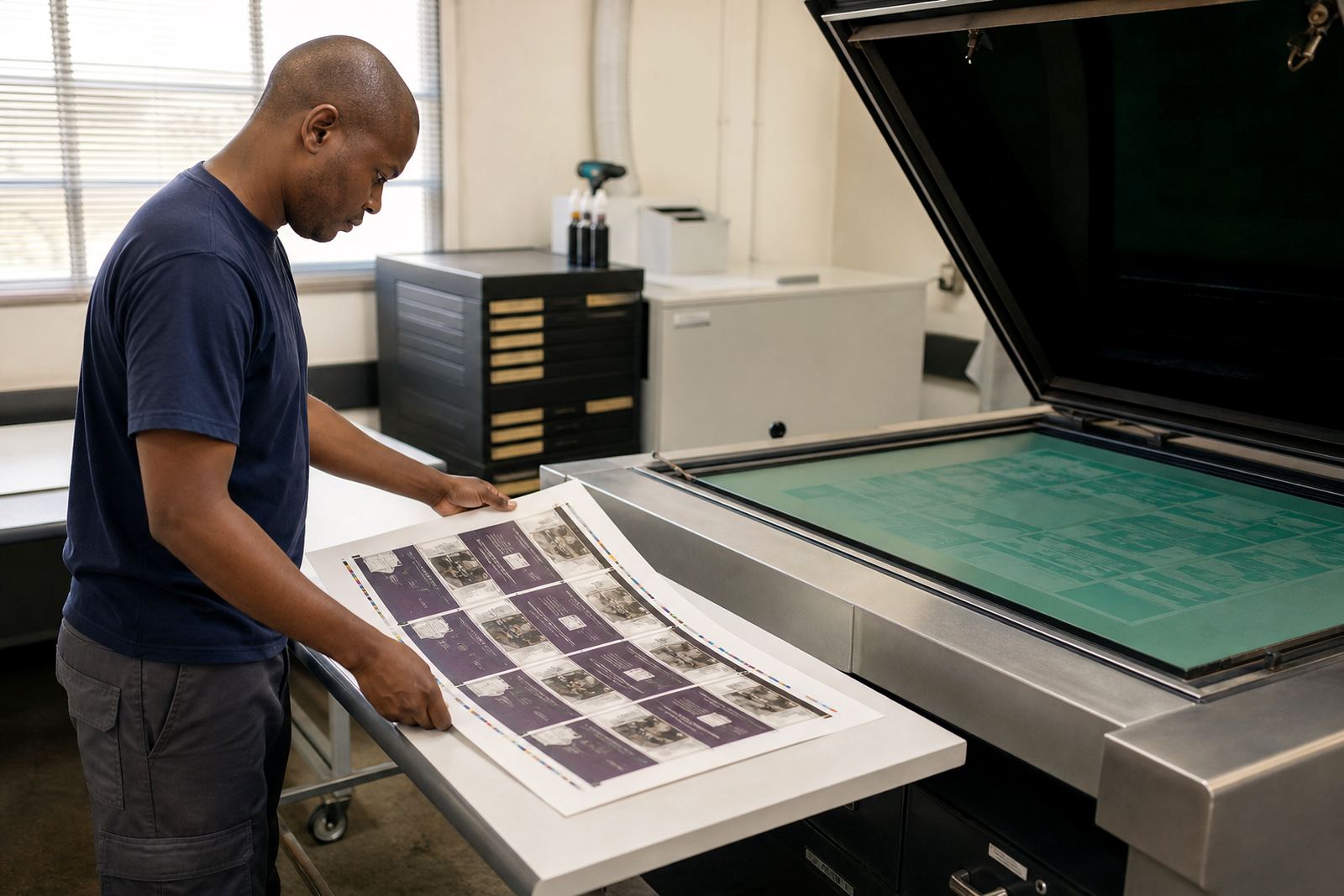
With process colour, it helps to compare the file against the proof before plates are trimmed and dispatched. That check is not about chasing perfection for its own sake. It is about spotting the things that would be expensive to fix later, such as colour shifts, incorrect trapping, missing objects or weak contrast in important image areas.
A good proof comparison also helps when clients expect a strong visual match across a range of packs or labels. A fruit flavour, a cosmetic carton or a promotional label may all carry the same image, but the print result can vary if the artwork is handled differently from job to job. Consistency comes from checking the same basics every time.
- Compare critical colour areas against the approved proof.
- Check that all brand elements sit correctly in relation to the image.
- Confirm that page order, rotation and repeat length are right.
- Verify that trim marks and plate labels match the press plan.
For local printers, this step is especially useful when the job is being couriered across Gauteng or sent to another province. Once the plates leave Midrand, the chance to adjust them becomes much smaller, so the checks need to be solid upfront.
Mounting and trimming matter more than many people think
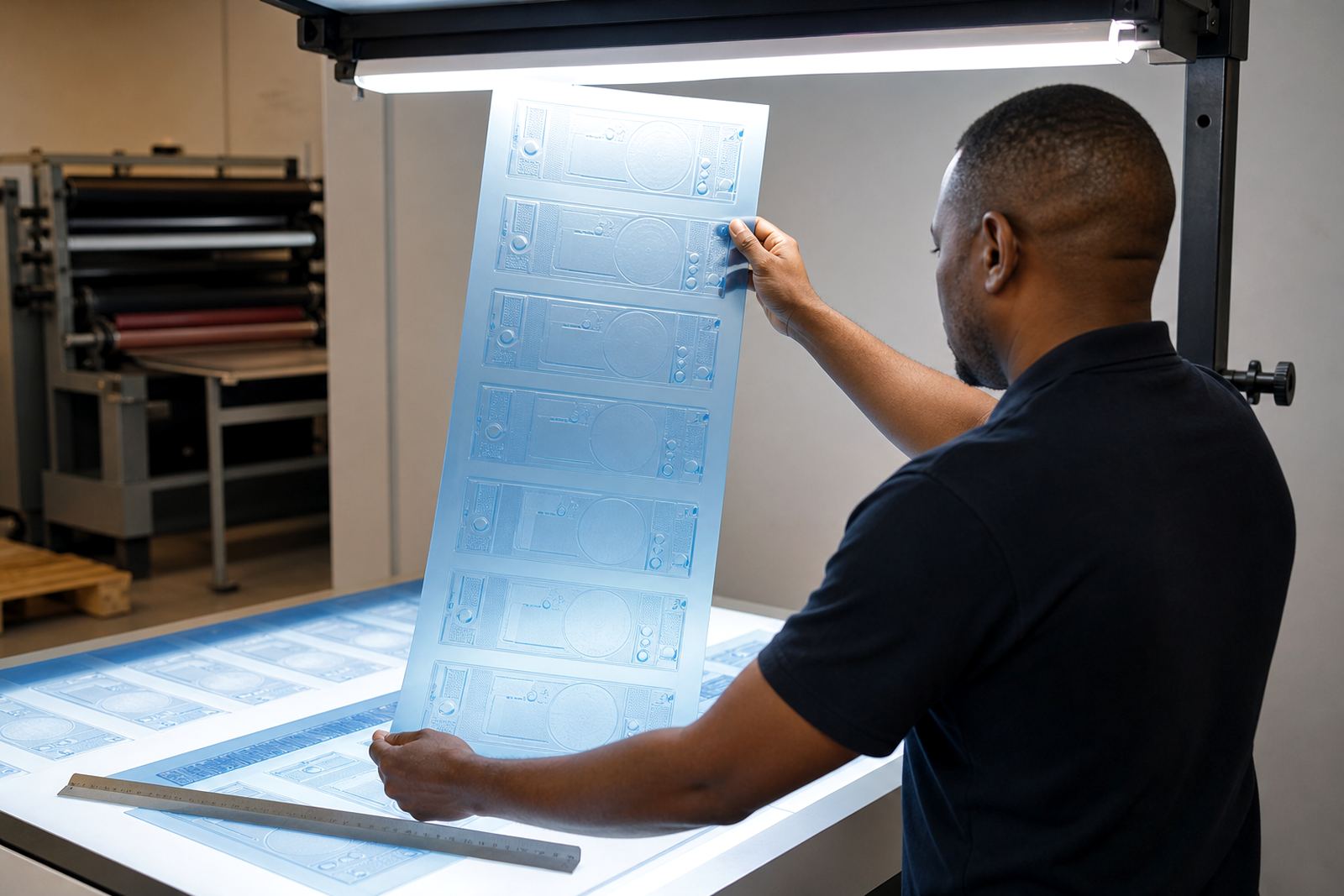
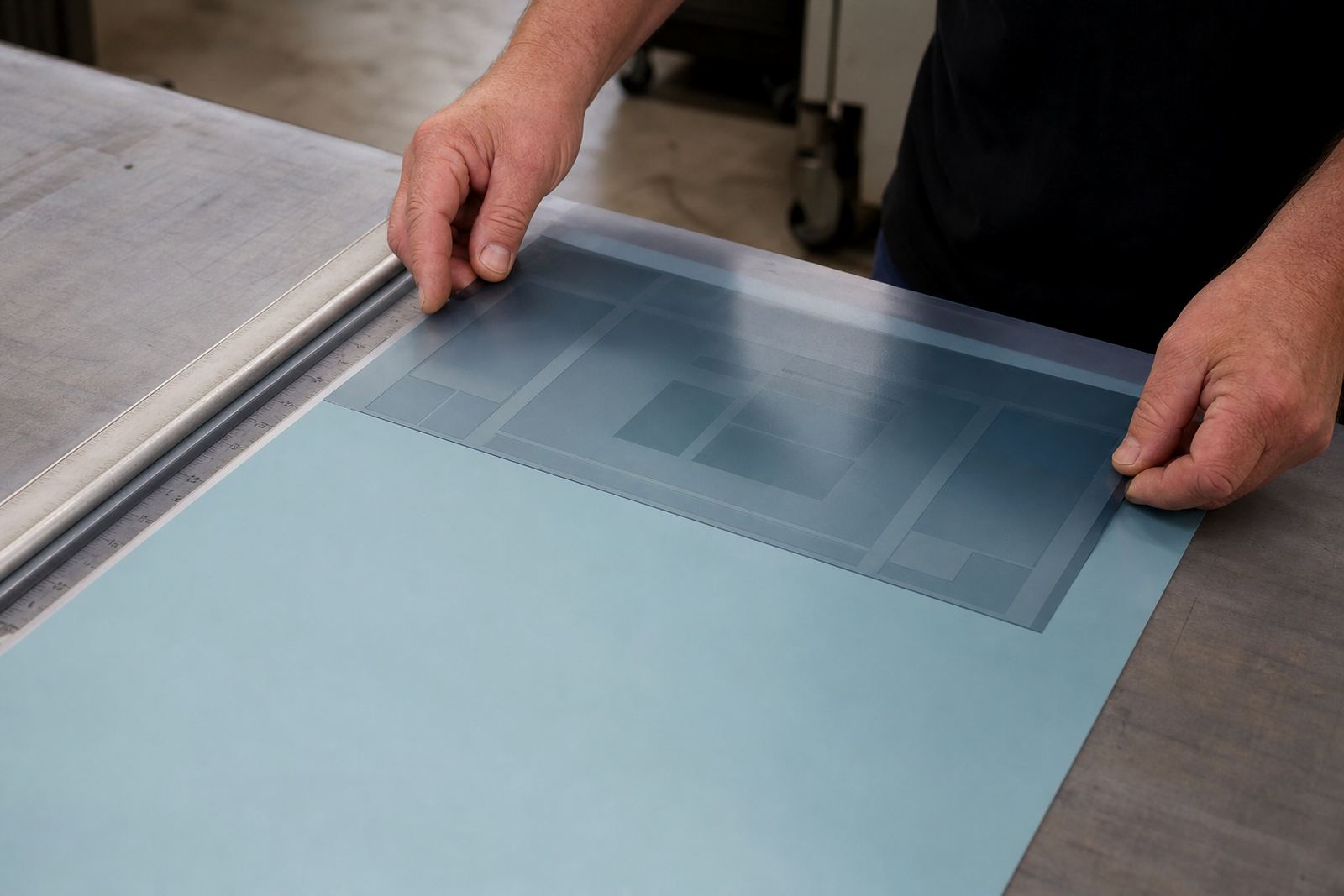
In flexo, a well-made plate can still disappoint if it is mounted badly or trimmed inaccurately. Process colour jobs are particularly sensitive because the four separations must meet cleanly to build the image. If one plate sits slightly off, the result may show as a colour fringe, soft edge or uneven shadow.
That is why plate trimming, plate labelling and mounting support are part of the same service chain, not separate chores. Clear labels help the press team identify each separation fast, while clean trimming makes handling easier and reduces damage during mounting. For repeat work, accurate records also help the next run start on the right footing.
At Flexo Printer Plates, technical job advice is often useful when a printer is balancing speed, substrate choice and image quality. Sometimes a small change in mounting method or plate layout can reduce waste and make the job more stable on press. It is practical work, not theory for its own sake.
A Midrand example: one image, several print realities
Take a label printer in Johannesburg handling a process colour sleeve for a food product headed to stores across South Africa. The artwork may carry fine tonal blends, small legal text and a bright product image. The file can look fine on screen, but the plate plan still has to account for how that image will print on the actual substrate and press conditions.
In that kind of job, preflight checking catches file issues, imposition planning sets the layout for efficient press use, and proof comparison confirms the image is behaving as expected. After that, the plates are trimmed, labelled, packed and sent out by courier to the right plant, whether that is in Pretoria, Cape Town, Durban or Gqeberha.
That process keeps the work organised and makes it easier for the printer to focus on press setup instead of fixing avoidable file problems. It also helps smaller businesses that need dependable output without having to keep every technical step in-house.
What printers should ask before sending a process colour job
Before a process colour job is handed over, it helps to ask a few direct questions. They are simple, but they prevent a lot of wastage. If the answer is unclear, the job needs another look before plates are made.
- Are the separations complete and correct for the final print method?
- Has the artwork been checked for fine detail, traps and reverse type?
- Does the proof match the intended image appearance closely enough?
- Are the plates being prepared for the correct press, repeat and mount plan?
- Will the finished set be packed and labelled so the press team can identify it quickly?
Process colour work is less forgiving than many single-colour jobs, but it is manageable when the plate room, the artwork and the press team are all working from the same facts. That is the real value of a careful plate-making partner in Midrand: fewer surprises, better control and cleaner printed results across South Africa.