
Start with the job, not just the artwork
When you ask for plate advice, begin with what the finished pack or label must do on press. A good plate supplier will want to know whether the job is for film, paper, board or shrink material, and whether the print run is short, repeat work or a one-off. That detail changes how the plate is prepared and how the artwork is checked.
For example, a label printer in Midrand may be running a small SKU change for a Gauteng food client one day and a long packaging run for a Durban converter the next. The same file can need different handling depending on the material, press width and the kind of ink transfer needed. If the job is going through a humid coastal route or stored in a warehouse with temperature swings, that can also affect how the plate is packed and handled.
- What substrate is the job going onto?
- Is the print for labels, cartons or flexible packaging?
- Will the job run on the same press again later?
- Are there any fine type, solid blocks or reverses that need extra care?
Ask how the files will be checked before plate making
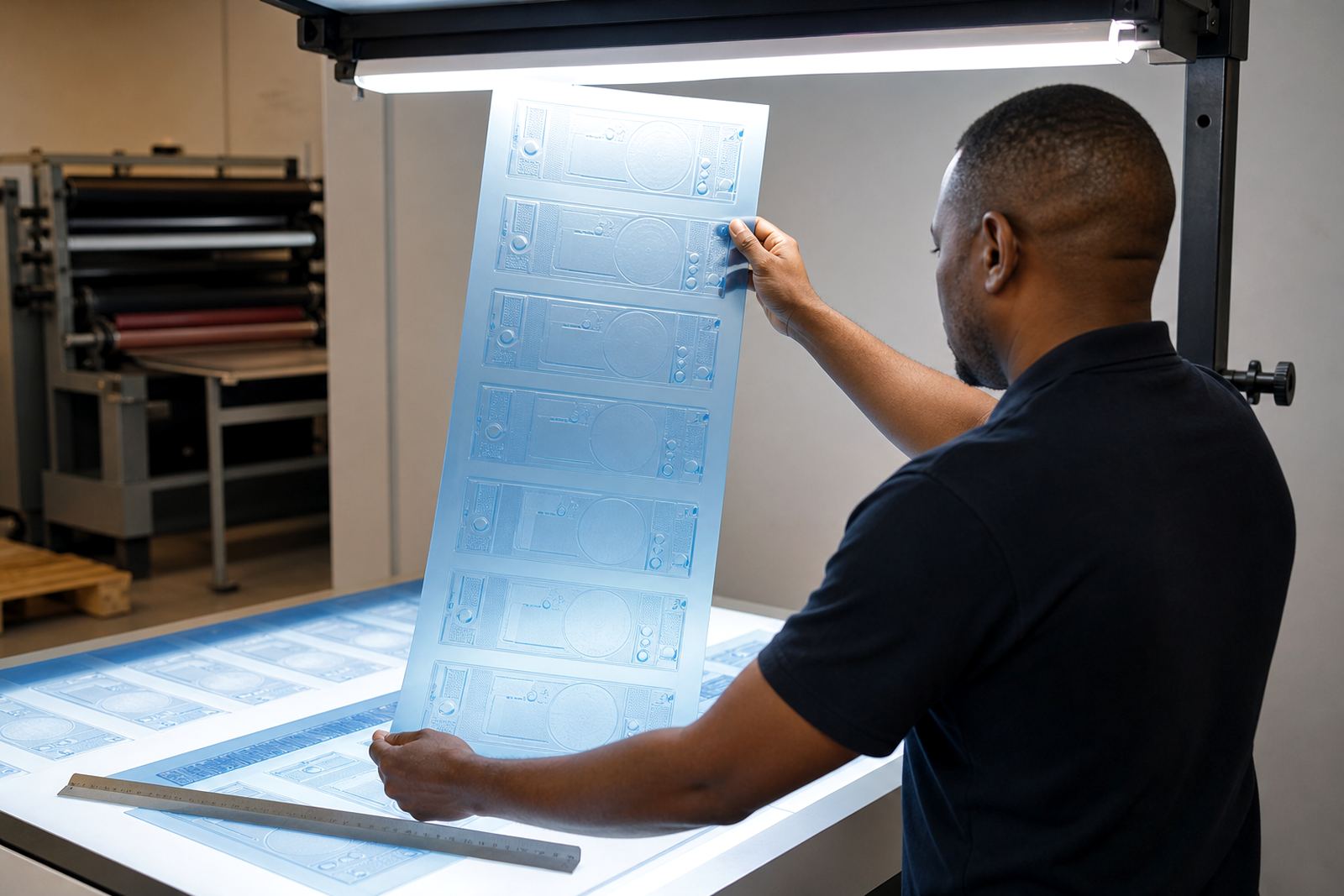
One of the most useful questions is simple: what will you check before making the plate? Artwork problems often start long before the press starts up. Missing bleed, low resolution images, wrong overprints or fonts that have not been outlined can all lead to delays. If the plate supplier does artwork preflight and file checking, ask what they look for and what they need from you when something is off.
It also helps to ask whether they want a PDF, layered artwork or imposed layouts. Some jobs need imposition planning so the image positions match the press and the cutter. If a label is being trimmed close to the edge, or if there are multiple up positions, small setup choices matter. A clear answer early on can avoid remake work later on, and nobody wants that when load-shedding already cuts into production time.
- What file format do you prefer?
- Do you check trapping, bleed and image resolution?
- Will you advise if the file needs adjustment before plate making?
- Can you compare a proof against the final file before proceeding?
Talk through screening, dot gain and fine detail
Plate advice should cover how the image will reproduce on the press, not just how it looks on screen. Ask what screening support is suitable for the job, especially if the design has fine text, vignettes, small barcodes or brand colours that must hold steady across the run. Different artwork can need different plate handling to keep detail crisp.
If you are printing packaging for products sold in Johannesburg, Pretoria or Cape Town, the customer may judge the pack by small details like label edge sharpness and colour consistency. A good supplier should be able to talk you through how the plate will carry solids, halftones and reverses. They should also say when a proof comparison is worth doing, rather than guessing on press. That saves time and gives the printer a better chance of getting the result right first time, or close enough to it.
- Will the artwork need special screening support?
- Are there fine lines or small text that may need adjustment?
- Should we compare a proof before plate output?
- How will the plate handle solids and gradients?
Ask about trimming, labelling and plate handling
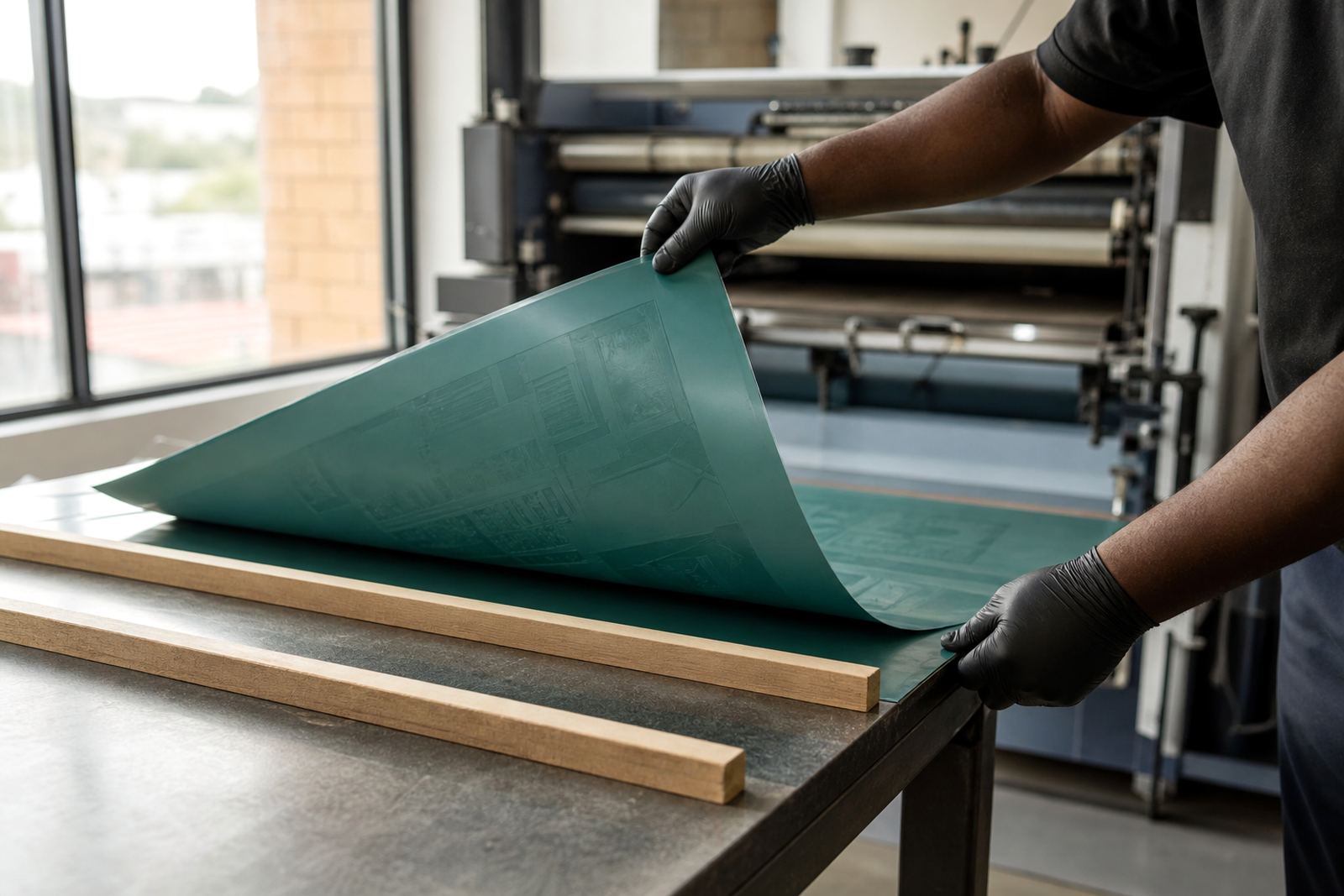
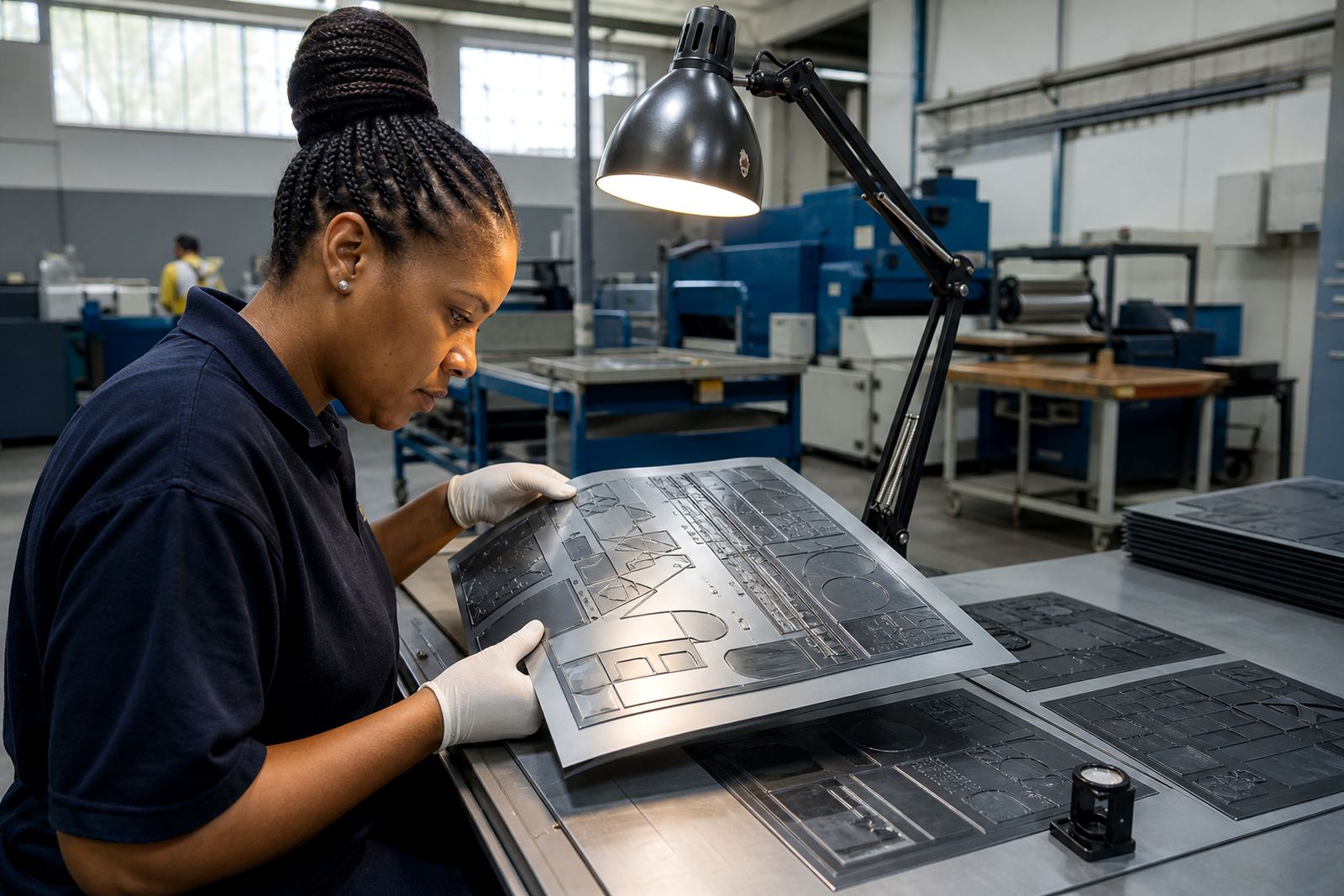
Good plate advice should include what happens after the plate is made. Ask how plates are trimmed, labelled and packed, because those small steps affect setup speed at the press. If a job has several repeats, versions or sizes, clear plate labels help the operator pick the right set without confusion. That matters in busy plants where jobs move quickly between shifts.
If your business is in the East Rand or West Rand and the plates are being couriered out to another site, packing becomes even more important. Plates need to travel flat, clean and protected from dust or pressure marks. Moisture near the coast can also be a factor, so ask how the plates are wrapped before dispatch. It sounds basic, but a bent or mixed-up set can hold up a full production day.
- How are plates trimmed for press use?
- Will each plate be clearly labelled?
- How are plates packed for courier delivery?
- Can collection be coordinated if the job is urgent?
Remakes, changes and the cost of small fixes
Another question customers should ask is what happens if the artwork changes after approval. Packaging and label work often shifts because of a regulatory note, barcode change or last-minute copy update. Ask how remake support is handled, what part of the file needs to be resubmitted, and whether the supplier can rework one plate rather than the full set.
This is where clear technical job advice helps. If the change is only in one panel, the supplier should tell you whether the change can be isolated. If a full plate set is needed, that should be clear too. It is better to ask before the job enters production than to find out when the press is already waiting. A straightforward discussion can save time, material and a fair bit of frustration.
- What happens if the artwork changes after approval?
- Can you remake only the affected plate?
- Will the original file need to be resubmitted?
- How should corrections be marked to avoid confusion?
A local example from Midrand to the coast
Say a label printer in Midrand is preparing a packaging job for a Durban customer with a tight pack design, small legal text and a few solids that must stay even on press. The best first question is not only “Can you make the plate?” It is “What do you need from us to make the plate correctly?” That opens the door to file checking, proof comparison and imposition planning before anything is cut.
For a coastal delivery, the printer may also ask how the plates will be packed for courier collection and whether dispatch can be timed around the press schedule. If the job is going from Midrand to Gqeberha, that extra planning can prevent damage and reduce setup delays. A practical plate supplier should be able to talk through the job in plain terms, without making it more complicated than it needs to be. That is what customers usually need most.
Questions that make the conversation easier
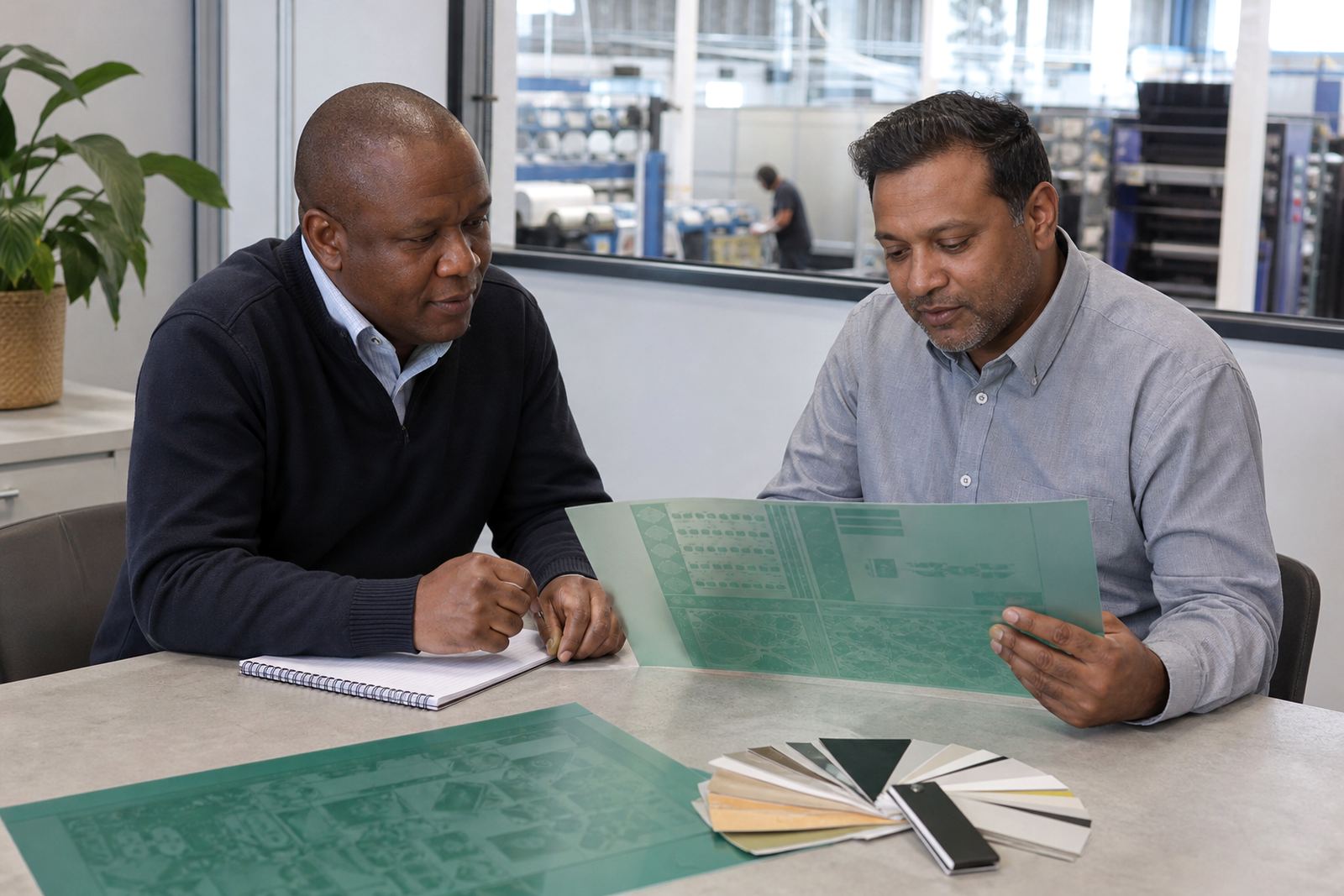
If you are not sure where to start, use a short checklist when you call or send an enquiry through the contact page. Keep it focused on the job, the press and the delivery point. The clearer the brief, the better the plate advice.
- What is the product and where will it be printed?
- Which substrate and press will be used?
- Do you want the supplier to check files before plate making?
- Is there a proof to compare against?
- Do you need plate trimming, labelling and dispatch packing?
- Will the job need remakes or repeat ordering later?
Those are the questions that help a plate supplier give useful, practical advice. They also make it easier to plan around South African realities like courier timing, municipal collection rules and power interruptions. Good plate work starts with a proper conversation, and that conversation is usually best when it is direct and specific.