
Why Short Runs Still Need Careful Plate Preparation
Small run work can look simple on paper, but it often carries the tightest expectations. A label or carton order might only run for a few thousand metres, yet the customer still wants sharp text, clean solids and repeatable colour from the first sheets or first metres through to the last.
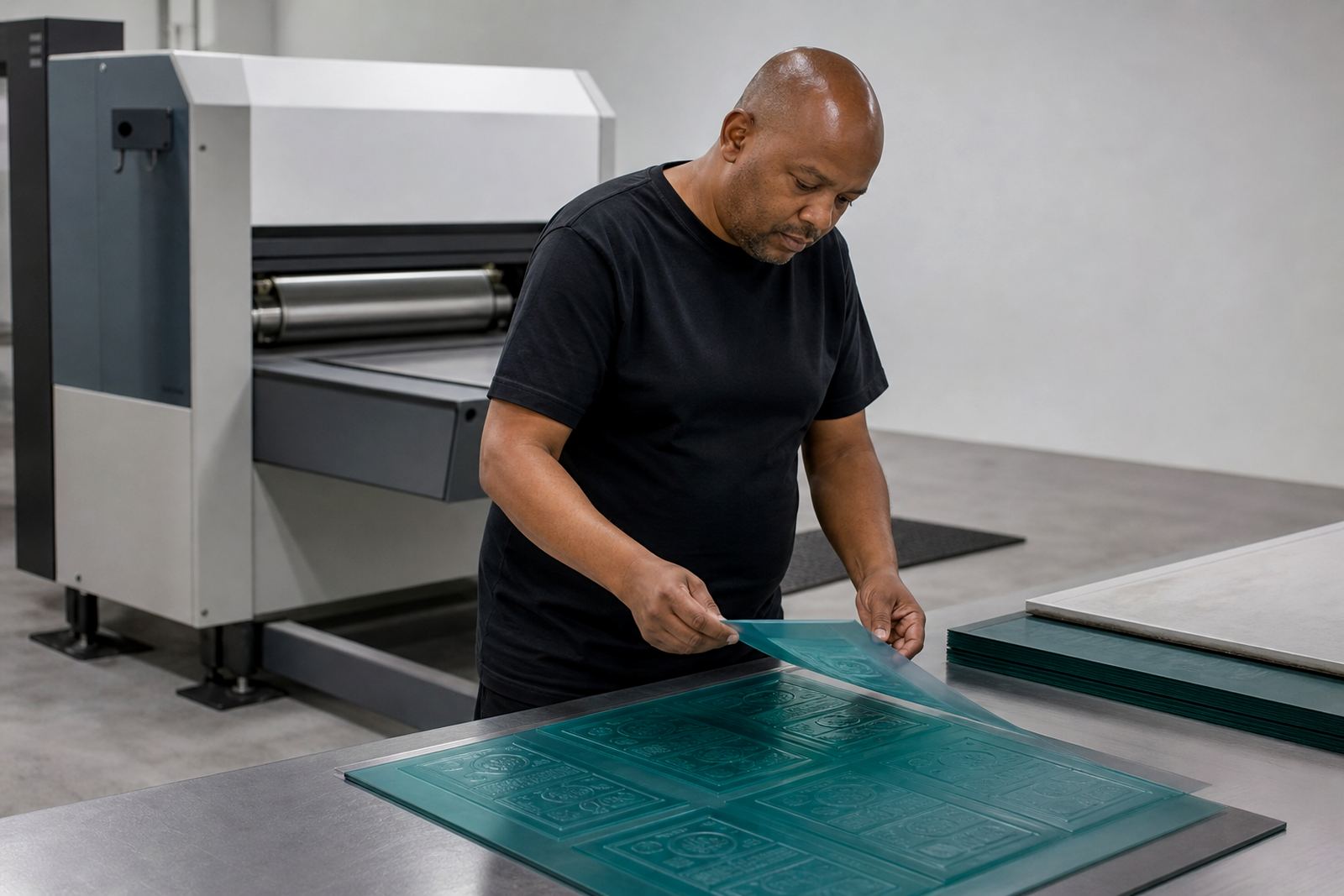
That is where plate-making matters. When the photopolymer plate is prepared properly, the printer gets better image transfer, cleaner detail and fewer surprises on press. With short runs there is less room to recover from a weak plate, because there is not much volume to absorb waste, make-ready time or rework.
For printers working in Midrand, Johannesburg or Pretoria, this is often the difference between a job that stays profitable and one that becomes a headache. Smaller orders may move quickly, but they still need the same discipline as bigger production runs.
What Changes When The Run Is Shorter
Shorter runs usually mean more frequent changeovers, more varied artwork and a closer eye on cost per job. Plates need to support that pace without adding extra correction time or confusing the press team on the day.
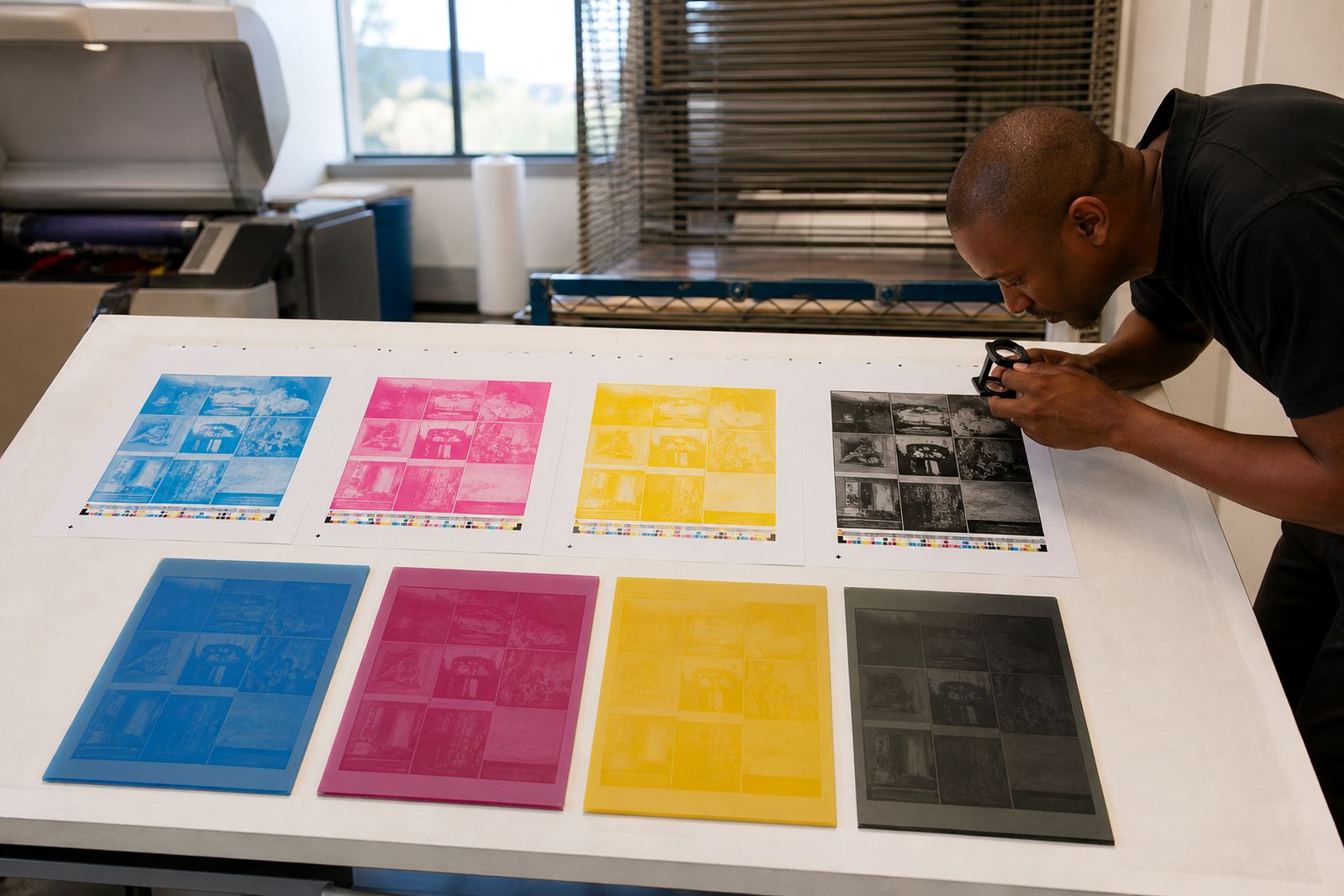
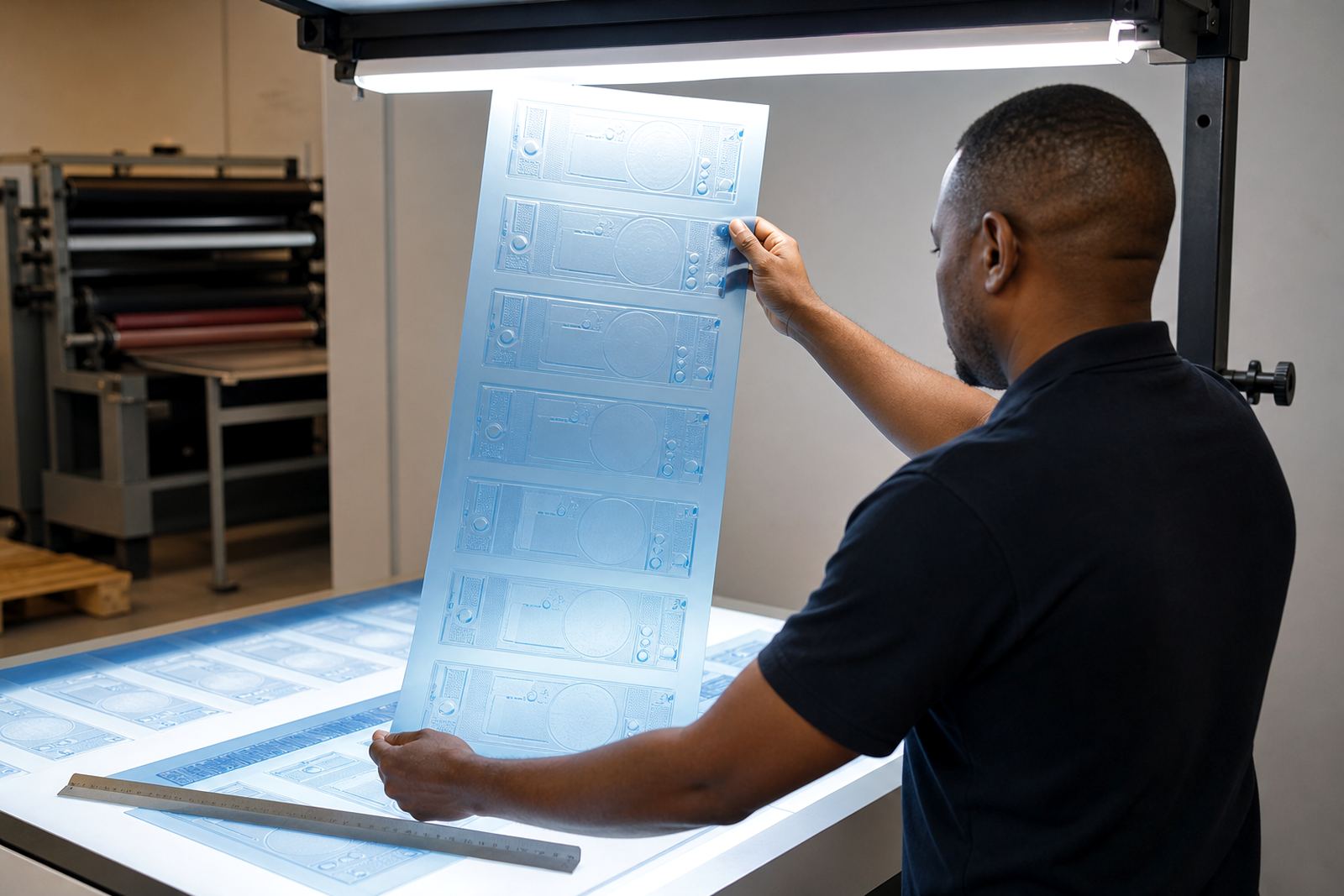
Good prepress checks help keep the job steady before it reaches the pressroom. That includes checking image placement, line thickness, trapping, knockouts and the way type behaves at the final size. If these details are handled early, the printer is less likely to lose time sorting out avoidable plate issues later.
- Fine text must hold up at the finished size.
- Small screens and vignettes need clean reproduction.
- Solid areas should print evenly without patchy breaks.
- Plate labels and job notes must stay clear for pressroom handling.
Plate Checks That Pay Off On Small Orders
When a short run comes in, the smartest move is to treat the plate as part of the production control, not just a consumable. A checked plate can save metres, ink and time on press. That matters even more on packaging and label work where repeat orders may be slightly different each time.
At our Midrand base, jobs often come in from Gauteng and beyond with only a narrow window for dispatch. Before plates are packed and sent out, practical checks help reduce the chance of problems at the machine.
- Artwork preflight to catch missing elements, wrong sizes or low-resolution items.
- File checking to confirm separations, overprints and die line alignment.
- Imposition planning so the plate layout suits the press and substrate.
- Proof comparison to compare supplied artwork with the prepared plate file.
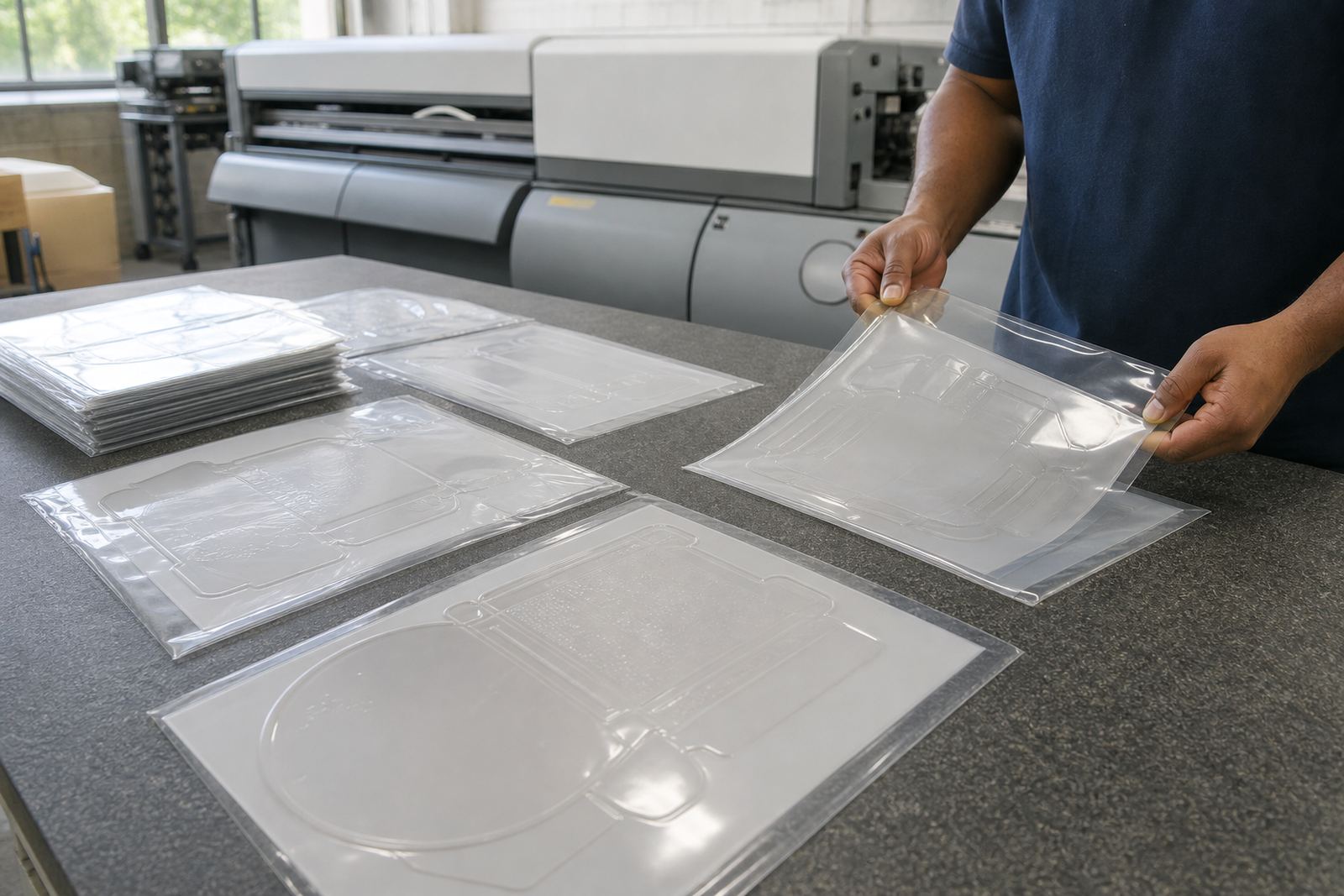
- Plate trimming and labelling so the right plate reaches the right station fast.
Short Runs For Labels And Packaging Need Clean Detail
Labels, sleeves and lightweight packaging usually carry more information than people expect. There may be a barcode, batch code, ingredients, safety text and branding all competing for space. On a small run, every detail needs to print cleanly because there is often no margin for a second pass.
Photopolymer plate-making supports that detail when it is handled with precision. Fine line work, small reversed type and tight registration all depend on the plate being prepared with the finished print conditions in mind. That means thinking about the substrate, ink, press speed and the likely effect of humidity or storage in the print room.
In coastal areas like Durban or Gqeberha, moisture can affect handling and storage more than people expect. In Gauteng, load-shedding can interrupt workflow and extend job timing, so well marked plates and proper packing become even more important.
A Practical Midrand Example
A local printer in the East Rand may get a short packaging job for a promotional season, with a fast collection needed in the same week. The artwork includes two colours, small text and a repositioned logo that needs careful alignment. There is no room for guesswork, because the order is small but the brand visibility is high.
In that situation, careful plate preparation helps the printer start with confidence. After file checking, the plates are trimmed, labelled and packed for collection or courier delivery. If a detail needs clarification, technical job advice can be given before the job leaves the production floor, not after the press has already started.
This approach suits printers serving Johannesburg, Pretoria and the surrounding areas where smaller reprints, seasonal labels and trial packaging runs are common. It keeps the job moving and helps avoid costly press interruptions.
What Printers Should Ask Before Sending A Small Run
Short runs are easier to manage when the plate supplier understands the press, the substrate and the final use of the job. A quick conversation up front can prevent a lot of back and forth later, especially where artwork changes are common.
It helps to ask clear, practical questions before production begins.
- Is the file ready for flexo or does it need screening support?
- Are there any fine elements that may need adjustment?
- Will the plate layout suit the press and repeat length?
- Is collection coordination needed, or should dispatch be arranged?
- Should remake support be kept in mind for repeat orders?
When these basics are handled early, short run plates can perform just as well as longer production jobs. The difference is not the size of the order, but the care taken before the plate reaches the press.