
Why plate storage matters after the press run
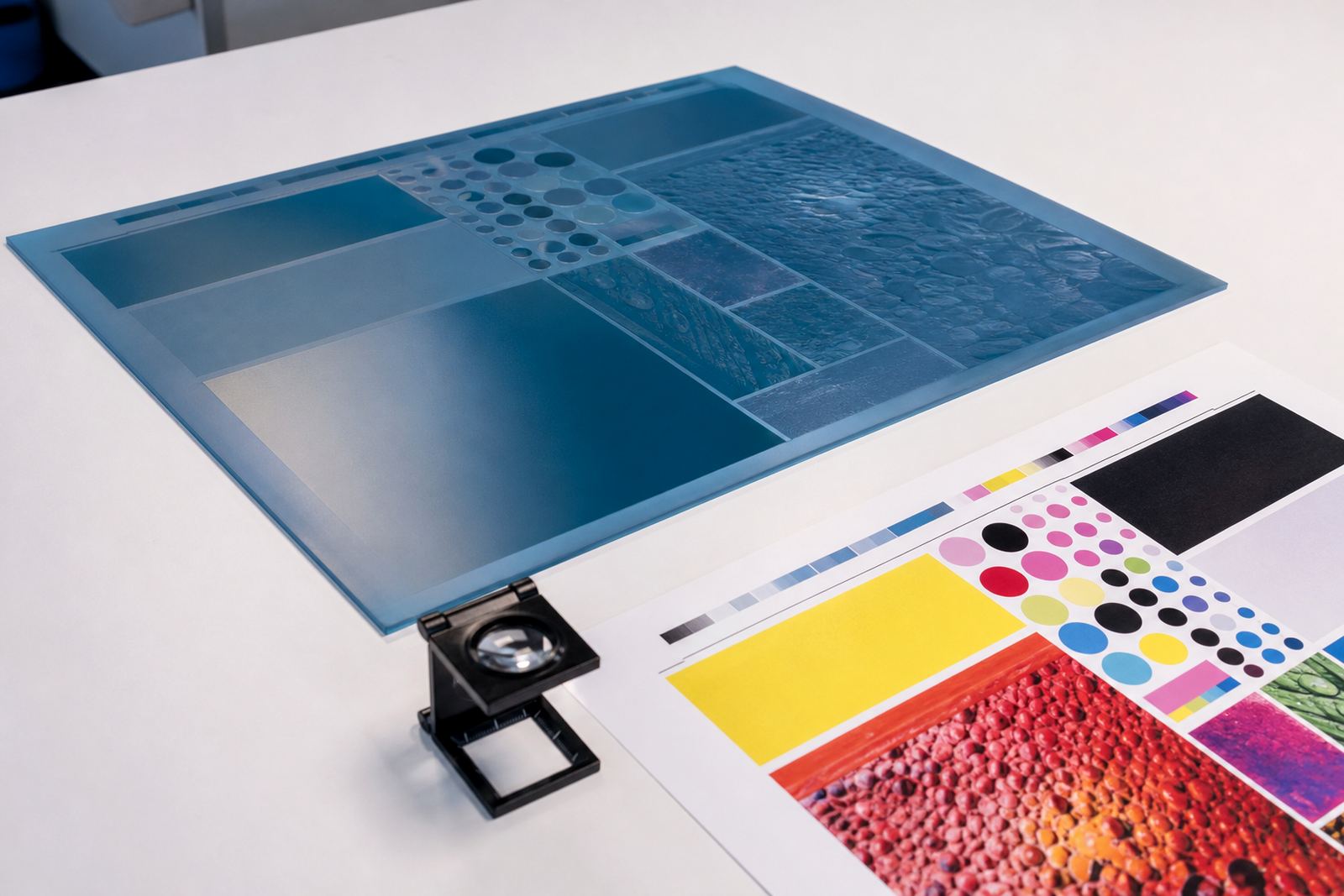
Once a job has cleared the press, the plate still has value. If it is stored neatly, the team can identify it later for repeat work, artwork checks, or a quick comparison against a revised file. If it is folded into a box with no label, that value is lost fast.
In Midrand and across Gauteng, printers often handle a mix of labels, cartons and short repeat runs, so keeping plates in order saves time at the next changeover. It also reduces handling damage, which is important when plates are still needed for future production.
- Store plates by job number, not only by customer name.
- Keep used plates separate from new or unmounted stock.
- Record the date, substrate and press side if relevant.
Start with clean, dry plates and a clear label
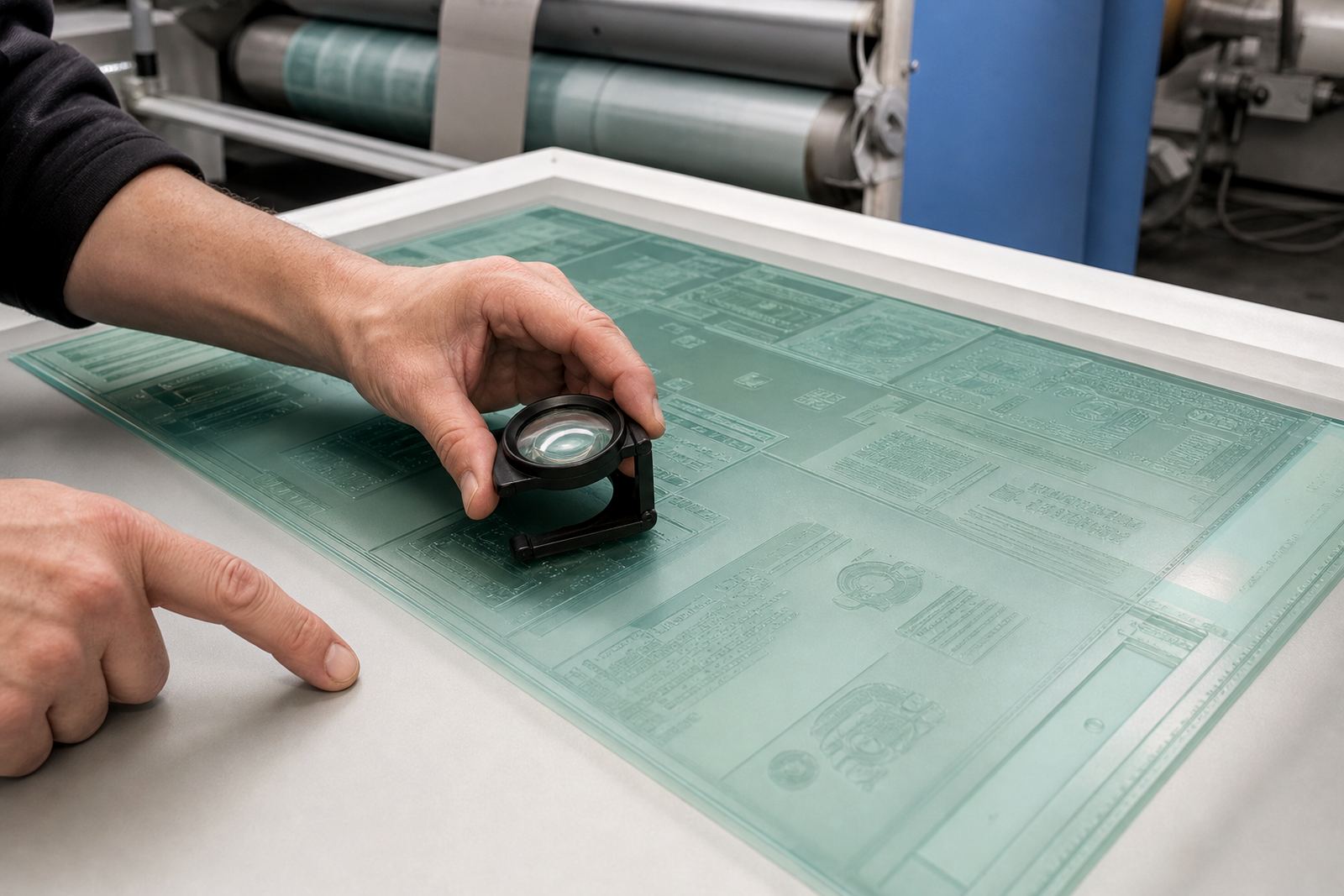
Before a plate goes into storage, make sure it is clean and dry. Ink residue, solvent marks or trapped moisture can make later identification harder and may also affect the plate surface over time. This matters even more in humid coastal areas like Durban or Gqeberha, where moisture can linger in a store room.
A good label should tell the next person exactly what they are looking at. Include the job name, date, station or colour position, and any note that helps with rework. If a plate has been trimmed or remounted, write that down too.
- Use a label that stays legible in low light and during load-shedding.
- Keep writing on one standard side of the plate pack.
- Do not rely on memory for repeat jobs, it gets messy quickly.
Choose storage that keeps plates flat and protected
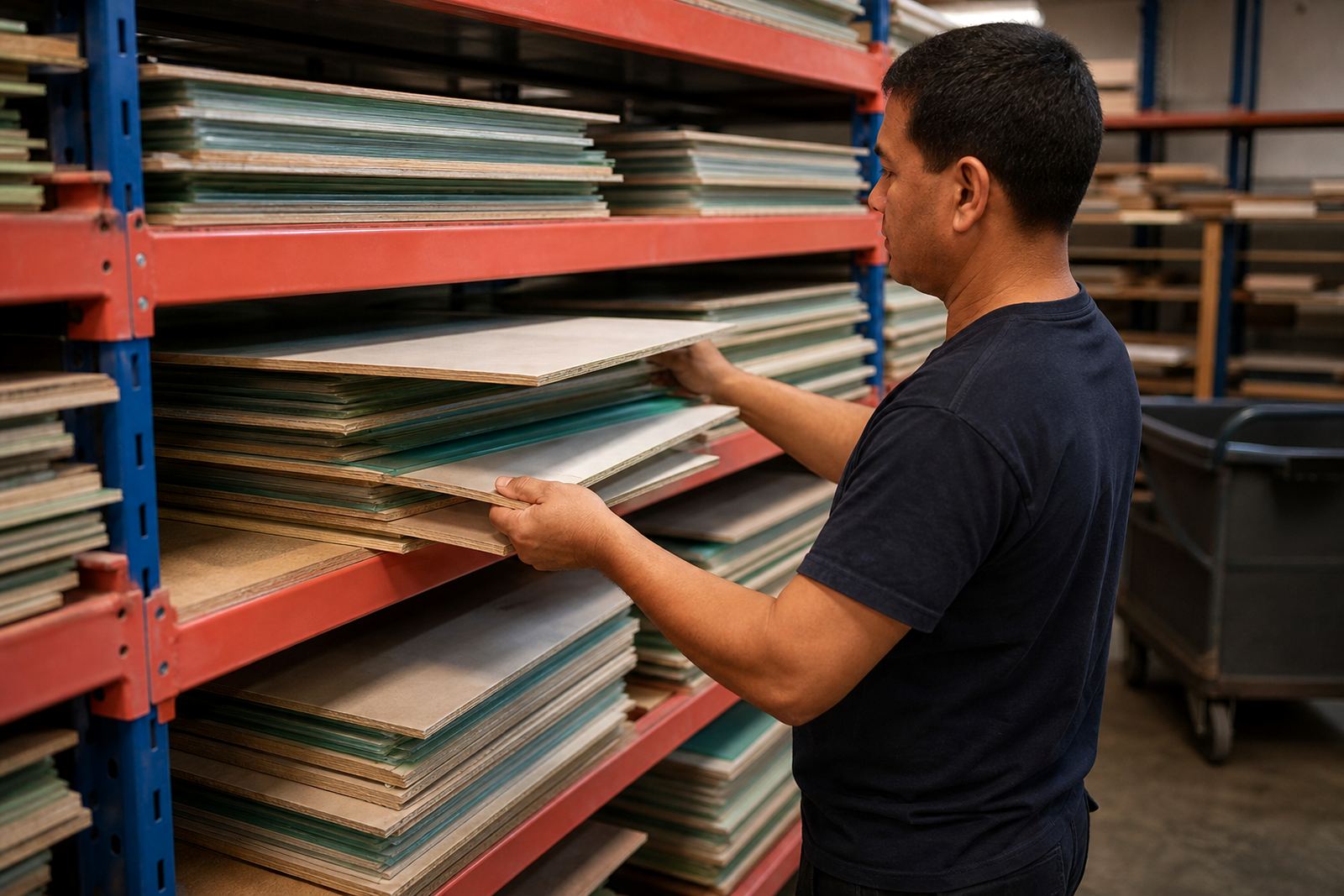
Flexo plates should be kept flat if possible, with enough support to stop curling or pressure marks. Stacking them unevenly can create bends that become a problem when the plate is needed again. Even a small warp can affect mounting and make proof comparison frustrating.
For many South African print shops, the best storage is simple: shelves, flat trays, or clearly marked sleeves that keep each job together. The aim is not fancy storage, just a system that protects the plate and keeps it easy to retrieve.
- Avoid placing heavy items on top of stored plates.
- Keep plates away from direct sun and heat sources.
- Separate different thicknesses so they do not rub against each other.
Build a numbering system that works for busy teams
A storage system only works if everyone uses it the same way. If production, prepress and dispatch each call a job by a different name, plates get lost. Keep the naming simple and consistent. A shared numbering method makes it easier to match the stored plate with the file history and the next print order.
For example, a label printer in Pretoria may come back months later with a small artwork update. If the plate is stored under a clear job code, the team can find it quickly, compare it to the updated file, and decide whether a remake or minor adjustment is needed.
- Use one job code across prepress, mounting and storage.
- Note whether the plate is for a repeat, remake or approval copy.
- Keep a basic register of what is stored and where it is held.
Handle used plates carefully during collection and dispatch
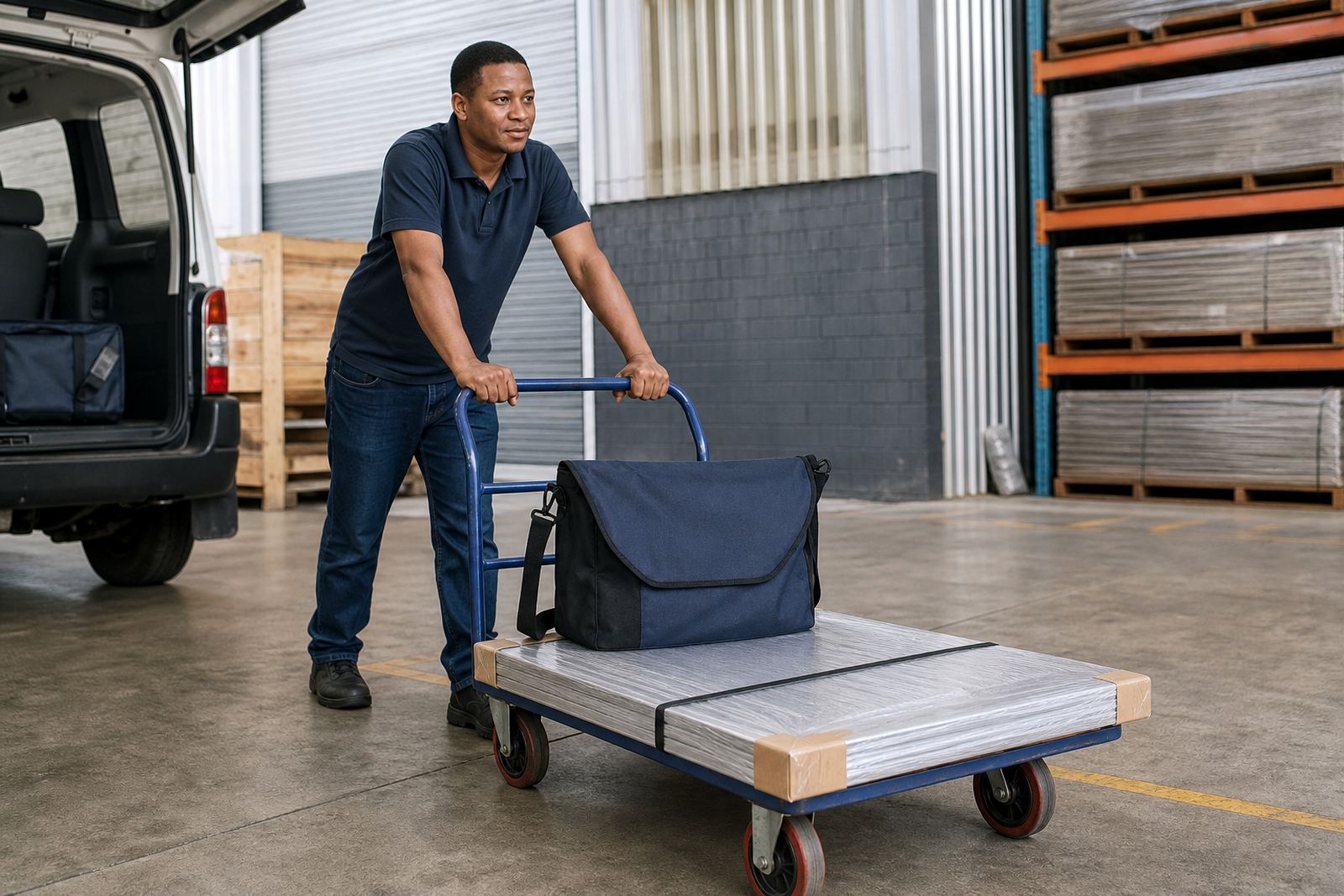
Storage starts before the plate even reaches the shelf. If plates are tossed into a carton or packed loosely for courier collection, they can arrive with edge damage or surface marks. Good packing matters for clients in Johannesburg, Cape Town, Durban and smaller towns as much as it does for local collections in Midrand.
When plates leave the production floor, they should be protected for the trip and then logged straight away on arrival. That way, no one has to guess which pack belongs to which job. Our team often sees that a neat dispatch note saves more time than a long phone call ever will.
- Use separators or sleeves when more than one plate is packed together.
- Mark the outside of the pack clearly before collection.
- Check the pack against the job list as soon as it arrives.
Keep old and active plates apart
One of the simplest mistakes is mixing plates that are ready for reuse with plates that are still in the current production cycle. That can lead to confusion, especially when a replacement plate is needed quickly. Active plates should be stored one way, archived plates another, and damaged plates kept aside for decision-making.
This is where a small, disciplined habit helps. If your team can see at a glance which plates are live, which are archived and which need review, there is less room for error. It also helps with technical job advice when a printer is deciding whether to keep a plate, remake it or file it for reference.
- Use separate shelves or boxes for active and archived plates.
- Move damaged plates out of circulation immediately.
- Review stored plates at set intervals so old stock does not pile up unnoticed.
A practical local example from a Gauteng label printer
Picture a label printer in the East Rand handling short runs for a packhouse and a food supplier. After each job, the plates are cleaned, labelled and stored flat in one marked area. When the same customer returns with a repeat order, the team can pull the correct plate set without hunting through mixed stacks or old cartons.
That small habit means less downtime, less handling damage and less confusion during busy weeks. It also makes it easier to compare an old plate against new artwork before a rerun. Basic storage is not glamorous, but it keeps production organised and that matters when deadlines are tight and power interruptions can already slow things down.
If your plates are arriving back from dispatch or moving between sites, the same rule applies: label clearly, store flat, keep them dry and make sure someone is accountable for the register. A tidy plate store is one of the simplest ways to keep a flexo workflow under control.