
Why plate packing matters before the courier leaves Midrand
Photopolymer plates are sensitive to pressure, heat and contamination. A plate that is packed loosely can shift inside the parcel, rub against another surface, or pick up dust and grit on the way to the printer. For label and packaging work, that can mean time lost at press setup and unnecessary remake costs.
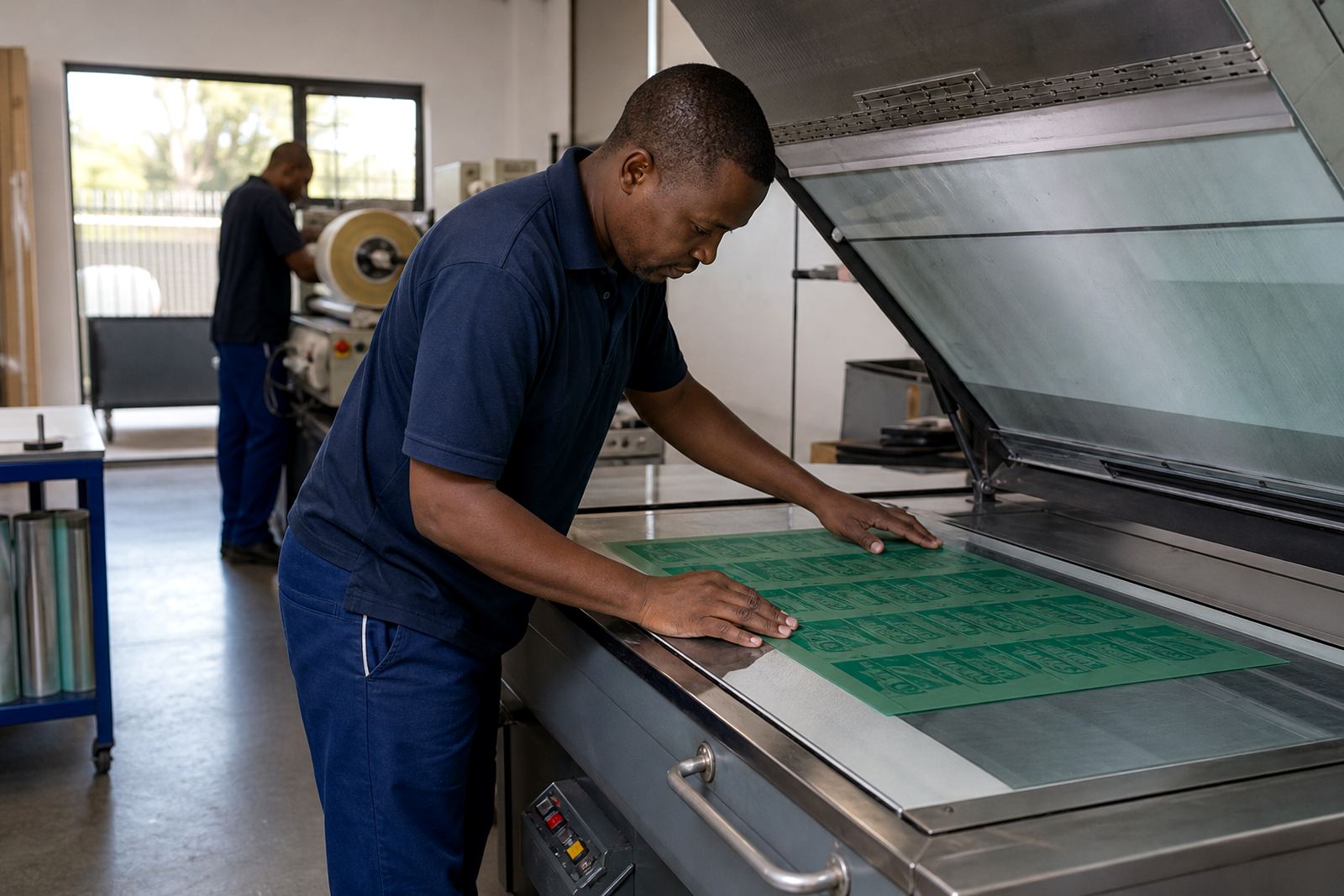
At our Midrand base, plate packing is treated as part of the job, not the last step. Every set is checked for size, orientation and job identity before it is wrapped, boxed and labelled for dispatch. That is especially important when a printer is working with tight production windows, shared courier routes or deliveries that must move through Johannesburg, Pretoria, Durban, Cape Town or Gqeberha.
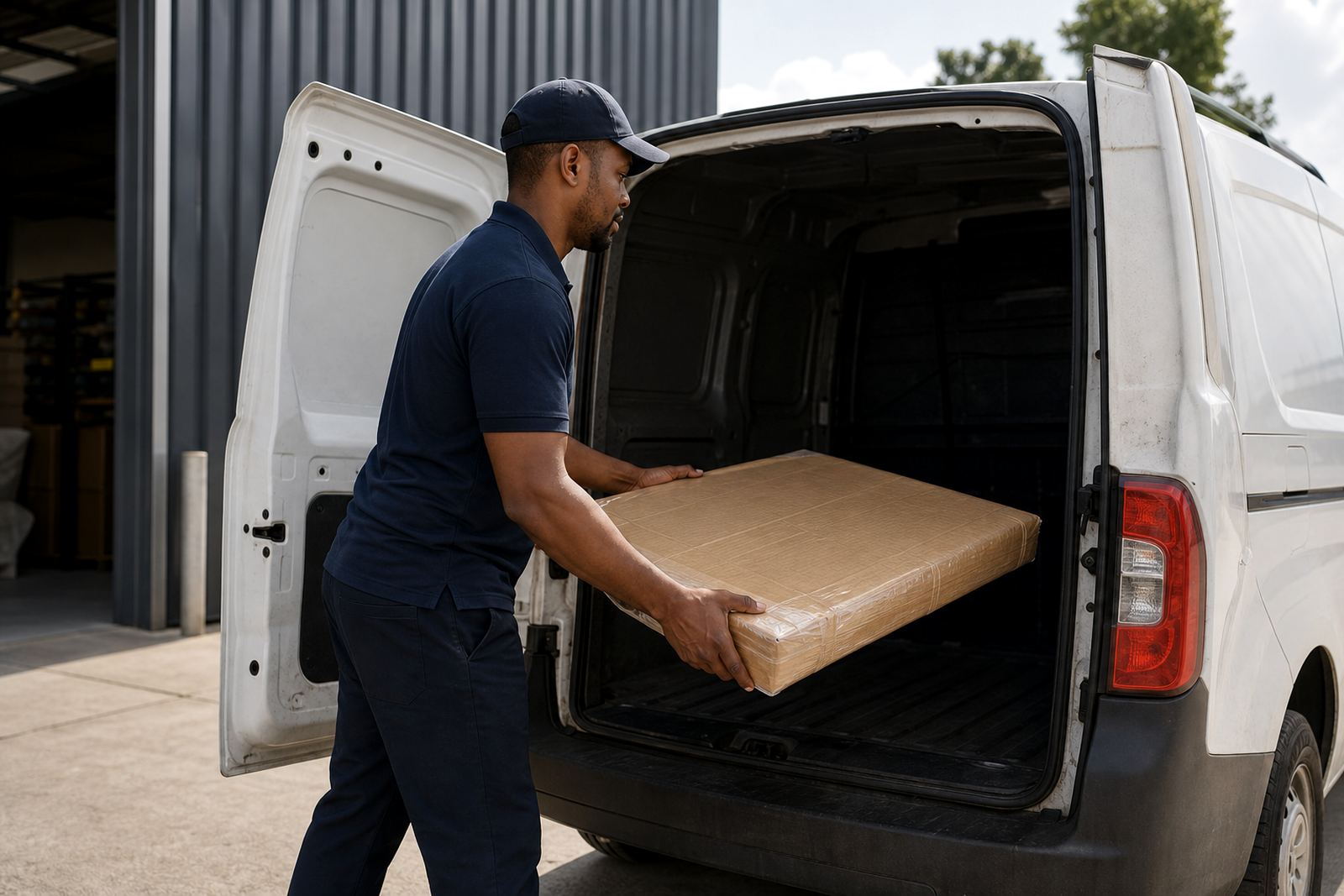
Courier movement in South Africa can mean long vehicle hours, warm loading bays and more than one handover. A well packed plate set is easier to track and safer to move. It also gives the receiving team a cleaner start when they unpack the job and prepare for mounting.
What a properly packed plate set should include
Plate packing is not only about placing the material in a box. It is about building layers of protection around the job so the plate arrives in the same condition it left the production floor. The right approach depends on plate size, sheet count and whether the job is being sent to a local printer in Midrand or to a site further afield.
- Flat support to stop bending during transit
- Clean wrap to protect the plate surface from dust and moisture
- Clear labelling for job name, size and orientation
- Padding to reduce movement inside the outer carton
- Outer packaging strong enough for courier handling
- Visible dispatch notes for collection and receiving teams
For larger plate sets, especially where multiple versions are travelling together, it helps to separate jobs clearly and group them in the right sequence. That makes unpacking faster and reduces the chance of the wrong plate being fitted to the wrong cylinder or sleeve.
How Midrand packing supports printers on the road
Midrand is a practical base for courier movement because it sits within reach of major Gauteng routes and distribution corridors. From here, plates can move to East Rand and West Rand presses, then onward to wider destinations through scheduled courier networks. The packing process has to support that journey without adding extra handling steps.
For a printer in Pretoria, for example, a packed plate set may leave Midrand in the morning and be received later the same day, depending on the courier route and traffic conditions. If the plates are clearly marked and packed in the right order, the production team can move straight into receipt checks and mounting preparation. When the weather is hot or humid, especially for coastal deliveries, careful wrapping also helps protect the plate surface from moisture and surface contamination.
That is why our logistics coordination works closely with production. Zinhle Dlamini manages dispatch packing and collection coordination, while Morne Jacobs handles plate mounting support needs and makes sure plate orientation is easy to follow at the receiving end. The aim is simple: less confusion, less handling, fewer avoidable delays.
Practical packing choices that help on long courier routes
South African courier trips can include stops, transfers and changing temperatures. A plate that is fine on a short local run can still be damaged if it is packed too tightly, too loosely or without enough surface protection. Practical packing keeps the job stable from pickup to delivery.
- Keep each plate set in the correct order for quick pressroom use
- Avoid heavy stacking that can mark fine dots or linework
- Use moisture protection where the route may cross humid areas
- Keep cartons the right size so the plates do not slide around
- Seal the parcel cleanly to reduce dust entry during handling
- Mark fragile items where the courier needs to know the contents need care
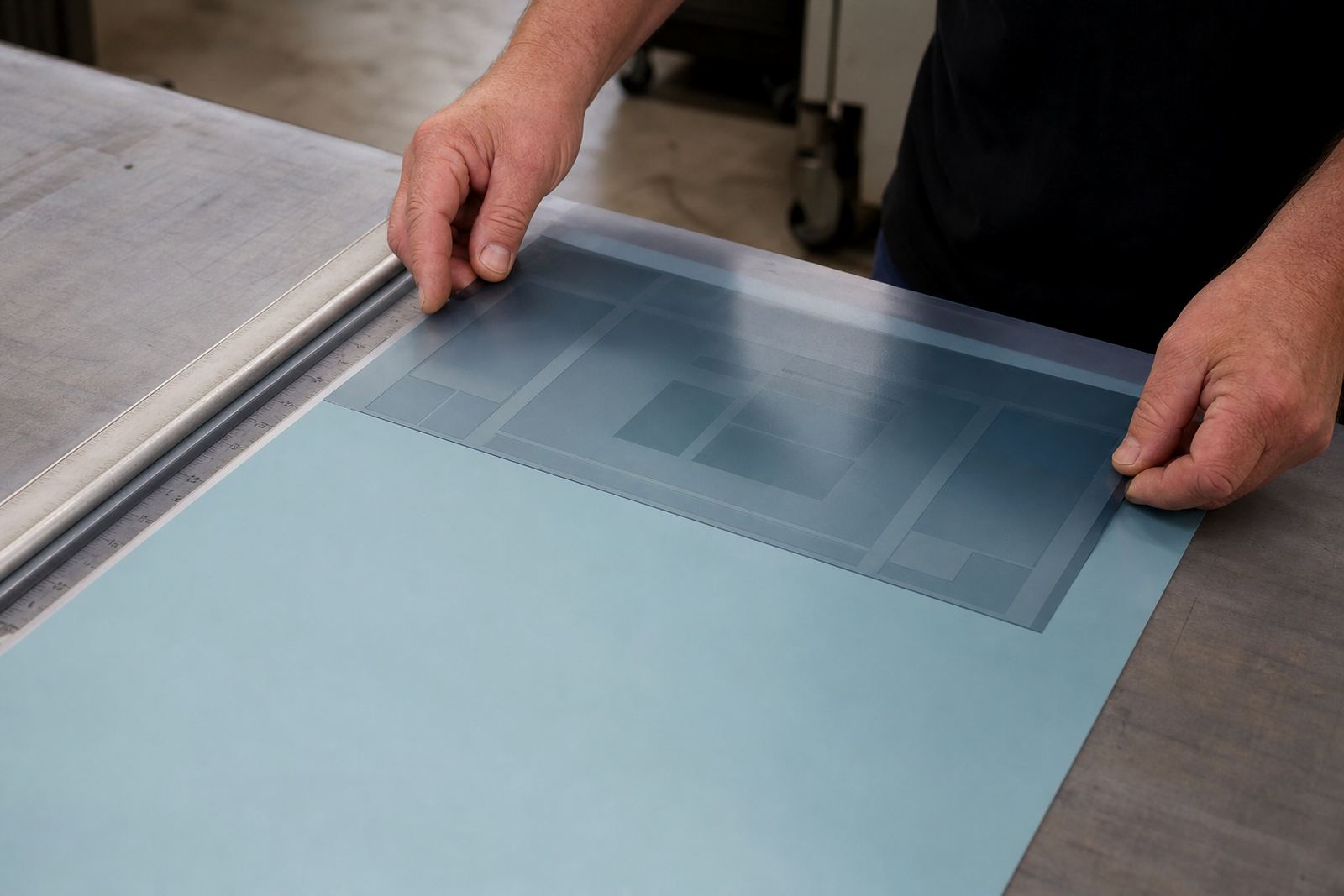
We also recommend plate trimming and plate labelling before the courier leaves. Trimmed edges are easier to handle, and clear labelling helps the printer identify repeats, versions and layout positions without opening every packet. That saves time, especially when a production line is waiting for one specific colour section or label repeat.
A local example from order to delivery
Consider a label printer in Durban that needs a replacement plate set after a file change during the working day. The job is checked in Midrand, artwork preflight is confirmed, and the plates are produced with the required layout. Before dispatch, the set is packed for courier movement with clear job marking, protective wrapping and a firm outer carton.
When the parcel reaches the printer, the receiving team can identify the job quickly, compare it to the proof if needed and move straight into press preparation. That is the value of good packing. It does not only protect the plate, it supports the whole handover between production and pressroom.
For printers in Johannesburg, Pretoria or the wider East Rand, the benefit is often speed. For coastal destinations like Cape Town or Gqeberha, the benefit is added protection against long route handling and humidity. In both cases, the goal is the same: plates that arrive ready for the next step.
How our dispatch process supports safer courier movement
Courier packing works best when it is part of a proper workflow. At Flexo Printer Plates, the process can include file checking, imposition planning, screening support, proof comparison, remake support and technical job advice before the plates are packed. This helps reduce errors before the parcel is even sealed.
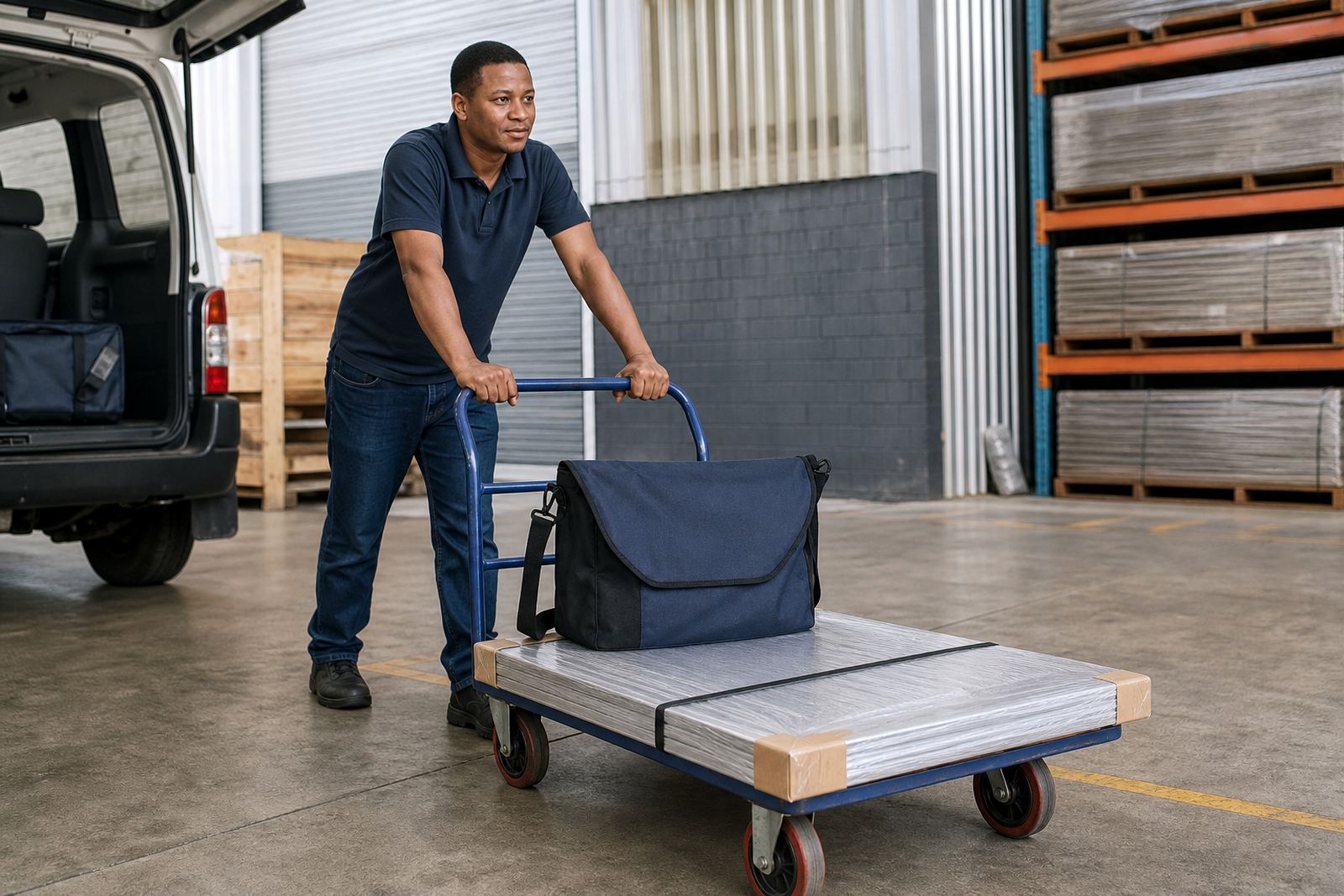
Once the job is ready, the team handles dispatch packing and collection coordination from our Midrand base. Clients can reach us through the enquiry form on our contact page to arrange new work or follow up on a delivery. We support deliveries and collections across Johannesburg, Pretoria, Durban, Cape Town, Gqeberha, East Rand and West Rand, with courier movement planned around the needs of the pressroom.
Good plate packing is not fancy. It is careful work done by people who understand how a flexo plate behaves in transit and on press. That practical approach helps keep label and packaging jobs moving across South Africa with fewer surprises.