Why Spot Colour Work Needs a Different Plate Approach
Spot colour jobs are not just about matching a shade on a proof. They are about keeping that colour stable across the run, on the right substrate, under the right press conditions and with the right plate structure. In flexo, small changes in artwork, screening or plate relief can show up very quickly, especially on labels, sleeves and short-run packaging where colour control matters from the first sheets.
At our Midrand base, we see many jobs where the artwork is already sound but the separations need tidying before plate-making can begin. A spot colour job may benefit from fewer plates, cleaner trapping and a more focused layout. That reduces confusion on press and helps the printer keep the job moving when time is tight and the shift is already juggling other work.
Simple Separations Can Improve Press Control
For spot colour packaging, simpler separations often give better control than a crowded colour build. If a Pantone style colour is being carried as a solid ink, there is no need to force extra process elements into the plate set unless the artwork really calls for them. The aim is to support the printer with plates that reproduce clearly and leave less room for colour drift.
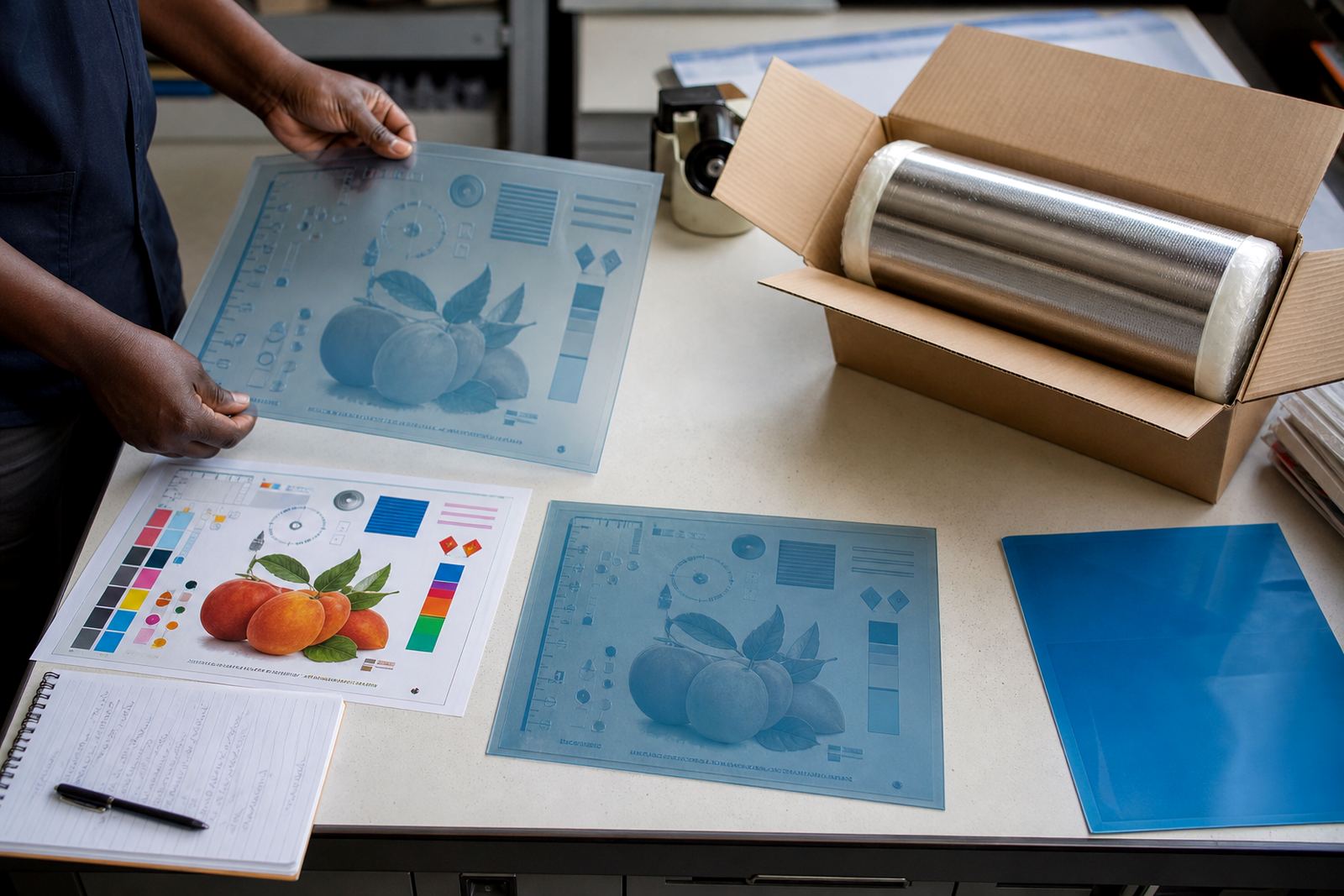
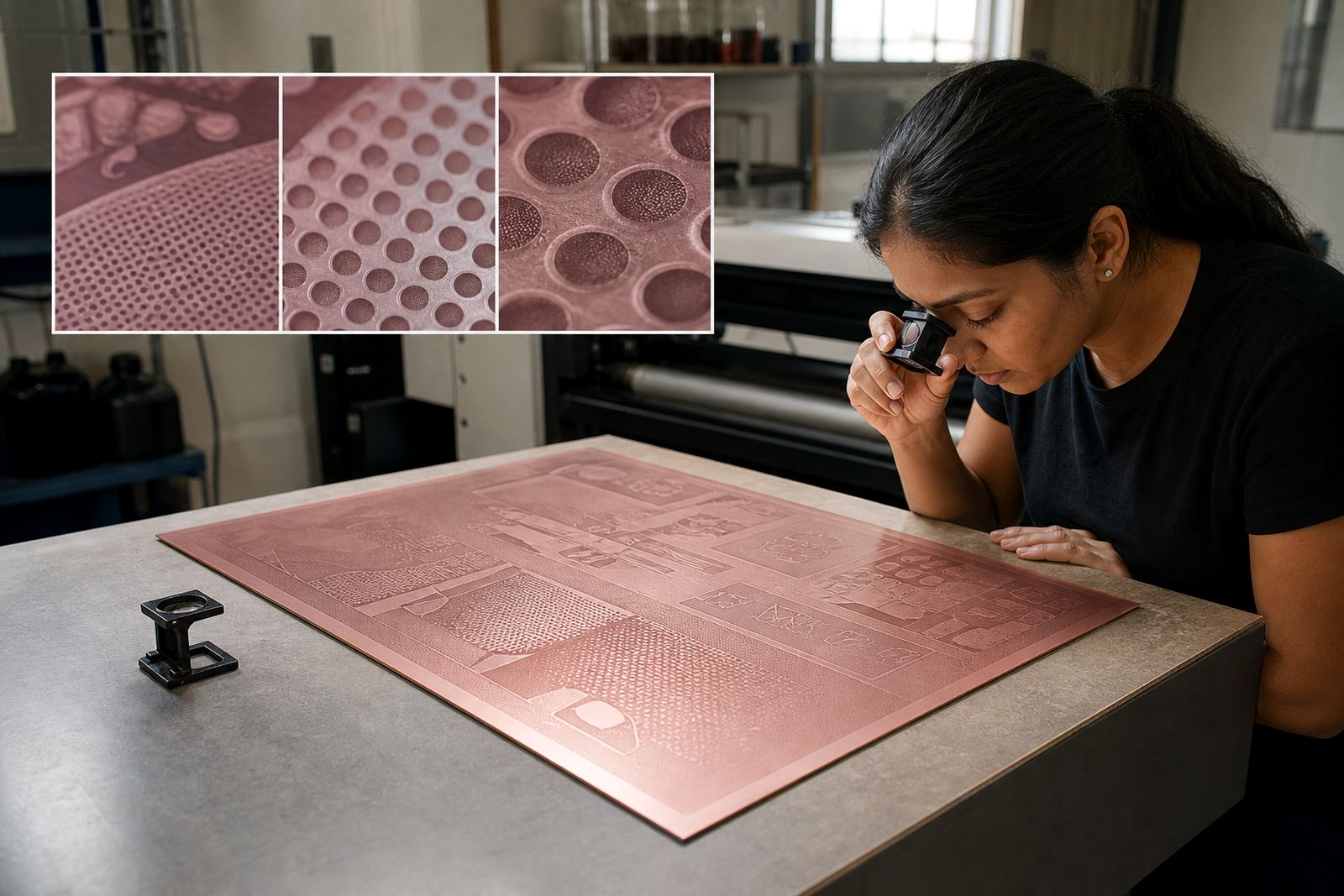
Our plate-making process includes artwork preflight, file checking and imposition planning before plates are made. That matters when a job has small type, reverse text or fine linework tucked into a packaging panel. A plate that is too busy can become harder to register and harder to clean up on press.
- Check whether each spot colour is truly needed in the final layout
- Confirm line weights, reverse type and small detail before output
- Keep solid areas clean so the ink can lay down evenly
- Review traps and overprints where colours meet
When Packaging Needs Focused Plate Structure
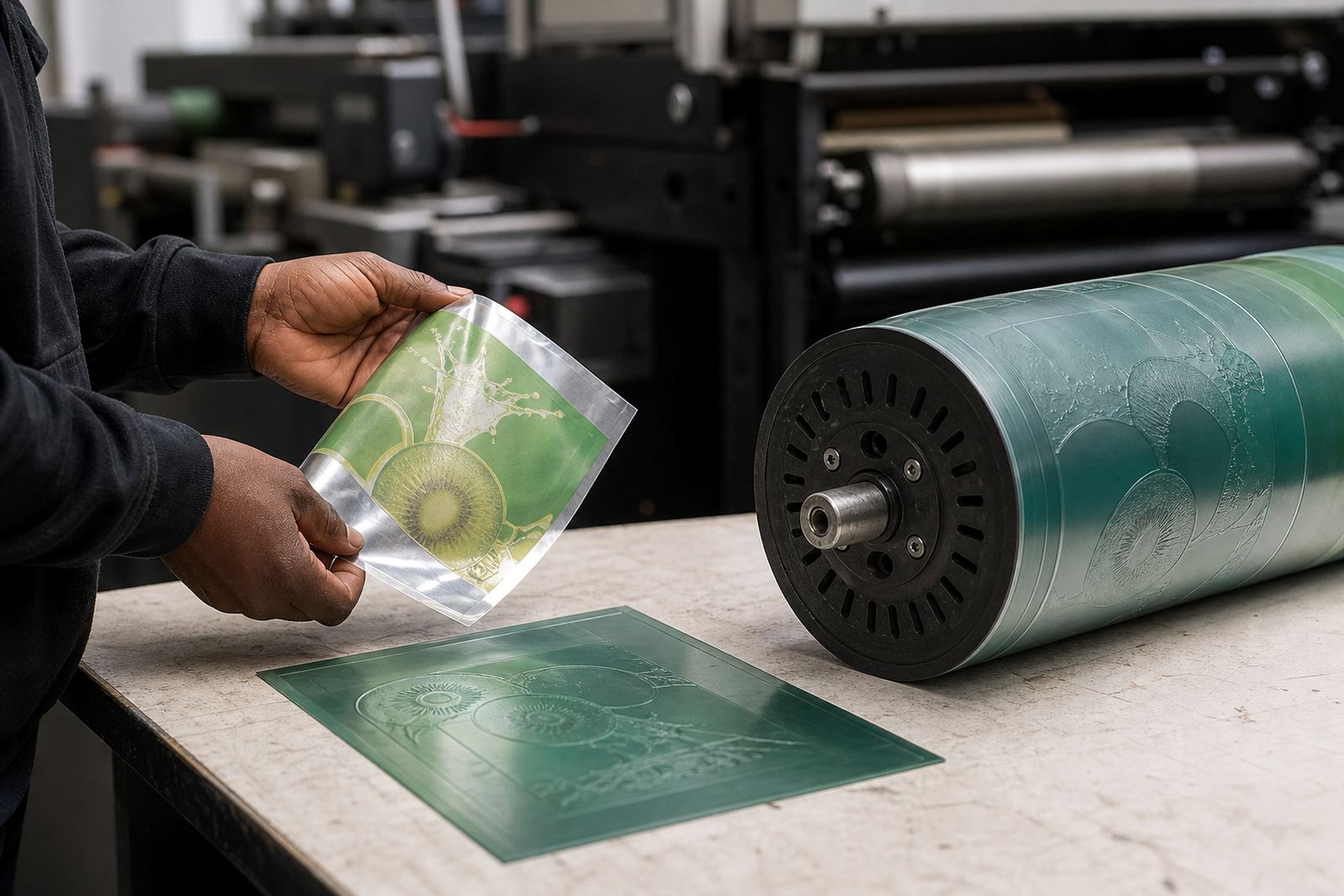
On packaging jobs, the plate structure needs to suit the job shape as much as the artwork itself. A carton panel, wraparound label or film pack can all behave differently once the plate goes on press. If the flexo printer is running on a narrow web or working with a smaller cylinder repeat, the plate layout must be planned carefully so the job stays practical and efficient.
Plate trimming and plate labelling are small details that make a real difference in the packing room. When the plates are marked clearly and packed in order, the operator spends less time checking which plate goes where. That is useful on repeat work, remakes and urgent dispatches where a mixed bundle can slow everything down. In our experience, clear handling also helps reduce avoidable mistakes during mounting and re mounting.
- Label plates by colour, position and job reference
- Trim to the correct size for easier mounting
- Keep repeat jobs filed in a way that supports fast remake work
- Separate plates for different carton or label variants
What Local Printers in Gauteng Usually Watch For
In Gauteng, many printers are balancing short lead times, mixed machine schedules and regular power interruptions. Load-shedding can break a day into pieces, so jobs need to be prepared in a way that lets the press team continue without repeating avoidable checks. That is one reason technical job advice can be useful before plates are committed.
A label printer in Midrand, for example, may be running multiple spot colour SKUs for a food or household range while also handling a reprint for a distributor in Johannesburg. If the separations are clear and the proof comparison is done early, the plate stage becomes much more manageable. Coastal humidity is not the main issue here, but many jobs travel to Durban or Cape Town, so packing and dispatch need to protect the plates during courier movement and changing weather.
Proof Comparison Before Plate Output Saves Rework
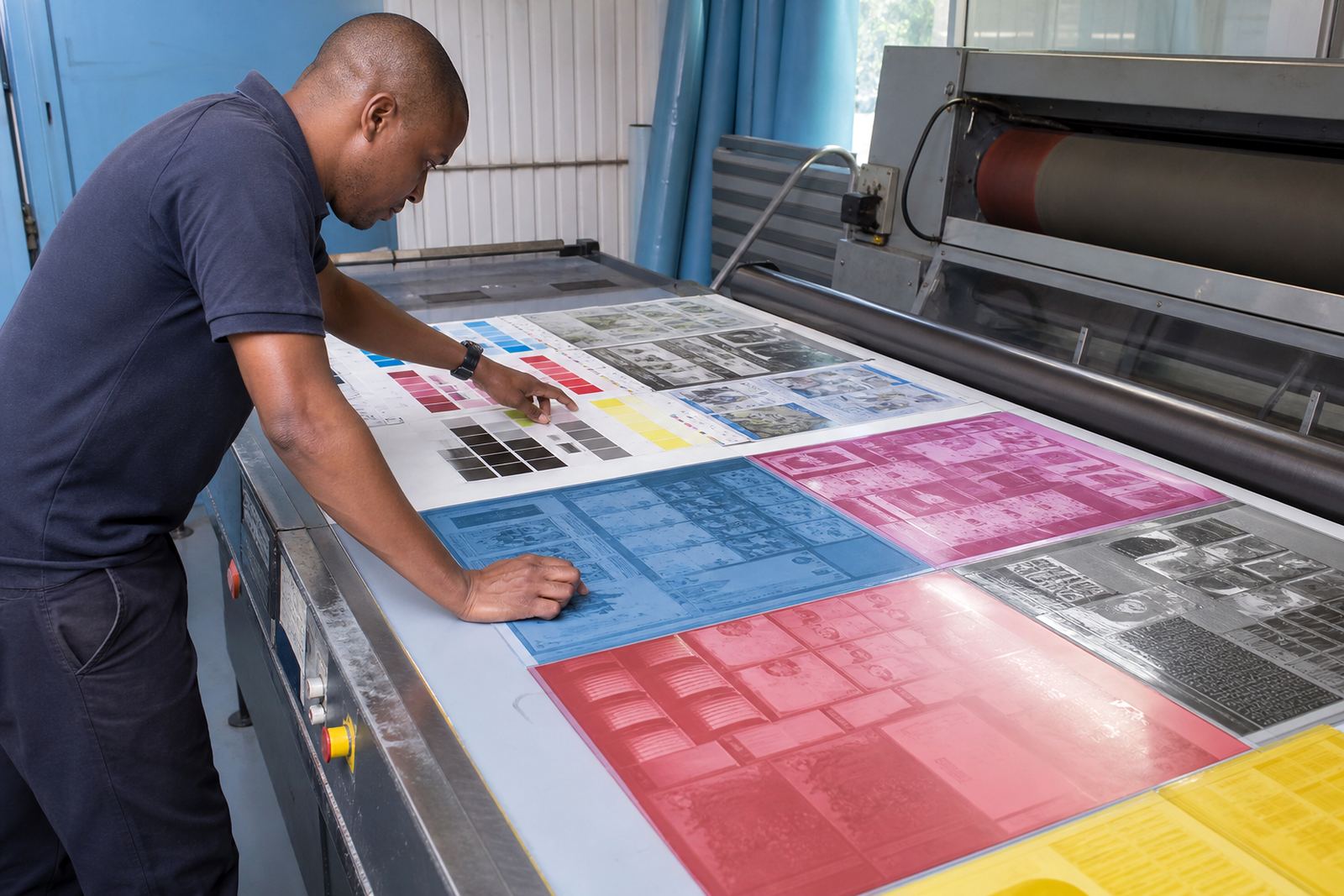
Proof comparison is one of the best ways to avoid remake work on spot colour jobs. It is easier to catch a weak outline, a missing knock out or an awkward overlap on paper or screen before the plate is cut and packed. Once the plate is on the pressroom floor, every small correction costs time, material and attention.
For spot colour work, we check whether the proof matches the intended colour structure, whether the artwork contains the right overprints and whether the image areas are suitable for the plate method being used. This is especially important when the same layout is going to different sites in Pretoria, the East Rand or West Rand, where the printer may need consistency across more than one machine or shift.
A Practical Example from a Midrand Packaging Job
A Midrand packaging printer might receive a label job with one strong brand colour, black text and a small barcode area. On paper it looks simple, but the job still needs careful prepress treatment. The brand colour should stay solid, the text must remain readable and the barcode must reproduce cleanly without distortion. If the plate layout is rushed, the result can be messy on press, even if the artwork looked fine on the screen.
In a case like that, the best approach is usually straightforward. The separations are checked, the imposition is planned for the press format, the plates are made with the job's output in mind and the finished set is packed for dispatch or collection. That kind of practical handling is what keeps repeat label work moving without extra drama.
- Use fewer colour elements where possible
- Keep the barcode area clean and easy to read
- Match the plate set to the press format before output
- Use proper dispatch packing for courier delivery to any province
How Flexo Printer Plates Supports Spot Colour Jobs
Flexo Printer Plates works from Midrand, Gauteng, making flexo photopolymer plates for label and packaging printers across South Africa. Our service covers plate making, artwork preflight, file checking, imposition planning, screening support, proof comparison, plate trimming, plate labelling, remake support, dispatch packing, collection coordination and technical job advice. Clients reach us through the enquiry form on our contact page, and we handle delivery needs across Johannesburg, Pretoria, Durban, Cape Town and Gqeberha, as well as the East Rand and West Rand.
For spot colour jobs, the real value is in the detail. Clear artwork, proper plate structure and careful handling all help the printer get a cleaner result on press. Sibusiso Mthembu leads the business with a team that includes Ayesha Naidoo, Pieter van Wyk, Lerato Molefe, Morne Jacobs and Zinhle Dlamini, each focused on keeping jobs practical from first check to final dispatch.