Start with the work you print every week
Before you compare quotes, look at the kind of label or packaging work you run most often. A supplier that understands small repeat jobs, short runs, fine reverses, solid coverage and tight registration will usually be a better fit than one that only speaks in general terms. If you print pressure-sensitive labels, sachets, cartons or film work, the plate advice should match the substrate, ink system and press conditions you actually use.
Good plate-making is not just about making a plate from a file. It starts with asking the right questions about repeat lengths, cylinder sets, screen rulings, minimum text size and wash-up or storage conditions. In Gauteng, where many printers deal with fast job changeovers and load-shedding planning, those details matter more than glossy promises.
Check how they handle files before plates are made
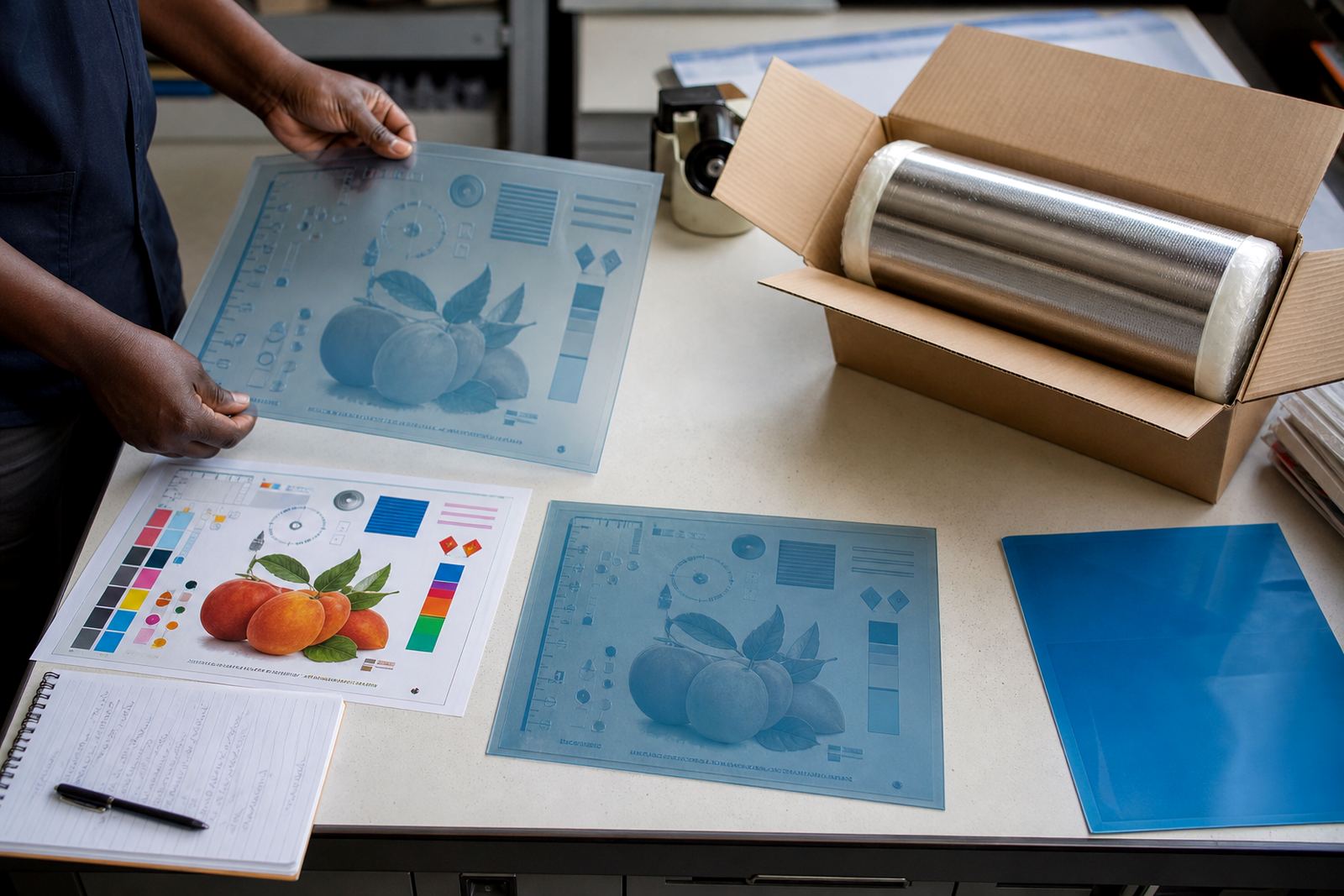
One of the clearest signs of a careful plate supplier is the way they handle prepress checks. Ask whether they review artwork for spelling, line weight, trapping, image resolution, bleed, overprints and imposition. A supplier that flags problems early can save you from wasted material and a press stop later on.
It also helps to know how they compare proofs and revised files. If your team sends a last-minute change, you need a clear process for confirming what is being remade and what remains unchanged. In practice, a small job can go wrong because of one missed barcode or a shifted dieline, so the file check process should be detailed and consistent. That is especially true when the job has multiple SKUs or language versions.
- Ask what is checked before plate production starts
- Confirm how revisions are marked and approved
- Find out whether imposition planning is included
- Check how proof comparison is handled for reprints
Look for practical communication, not just quick replies
Fast replies are useful, but clear replies are better. A supplier should be able to tell you what was received, what still needs confirmation, and what could affect print quality. That includes plate thickness, mounting notes, trimming, labelling and whether any repeat job needs the same settings as the last run. If communication is vague, you may end up doing extra follow-up work just to get a straight answer.
For South African printers, good communication also means understanding local delivery patterns and collection timing. A job going from Midrand to Johannesburg may need a different handover plan than one going to Durban or Cape Town. If the supplier can explain the dispatch method clearly and keep you updated when a job is packed, collected or routed by courier, that reduces pressure on your production team.
Judge the supplier on finishing detail as well
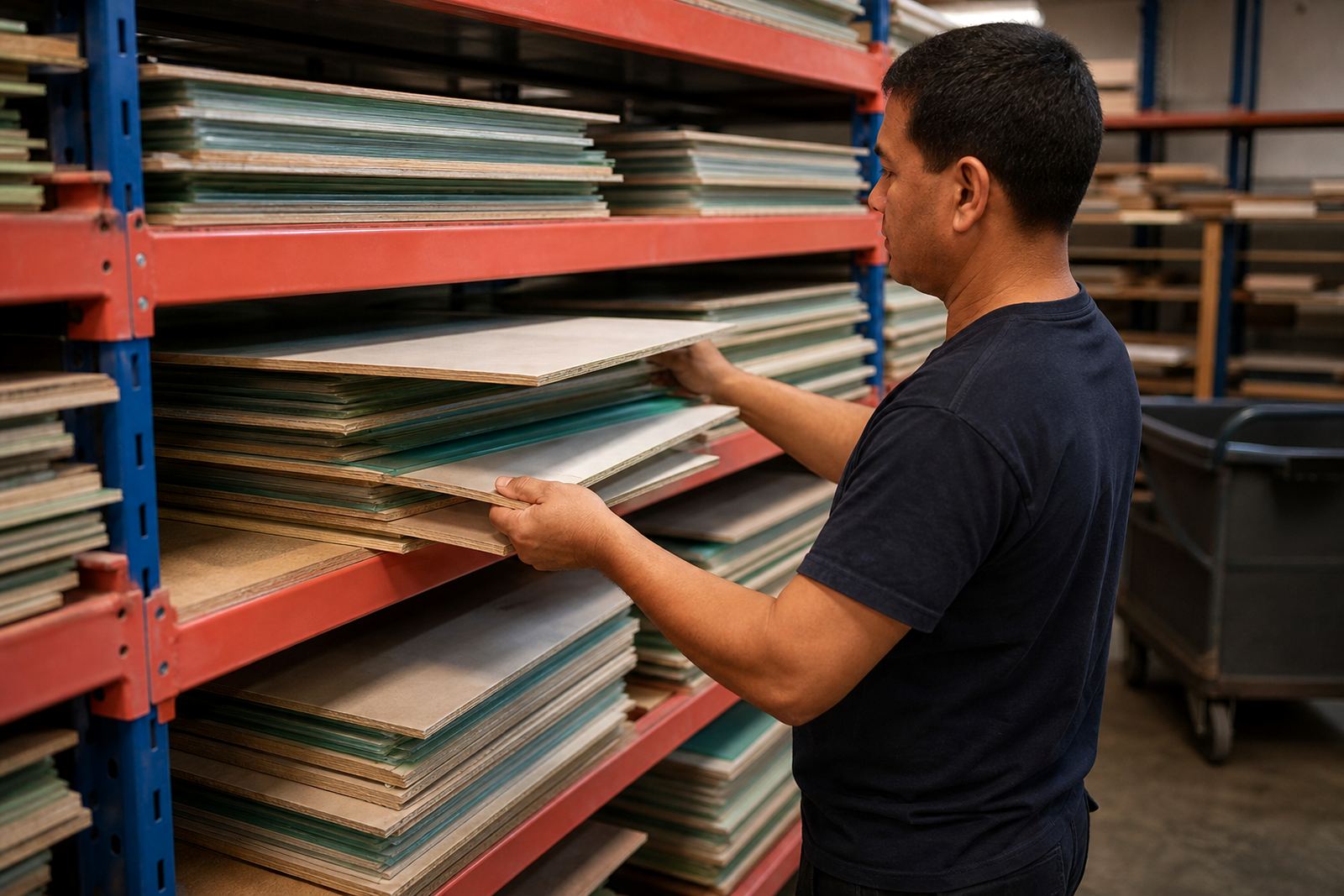
Plate quality is important, but so is the way the finished plates are prepared for the pressroom. Ask about plate trimming, labelling, dispatch packing and whether mounted plates are protected properly for transport. A plate that is technically correct but poorly packed can arrive bent, marked or mixed with another job. Then the savings disappear quickly.
It is worth checking how remake support works too. If a plate has to be redone because of an approved artwork change, a damaged shipment or a print issue linked to the plate, the supplier should have a sensible process for identifying the problem and getting the job back on track. You do not need drama, just a practical plan and someone who knows the job history.
- Ask how plates are labelled for repeat ordering
- Check whether packing protects edges and faces properly
- Confirm collection coordination for urgent jobs
- Find out how remake requests are logged and tracked
Choose a team that can talk pressroom, not only office talk
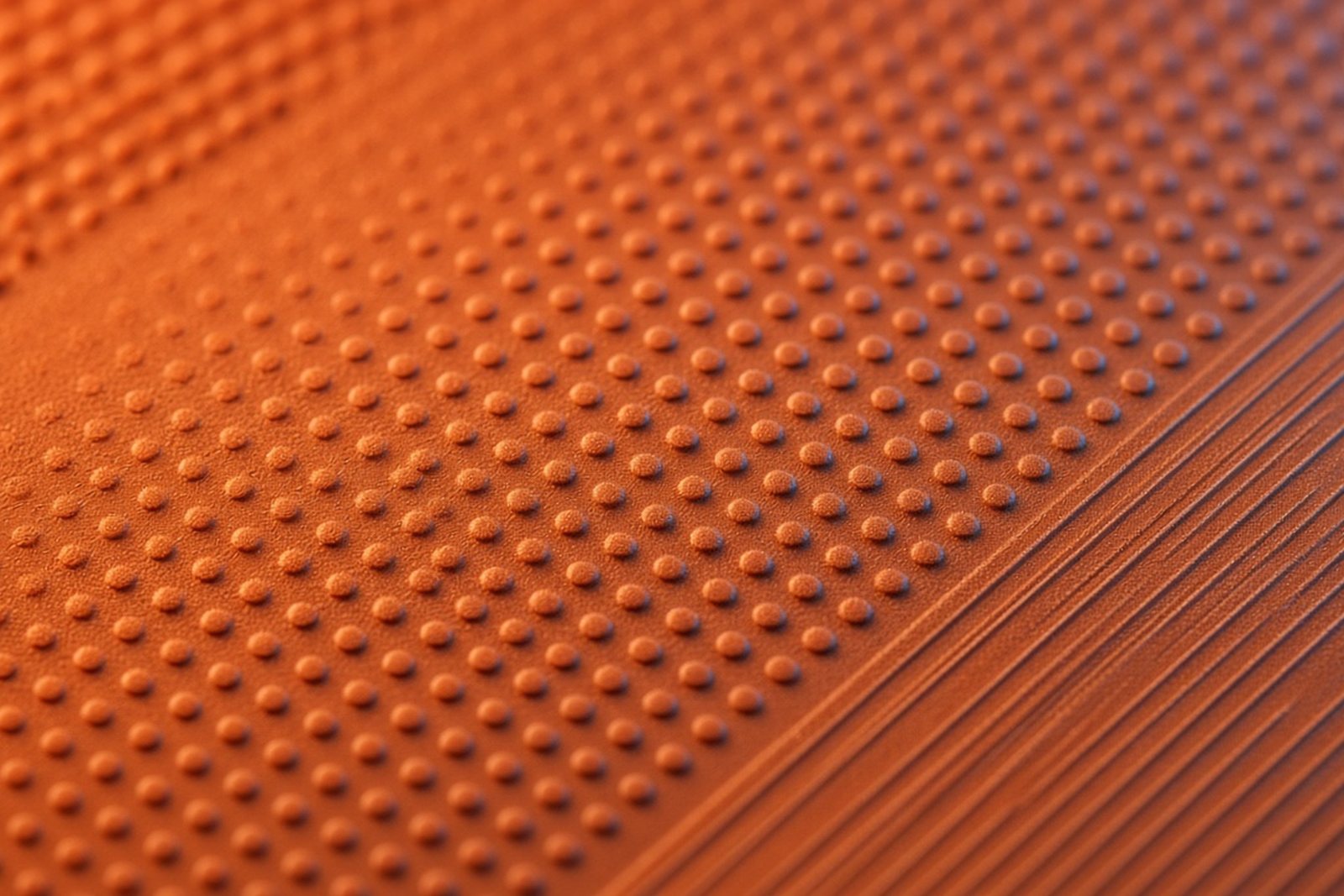
When you source flexo plates, the supplier should understand what happens at press level. That means knowing how screening can affect fine text, how artwork changes can influence ink spread, and how plate mounting affects registration. A useful supplier will discuss these issues in plain language and give advice that fits the job, not just the quote.
At Flexo Printer Plates in Midrand, that kind of support is part of the daily job. The team can help with plate making, artwork preflight, file checking, screening support, technical job advice and collection coordination. For a printer in Pretoria working on a reprint, or a label converter in Gqeberha needing courier delivery, the value is in having one point of contact who understands the practical details. Sibusiso Mthembu leads the business, with support from Ayesha Naidoo in production, Pieter van Wyk in prepress, Lerato Molefe in client services, Morne Jacobs in plate mounting and Zinhle Dlamini handling logistics.
Use a local example before you sign off the job
Say a packaging printer in East Rand is preparing a medium run with several artwork versions and a tight dispatch window. The right supplier will ask for the files early, compare the proof against the artwork, confirm the imposition plan, and label each plate set clearly for the correct line. If the job needs collection from Midrand or courier delivery to Durban, the packing and handover should be sorted before the plates leave the production area.
That same approach helps in coastal areas too, where humidity can affect handling and storage, or in busy metro environments where collection times are tight. A practical supplier thinks ahead about the whole job path, from the first file check through to the plate arriving at the pressroom in the right condition. That is the sort of fit that keeps production moving without unnecessary back-and-forth.