
When a small artwork change becomes a new plate job
In flexo printing, even a small artwork change can affect how the plate transfers ink, how text holds up, and whether the final print still matches the approved sample. A new product weight, a revised ingredient line, a barcode update, or a changed logo can all be enough to call for a remake. If the change sits in the plate area, not just the ink recipe or press setup, the safest route is often to start again with a fresh photopolymer plate.
This matters most on label and packaging work where the print must stay consistent across repeats. A plate that looked fine on the last run may no longer suit a new carton size or label layout. If the image position has shifted, or the repeat count has changed, the old plate can cause registration issues and poor fit on press.
As a general rule, if the art file no longer matches the current job spec, dont try to force the old plate to do a different job.
Signs the plate is no longer giving a clean impression
Sometimes the artwork is still correct, but the plate itself has reached the point where it will no longer give a clean, even impression. Wear can show up as weak fine type, rounded edges, loss of detail in screened areas, or a patchy solid. On short runs this may be easy to miss, but on repeat work the problem usually shows up again and again.
Plate age also matters. Storage conditions in Gauteng can differ from those on the coast, and heat, dust, or poor handling can shorten useful plate life. If plates have been bent, trimmed badly, or stored under pressure, the face can distort. That is not something press adjustments can always fix.
- Fine text is breaking up or filling in
- Solid areas print unevenly across the web
- Screen work loses smooth tonal detail
- Registration is drifting even after normal setup checks
- The plate has scratches, dents, or lift at the edges
Job structure changes that usually call for a remake
Some changes are bigger than a simple edit. If the label size changes, the carton layout changes, or the repeat length changes, the existing plate may no longer align with the cylinder or mounting plan. In those cases, remake work is usually more practical than trying to modify a plate that was built for a different structure.
Imposition changes can also affect the plate set. A job that moved from one-up to multiple-up, or from a narrow web to a wider one, may need new artwork arrangement before production can continue. The same applies where screening, trapping, or fine rule thickness has been altered for better print result.
For printers in Johannesburg, Pretoria, Durban, Cape Town or Gqeberha, it helps to check the plate set against the latest production file before a run is booked. That simple step can save a full press setup and a lot of scrap.
- New carton or label dimensions
- Changed repeat length or cylinder arrangement
- Artwork reformatted for a different press width
- Updated screens, traps, or reverse text details
- New regulatory or customer copy added to the layout
When cleaning or repairs are no longer enough
There are times when a printer hopes a plate can be cleaned up and returned to service, but the damage is already past that point. Surface contamination can sometimes be removed, and minor marks may be manageable, but deeper wear, warping, or broken detail usually means the plate should be remade. Trying to stretch a worn plate for one more job can cost more in downtime and waste than replacing it properly.
Remake support is also worth considering when the original job had setup problems. If the proof comparison showed a mismatch and the plate was trimmed or adjusted more than once, the finished result may be compromised. A fresh plate gives the press room a clean starting point and removes uncertainty from the next run. That is often the better call when schedules are tight and the customer needs consistency.
On packaging work, especially where codes and legibility matter, a tired plate can create avoidable risk. If the detail is not crisp, it should be remade rather than pushed through the run.
A local example from Midrand to the coast
Think of a Midrand converter running labels for a customer in Durban. The first job used one artwork version, but the next order comes back with a revised ingredient panel, a different pack size, and an updated barcode. The original plate set may still fit the press, yet it no longer matches the new copy. Rather than patching the old plates, the practical move is to remake the affected colours and check the whole set before dispatch.
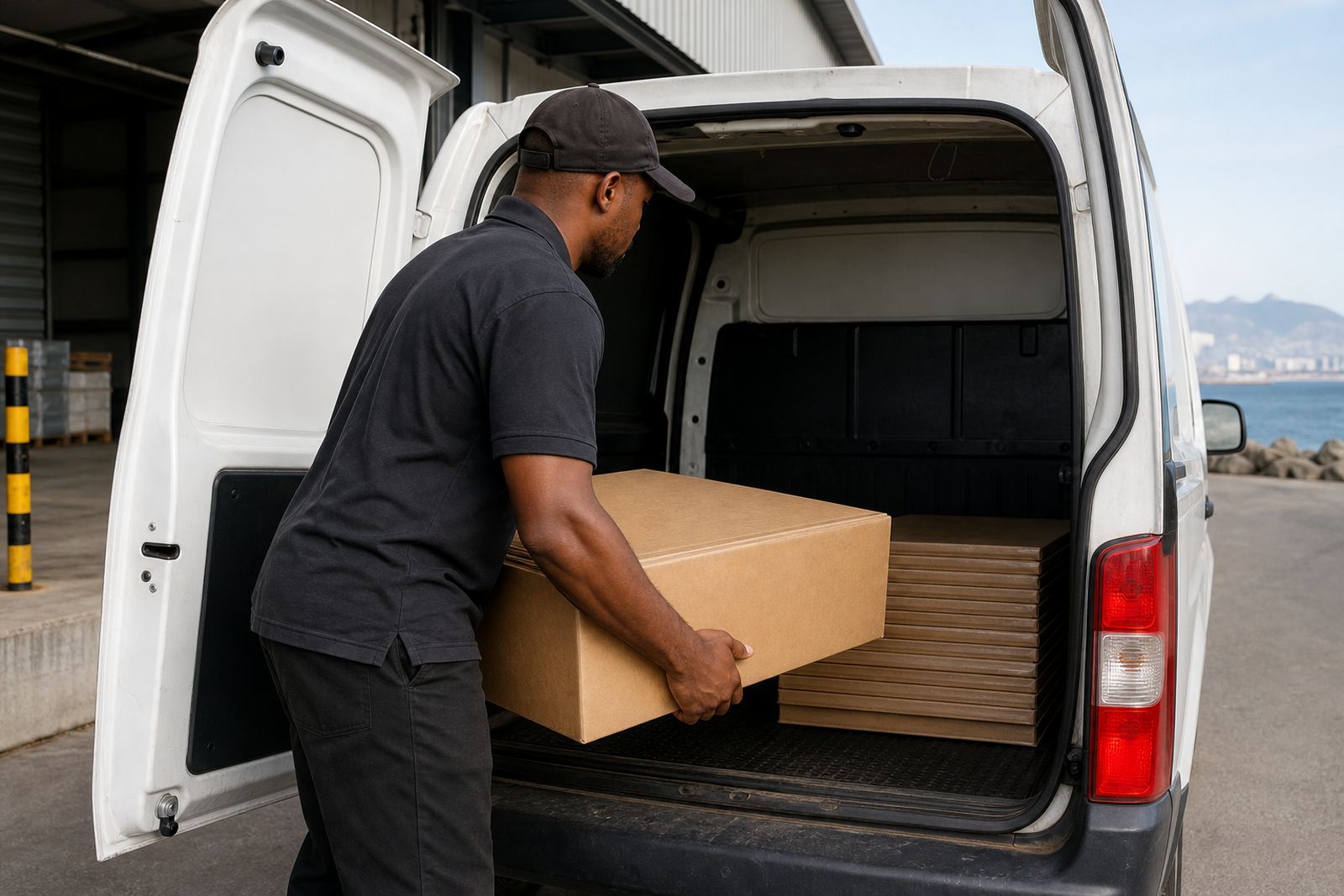
That same thinking helps where courier delivery is involved. Plates packed for Cape Town or Gqeberha need to travel well, so the set should be trimmed, labelled, and packed with care. If a plate is marginal or already showing wear, sending it out as-is can lead to a second trip and added delay. A clean remake and proper dispatch packing usually make more sense than risking a return job.
For South African printers dealing with load-shedding, mixed shifts, and tight delivery windows, the cost of a failed run can be felt quickly. One fresh plate is often cheaper than stopping a press later.
What to check before you approve a remake
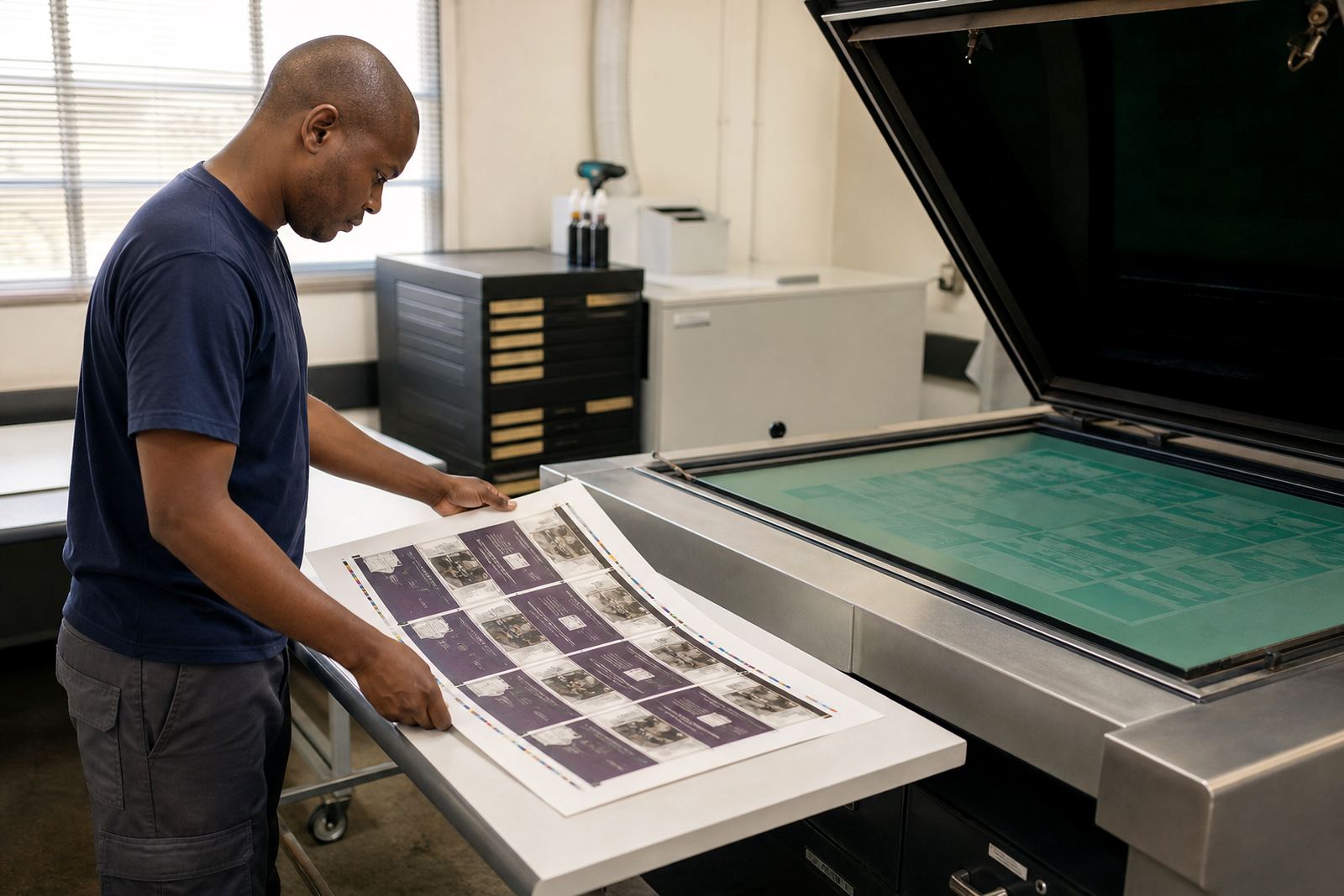
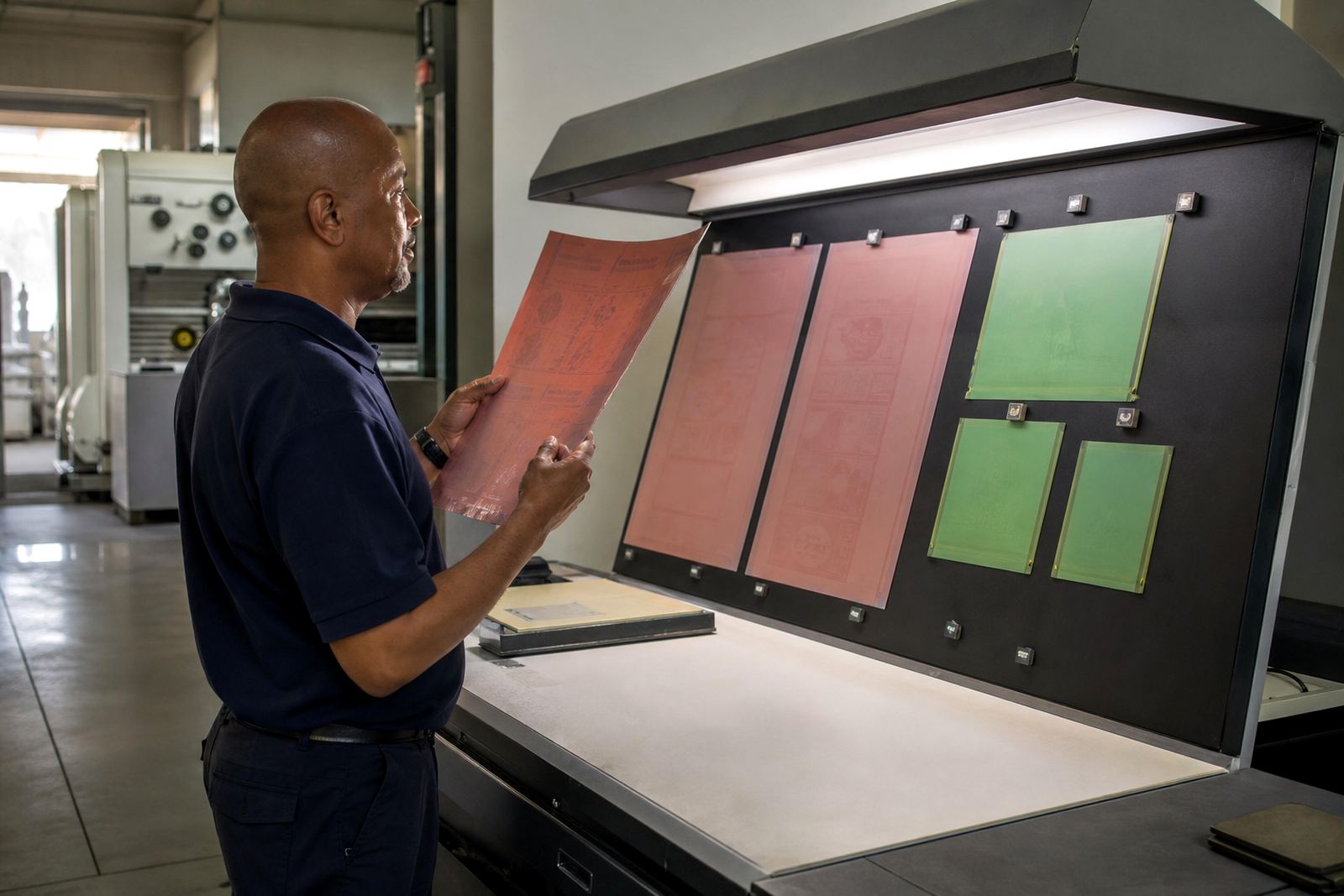
Before deciding on a remake, it helps to check the current file, the print sample, and the job notes together. That gives a better picture of whether the issue is with the artwork, the plate, or the press setup. If the file has changed since the last run, start there. If the file is correct but the output is weak, inspect the plate and the mounting plan.
Our team handles artwork preflight, file checking, screening support, proof comparison, plate trimming, plate labelling, and technical job advice. That means the job can be reviewed from the first file through to the packed plates ready for collection or courier movement. The aim is to keep the process practical, with no guesswork.
- Compare the latest artwork against the previous approved version
- Check whether the plate still matches the repeat and layout
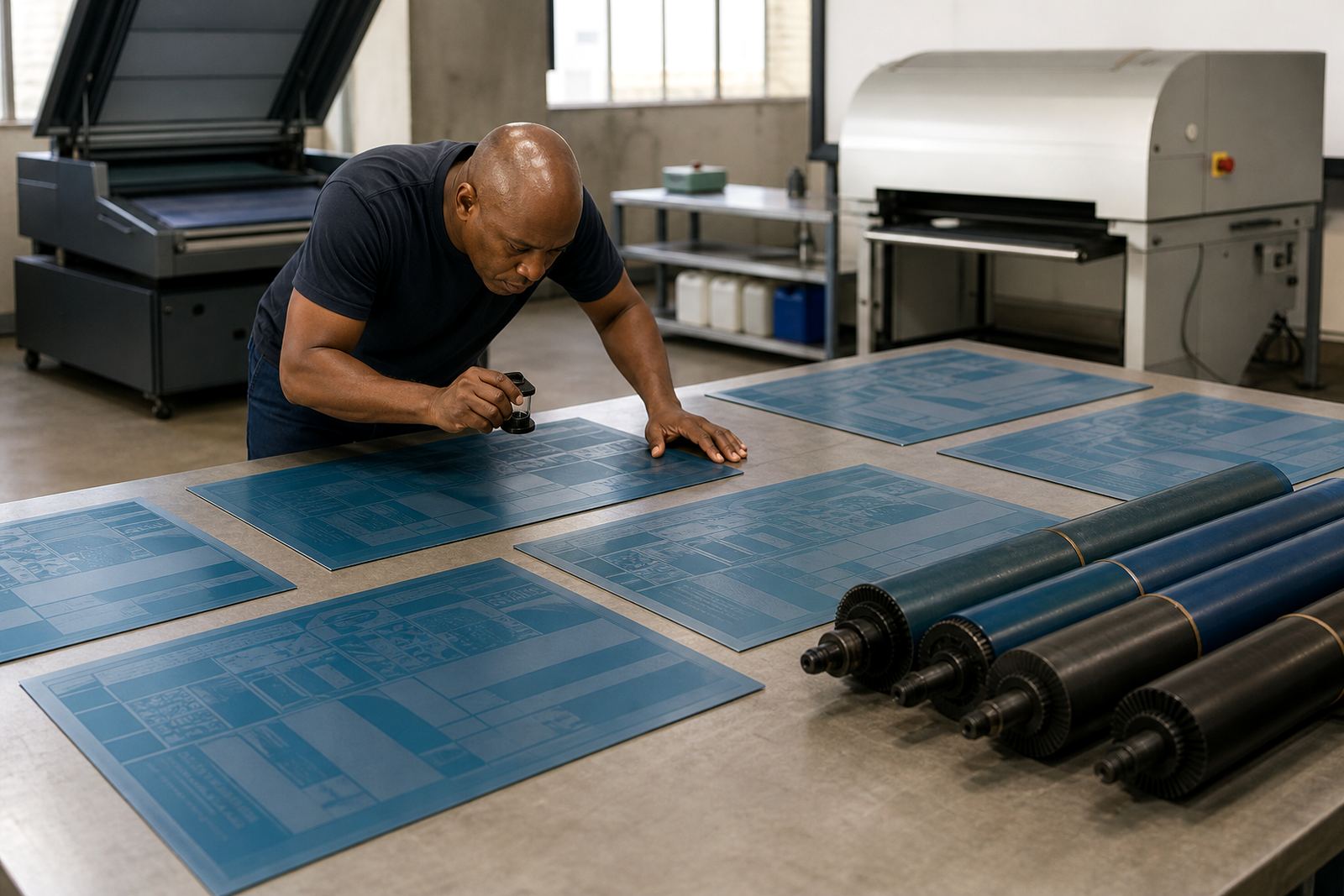
- Review wear, damage, or distortion on the plate face
- Confirm whether the job needs a partial remake or a full set
- Ask for technical advice before the next press booking
Choosing the practical route, not the expensive one
Remaking plates is not about replacing every used plate. It is about knowing when the current set is no longer the right tool for the job. If the artwork has changed, the structure has changed, or the plate is worn out, a fresh plate is often the most practical choice. That keeps print quality steady and avoids the false economy of forcing an old plate through one more run.
For label and packaging printers, the best time to remake is usually before the next production problem starts. Once the press is booked and the customer is waiting, options become limited. A quick review with a plate-making supplier in Midrand can help you decide what can be kept and what should be remade.
That way, the job goes out with the right detail, the right fit, and less waste on press.