
Why nutritional tables need extra care before plate-making
Nutritional tables are some of the most detail-heavy parts of a pack or label. They often carry small text, multiple columns, decimal values, percentage guides and legal wording, all in a compact space. On press, that detail can suffer if the layout is crowded or if line weights and font sizes are pushed too far for the substrate and print process.
For flexo work, the plate does exactly what the artwork tells it to do. If the file is too busy, the plate will not fix it. That is why we look for ways to simplify the artwork first, while keeping the table clear and compliant for the printer and the brand owner.
In practice, this means checking whether the table can be spaced out slightly, whether some rules can be reduced, and whether the smallest text will still hold on film, paper or label stock. It also means checking how the table sits next to other pack elements like ingredients, barcodes and panel borders.
What usually causes trouble in small tabular artwork
Many nutritional tables are designed for packaging artwork that started life as a marketing layout, then had regulatory text added at the end. That is where problems begin. A table can look fine on a large proof, then break down when it is reduced to fit a narrow label or carton panel.
- Type that is too small for clean reproduction on press
- Hairline rules that disappear or fill in
- Too many columns forced into a narrow space
- Poor contrast between text and background tint
- Converted artwork where text is no longer editable for final checks
- Misaligned decimal points, which make figures hard to scan
These issues matter even more on jobs that need repeat production. If the layout is unstable, each remake becomes a new risk. A cleaner master file saves time, reduces corrections and keeps the table consistent across labels, cartons or sleeves.
How careful simplification helps the final plate
Simple changes in artwork can make a big difference when the plate is made. We are not talking about changing the meaning of the table. The aim is to reduce strain on the layout so the printed result stays legible and neat.
Common improvements include adjusting spacing, removing unnecessary line clutter and checking that the most important figures stand out clearly. Where possible, the table can be opened up a bit so the print has room to breathe. That is useful on shorter runs and also on larger jobs where the press operator needs a clean, stable image to hold registration properly.
This approach is especially useful for packaging printed in South Africa, where the same artwork may need to work across different plants, board grades or label materials. A table that is comfortable on one substrate may be too tight on another, especially if humidity or temperature shifts affect the web or sheet during production.
- Keep the table structure simple and readable
- Use sensible rule thicknesses for flexo reproduction
- Avoid overloading the layout with extra borders
- Leave enough quiet space around the table
- Check the final size against the intended pack or label panel
Local example from a Midrand packaging job
A common local example is a Midrand food label job heading to a printer supplying Gauteng retailers and distributors. The nutritional table has to fit beside ingredients, batch detail and barcode space on a small front and back label. If the client tries to keep every line the same weight and every cell too tight, the table can become hard to read once it is shrunk for the final die line.
In that kind of job, the best result usually comes from reviewing the artwork before plate-making begins. The table may need a slight reflow, cleaner spacing between rows, or a decision to move non-essential design elements away from the regulatory text. Once that is done, the plates can carry a more practical layout through to press.
For printers working under load-shedding schedules or across multiple shifts, this matters. A clean file reduces the chance of last-minute rework when time is already tight. It also helps with courier delivery to Johannesburg, Pretoria, Durban, Cape Town and Gqeberha, because the plates are more likely to be right the first time.
What printers should check before sending files for plate-making
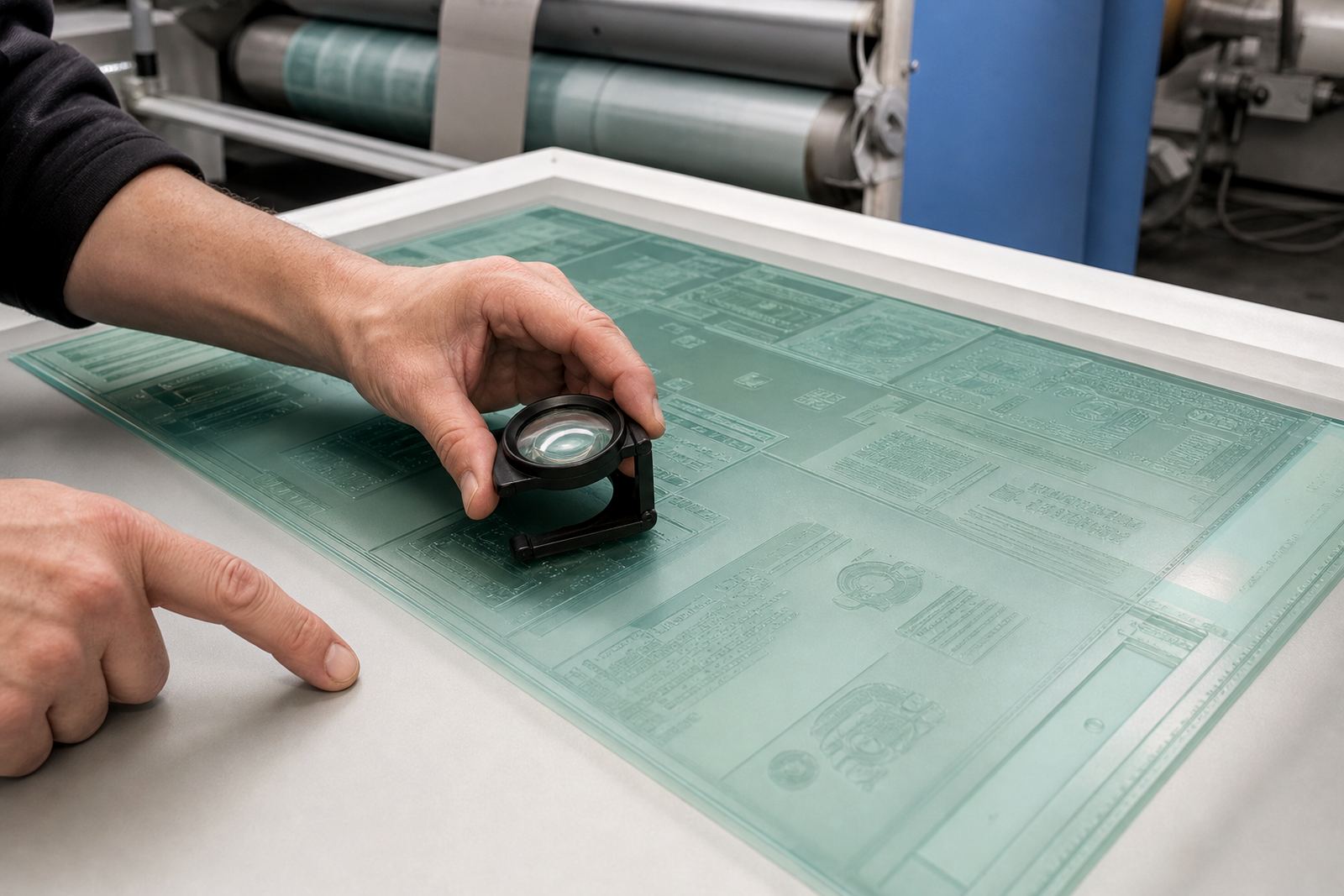
Before a nutritional table goes into plate-making, it helps to run a practical preflight on the artwork. The goal is not to overcomplicate the job, but to catch the small things that cause trouble later.
- Confirm the final trim size and panel size
- Check that all text is live and readable at final size
- Review decimals, units and alignment of figures
- Make sure line weights are suitable for flexo printing
- Check reverse text and tint backgrounds for clarity
- Confirm that the version being used is the latest approved artwork
Our team also looks at file structure, imposition planning and proof comparison where needed. That helps avoid small errors becoming bigger ones on press. If a table needs remake support later, a clean first setup makes that much easier to manage.
A practical plate-making approach that suits South African production
Packaging printers in South Africa work in mixed conditions. Some jobs run on humid coastal stock, others on drier inland material, and many have to move quickly from approval to production. Nutritional tables need to stay clear through all of that. Good plate-making supports that by holding consistent detail, giving the press a predictable image and keeping the layout workable for the final application.
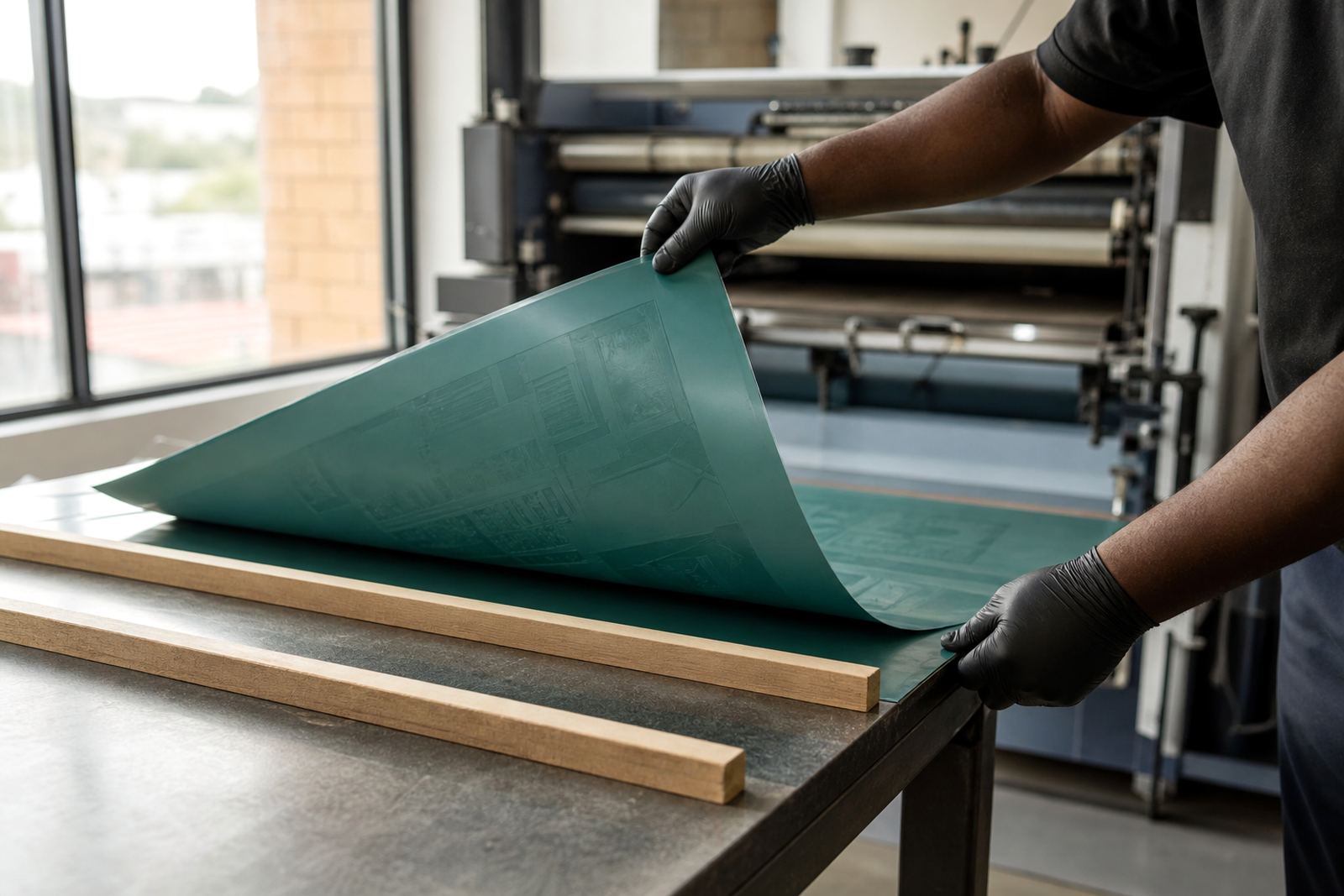
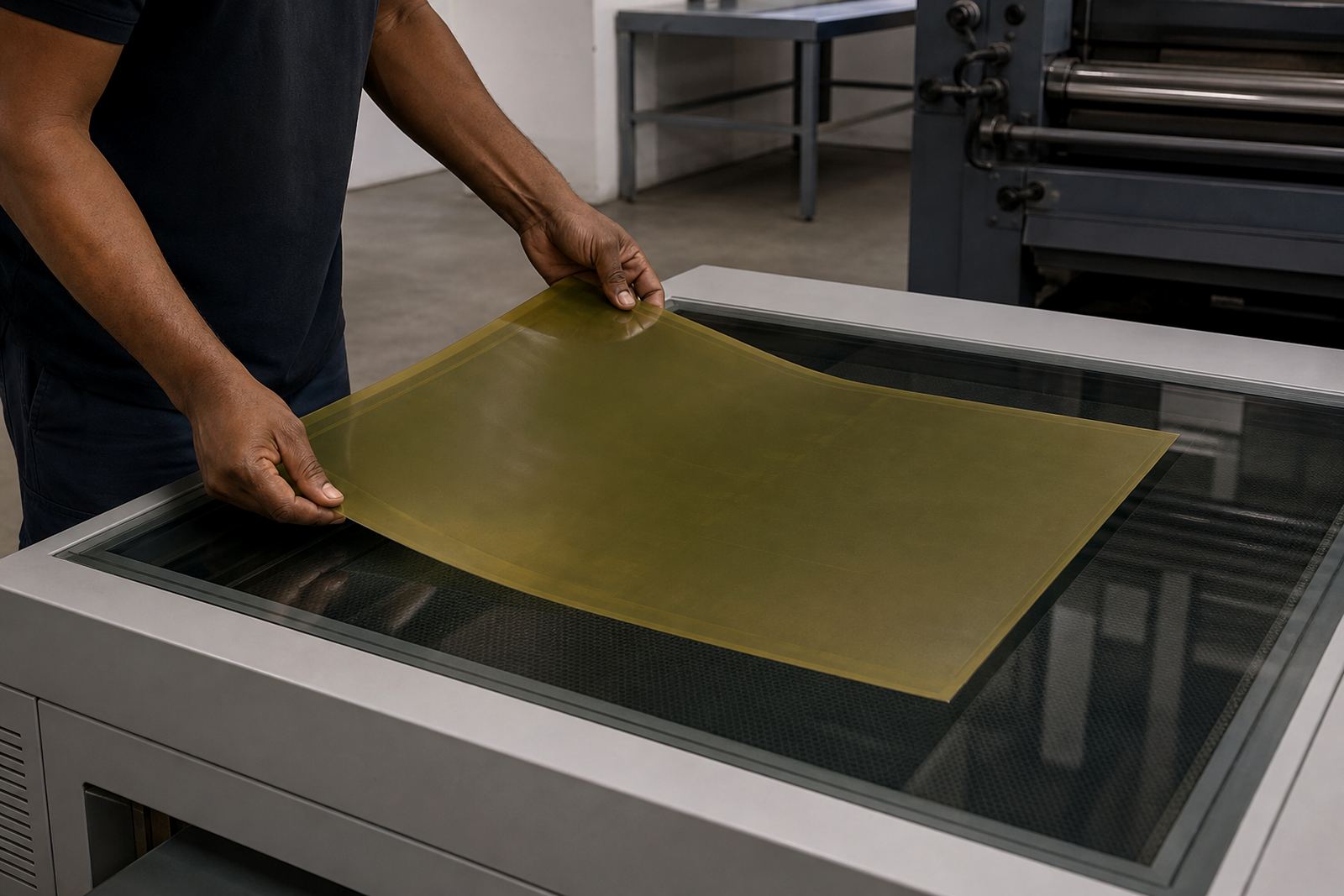
At Flexo Printer Plates in Midrand, Gauteng, we handle plate making for label and packaging printers with practical checks that suit real production. That includes artwork preflight, file checking, screening support, proof comparison, plate trimming, plate labelling, remake support, dispatch packing and collection coordination. We also provide technical job advice when a table layout needs a better approach before plates are prepared.
For teams in East Rand, West Rand and across the country, the key is simple: if the nutritional table is crowded, it is worth simplifying the artwork first. That makes the plate cleaner, the print steadier and the finished pack easier to read where it matters most.