
What repeat length means on press
Repeat length is the distance the printed image travels before it starts again. In simple terms, it is the length of one complete print cycle on the plate cylinder or sleeve. If the repeat is wrong, the artwork will not line up properly and the print can show an unwanted gap, overlap, or a shifted seam.
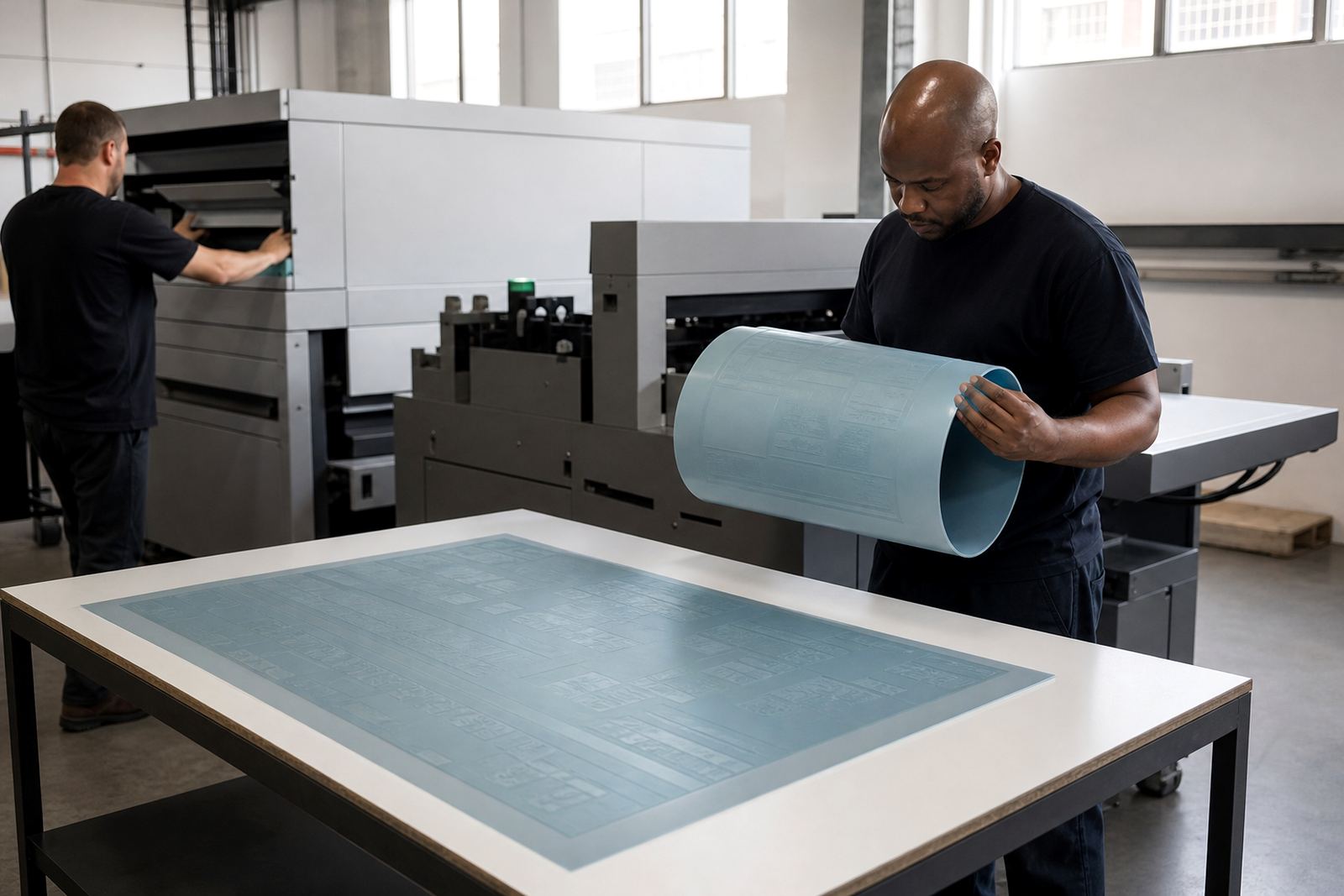
For label and packaging printers, repeat length matters from the first layout check. A carton sleeve, a wraparound label, or a pouch panel may all use different repeats, even where the artwork looks similar. The plate maker needs the exact repeat size, not an estimate, because a few millimetres can affect registration and finishing later on.
Why repeat length changes from job to job
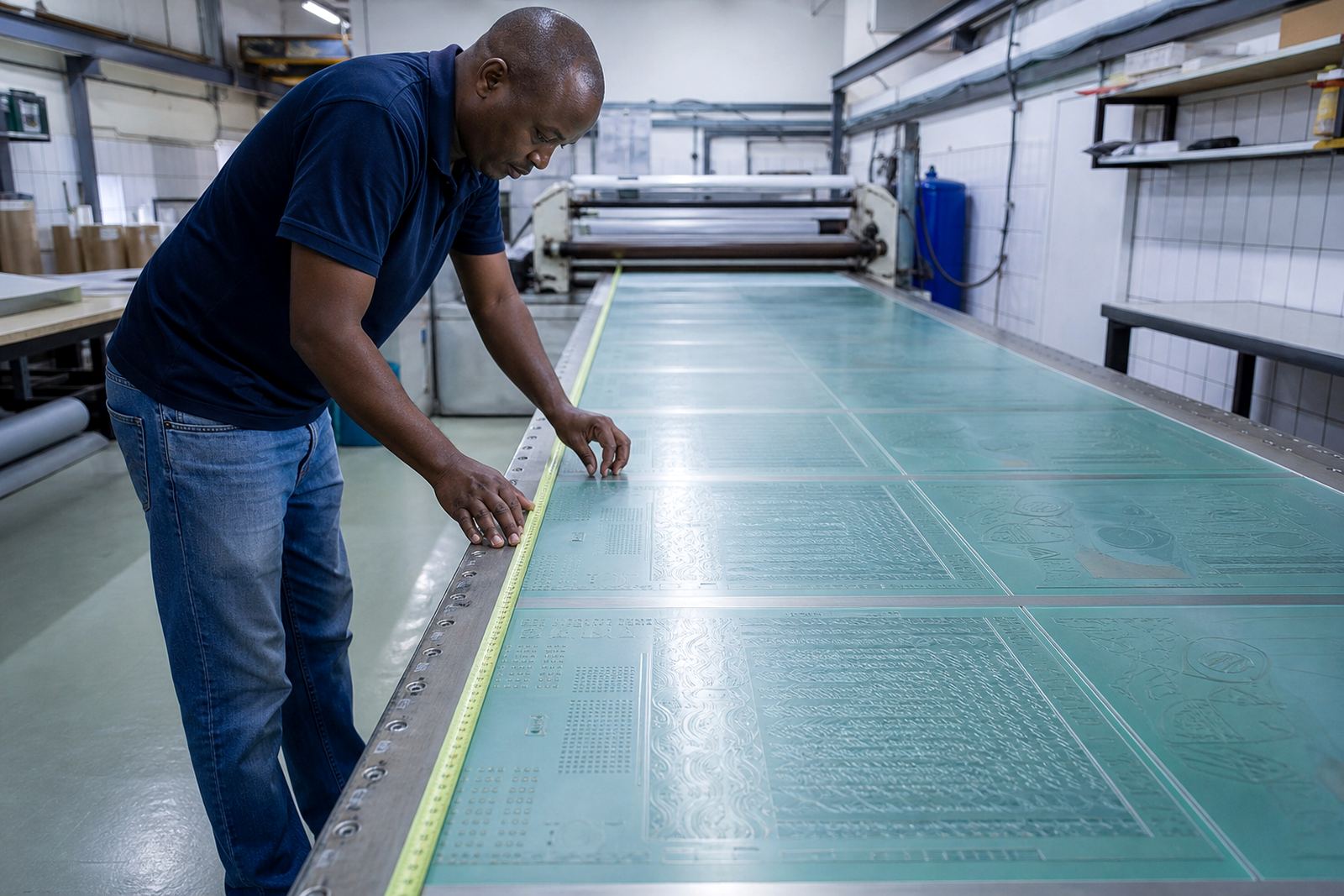
Not every job fits a neat standard size. Repeat length can be influenced by the artwork size, the press cylinder, the number of labels across the web, and the finishing method. If the job includes multiple artworks on one plate, the repeat may also need to allow for spacing between units and any trim allowances.
In practice, a printer in Midrand may be running one label job at 220 mm repeat in the morning and a packaging run at 305 mm in the afternoon. That is why plate layouts should be checked against the press plan before anything is trimmed or labelled. A quick verification at prepress stage saves time, waste and rework later on.
- Artwork size needs to match the cylinder repeat
- Bleed and trim allowances must be included
- Seam position should be checked before plate output
- Multiple-up layouts need even spacing across the web
How repeat length affects label and packaging quality
When repeat length is set properly, the printed image lands where it should and the job runs more steadily on press. That means less adjustment during make-ready, better registration, and cleaner finishing at slitting, cutting or rewinding. For packaging work, it also helps avoid awkward joins on folds and panels.
A poorly matched repeat can show up as a drifting image, uneven side margins, or a pattern that looks slightly out of step from one repeat to the next. On labels, this is often seen on fine type, barcodes, or border lines. On cartons and sleeves, the same issue can show where a fold lands across the printed panel.
A local example from Gauteng production
Say a printer in Pretoria sends through artwork for a food label with a repeat of 186 mm. The press setup is based on a 185 mm cylinder step because the job was measured from an older file and not the final approved artwork. That 1 mm difference may sound small, but on a long run it can create visible variation and extra plate handling.
In a case like this, the better route is to check the final PDF, compare it against the job ticket, and confirm the press repeat before plate-making begins. At our Midrand base, that kind of checking sits alongside artwork preflight, file checking and proof comparison, so the plate output matches the actual production plan.
- Check the final approved artwork, not an earlier draft
- Confirm the press repeat before plate output
- Match the layout to the cylinder or sleeve size
- Keep the seam, trim and barcode positions in mind
What printers should send with the job
Good repeat control starts with clear information. The plate maker needs the finished artwork size, the number of repeats across the web, the press or sleeve size if available, and any special notes about seam placement or finishing. If the job has a reverse print, a cold foil area, or a key image that must sit in a fixed position, say so upfront.
It also helps to include notes on label stock, packaging substrate, and any known press behaviour. Some presses are more sensitive to stretch or slip, especially in humid coastal conditions such as Durban or Gqeberha. Inland jobs may face a different issue, like static or heat in dry weather. A clear job ticket helps the plate room prepare the layout more accurately.
How Flexo Printer Plates handles repeat checks
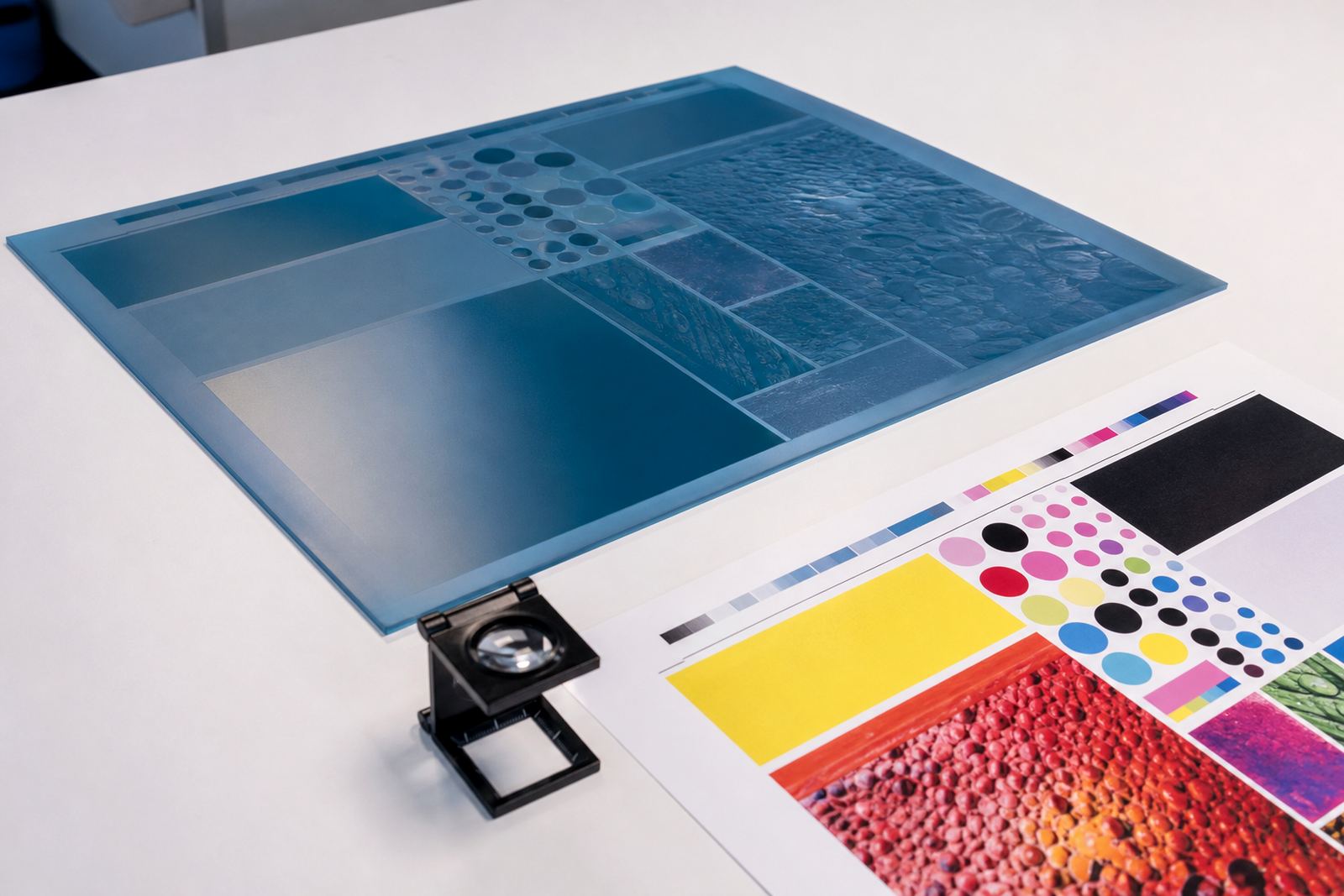
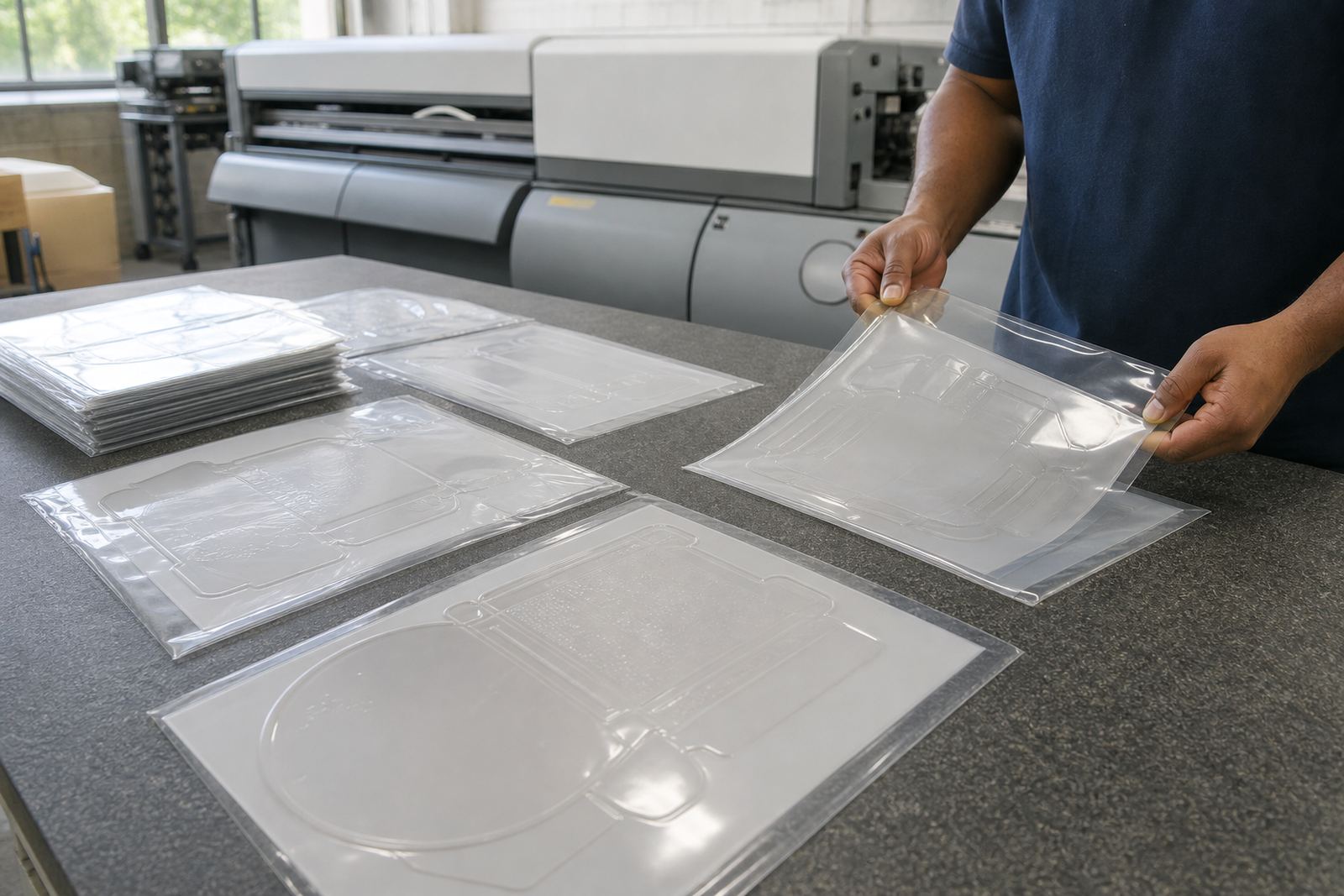
We handle repeat length as part of the normal plate-making workflow, from preflight through to trimming and dispatch packing. That includes checking artwork size, reviewing imposition, supporting screening choices, and confirming plate labels before collection or courier delivery. If a repeat looks wrong, it is better to catch it early than to find out on press.
Our team, led by Sibusiso Mthembu in Midrand, works with label and packaging printers across Johannesburg, Pretoria, Durban, Cape Town and Gqeberha. Zinhle Dlamini coordinates dispatch, while Pieter van Wyk, Ayesha Naidoo, Morne Jacobs and Lerato Molefe each handle the practical steps that keep jobs moving. If you need technical job advice or remake support, the enquiry form on our contact page is the best starting point.
For printers managing load-shedding, short production windows or courier collections, repeat accuracy matters because there is less time to correct mistakes later. A well-checked layout means the plates arrive ready for the press plan, with fewer surprises and less waste.