Start with the job details before the courier booking
Before any collection is arranged, confirm the job name, plate count, plate size, and the delivery address for the print run. For label and packaging work, the smallest mismatch in size, substrate notes or plate set order can cause delays at press. We also recommend checking whether the delivery is going to a factory floor, goods receiving bay, loading yard or a security gate, because each site handles parcels differently.
At our Midrand base, the production team and logistics coordinator work from the same job information so that the plates, labels and dispatch notes all match. That includes checking whether the plates are for Johannesburg, Pretoria, Durban, Cape Town, Gqeberha, or another town on the route. If the plates are being sent for a tight production window, let the receiving team know the parcel is due so they can plan offloading and storage.
- Confirm the final delivery address and contact person
- Check the plate count, job name and print side marking
- Note any access rules for the receiving site
- Share the planned delivery date with the printer
Prepare the plates so they travel flat and clean
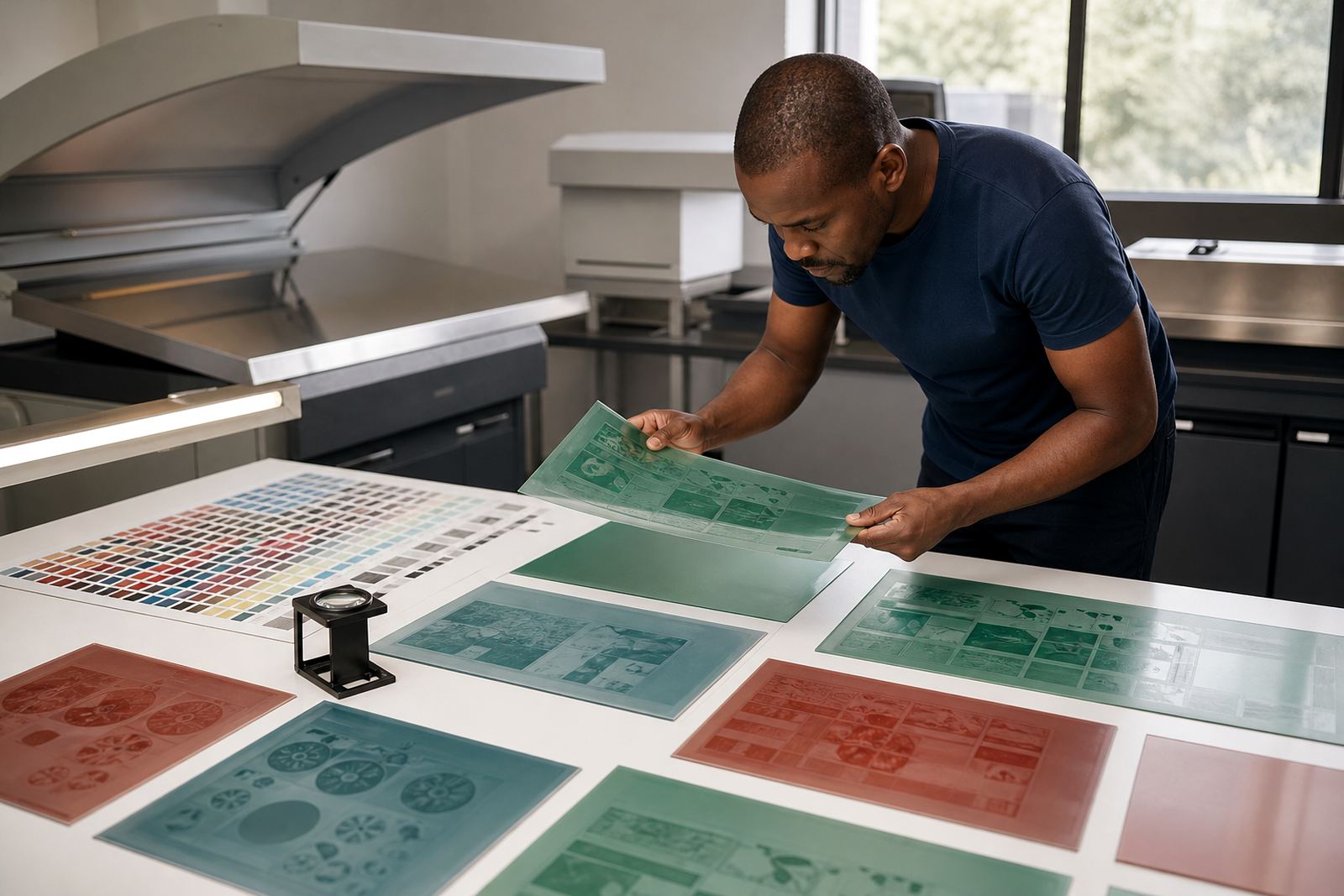
Finished photopolymer plates should be handled with care from the drying stage right through to packing. Clean surfaces, even stacking and proper separation matter because pressure marks and edge damage can affect registration on press. In humid coastal areas like Durban and Gqeberha, extra care is needed so the packed plates are not exposed to damp conditions for longer than needed. In Gauteng, dust and static can also be an issue if plates are left open during loading.
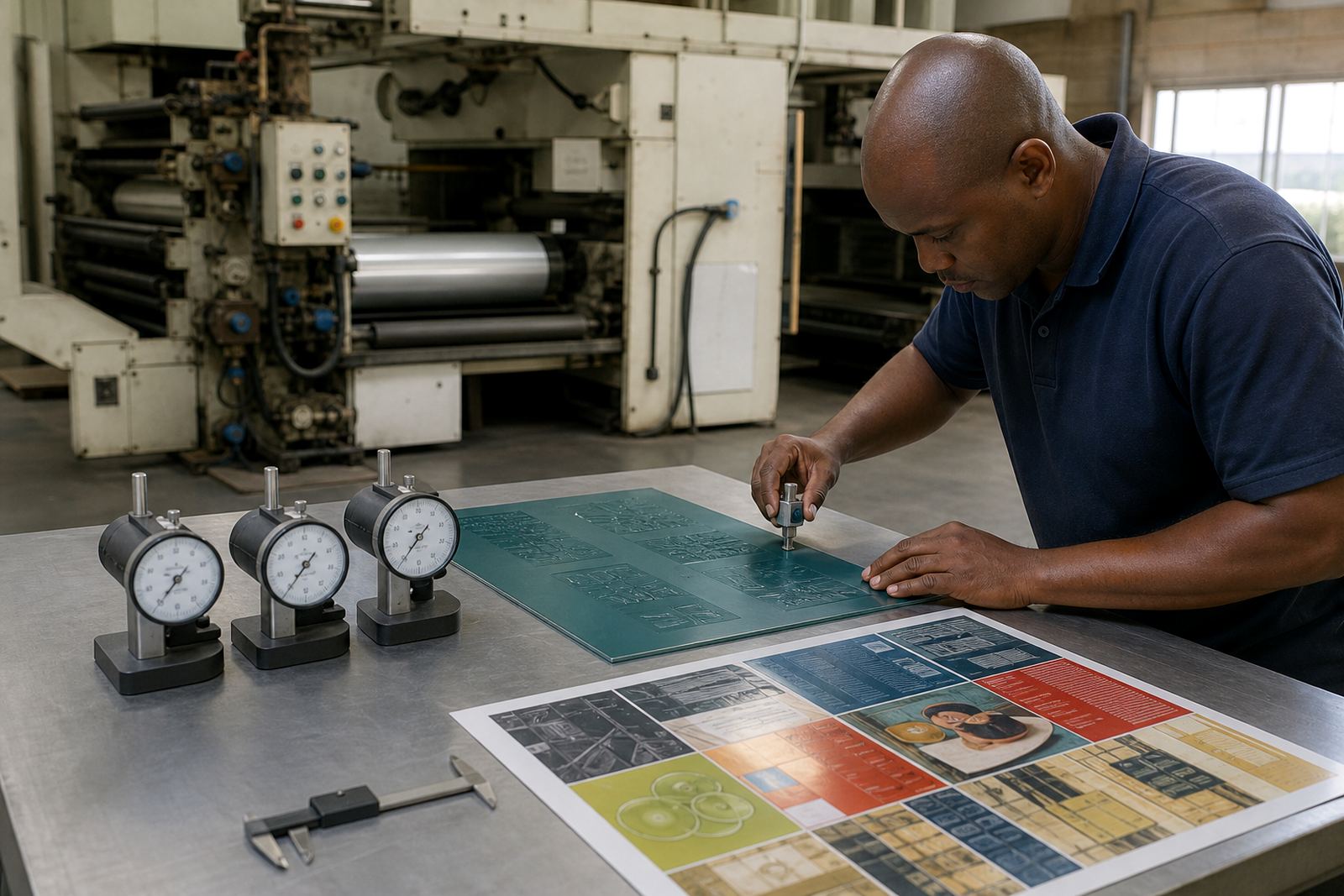
Before packing, the plates should be checked for trim finish, labelling and remake notes if any set is being replaced. If the job involves multiple colours or repeats, the plates need to be grouped in the right order. A small slip in order can cost time once the truck has already left, so the packing stage is worth doing slowly and properly.
- Keep plates flat and avoid bending during handling
- Use clean interleaving where required
- Mark each set clearly for colour or station order
- Separate remakes from the main set if they are travelling together
Choose the right courier method for the route and timing
Not every courier job needs the same kind of transport. A same-day collection in Midrand may suit a local Gauteng delivery, while a linehaul route may be better for longer distances to Cape Town or Gqeberha. The main point is to match the courier method to the weight, size and urgency of the plate set. Finished plates should not be crushed under other parcels, and they should not be left in a vehicle for long periods where heat can soften or mark them.
For printers working around load-shedding, it is worth planning the delivery around the point where the plates will be received and stored safely. If the site has limited after-hours access, arrange for a daytime handover. If the printer shares access with other tenants, make sure the receiving team knows who will sign and where the parcel should be taken. That way the parcel does not sit in security or get moved twice.
- Local delivery for Midrand, East Rand and West Rand jobs
- Regional delivery for Johannesburg and Pretoria routes
- Long-distance courier for Durban, Cape Town and Gqeberha
- Timed handover where the printer needs the plates for a press slot
Pack the courier box so the job arrives in order
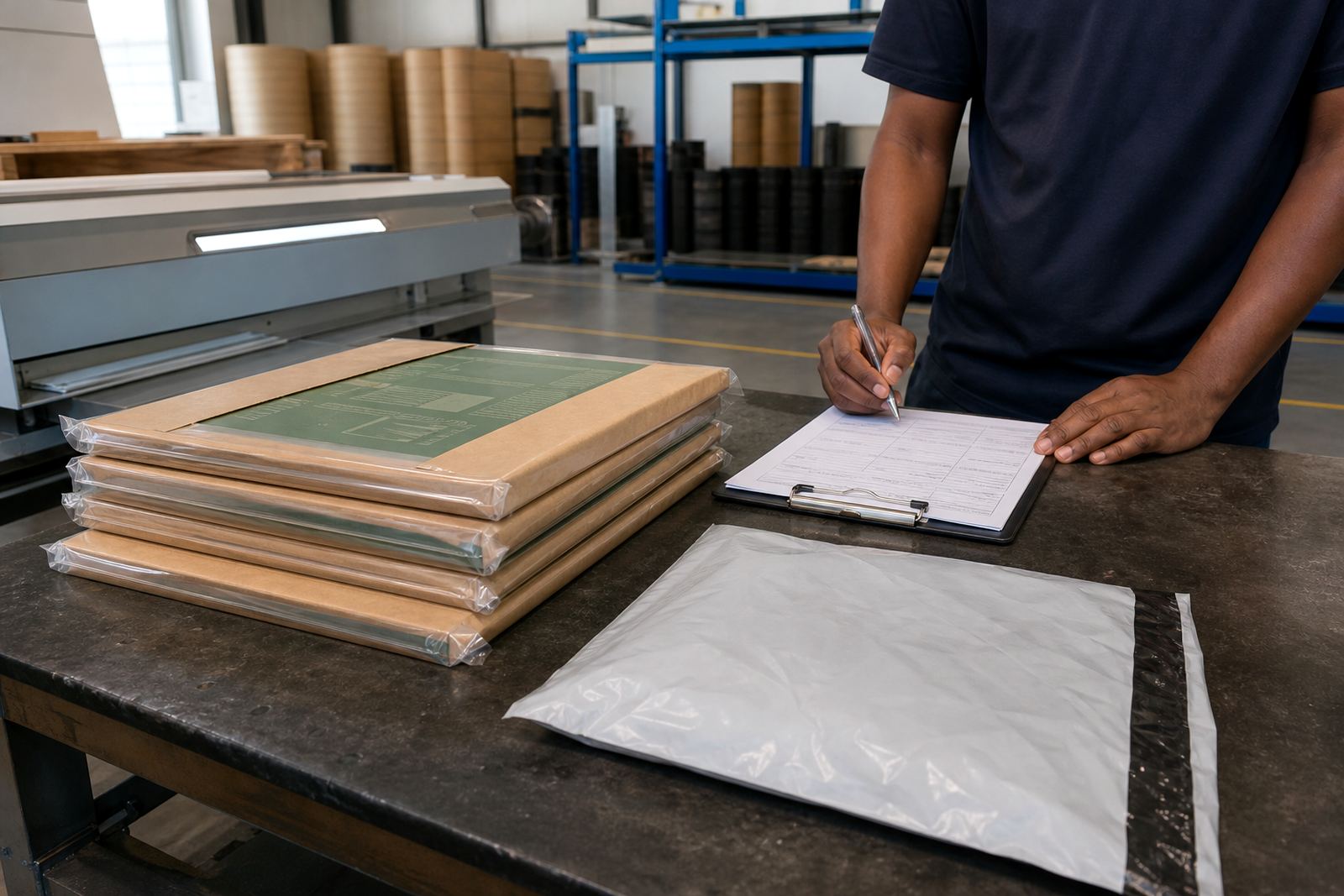
Packing is not just about putting the plates in a box. It is about keeping the set stable, identifiable and easy to receive. Use a carton or flat pack that fits the plate size properly. Too much space allows movement, while too little space can create pressure on the edges. If the set is travelling with proofs, remake notes or job sheets, keep those on top so the receiving team can check the parcel quickly.
Where possible, list the contents on the outside in simple terms such as plate set, job code and quantity. A clear label helps the courier and the printer, especially when more than one parcel is going to the same site. Our dispatch packing process is set up to reduce mix ups, and collection coordination is handled with the same care as the plate-making itself. Small details matter here, becuase a parcel that arrives in good order saves time on the floor.
- Use the correct carton size for the plate format
- Keep the set flat and secure inside the pack
- Place supporting papers where they can be found quickly
- Label the parcel clearly for the final receiving point
Use a clean handover process at collection and receiving
A good courier delivery starts with a clear handover and ends with a clear receipt. At collection, the courier should be shown exactly which parcel belongs to which job. At delivery, the receiving person should check the parcel count, the outer condition and the label before signing. If the carton shows crush marks, moisture or a torn corner, note it immediately so the issue can be followed up while the details are still fresh.
For printers with multiple sites or a central warehouse, it helps to keep one person responsible for receiving plate work. That person can confirm the package went to the right department, which avoids plates being left at security or in the wrong stores area. Collection coordination, dispatch packing and plate labelling all work better when the same contact is used from start to finish.
What to check before the plates go out the door
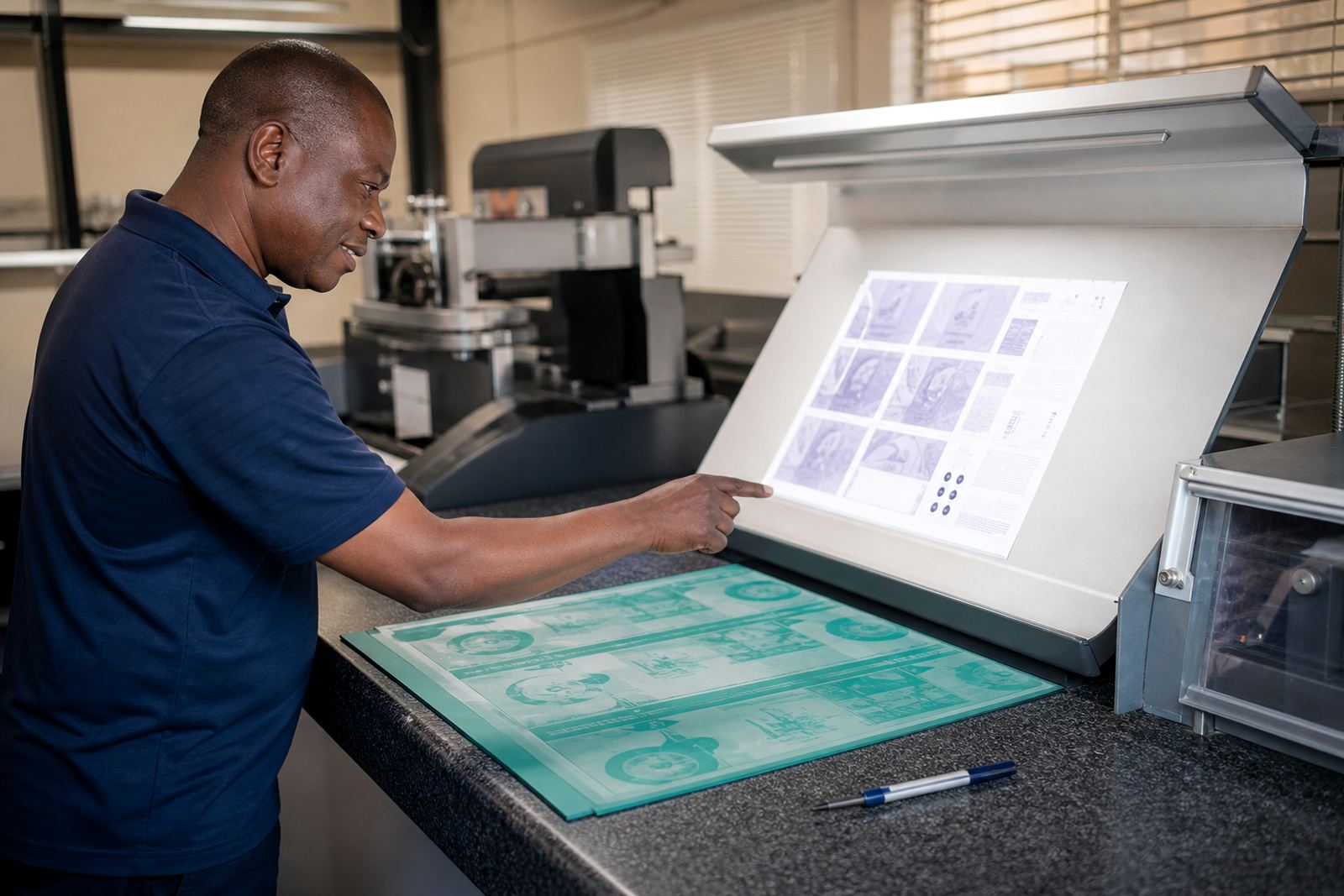
A short pre-dispatch checklist can prevent most delivery headaches. Before release, check that the plate set is correct, the job has been marked for the right site, and the delivery address is complete. If there is a remake in the same consignment, tell the printer so they know what is fresh stock and what is replacing an old plate. The team in Midrand uses artwork preflight, file checking and proof comparison before production, but the last check before dispatch is still important.
If you are arranging courier delivery for the first time, keep the process simple. One job, one contact person, one address, one clear parcel label. That approach works well for printers across Gauteng and further afield too. It also makes it easier for the logistics coordinator to track the handover and for the client services lead to answer questions if something changes along the way.
- Confirm plate count and job reference
- Check the receiving address and access details
- Make sure the parcel is sealed and labelled
- Keep a note of who is collecting and who is receiving
When to ask for technical help before dispatch
If a plate job has unusual artwork, multiple repeats, tight register or a tricky substrate, ask for technical job advice before it leaves. It is easier to sort out a file issue, imposition question or screening concern before the courier is on the road. The same applies if there are questions about plate trimming, plate mounting, or whether a remake should travel with the main order or separately.
Flexo Printer Plates works from Midrand, Gauteng and supports printers across South Africa with plate making, screening support, proof comparison, plate labelling and collection coordination. Sibusiso Mthembu leads the business as Managing Director, with Ayesha Naidoo, Pieter van Wyk, Lerato Molefe, Morne Jacobs and Zinhle Dlamini supporting the production and delivery process. If you need courier delivery arranged for finished plates, use the enquiry form on our contact page and send the job details through in one go.