
Why barcode labels need tighter plate control
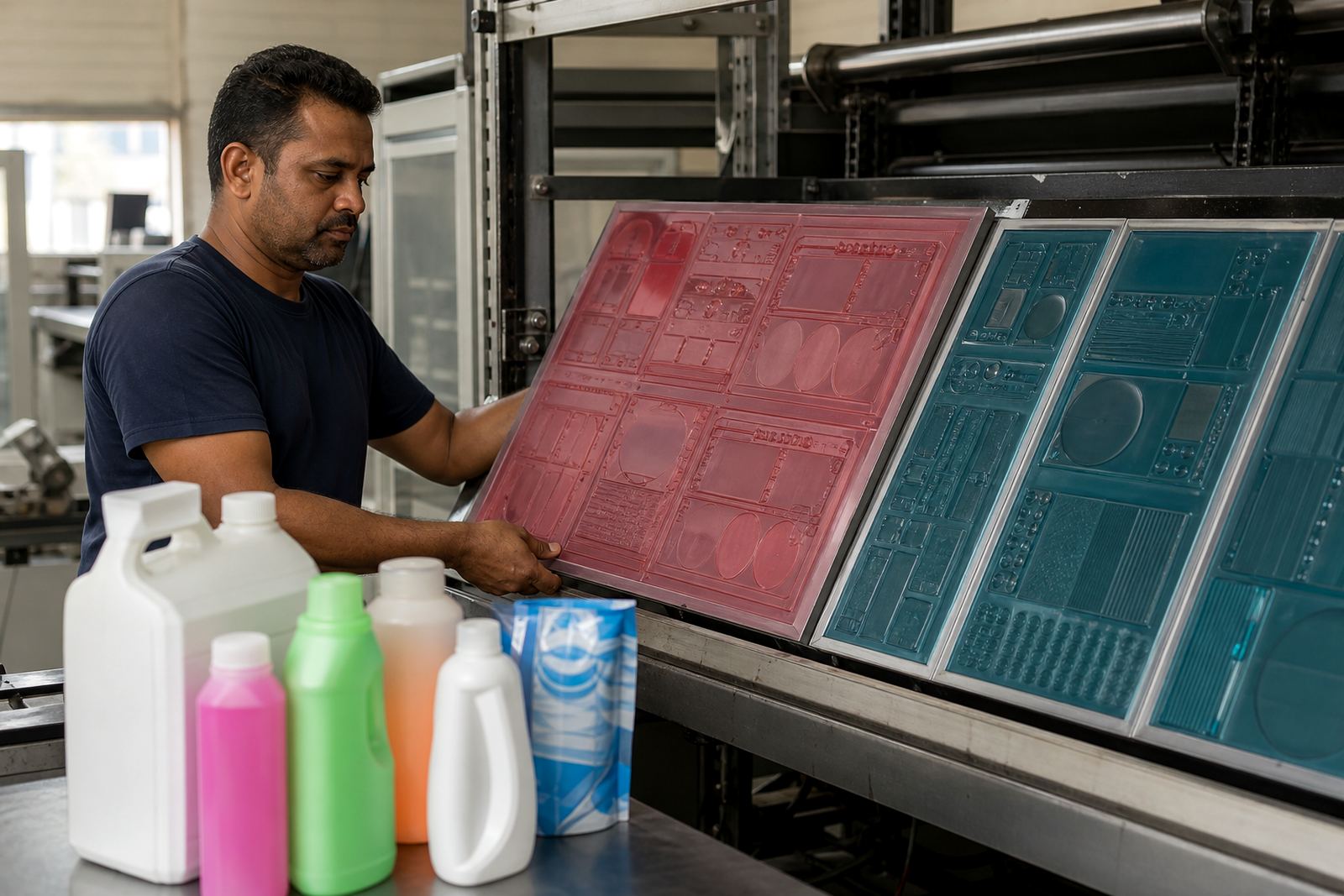
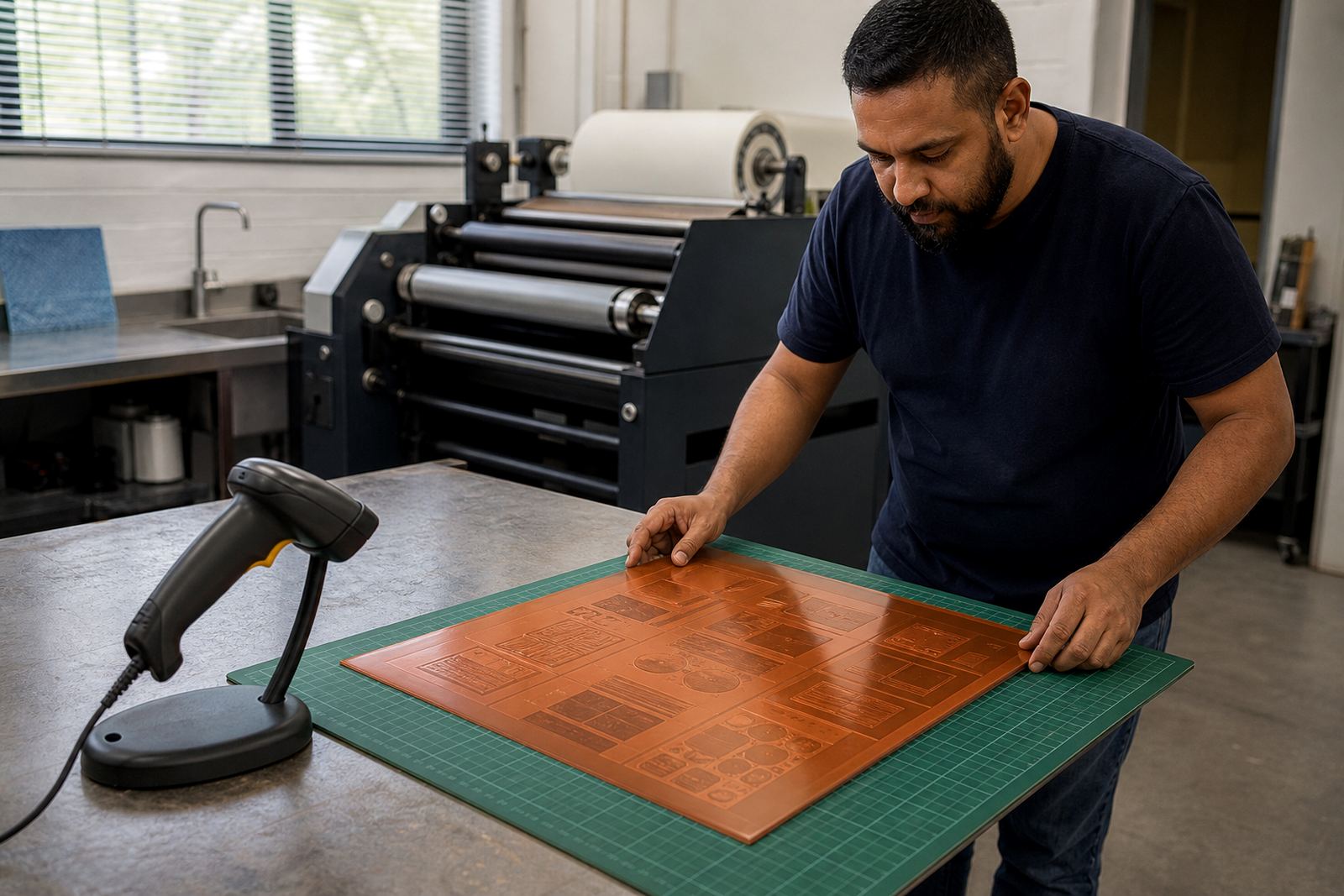
Barcode work is less forgiving than general label printing. A small gain in dot spread, a soft edge or a slight change in plate thickness can affect scanability, especially on small codes used for stock, cartons and retail packs. That is why photopolymer plate-making for barcode labels has to be handled with care from artwork preflight through to dispatch packing.
For printers in Johannesburg, Pretoria, Durban, Cape Town and Gqeberha, the usual challenge is keeping linework crisp while still holding enough ink on press to print cleanly on paper, film or laminated stock. In practice, this means checking quiet zones, bar width, plate relief and any fine reverse text before plates are made. We also consider how the job will run on the press, because a barcode that looks fine on screen may not hold up once it is on a fast line with humidity, static or changes in tension.
Typical press setups and material choices
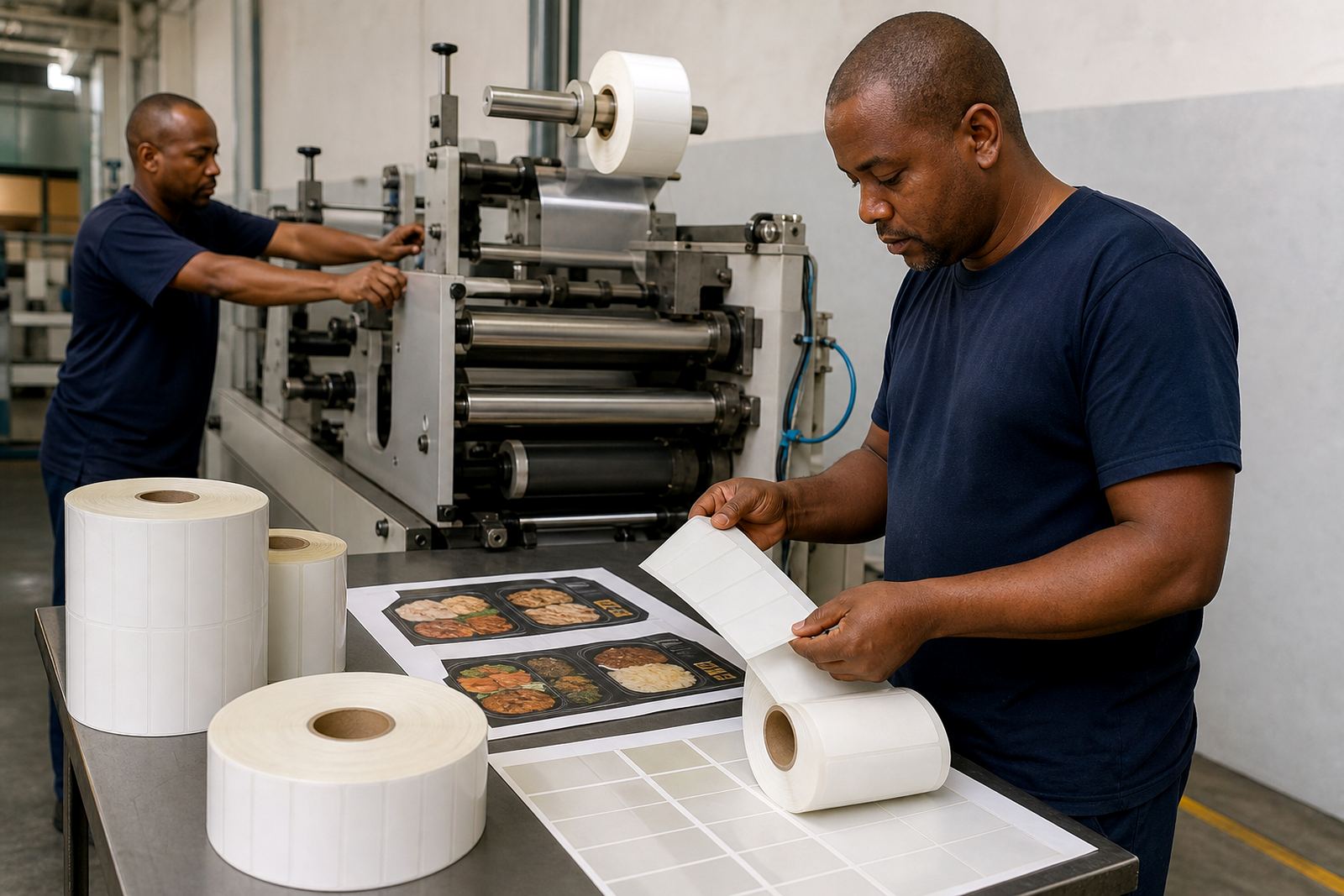
Barcode labels are commonly printed on narrow web flexo presses, label converting lines and some packaging lines that handle short to medium runs. The plate choice depends on the stock, the anilox setting, the ink system and the finish needed at the end. Smooth film labels, uncoated paper and coated self-adhesive stock each behave differently, so we match the plate work to the application rather than forcing one setting across all jobs.
In many cases, clients need a practical mix of the following:
- Fine-line flexo plates for small barcodes and compact copy
- Remake support for recurring SKU changes or retail updates
- Plate labelling so repeats are easy to track on busy jobs
- Plate trimming to suit your cylinder, sleeve or mounting system
- Screening support where small solids need better hold without filling in
For plants in coastal areas like Durban or Gqeberha, we also keep in mind storage and handling. Coastal humidity can affect plate care and mounting consistency, so clean packing and correct storage matter as much as the artwork itself.
Layout and planning advice before plate-making
Good barcode results start before the plate room. We check the file structure, the barcode sizing, the required quiet zones, overprints and any die line or fold relationship that could interfere with scanning. If the code sits too close to a crease, glue panel or edge trim, the pressroom can end up chasing a fault that was built into the layout from the start.
Useful planning steps include:
- Leave enough white space around the barcode, especially on narrow labels
- Keep variable data away from busy artwork and heavy tints
- Allow space for registration marks and press control elements
- Confirm whether the code must be read at retail, warehouse or internal scanning points
- Send artwork in good time for proof comparison and file checking
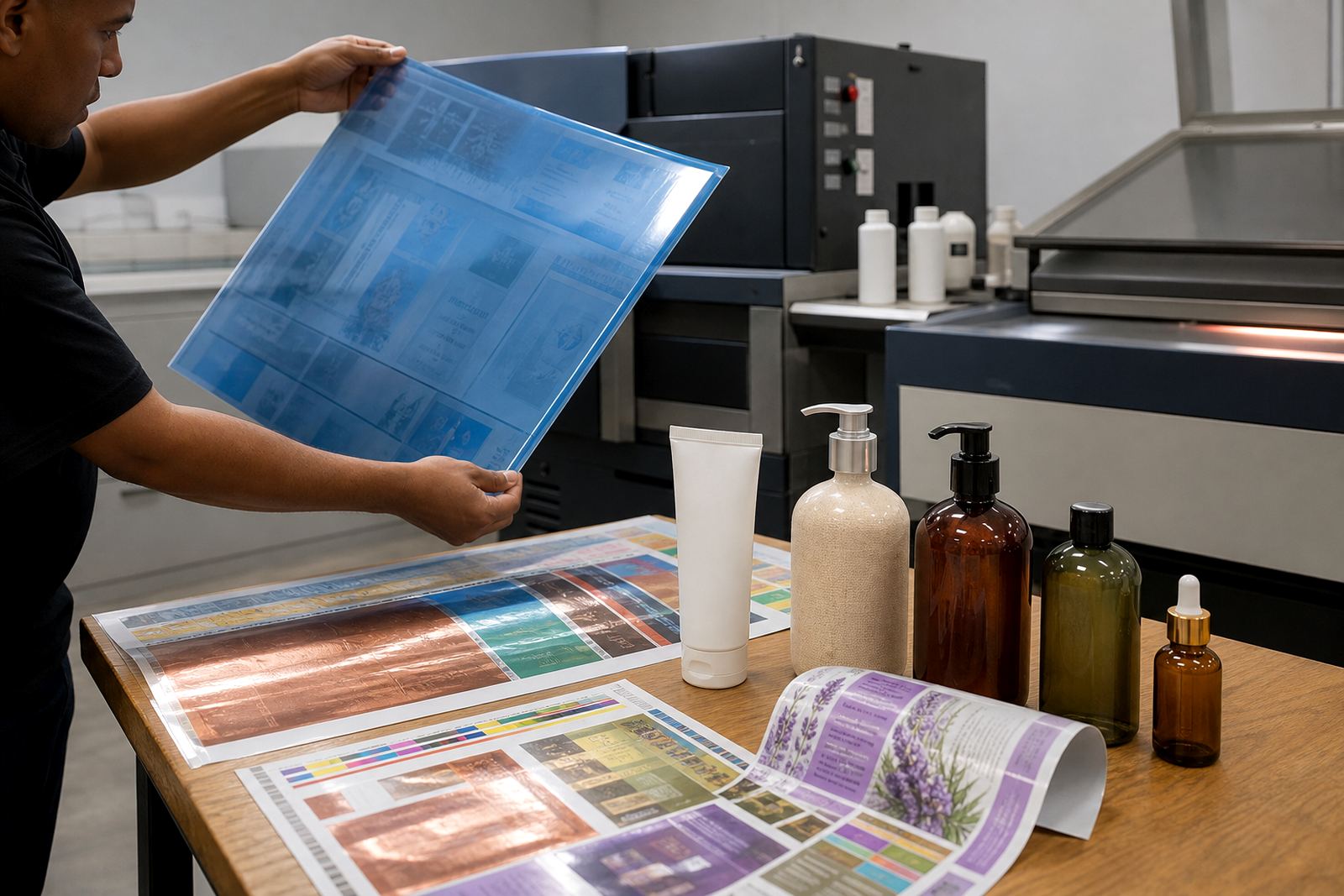
When a job has multiple versions, we can assist with imposition planning so the plates are arranged efficiently and the press crew can identify sets without confusion. That saves time on press and reduces mix-ups during changeovers.
Common mistakes that cause barcode problems
The most common problems are usually simple. A barcode may be reduced too far, placed over a background tint, or built with weak contrast. Sometimes the issue is not the artwork at all but the plate detail: harsh screening, poor plate relief, dirty mounting or an incorrect plate thickness can all affect the edge definition needed for a clean scan.
Another mistake is treating all label work the same. A barcode on a carton label does not behave like a promotional label with large solid areas. If the plate is too aggressive, the bars may spread. If it is too soft, the image can lose density and print unevenly. We also see cases where printers rush a remake without checking the original file changes, which can leave the new plate matching the old mistake exactly.
For that reason, we offer technical job advice at the enquiry stage. If a file has a known issue, it is better to flag it before production starts rather than waste time and board later. A careful prepress check is usually cheaper than a press stoppage and a stack of rejects.
Budget ranges for barcode label plate work
Barcode label plate costs vary with size, plate count, remakes, trimming needs and how much prepress input the job needs. Smaller label jobs with straightforward artwork can sit at the lower end, while multiple versions, fine detail and urgent dispatch will move the price up. As a working guide, many barcode label plate orders fall somewhere between R450 and R3 500 per job set, although complex or high-volume requirements can sit outside that range.
When quoting, we look at the number of plates, the plate size, whether artwork changes are needed and whether the job requires collection coordination or courier packing. We also factor in any repeat-use planning, because a well-labelled remake archive can save money on future runs. For clients in Midrand and the wider Gauteng area, collection is often straightforward. For other areas, courier delivery across South Africa helps keep production moving without long delays.
How we handle barcode label jobs from Midrand
Our Midrand base supports label and packaging printers across South Africa, with courier delivery to Johannesburg, Pretoria, Durban, Cape Town and Gqeberha, plus East Rand and West Rand deliveries where required. Founded in 2007, we work on photopolymer plate-making for jobs where sharp edges and repeat consistency matter. The team includes Sibusiso Mthembu, Ayesha Naidoo, Pieter van Wyk, Lerato Molefe, Morne Jacobs and Zinhle Dlamini, each handling a defined part of the workflow from prepress to dispatch.
For barcode labels, we focus on practical output: checked files, sensible imposition, plate trimming that suits the press set-up and packing that protects the plates in transit. If you need remakes, staged dispatch or help comparing a proof against the final artwork, we can work through that with you before plates leave the site.
Clients usually reach us through the enquiry form on our contact page. That keeps the job details together in one place, which helps when there are several label versions, a tight print schedule or a mixed delivery plan across different branches.