What Wraparound Plates Are Used For
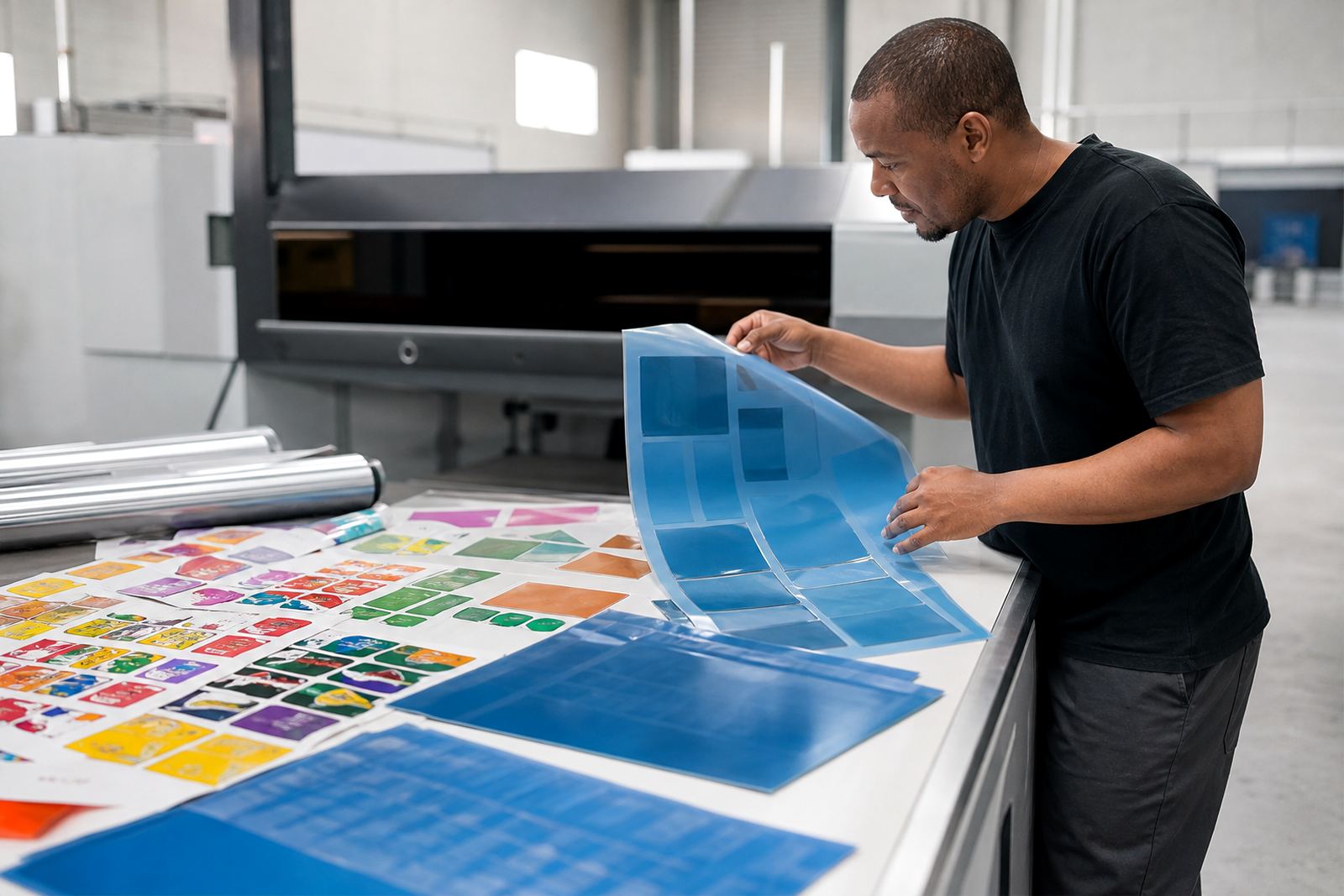
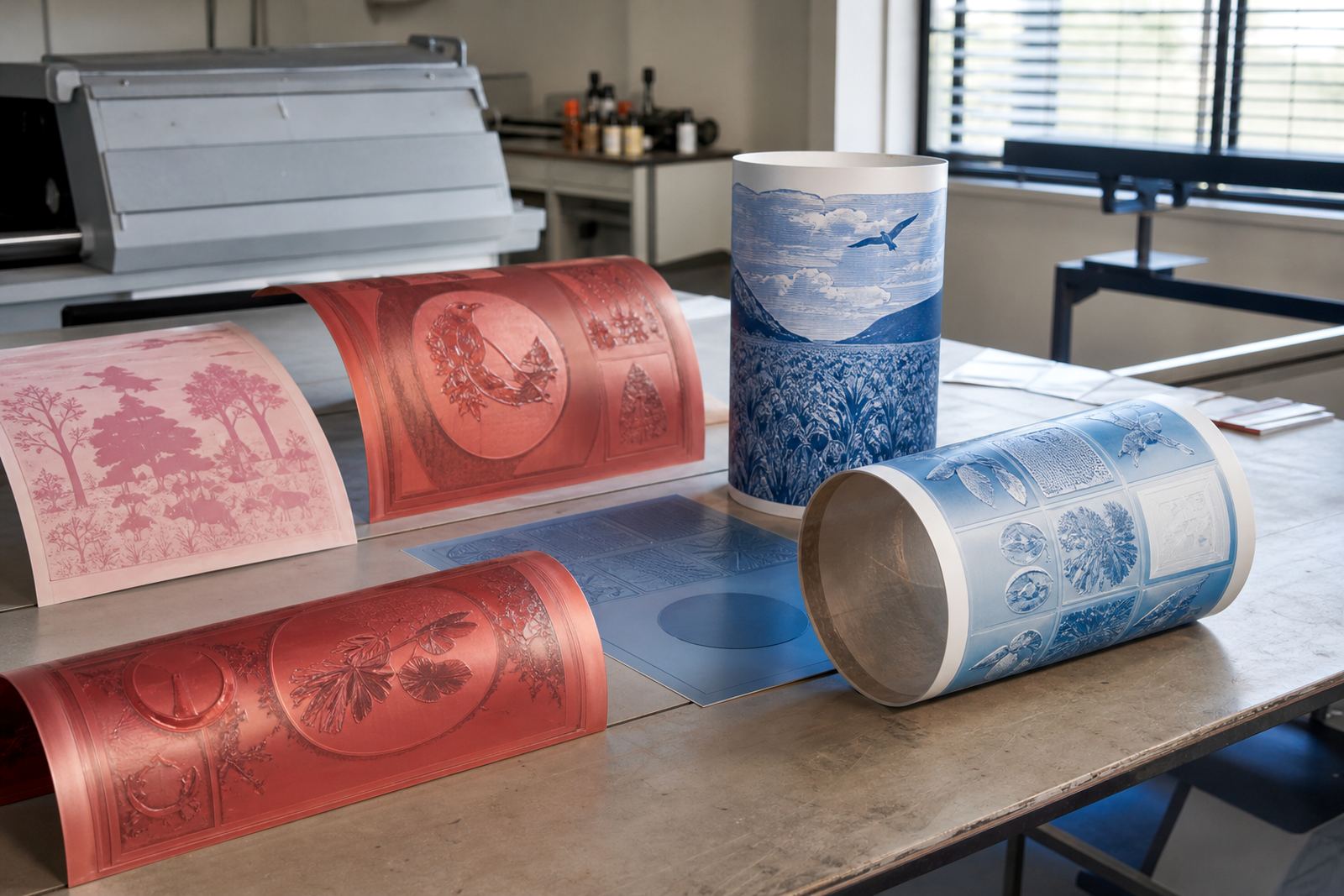
Wraparound flexo photopolymer plates are made for jobs where the artwork continues around a cylinder or sleeve with no visible break in the printed image. The plate has to hold detail at the start and end point, so the join area must be planned properly before making the plate. This matters on labels, flexible packaging, cartons, sleeves and other repeat work where small shifts can show up once the press is running.
These plates are especially useful when the printed surface wraps around the product and the operator needs accurate registration from one repeat to the next. In practice, that means checking the repeat length, artwork placement, seam position and any trap that may be needed at the join. A small error here can affect the whole run, so the prepress stage is doing a lot of the work before the plate is even exposed.
- Suitable for continuous image wraps and repeating label artwork
- Helps manage join lines, seam placement and repeat accuracy
- Used on short, medium and longer production runs
- Works well where fine text or line work must stay legible around the form
Plate Build, Thickness and Image Detail
Photopolymer wraparound plates are supplied in thicknesses suited to the press and the substrate being printed. Common plate build choices depend on the print station, the anilox setup, the image detail and the amount of squeeze needed for the job. For label and packaging printers, the right thickness is usually chosen to keep solids stable while still allowing fine elements to print cleanly.
The surface relief can be made for fine type, halftones, solids or mixed artwork, depending on the file and the final application. Where the job carries a lot of detail close to the join, the file should be checked carefully so that the image does not drift or distort at the seam. It also helps to confirm whether the plate needs a straight cut, a keyed position or another mounting layout for your sleeve or cylinder. That bit of planning saves trouble on press, especially when the job is being repeated later.
- Available in plate builds matched to press and substrate needs
- Suitable for fine text, solid areas and mixed graphics
- Join area can be planned to reduce visible breaks
- File setup should support accurate repeat length and image position
Where Wraparound Plates Suit Best
These plates suit South African printers working on labels, sachets, flexible packaging, cartons and branded wraps where image continuity is important. They are also useful for jobs that must carry around a curve or sleeve and still hold a neat finish once the material is applied or converted. If the product will be handled in warm, humid or coastal conditions, plate consistency becomes even more important because press conditions can shift through the day.
At our Midrand base, we prepare wraparound plates for printers across Johannesburg, Pretoria, the East Rand, West Rand, Durban, Cape Town and Gqeberha. We also work with teams that need courier delivery into smaller industrial areas and not just the main city centres. For many shops, the best use case is a job where artwork, repeat length and mounting position all have to line up cleanly, without guesswork on the machine floor.
- Label and packaging printers
- Flexible wrap graphics and sleeve work
- Jobs with visible repeat or seam control requirements
- Runs that must hold up in humid or variable conditions
What We Check Before Making the Plate
Before plate making, the artwork is checked for image size, repeat length, bleed, type size, line weight and whether the join falls in a good place. If the file has been built for the wrong repeat or the seam lands over important copy, that needs correction before output. We also check trapping, screen values and whether any fine reverse text needs extra care. A job that looks fine on screen can behave very differently once it is on press.
Our prepress support includes artwork preflight, file checking, imposition planning, screening support and proof comparison. That means the job can be assessed for layout issues, missing elements and obvious print risks before the plate is produced. We also assist with remake support when a plate needs adjustment after a change in artwork or press setup. The aim is to reduce stoppages and keep the job moving with less rework.
- Repeat length and join position
- Bleed, traps and image placement
- Fine text, reverse copy and line weight
- Proof against file for changes before release
Installation, Press Setup and Site Needs
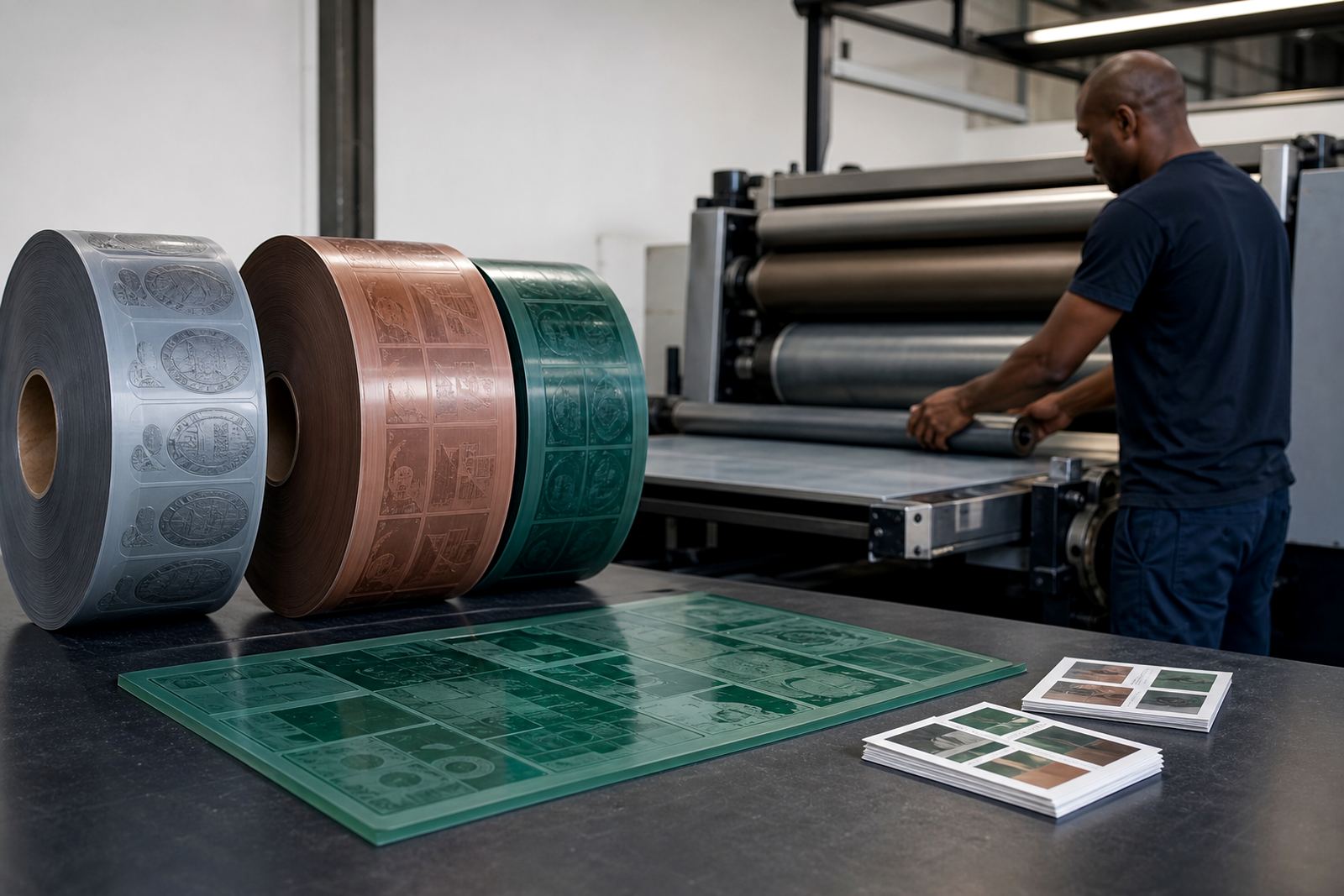
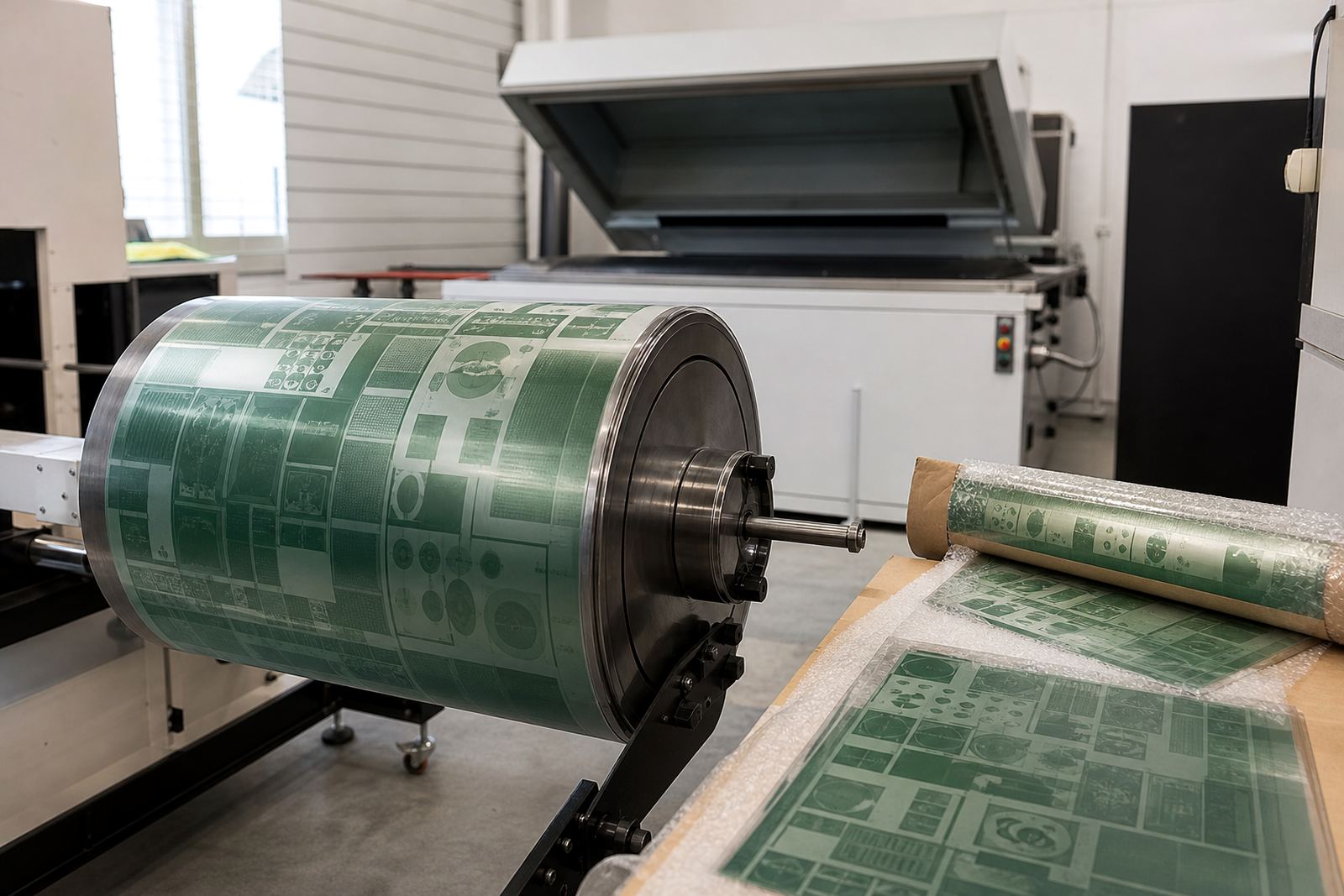
Wraparound plates are mounted onto the press or sleeve system according to the job specification. During installation, the key points are alignment, tension, clean handling and correct positioning at the seam. If the mount is off by even a small amount, the repeat can wander and the join may show. Good mounting practice matters as much as plate quality, so the plate should be handled by someone who knows the setup and the press behaviour.
There are no power or gas needs for the plate itself. The product is supplied ready for mounting, and no on-site heating, gas connection or electrical installation is required at the point of use. For dispatch and collection, we can coordinate packing and transport from Midrand to your production site. If your shop is working through load-shedding, the plates remain stable in storage provided they are kept flat, clean and away from excessive heat or direct sun.
- No power or gas connection needed for use
- Mount on clean, dry equipment with correct alignment
- Keep plates away from heat, dust and direct sun
- Use careful seam registration to avoid visible breaks
Care, Storage and What To Order With the Plate
Photopolymer plates last longer when they are stored flat, labelled clearly and kept away from oil, solvent splash and rough stacking. After use, they should be cleaned according to your normal pressroom practice and left to dry fully before storage. In coastal areas, humidity can affect how plates are handled and stored, so a dry room and good packing help keep the plate in condition. It is a simple thing, but it makes a difference over time.
When ordering, send the final approved artwork, repeat size, substrate type, press details and any note about where the seam should sit. Also tell us if the job needs plate trimming, plate labelling, remake support or collection coordination. If you are ordering for multiple branches or sites, we can pack and dispatch to different destinations as required. It helps to confirm the delivery town, contact person and whether the order is for immediate use or to hold for a later run.
- Keep plates flat, dry and clearly labelled
- Avoid heat, dust, oils and rough handling
- Provide approved artwork and repeat length when ordering
- State press type, substrate and seam preference
Key facts
| Product type | Wraparound flexo photopolymer plate |
|---|---|
| Use | Image continuity around a form with repeat and join control |
| Typical applications | Labels, packaging, sleeves and other continuous artwork jobs |
| Thickness options | Selected to suit press setup, substrate and image detail |
| Supply area | Midrand, Johannesburg, Pretoria, Durban, Cape Town and Gqeberha |
| Site needs | No power or gas required for the plate itself |