What File Checking Covers Before Plate Making
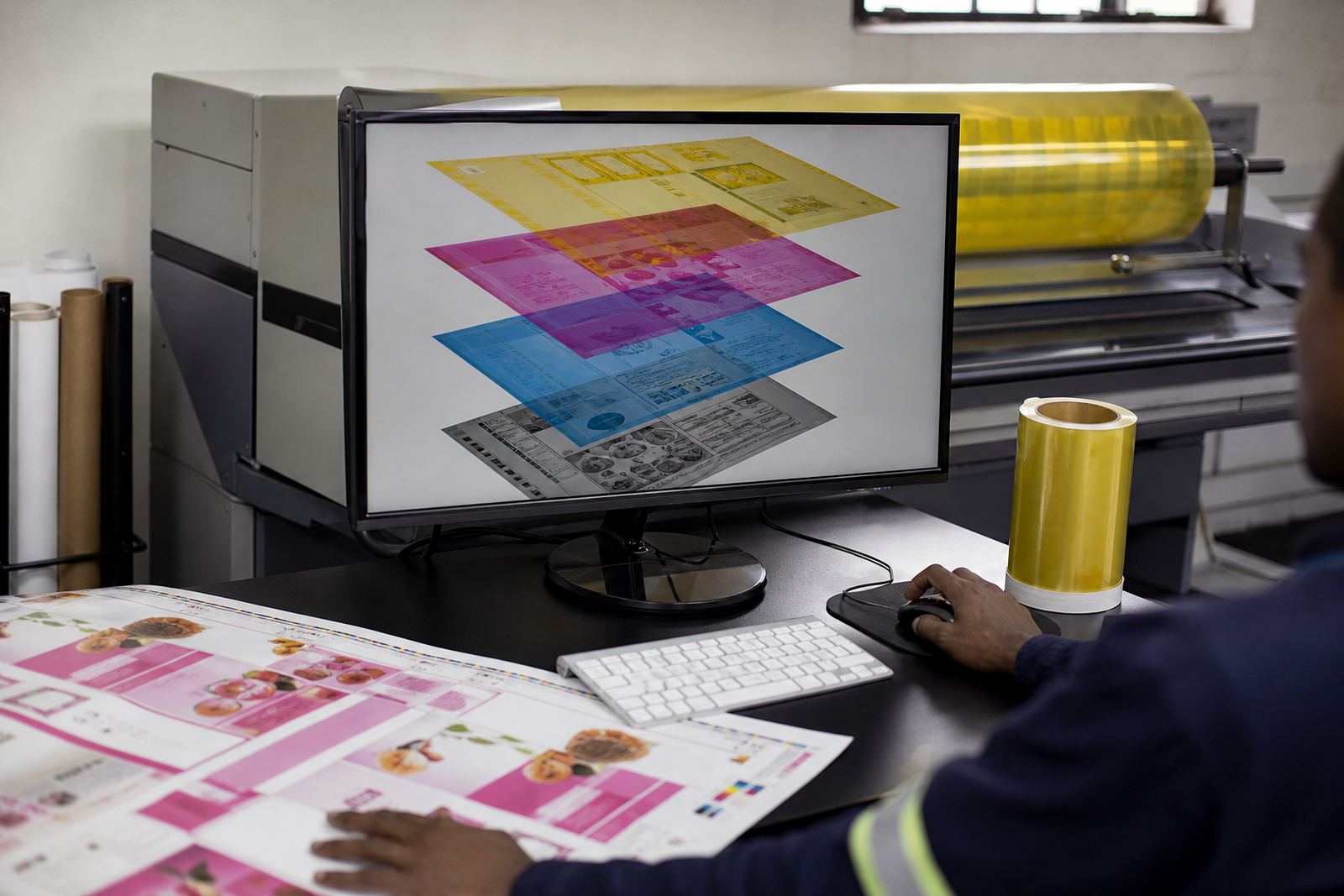
Our file checking service reviews the items that most often cause trouble once a job reaches the plate and press stage. We look at artwork setup, image resolution, line weights, text size, colour separations, trapping, overprints and final format so the job is ready for photopolymer plate-making. This is especially useful for label and packaging printers working with short runs, multiple SKUs and repeat work where consistency matters.
In Midrand and across Gauteng, printers often deal with mixed source files from different designers and departments. A label may arrive as a print-ready PDF, while a carton job may still need separation checks, bleed correction or layout adjustments. Our file checking process helps identify these issues early so there is less back-and-forth once the plates are in production.
- Artwork size and trim allowance
- Resolution and image sharpness
- Spot colour and process separation checks
- Line weight, small text and reverse text checks
- Bleed, trap and overprint review
How We Review Files Step by Step
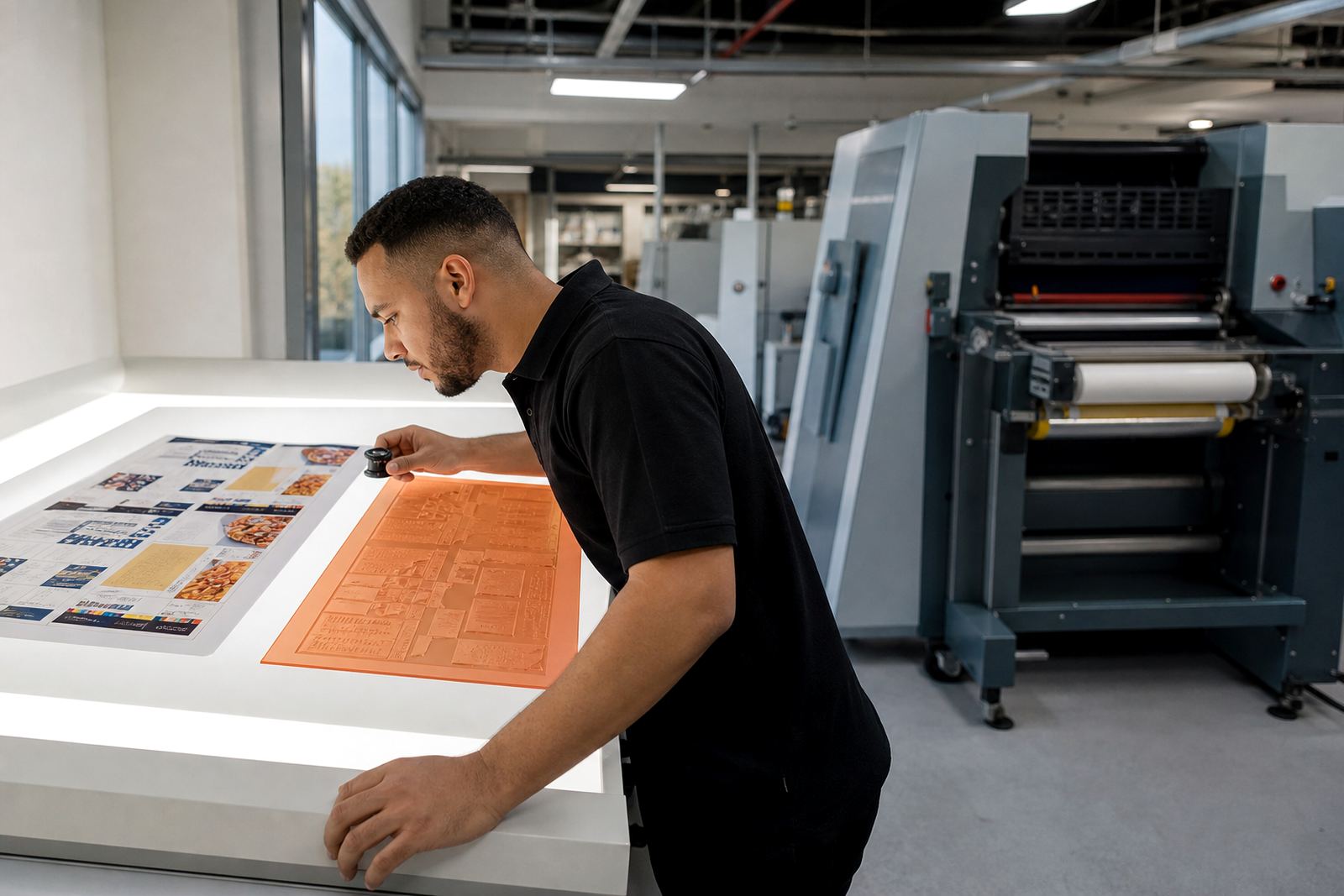
We follow a practical review sequence that suits flexo work. The first step is to confirm the intended print size, substrate and press setup. After that we inspect the file for structural issues such as missing fonts, linked image problems, incorrect page size and mismatched separations. Where needed, we flag areas that may print too fine for the plate or the chosen material.
Next, we compare the file against the job notes and any supplied proof. If a job needs tight registration or has fine type, we pay closer attention to knockouts, traps and line detail. For packaging work, we also look at panel alignment and repeat length. This helps reduce avoidable remake work and keeps the plate-making process moving in the right order.
- Confirm job specs and intended use
- Check file format, fonts and linked images
- Review separations, bleed and overprints
- Assess detail for plate suitability
- Issue clear notes for correction or approval
Press-Safe Checks for Labels and Packaging
Flexo work needs files that suit the realities of the press, not just the screen. Small text, fine lines, halftones and solid panels can all behave differently once transferred to photopolymer plates and printed on board, film or label stock. We check whether the artwork can carry the detail required without losing clarity, especially on jobs that run on narrow-web equipment or on substrates affected by humidity and surface variation.
For labels, we pay attention to barcode areas, tiny product copy and registration marks. For packaging, we check dieline placement, fold positions, glue areas and any zones that must remain clean. If a job is likely to be affected by load-shedding delays or staged dispatch, getting the file right at the start helps avoid rework later. That matters when a printer needs plates couriered to Johannesburg, Pretoria, Durban, Cape Town or Gqeberha on a set production schedule.
- Barcode and variable panel checks
- Minimum type and line detail review
- Halftone and solid area suitability
- Registration mark placement
- Dieline and fold position checks
Specs We Check For Every Job
Our file checking is based on the specs that affect plate quality and press performance. We do not treat every file the same. A short-run label job, a corrugated packaging job and a longer repeat order may all need different checks. The aim is to make sure the file is workable for the plate-making stage and consistent with the intended print result.
Common items include 1:1 artwork scale where required, correct bleed allowance, minimum line thickness, readable small text and suitable image resolution. Where a file has overprints or multiple spot colours, we check that separations are intentional and properly named. If the job includes coated stock, uncoated board or film, we note any detail that may need adjustment before plate output.
- Artwork scale and trim size
- Bleed and safe area
- Image resolution and sharpness
- Minimum line and text detail
- Spot colour naming and separation order
- Registration, trap and overprint settings
Turnaround, Dispatch and Client Coordination
File checking is usually handled as part of the prepress workflow, so the review fits into the same production chain as plate making, trimming and labelling. Simple files can often be assessed quickly, while more complex packaging artwork may need a fuller pass with notes for correction. We coordinate through our enquiry form and then keep the job moving through prepress, production and dispatch packing as required.
Because printers in Midrand, the East Rand and West Rand often work to same-day or next-day press windows, we keep the feedback practical and direct. Once a file has been reviewed, the next step is either approval for plate-making or a clear list of fixes. If the job is urgent and the file is not ready, it is better to know early than after plates have already been cut. That saves time, courier cost and press disruption.
- Initial review from supplied job details
- File notes issued for correction or approval
- Production handover once the file is suitable
- Dispatch arranged for collection or courier delivery
Pricing Approach and Ongoing Maintenance Checks
Pricing for file checking depends on the number of files, the complexity of the artwork and the level of review required. A single repeat label with straightforward separations is different from a multi-panel carton job with several versions or artwork changes. We keep the pricing approach tied to the work involved so customers only pay for the checks that are needed.
For regular customers, file checking can become part of an ongoing maintenance routine. That is useful when artwork is updated often, when products change pack sizes, or when a printer receives files from different designers over time. In those cases, a periodic review of file standards can help keep future jobs consistent. It also helps spot recurring issues like low-resolution images, weak reverses or incorrect spot colour naming before they become repeated plate faults.
On repeat work, we recommend checking the file each time there is a version change, new substrate, altered repeat or new press requirement. Even a small artwork change can affect the plate and the print result.
- Single file or multi-file review options
- Complexity based pricing
- Repeat-job file recheck on version changes
- Ongoing review for recurring artwork issues
Key facts
| Service area | Midrand, Gauteng with courier delivery across South Africa |
|---|---|
| Main use | Pre-plate file checking for label and packaging print jobs |
| File review items | Layout, resolution, separations, bleed, trap and overprints |
| Typical output | Clear notes for correction, approval or plate-making release |
| Related services | Artwork preflight, plate making, proof comparison and remake support |
| Best suited to | Printers needing reliable flexo files for repeat or short-run jobs |