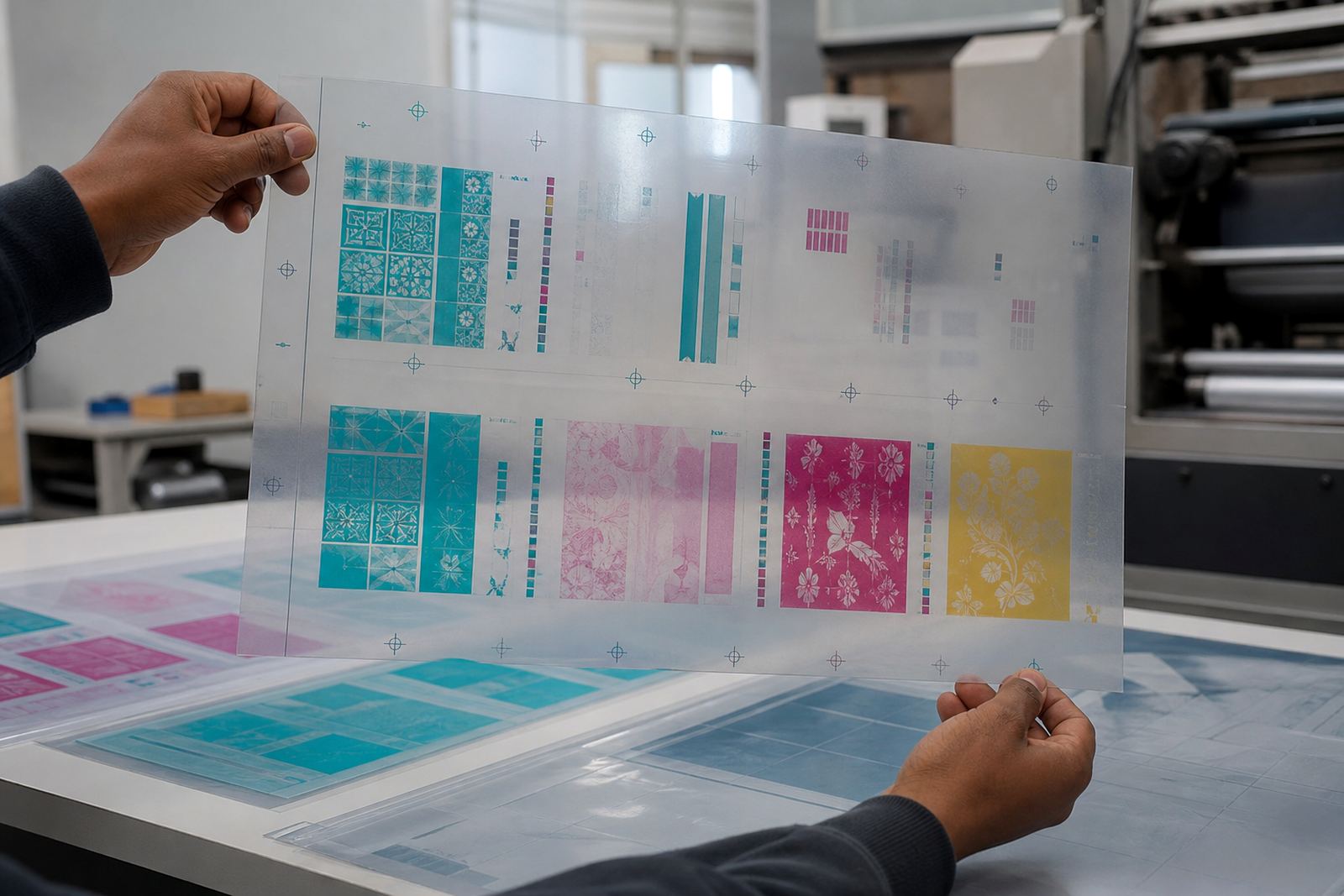
What Backprint Plates Are Used For
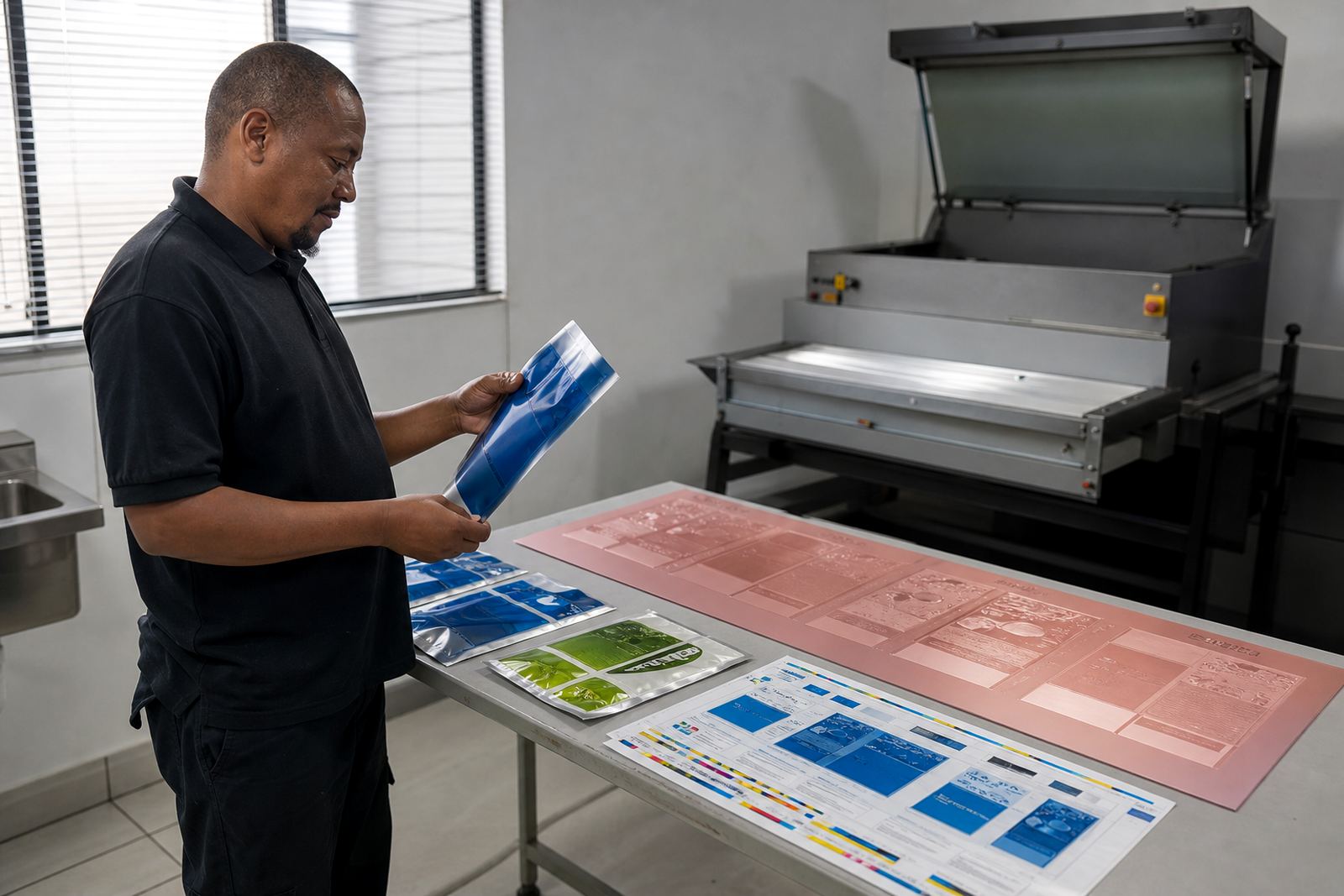
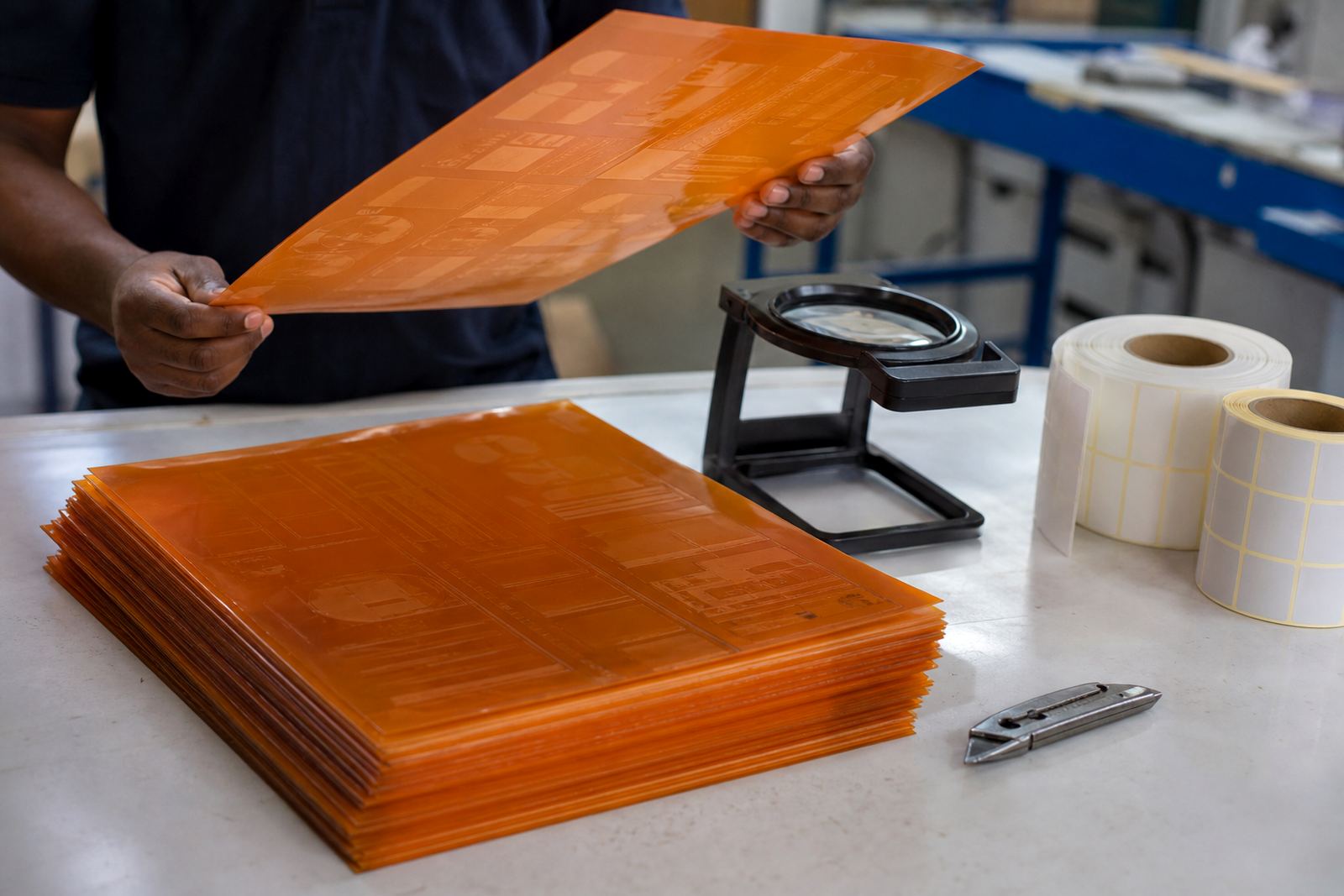
Backprint photopolymer plates are made for flexo jobs where the image is prepared to print from the rear side of the plate. This is useful on work that needs reverse orientation, matched fronts and backs, or tight positioning around existing copy, codes, marks, or design elements. The main goal is accurate transfer, so the artwork reads correctly on press and sits where it should on the substrate.
In practice, these plates are commonly used on labels, sleeves, sachets, cartons, wraps and other packaging formats where detail matters. If the job includes small type, fine lines, reverses, or close register to a die line, the plate build needs proper prepress handling before it is exposed and finished.
Plate Sizes, Thicknesses And Finishes
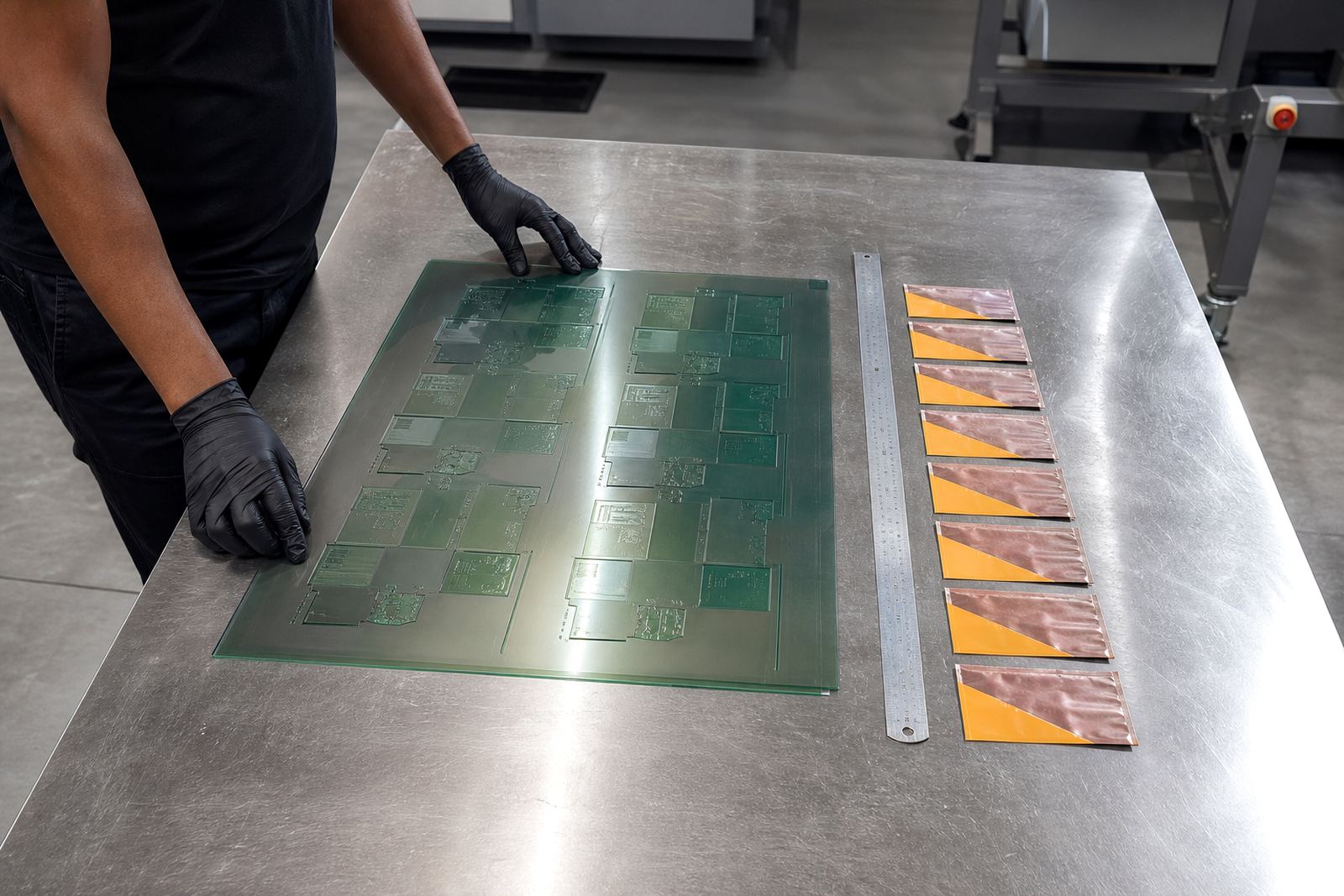
Backprint plates can be supplied in practical sizes to suit the repeat length, cylinder spec, and press setup used by your shop. The right choice depends on the artwork, the mounting system, and the print surface. We check the file, confirm the size needed, and prepare the plate to suit the job rather than forcing one standard cut.
- Common thicknesses: 1.14 mm, 1.70 mm, 2.28 mm and 3.94 mm
- Typical formats: single plates, nested sets, full repeats and stepped layouts
- Finish options: smooth or textured face depending on ink transfer needs
- Cutting options: trimmed to size, labelled for press use, and packed by job
For smaller label runs or repeated packaging work, plate consistency is important. A clean cut and correct labelling saves time on press, especially when the same line is running through the week or when jobs are split across multiple stations.
Where Backprint Plates Fit Best
These plates suit printers handling labels and packaging where the artwork must stay in step with the front-side design or with other print units. That includes work with clear film, paper labels, folding cartons and flexible packaging where the image position is critical. If the job is being used for retail packs, barcodes, ingredients, batch marks or promotional copy, alignment should be checked before production starts.
Backprint work also helps when the design includes fine reversed text or graphics that must appear in the correct orientation after printing and converting. In busy plants around Midrand, Johannesburg and Pretoria, this is the sort of job where a small prepress error can cost material, ink and time. Careful plate planning avoids rework and keeps the pressroom moving.
- Label printers running multi-colour jobs
- Packaging lines with repeat artwork
- Reverse-reading or internal image placement
- Short runs and longer repeat orders
Installation, Mounting And Power Needs
Backprint plates themselves do not need power or gas, but the plate room and press setup must be ready for accurate handling. A clean, dust-controlled area is important, along with steady temperature and sensible storage away from direct sun, heat and moisture. In coastal areas like Durban, extra care is needed because humidity can affect handling and storage if plates are left open or packed badly.
For mounting, the plate must match the cylinder or sleeve setup, the tape build, and the exact repeat. If the backing is uneven or the plate has been cut poorly, the pressman will fight register and the job can drift. We recommend checking the mounting method, the tape thickness, and whether the plate is being used on a narrow-web or wider packaging line before ordering.
- Keep plates flat and covered until mounting
- Avoid bending, creasing or stacking under heavy weight
- Confirm the cylinder repeat and mounting tape build
- Allow for transport from Midrand to your site or depot if needed
Care, Cleaning And Reuse
Photopolymer plates last best when they are cleaned properly after use and stored flat in a dry place. Use approved cleaning methods for your shop process and avoid aggressive scrubbing that can damage the image face. Once a plate is scuffed or contaminated with dried ink, it may still print but the image quality can start to drop off, especially on fine detail or small reverse text.
If you are reusing plates for a repeat order, check for wear on the mounting side, pinholes, lifted edges and surface marks. Plates that have been packed poorly on collection or return can arrive with damage that only becomes obvious at the press. That is why we recommend labelled packing, job separation and clear handling instructions for dispatch and return collections.
What To Check Before You Order
Before placing a backprint plate order, confirm the artwork version, the repeat length, the substrate, and the press format. If the job includes artwork on both sides or needs exact line-up to another colour, the file should be checked carefully for scale, trapping and image orientation. Small errors at this stage can show up as misread copy, poor register or wasted substrate.
It also helps to confirm whether you need remake support, proof comparison, or imposition planning. If you are sending files from Johannesburg, Cape Town or Gqeberha, make sure the version number is clear and the job notes match the final signed-off artwork. Courier delivery can then go out in the right pack, with the right labels and collection details.
- Final artwork version and date
- Repeat length and press width
- Plate thickness and mounting method
- Whether reverse orientation is required
- Delivery town, collection point or direct dispatch address
Local Service From Midrand To The Main Print Centres
We prepare flexo photopolymer plates from Midrand, Gauteng and courier them across South Africa, including Johannesburg, Pretoria, Durban, Cape Town and Gqeberha. That also includes East Rand and West Rand areas where many packaging and label printers need quick job movement between prepress, the plate room and press. If a file needs checking first, we can look at the artwork, advise on the plate build, and then move to production once the job is ready.
For shops working under load-shedding or tight shift times, good job notes matter. Clear plate labels, proper packing and practical collection coordination help keep the line moving and reduce mix-ups in busy seasons. If you need backprint plates for a repeat label or packaging run, the easiest way to start is through the enquiry form on our contact page.
Key facts
| Product type | Photopolymer backprint plates for flexo printing |
|---|---|
| Primary use | Rear-side image work for labels and packaging |
| Available thicknesses | 1.14 mm, 1.70 mm, 2.28 mm, 3.94 mm |
| Common formats | Single plates, nested sets, full repeats and trimmed job packs |
| Service area | Midrand, Johannesburg, Pretoria, Durban, Cape Town, Gqeberha and surrounding areas |
| Ordering support | Artwork preflight, file checking, proof comparison, remake support and dispatch packing |