What High Line Screens mean on a flexo plate
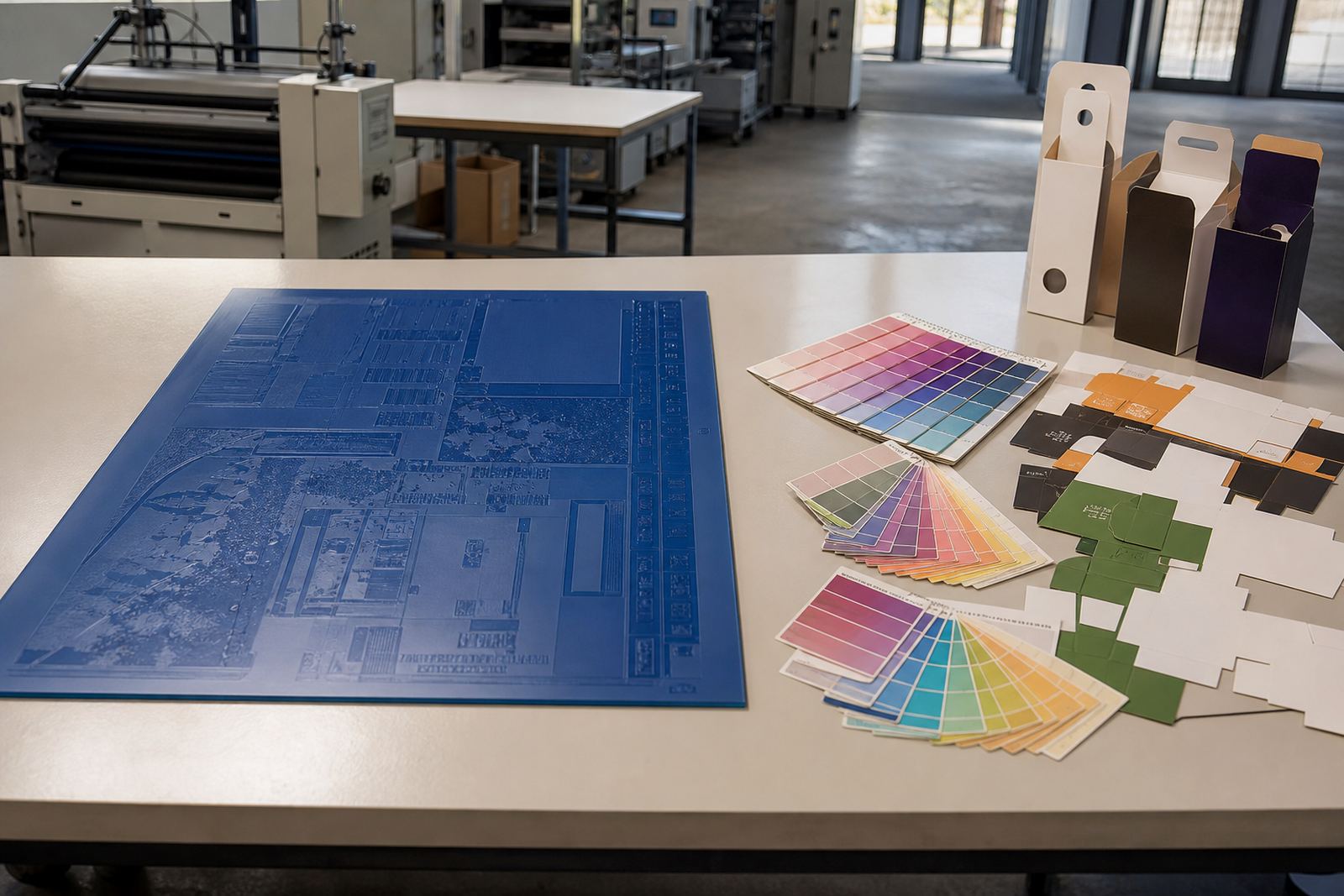
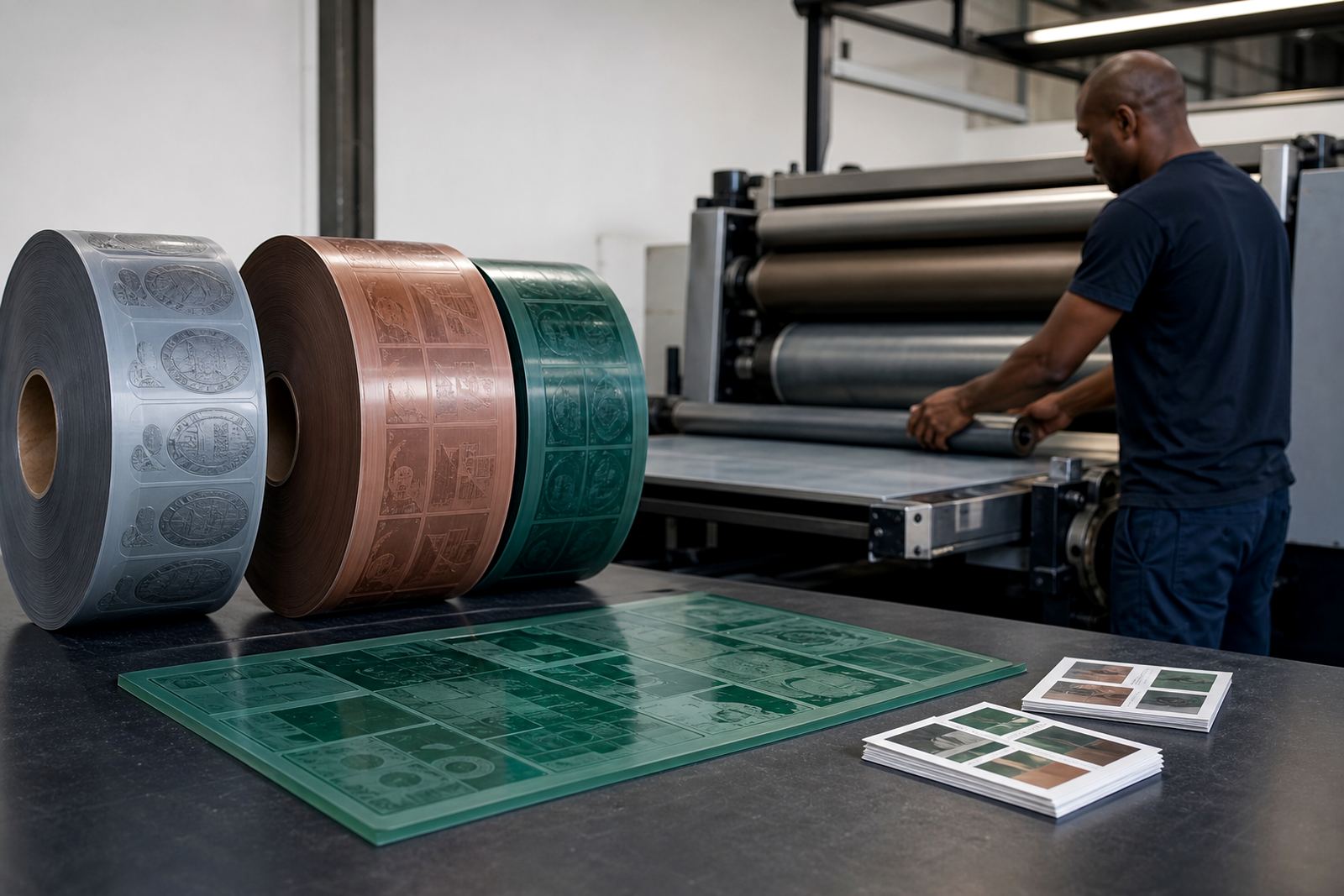
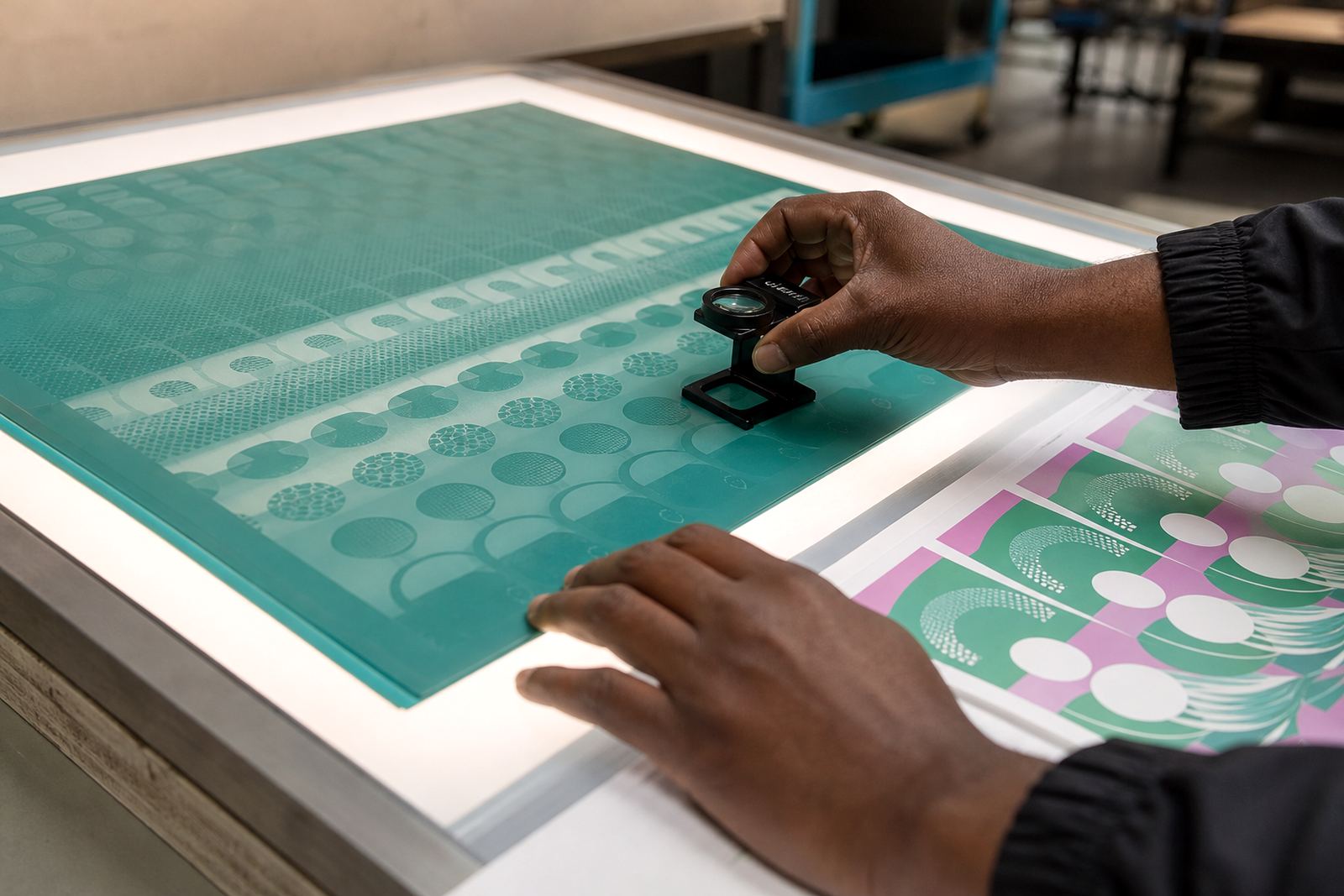
High Line Screens refer to the screen ruling and image structure used during photopolymer plate-making. In practical terms, the plate is prepared to carry finer dots and tighter tonal detail than a standard coarse screen, which helps with process work, small text and images that need a more controlled finish. For printers handling labels, cartons, sleeves and light packaging work, this can make a clear difference to the look of the final print.
These plates are not a one-size answer. They need the right artwork, suitable anilox selection and careful prepress checks. If the file is heavy with tonal build-up, weak linework or poor contrast, the screen choice alone will not fix it. That is why file checking and proof comparison are part of the job before the plate is made. In Midrand and beyond, it is often the small details that decide whether a job runs cleanly or gives trouble on press.
Where this plate option suits best
High Line Screens are commonly chosen for work that needs sharper detail and steadier tone reproduction across the image area. They suit label and packaging printers producing jobs where appearance matters closely and where there is limited tolerance for dot gain, fill-in or rough edges. The work can include fine process art, small lettering, fine rules, tints and packaging elements that need a neat, controlled result.
- Pressure-sensitive labels with small type and fine artwork
- Carton sleeves and light packaging print runs
- Jobs with gradients, tints and tonal backgrounds
- Artwork with line art, small reverse-outs and fine detail
- Reprints where the previous plate or file setup caused loss of detail
For printers in Johannesburg, Pretoria, Durban, Cape Town and Gqeberha, this option is often selected when the print finish needs to look more refined on shelf. It is also useful where municipal or retail packaging requirements call for clear text and crisp product information, especially on smaller pack sizes.
Sizes, image area and plate build options
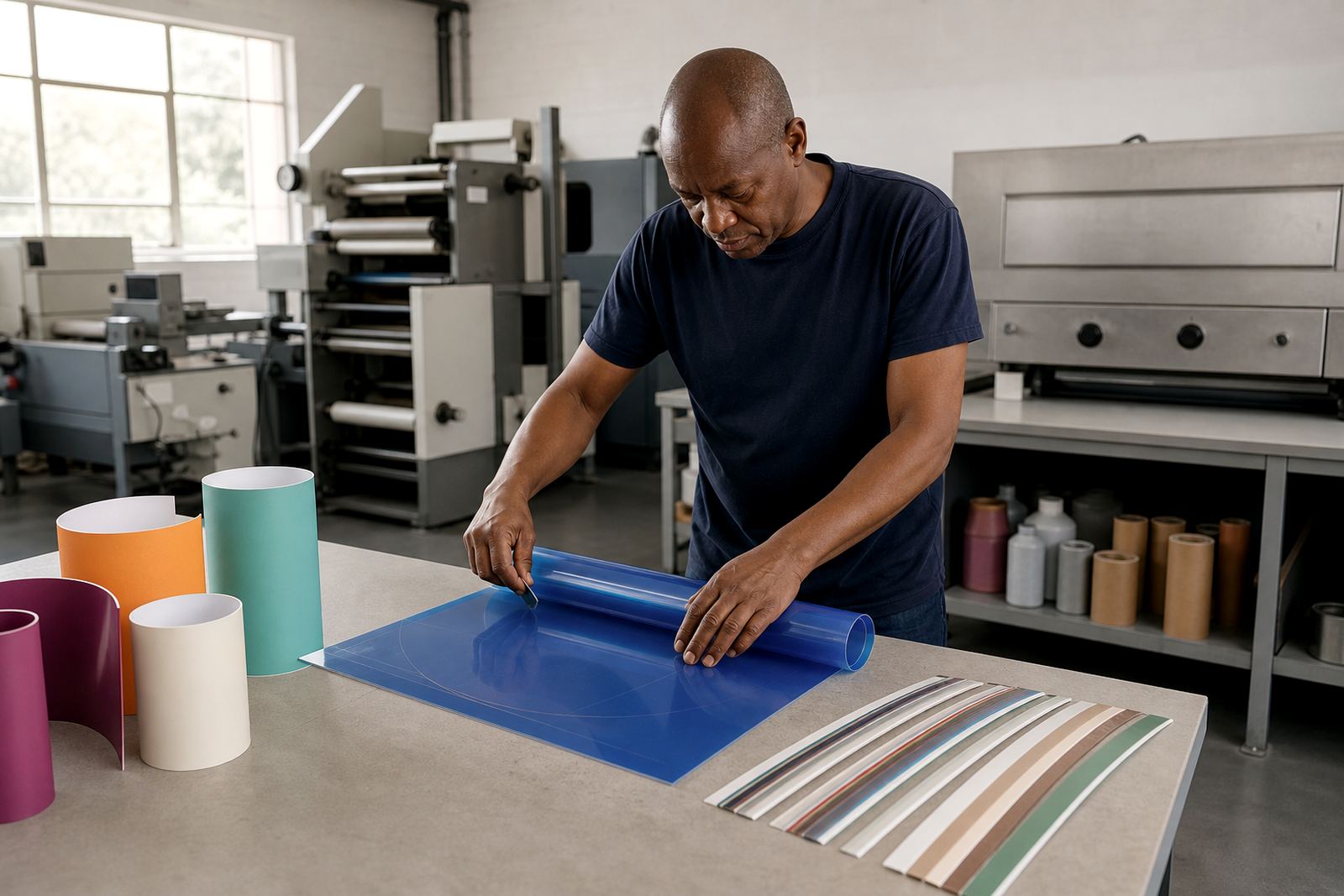
High Line Screens can be prepared in different plate sizes according to the cylinder or sleeve specification, repeat length and artwork layout. The final size depends on the job setup, mounting method and the press requirements. We work from the approved file and job details to make sure the plate is cut, labelled and supplied for the correct application. Plate trimming and plate labelling are done to support easier handling in the press room.
- Custom plate dimensions to suit the repeat and press setup
- Different thickness options where the job requires a specific build
- Mounted or unmounted supply depending on the press room workflow
- Trimming to size for cleaner handling and reduced waste
- Job marking and label details for easier identification on delivery
Because screen choice affects how ink sits on the plate, the file needs to be checked for line weight, reversal size and tonal range. On some jobs, the artwork may need imposition planning or screening support before plate-making begins. This is especially important when the same job is being run on more than one substrate or on different press widths.
Installation, press setup and support needs
High Line Screens do not need special power or gas for installation in the way press equipment might. The practical requirements are about handling, storage and correct press setup. The plate should be fitted cleanly, aligned properly and matched to the correct mounting and impression settings. If the plate is fitted badly, even a well-made screen will not perform as it should.
Press teams should check the cylinder or sleeve condition, mounting tape choice and the impression settings before the run starts. A fresh plate needs careful handling to avoid damage at the edges or contamination on the print face. In humid coastal areas like Durban or Gqeberha, dry storage and clean wrapping help protect the plate before it goes on press. In Johannesburg and Pretoria, dust control matters just as much, especially in busy production rooms.
- No power or gas requirement for the plate itself
- Clean, flat storage away from heat and direct sun
- Correct mounting position and press alignment
- Suitable tape and pressure settings for the job
- Protection from dust, fingerprints and sharp bends
Care, servicing and remake support
Photopolymer plates should be handled carefully from the moment they leave dispatch packing. Keep them wrapped until needed, avoid stacking heavy items on top and do not expose them to heat sources for long periods. If plates are stored badly, the edges can distort and the image area can suffer. For printers working through load-shedding, it helps to keep the storage area stable and avoid leaving plates near warm machinery or in direct afternoon sun.
Routine care also includes checking the plate after each run for wear, damage or contamination. If the plate face is marked, split or no longer holds detail cleanly, remake support can be arranged after a fresh file check. We also assist with plate trimming, plate labelling and collection coordination when a rush job needs the next set prepared for dispatch. That kind of support saves time when schedules are tight and the press is already committed.
- Store flat, wrapped and away from heat
- Keep away from solvent spill areas and sharp edges
- Check for distortion before mounting
- Raise remake requests early if detail loss appears
- Use collection or courier delivery when timing is tight
What to check before you order
Before ordering High Line Screens, send the artwork in the correct format and confirm the press details, substrate and repeat length. Check whether the job needs a finer screen for full-tone detail or whether a standard screen will do. If the wrong screen choice is made, the print may look too heavy, too soft or lose the detail you wanted in the first place.
It helps to confirm whether the job is for labels or packaging, whether the artwork includes small type, and whether the press room needs mounted or unmounted plates. Also check if the job needs proof comparison, remake support or technical job advice before production begins. Our team in Midrand handles enquiries through the contact page and coordinates courier delivery across South Africa, including East Rand and West Rand collections where arranged.
- Artwork file quality and format
- Repeat length and final plate size
- Label or packaging application
- Small type, linework and tonal areas
- Mounting method and dispatch preference
- Delivery town: Johannesburg, Pretoria, Durban, Cape Town or Gqeberha
Midrand plate-making support for national delivery
Flexo Printer Plates is based in Midrand, Gauteng and has been working with label and packaging printers since 2007. The team is led by Sibusiso Mthembu, with support from Ayesha Naidoo, Pieter van Wyk, Lerato Molefe, Morne Jacobs and Zinhle Dlamini across production, prepress, client service, mounting and logistics. That means one point of contact for the enquiry, then proper follow-through from file check to dispatch.
Whether the order is going to Johannesburg, Pretoria, Durban, Cape Town or Gqeberha, the same practical approach applies. We check the file, confirm the job details and prepare the plates for delivery or collection. For printers who need clean detail and dependable handling, High Line Screens are a sensible option when the artwork demands more care than a standard plate setup.
Key facts
| Product | High Line Screens for flexo photopolymer plate-making |
|---|---|
| Use | Fine image rendering, tonal control, small type and detailed artwork |
| Common applications | Labels, cartons, sleeves and light packaging |
| Size options | Custom sizes to suit repeat length, press width and mounting method |
| Installation needs | No power or gas required for the plate itself; clean mounting and correct press setup |
| Care | Flat storage, dry wrapping, careful handling and remake support if damaged |