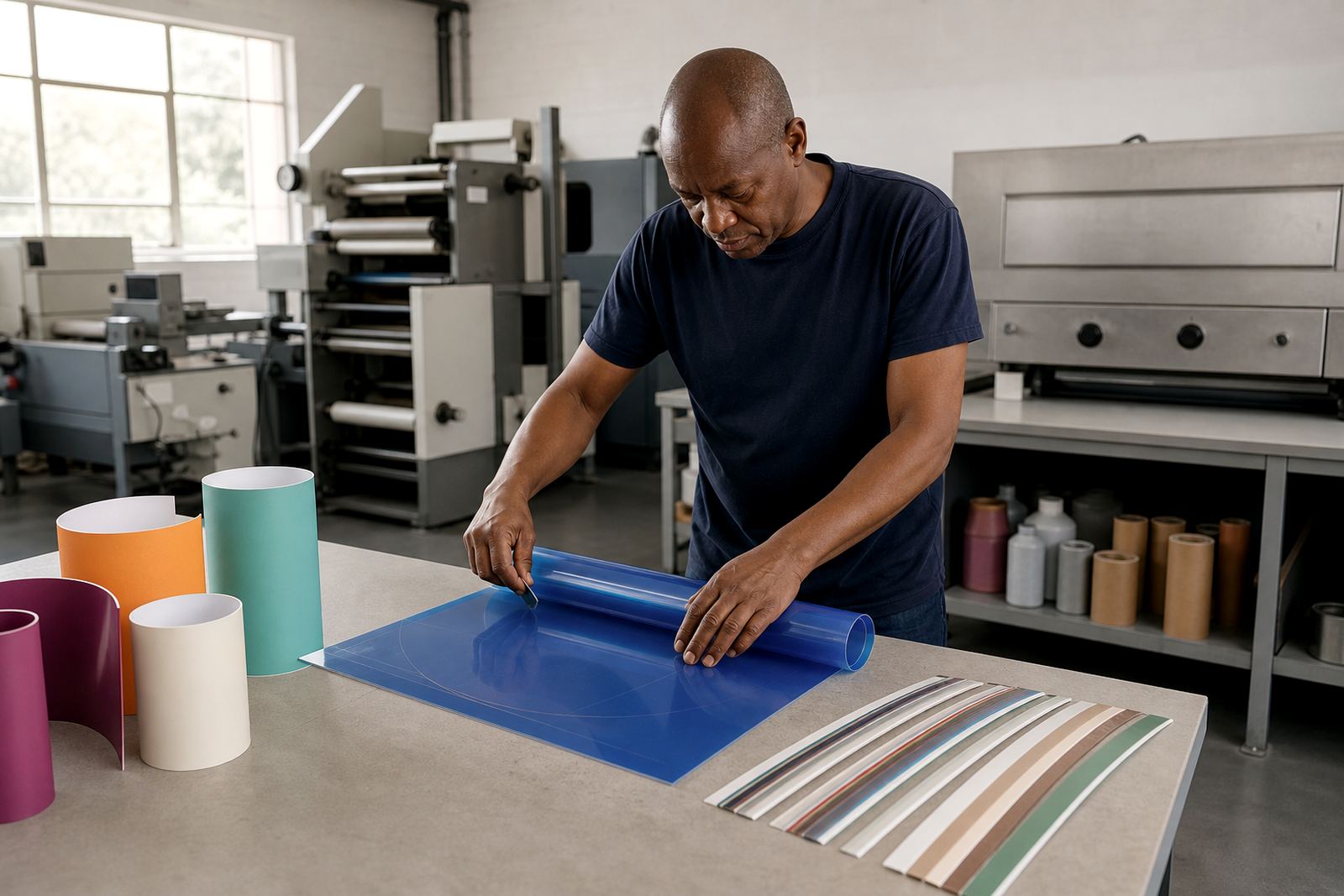
Cup Wrap Plates For Clean Repeat And Readable Artwork
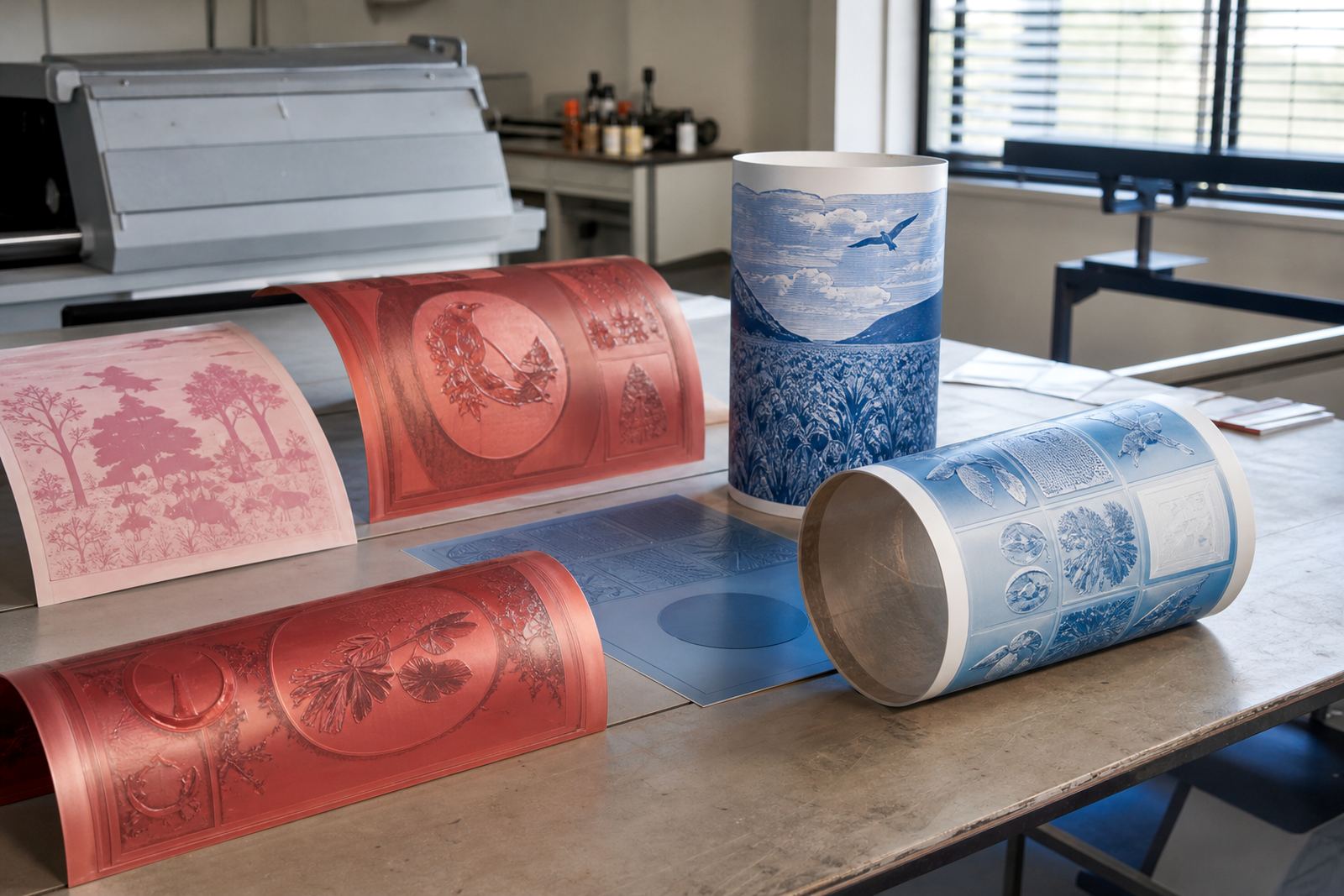
Cup wrap plates are made for designs that travel around a cylindrical or tapered surface, such as disposable cups, takeaway sleeves and similar packaging formats. The main aim is to keep the artwork aligned so the repeat lands correctly, the seam stays in the right place and small type still reads well after print and conversion.
For cup work, the plate layout is not only about image quality. It also has to suit the press, the substrate and the way the print wraps around the cup. That means careful prepress checks, correct repeat planning and proper handling of fine lines, reverse text and solid areas. If the artwork is not set up well, the seam can show badly or key copy can drift out of position.
We make photopolymer plates for label and packaging printers who need dependable detail across repeat jobs and changeovers. Our Midrand base supports printers in Johannesburg, Pretoria, the East Rand, West Rand and further afield, with courier delivery to Durban, Cape Town and Gqeberha as well. Founded in 2007, Flexo Printer Plates works with a practical focus on plate accuracy and clear job communication.
Sizes, Repeat Options And Plate Build Details
Cup wrap jobs vary quite a bit. Some need narrow repeats for small takeaway cups, while others need wider layouts for branded sleeves or promotional packs. The plate size depends on the repeat length, cylinder or sleeve circumference, artwork direction and how the job will be mounted on press. We handle plate making for single-colour work through to multi-colour packaging layouts where the image must line up across all separations.
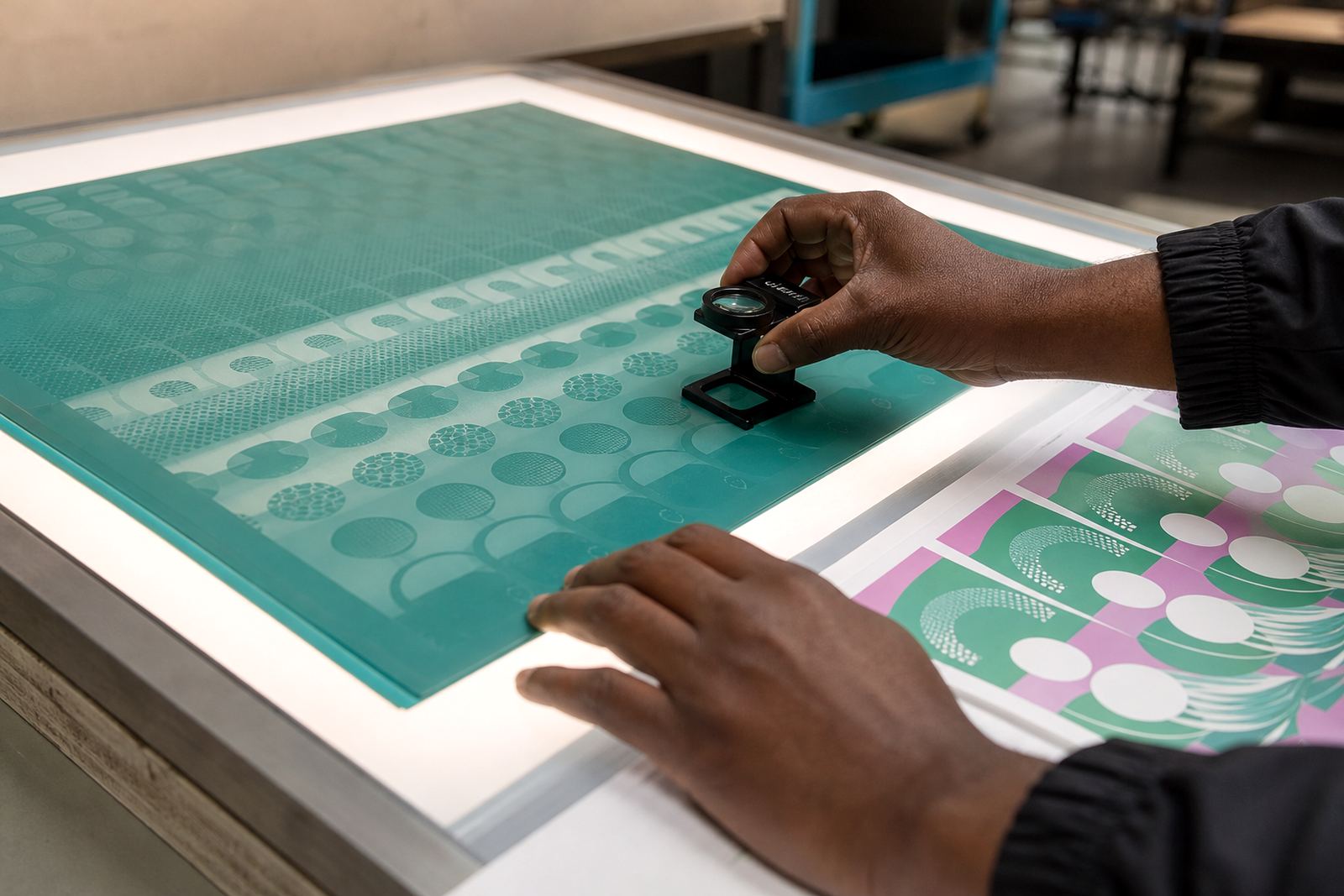
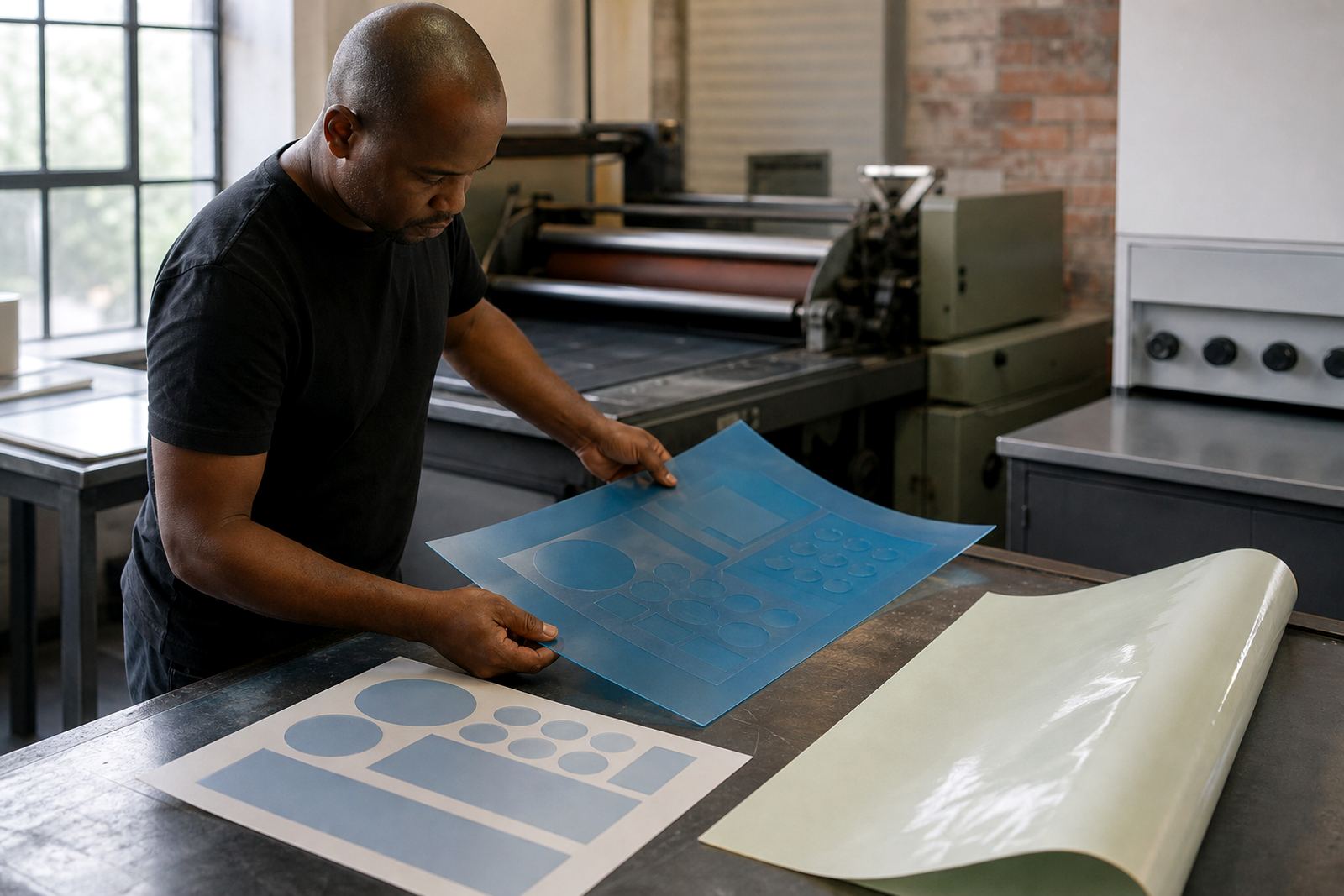
Typical options include full wrap plates, seam-aware layouts, stepped repeats and grouped jobs where several artworks are placed on one plate set. We also assist with artwork preflight, file checking, screening support and imposition planning before the plates are made. That reduces avoidable remake work and helps keep the repeat stable from the first print sample to the production run.
- Repeat length matched to the job specification and press setup
- Fine text checked for readability at print size
- Image direction confirmed for wraparound application
- Seam position planned to keep branding away from key copy where possible
- Plate trimming and labelling available for easier on-press handling
Where Cup Wrap Plates Suit Best
These plates suit printers producing branded paper cups, coated cups, promotional drink cups and related packaging items where the artwork needs to sit neatly around the form of the cup. They also work well for short-run seasonal packaging, campaign graphics and repeat orders where consistency matters from batch to batch.
Cup graphics often include small logos, legal copy, barcodes or product information and these parts need proper care during prepress. On lighter substrates, ink gain and colour shift can show quickly, especially in humid coastal conditions or when a job is moving between stores, packhouses and contract printers. A well prepared plate helps control that risk, but the file must also be set correctly from the start.
For printers in Gauteng, the convenience is clear when jobs have to move fast between design approval, plate making and dispatch. For coastal printers, courier packing matters as much as plate quality because heat and moisture can affect handling and storage if plates are left open or poorly protected.
Installation, Press Setup And Power Requirements
Photopolymer cup wrap plates are fitted to the print cylinder or mounting sleeve according to the press requirements. Accurate mounting is important because even a small shift can affect repeat, registration and seam placement. Morne Jacobs handles plate mounting support and technical checks where needed, especially on jobs with tight tolerances or multiple colour stations.
These plates do not require gas and they do not need a dedicated power supply at the client site. What matters is proper storage, clean handling and a stable press setup. Printers should check cylinder condition, mounting tape consistency, plate edges and registration marks before going into production. On presses that are sensitive to build-up or vibration, the repeat should be checked at speed as well as at slow run-up.
- No gas connection required
- No on-site power requirement for the plates themselves
- Mounting surface must be clean, dry and free of adhesive residue
- Registration marks should be checked before the run starts
- Press operator should confirm seam position against approved proof
Care, Storage And Servicing Between Runs
Cup wrap plates need sensible care if they are going to hold detail for repeat orders. After use, they should be cleaned according to the printer’s wash process, dried properly and stored flat or in a controlled hanging system. Avoid tight rolling, heavy stacking or exposure to direct sun, because that can affect plate shape and edge condition over time.
In humid areas, including parts of the coast, plates should not be left in open packing overnight. Moisture can affect handling and may make mounting more difficult on the next run. Remake support is available when artwork changes, wear becomes visible or the repeat needs adjustment after a job review. If the line work is fine or the job includes small reversed type, it is better to inspect before the next production date than to wait for the press to show a problem.
Our logistics team can coordinate collection and dispatch packing from Midrand, and we also support delivery planning for printers who need plates moved between production sites, finishing departments or outside converters.
What To Check Before You Order Cup Wrap Plates
Good results start with a complete brief. The more accurate the order information, the better the repeat control and the fewer surprises on press. If the artwork is for a cup wrap, make sure the critical text position, seam point and repeat length are clearly shown. If there is a proof, send that too so the plate layout can be compared against the intended print result.
We recommend checking the following before placing the order:
- Final artwork file with the correct repeat and orientation
- Finished cup size or sleeve size, including any taper
- Colour breaks and number of print stations
- Seam location and any no-print area
- Text size, barcode size and fine rule detail
- Whether the job is a remake, a repeat order or a fresh layout
If anything is uncertain, Technical Job Advice can help before plate making starts. That is especially useful when the job includes mixed language copy, strict branding placement or a press setup that has changed since the last run.
Key facts
| Plate type | Flexo photopolymer plate for cup wrap graphics |
|---|---|
| Typical use | Wraparound cups, sleeves and similar packaging |
| Artwork support | Preflight, imposition, screening and proof comparison |
| Format options | Single colour, multi colour, stepped repeat and grouped layouts |
| Handling | Plate trimming, labelling, mounting support and dispatch packing |
| Service area | Midrand and courier delivery across South Africa |