What linerless label plates do on press
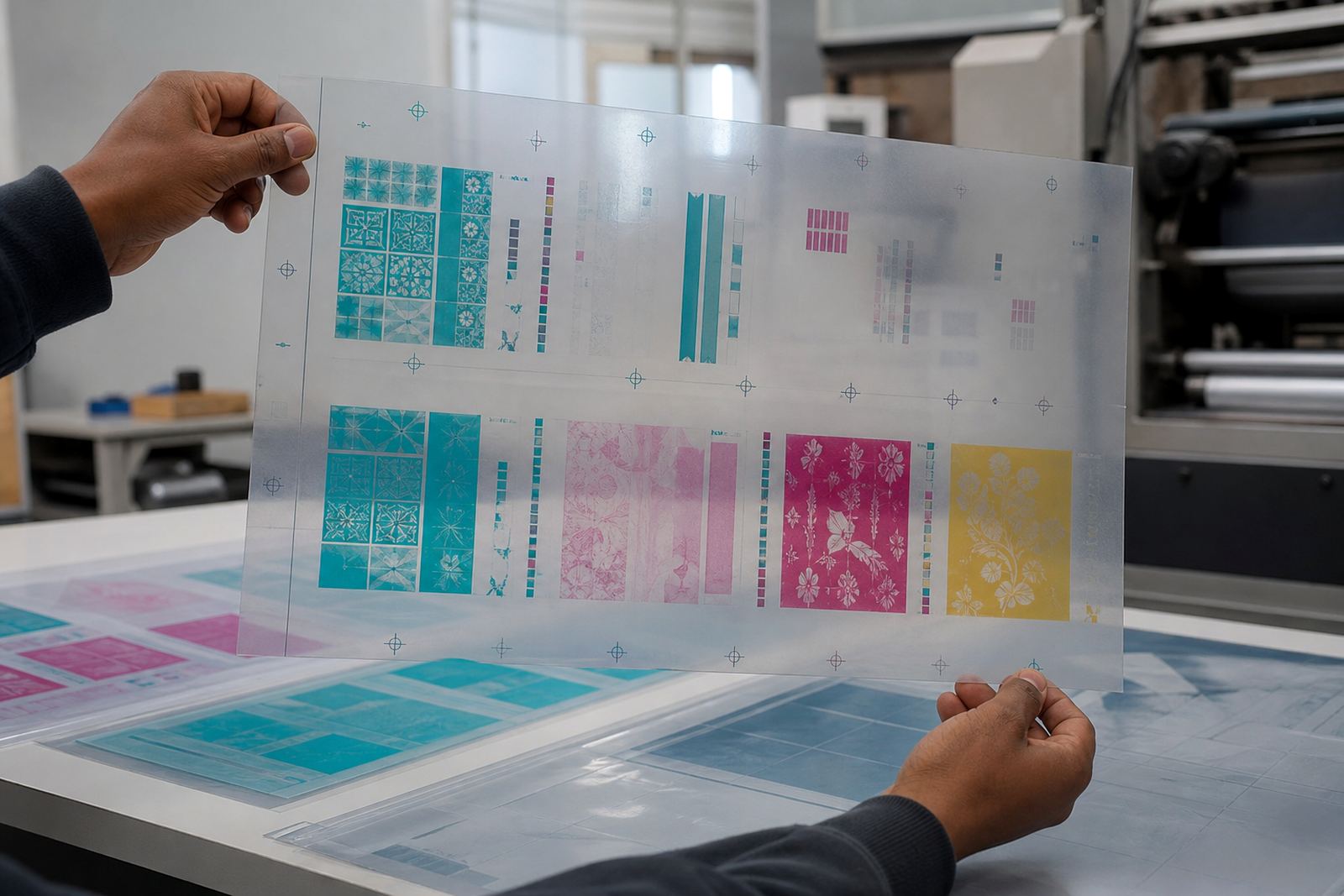
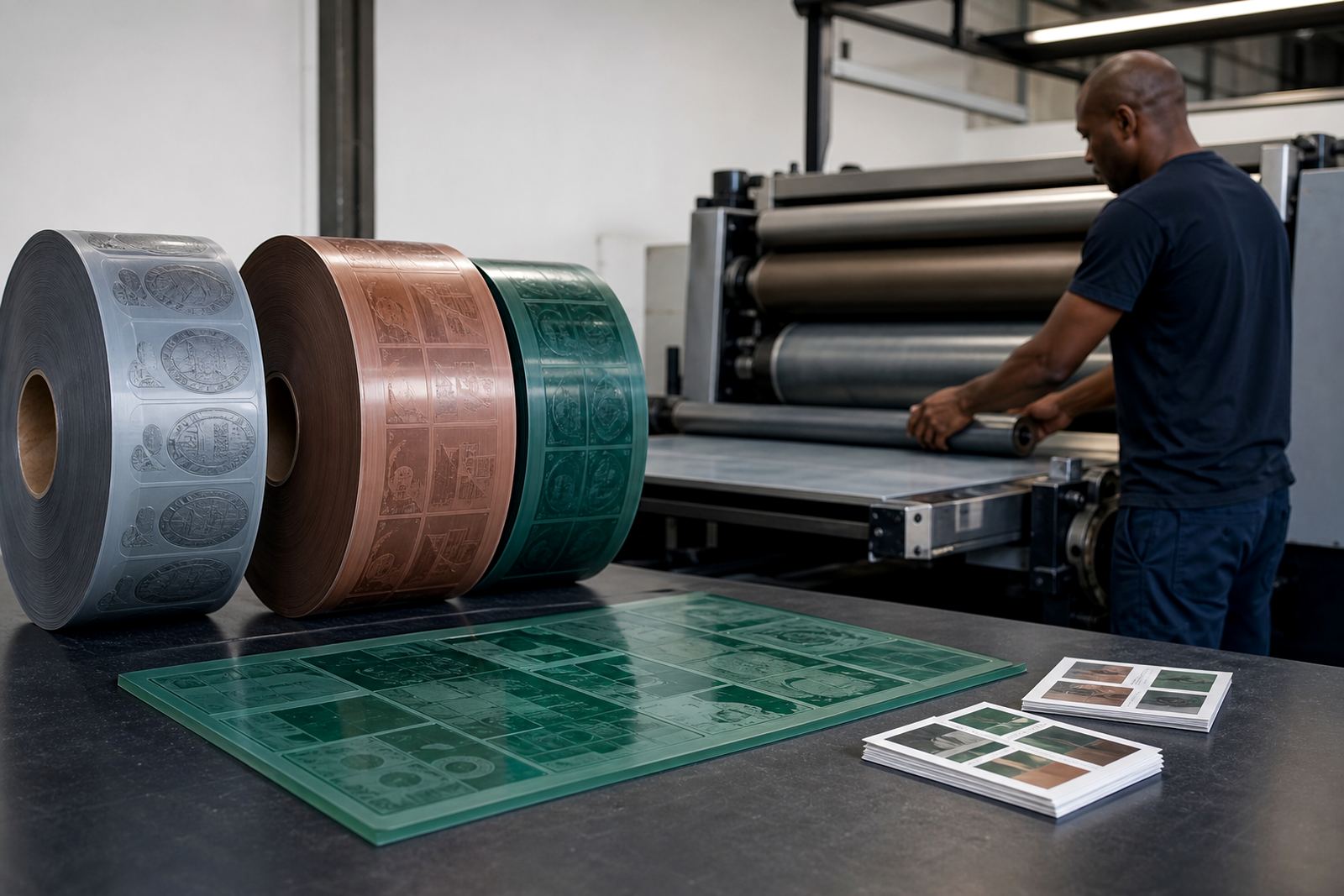
Linerless label printing puts more pressure on plate quality because the adhesive zone, knife line and print image all sit close together. A plate that is cut poorly or mounted badly can cause dirty edges, fill-in on fine text, or an uneven glue-free strip, especially on shorter repeat work. Our photopolymer plate-making service is set up for this kind of work, with artwork checked for detail, spacing and placement before the plate is made.
These plates are used for label runs where presentation and repeat consistency matter. That includes food labels, logistics labels, retail rolls and other pressure-sensitive applications where the print has to stay clear and the non-print area has to remain accurate. In Midrand and the wider Gauteng area, we work with printers who need sensible handling, exact trimming and reliable packing for courier movement. The job is simple in principle, but it rewards care at every stage.
Plate sizes, thicknesses and finish options
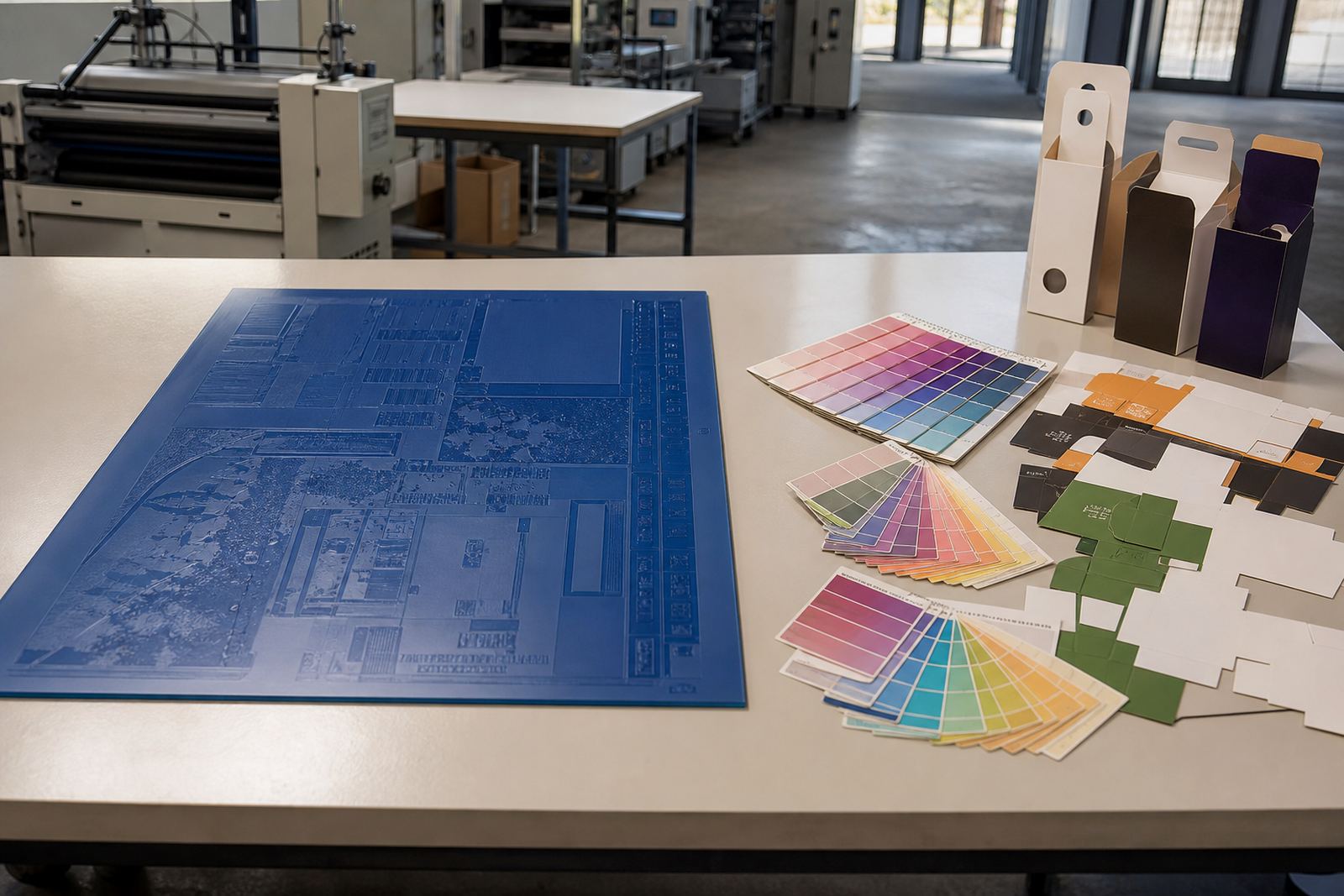
Linerless label plates are usually specified to suit the press, substrate and ink system being used. We make plates to the size required from the approved file, then trim and label them for easy identification on press. Common choices depend on the line screen, image depth and the press setup, so the plate type has to suit the job rather than the other way round.
- Plate thickness options typically from 1.14 mm to 6.35 mm, depending on application
- Custom cut to press repeat and cylinder size
- Fine-detail and halftone support for text, logos and barcode work
- Mounting sheet or backing options where needed for clean application
- Plate labelling for repeat orders and multi-colour sets
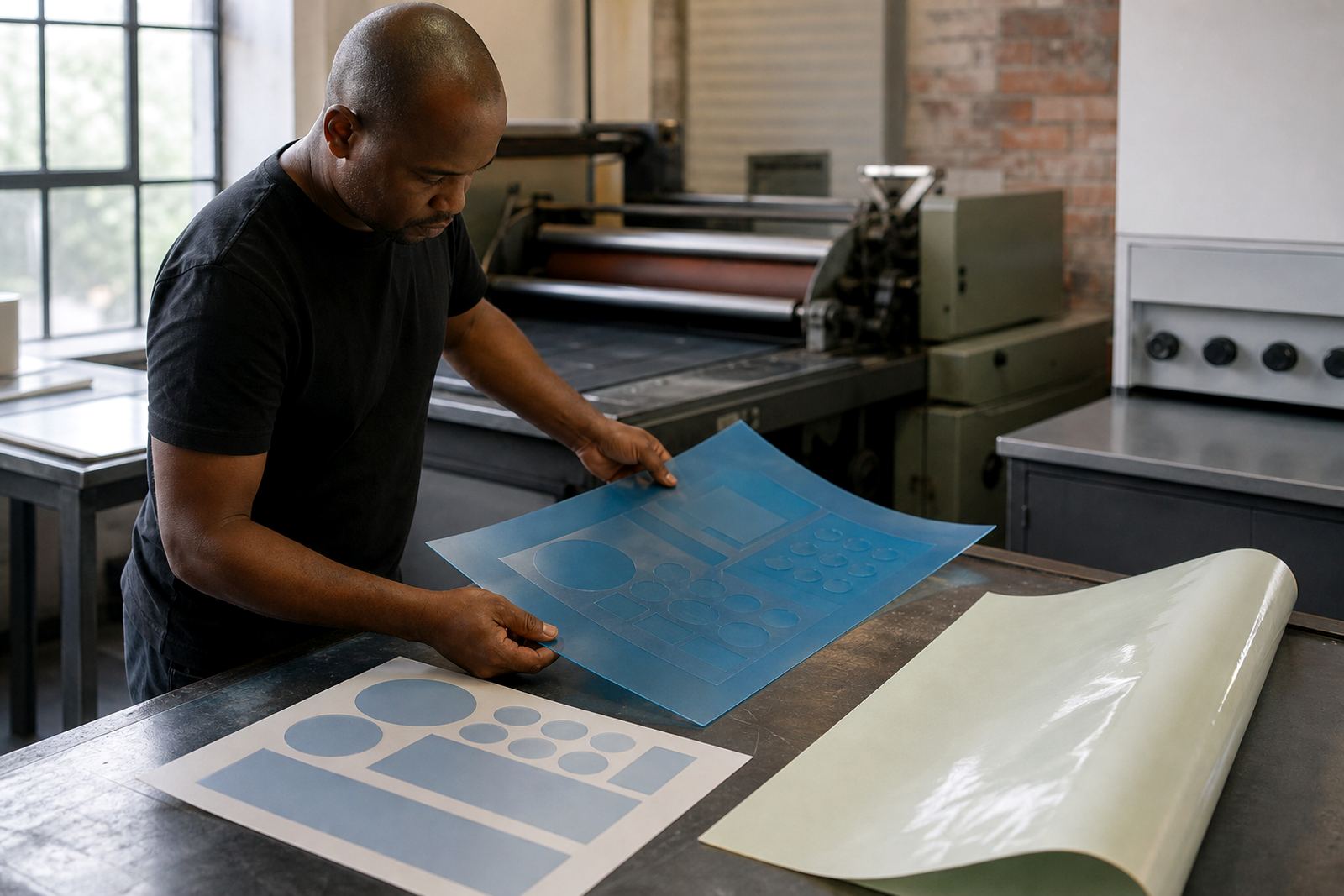
For linerless work, a neat edge and consistent relief are important. If the adhesive area is too close to the image, or the art is not positioned correctly, the result can look untidy on press. We check that before production so the final plate suits the job, not just the file.
Where linerless plates are a good fit
These plates suit printers handling self-adhesive label work where the client wants quick application and less waste from release liner. They are often used for short to medium label runs, variable information labels and product labels that need clean edges and legible type. Because the adhesive sits differently to a standard label, the plate must support careful placement and good ink transfer at the correct points.
They also suit printers working for packhouses, logistics operators, wholesalers and manufacturers who need labels that stay readable after handling, stacking and transit. In humid coastal conditions such as Durban and Gqeberha, plate handling and storage matter as much as the artwork. Heat and moisture can affect materials if they are left unpacked too long, so good storage practice is worth keeping in place.
- Food and beverage labels
- Warehouse and dispatch labels
- Retail and promotional label rolls
- Short-run packaging identification work
- Variable data and code-bearing labels
Installation, mounting and press setup basics
Most linerless label plates are mounted to the press in the normal flexo way, but accuracy matters more because the print image often sits close to the functional area of the label. Before mounting, make sure the cylinder or sleeve is clean, the mounting tape is in good condition and the plate is aligned to the register marks supplied with the job. A small shift can show up quickly on narrow label web widths.
These plates do not need gas, and the plate-making process itself does not require on-site power from the customer. What the press does need is stable electrical supply for the print line and a clean area for handling. During load-shedding, it helps to keep plates sealed in their packs, away from dust and direct sunlight, so they are ready when the machine comes back on line. Keep a note of the job code and repeat dimensions to avoid mix-ups on busy shifts.
What to check before you send the order
Good linerless work starts with good information. The more complete the file and job note, the easier it is to make a plate that behaves properly on press. We can assist with artwork preflight, file checking and proof comparison, but the key details should come through with the order so there is no guesswork.
- Final artwork in the correct size and repeat
- Press type and cylinder or sleeve details
- Plate thickness required, if already known
- Text, barcode and fine-line areas that need extra attention
- Any adhesive-free strip or no-print zone on the layout
- Preferred delivery branch or collection point
If the job is a remake, send the previous plate details and the reason for replacement. That helps with matching thickness, trim and mounting style. It also saves time when the same label set needs a second run after a change in copy or pack size.
Care, storage and service support
Photopolymer plates last better when they are handled with clean hands, stored flat and kept away from heat, solvent fumes and direct sun. In coastal areas, keep them sealed until needed and avoid leaving them in vehicles for long periods. After press use, wipe them clean according to your house procedure and return them to their labelled sleeve or wrap. Do not stack heavy items on top, because that can distort the image area or cause edge damage.
Our support includes remake support, dispatch packing, collection coordination and technical job advice from the Midrand base. If a plate has been trimmed too tight, labelled wrong or marked up during handling, tell us early so we can advise the next step. Sibusiso Mthembu leads the business with the production team and logistics team working together for courier delivery across Johannesburg, Pretoria, Durban, Cape Town, Gqeberha and surrounding areas. That local follow-through matters when a job is time-sensitive and the press window is small.
Ordering from Midrand for delivery nationwide
Clients place orders through the enquiry form on our contact page, then we confirm the job details, artwork status and delivery point. From Midrand, we arrange courier delivery across South Africa, with service to Johannesburg, Pretoria, Durban, Cape Town, Gqeberha, the East Rand and the West Rand. If collection is better for your schedule, we can coordinate that too.
For linerless label plates, the best results usually come from a clean file, clear job notes and a proper check before making starts. That keeps the plate aligned to the press, the image clear and the adhesive area where it should be. Our team includes Ayesha Naidoo, Pieter van Wyk, Lerato Molefe, Morne Jacobs and Zinhle Dlamini, and each one handles a part of the process that affects the final result.
Key facts
| Product type | Photopolymer flexo plates for linerless label work |
|---|---|
| Typical thickness range | 1.14 mm to 6.35 mm, job dependent |
| Artwork support | Preflight, file checking, imposition planning and proof comparison |
| Finish options | Trimmed, labelled and packed for press handling |
| Service area | Midrand base with courier delivery nationwide |
| Best suited for | Label printers and packaging printers handling linerless rolls |