What Process Colour Plates Are Used For
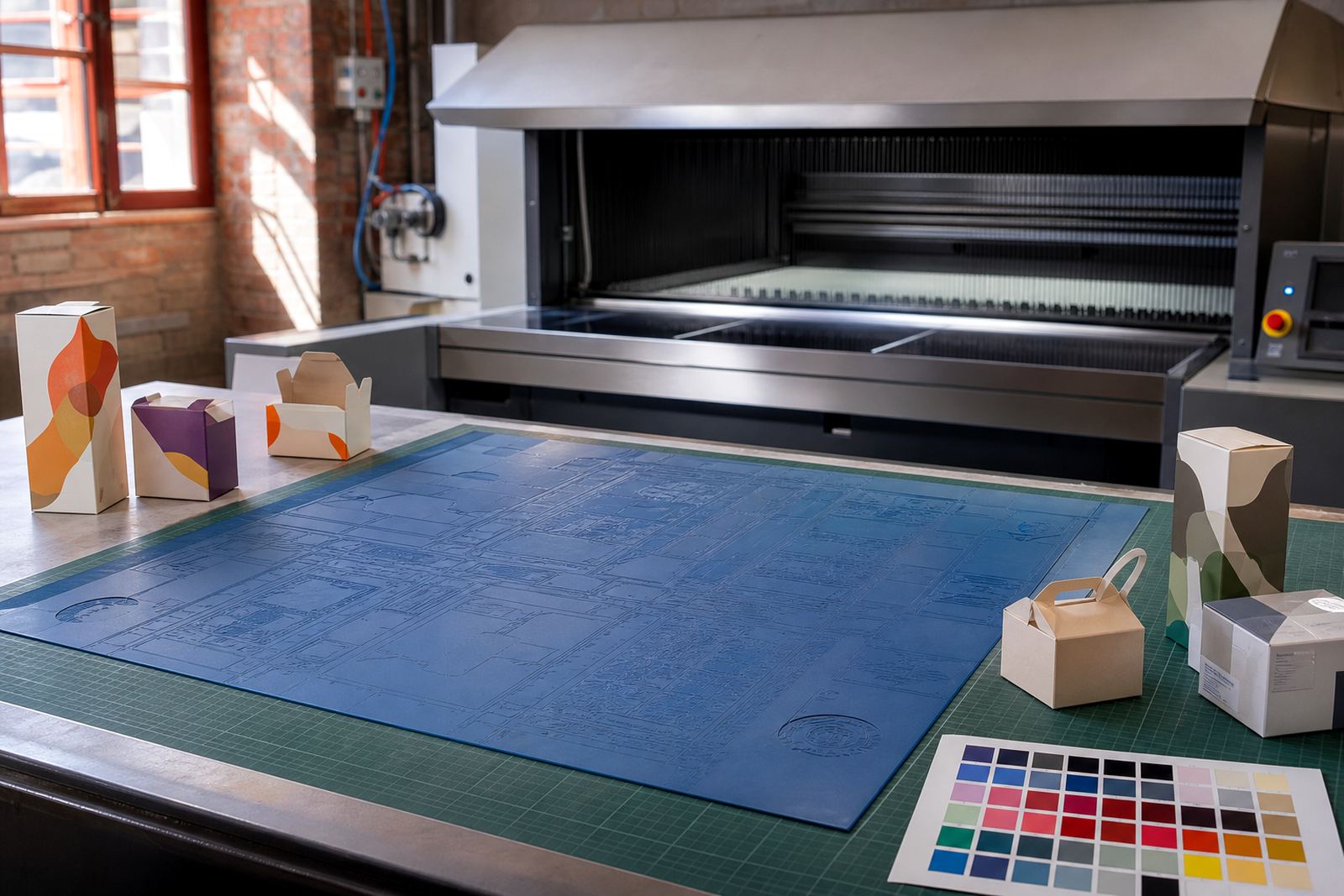
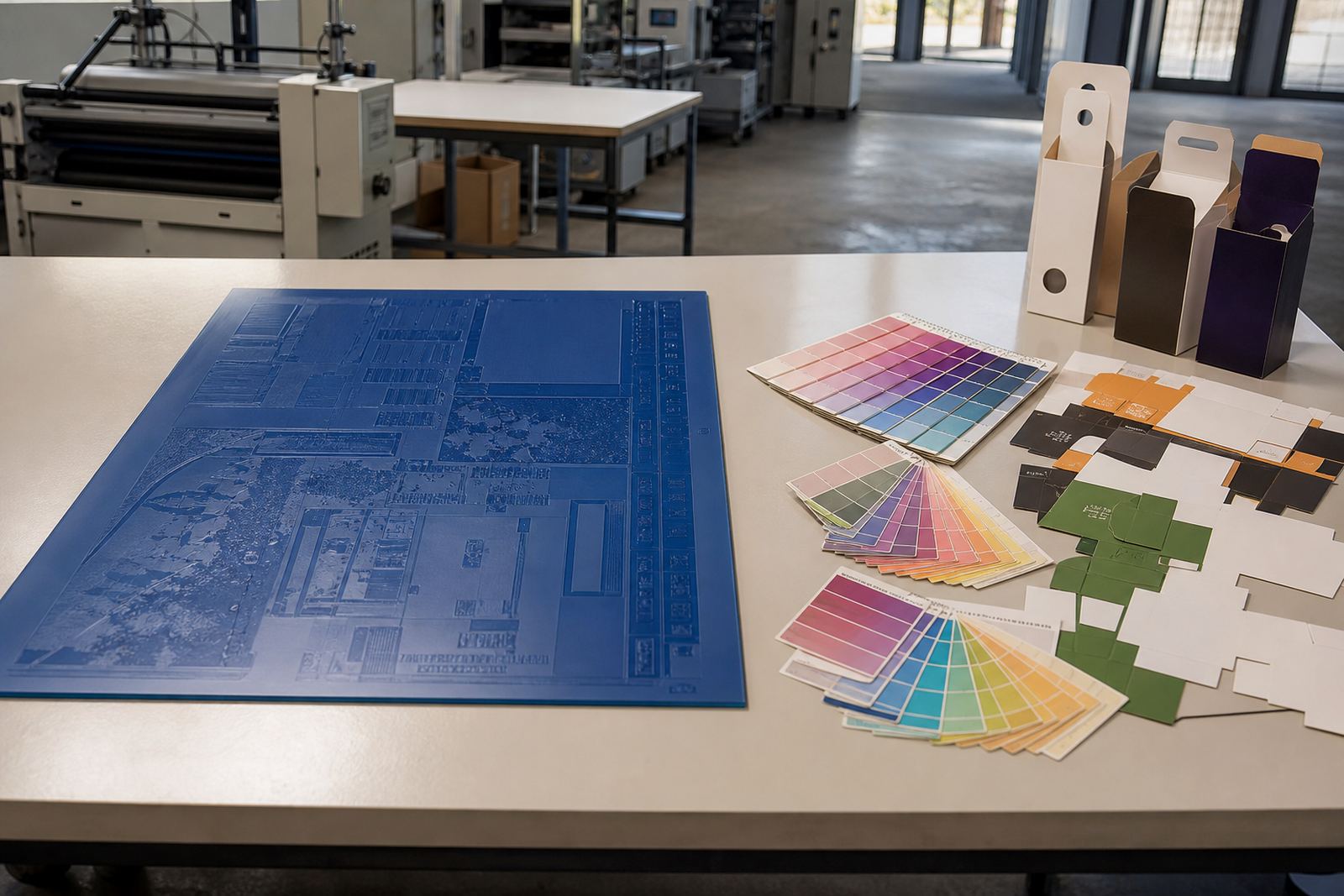
Process colour plates are made for jobs that rely on screened artwork rather than flat spot colours. That includes labels, flexible packaging, cartons, sleeves, pouches and many short to medium run print jobs where fine tonal changes, vignettes and photographic detail need to hold together on press.
In flexo work, the plate must carry clean dots, even highlight detail and steady shadow areas while still running properly on the chosen substrate. For food packs, household labels, personal care items and promotional print, the main aim is to keep the image readable and the colour sequence stable from first sample to final run.
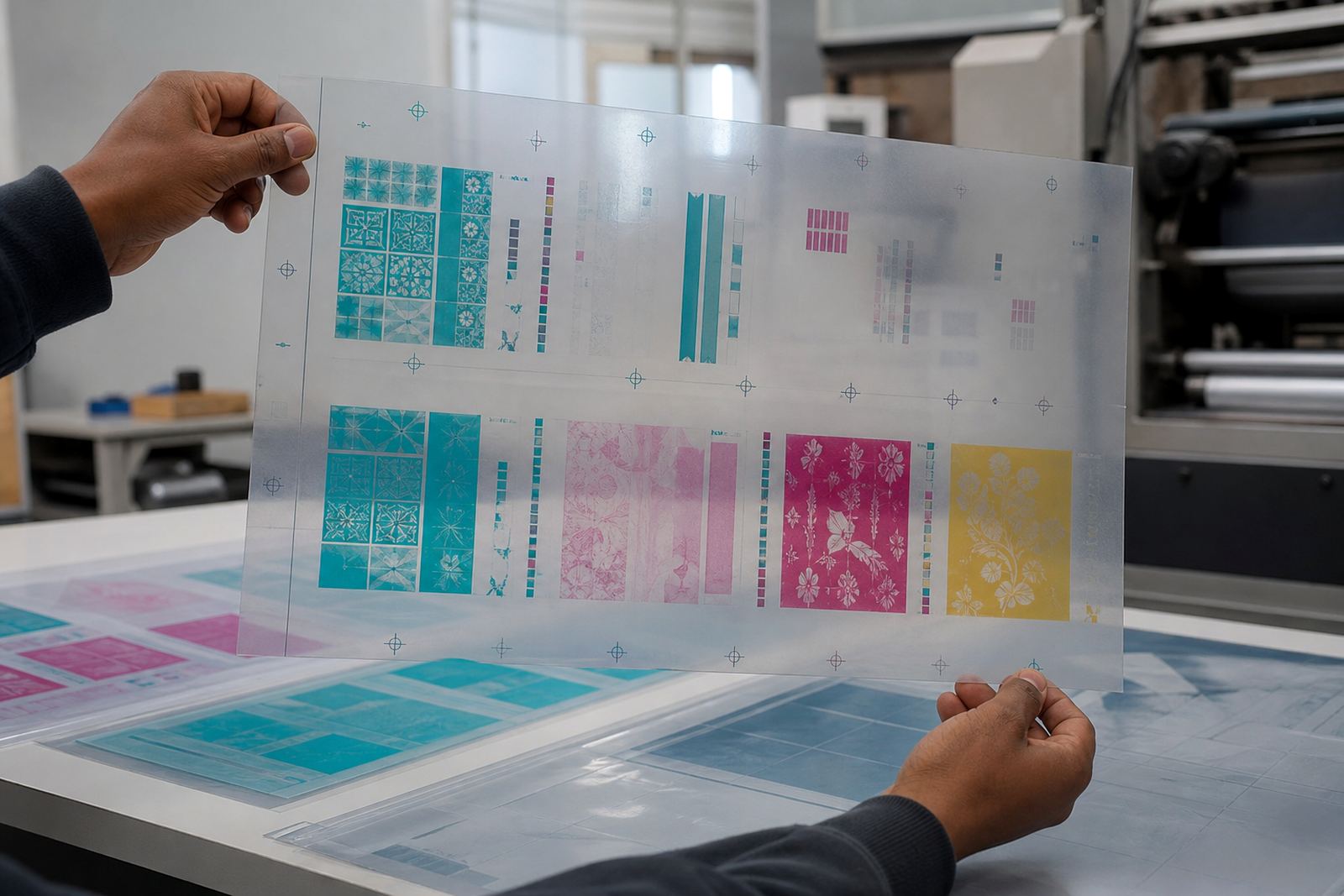
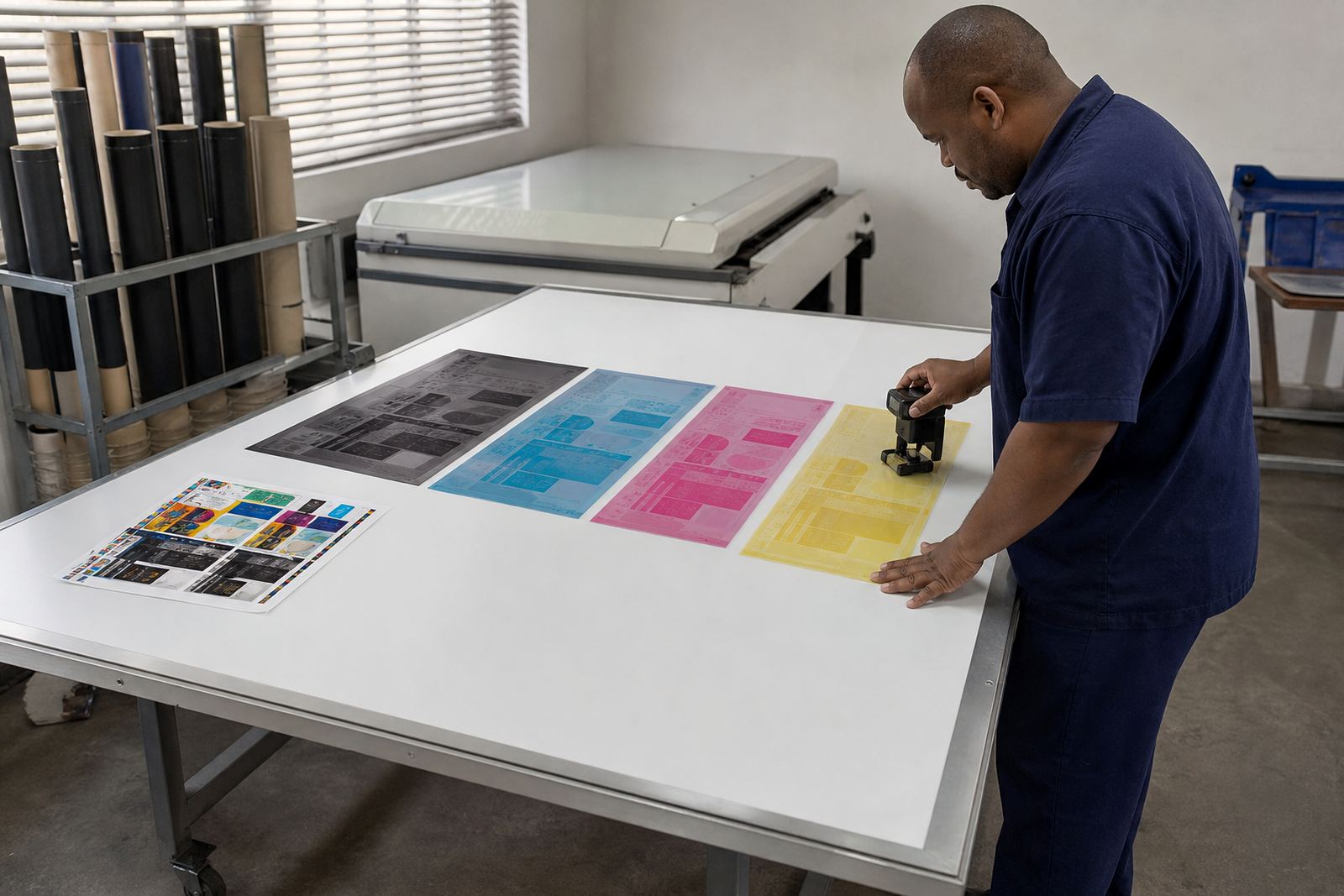
We make these plates for printers handling artwork that has been separated into process colours, with special attention to registration, plate thickness and repeat consistency. If the job needs tighter control for fine type, line work or tonal balance, that is flagged during prepress before the plate is made.
Plate Build, Sizes and Options
Process colour plate work is matched to the press, cylinder or sleeve setup, and the artwork being printed. The exact build depends on impression requirements, substrate type and the screen ruling used in the file. We work from supplied specifications and confirm details during file checking, imposition planning and proof comparison.
Common options include different plate thicknesses, trimmed or untrimmed edges, labelled sets for multi-colour jobs, and remake support for repeat orders. For label printers, plates are often supplied in sets that must match exact register positions. For packaging printers, the focus may be on repeat length, mounting accuracy and handling convenience on press.
- Plate thickness matched to the press and mounting method
- Trimmed or full-size supply, depending on the job
- Set labelling for colour sequence and station control
- Remake support for repeat artwork and updated versions
- Plate mounting preparation where required
Because process colour work is sensitive to detail, we also check knockouts, overprints, trap areas and small text before production. That helps avoid surprises when the plates reach the pressroom in Johannesburg, Pretoria, Durban, Cape Town, Gqeberha and other delivery routes.
Where Process Colour Plates Suit Best
These plates suit printers who need controlled reproduction on packaging and labels where artwork carries multiple tones. They are often specified for products with photos, shaded backgrounds, detailed illustrations or brand graphics that depend on smooth tonal transitions. If the end result has to match a colour standard closely, the file and plate setup must be handled carefully from the start.
They are also useful where the printing environment can change through the day. In South Africa, many printers work through load shedding, temperature shifts and coastal humidity, especially in Durban and Gqeberha. Those conditions can affect handling, storage and press readiness, so it helps to keep plate sets clean, flat and properly packed before dispatch.
- Label work with fine detail and small text
- Flexible packaging with photographs or screened tints
- Cartons and sleeves with tonal artwork
- Short runs that still need consistent appearance
- Repeat jobs where colour balance must stay familiar
For printers in Midrand, the East Rand and West Rand, collection can be arranged when timing suits the press schedule. For other areas, courier delivery is used so plates arrive packed for handling and easy identification at receiving.
Installation, Handling and Pressroom Needs
Process colour plates do not need power or gas at installation site because they arrive ready for mounting and press setup. What matters is clean handling, correct storage and a pressroom that keeps dust, oil and moisture away from the plate face. If mounting is part of the order, the plate set should be checked for orientation, sequence and register marks before it goes to press.
When the job is being prepared, the printer should confirm the plate backing or mounting method required by the press line. If the plate set is for a sleeve or cylinder system, the repeat and position must be right before fitting. For smaller label jobs, check the set order and label marks carefully, because a mix-up can waste press time quickly.
In humid coastal conditions, plates should not be left open in delivery bags longer than needed. Store them flat, away from direct sun and sources of heat. If the pressroom is affected by unstable power, it is worth protecting the artwork files, proof notes and plate set order so the job can restart without confusion after an outage.
Care, Storage and Repeat Job Servicing
Good care starts the moment the plates leave production. Keep them in their dispatch packaging until needed, and avoid bending or stacking heavy items on top. If a plate set is handled often, use clean gloves or clean hands and keep the printed side free from scratches, adhesive marks and dust.
For repeat orders, the file history, proof notes and plate sequence should be kept together so remake work can follow the same setup. That matters for brand work where a slight tonal change can show up across multiple print runs. If a job has changed stock, ink or screen settings since the last run, let that be checked before the remake is made.
- Store flat in a dry, shaded place
- Keep away from solvents, sharp tools and direct heat
- Check set labels before mounting
- Retain proof notes for repeat jobs
- Report wear, damage or layout changes before reordering
Our team in Midrand handles plate making, plate trimming, plate labelling, dispatch packing and collection coordination, so repeat servicing can be managed without unnecessary back and forth. That helps printers keep production moving, especially when several jobs are running at once.
What To Check Before You Order
Before placing an order, confirm the artwork separation, final size, repeat length, substrate and press type. If the job has small reversal text, fine screens or very light highlight dots, mention that clearly. The same applies if the artwork has changed since the last print run. Small differences in layout can affect plate fit and register.
You should also check whether the job needs a proof comparison, imposition planning or screening support before plate making starts. When a printer sends a file that still needs checking, it is better to catch it early than to correct it after production. A clear brief saves time and avoids mix ups on delivery day.
- Final artwork version and colour separation details
- Press type, repeat length and mounting method
- Any special screening or tonal requirements
- Label count, station order and pack instructions
- Whether collection or courier delivery is needed
Clients reach us through the enquiry form on our contact page, and our team will guide the job through prepress, plate production and dispatch. We support printers in Midrand, Johannesburg, Pretoria, Durban, Cape Town, Gqeberha, East Rand and West Rand with practical job advice and clear handling from start to finish.
Midrand Production With National Courier Coverage
Flexo Printer Plates is based in Midrand, Gauteng and has been serving the printing trade since 2007. The team includes Sibusiso Mthembu, Ayesha Naidoo, Pieter van Wyk, Lerato Molefe, Morne Jacobs and Zinhle Dlamini, with each person focused on a practical part of the plate-making process from prepress through to dispatch.
Because process colour work depends on steady control, we keep the workflow tight from file checking to collection coordination. Plates are packed for courier travel across South Africa, including Johannesburg, Pretoria, Durban, Cape Town and Gqeberha, with local delivery support for Midrand and surrounding areas.
Whether the order is for a one-off label job or a repeat packaging run, the aim is the same: accurate plates, clear labelling and proper packing so the pressroom can get on with the work. For printers dealing with tight schedules, municipal hours, load shedding or wet weather delays, that kind of handling makes a practical difference.
Key facts
| Product type | Process colour flexo photopolymer plates |
|---|---|
| Use | Label and packaging printing with separated CMYK artwork |
| Base location | Midrand, Gauteng |
| Delivery area | Courier delivery across South Africa, including Johannesburg, Pretoria, Durban, Cape Town and Gqeberha |
| Services included | Plate Making, Artwork Preflight, File Checking, Imposition Planning, Screening Support, Proof Comparison, Plate Trimming, Plate Labelling, Remake Support, Dispatch Packing, Collection Coordination, Technical Job Advice |
| Ordering method | Enquiry form on the contact page |