
What Wide Web Plates Are Used For
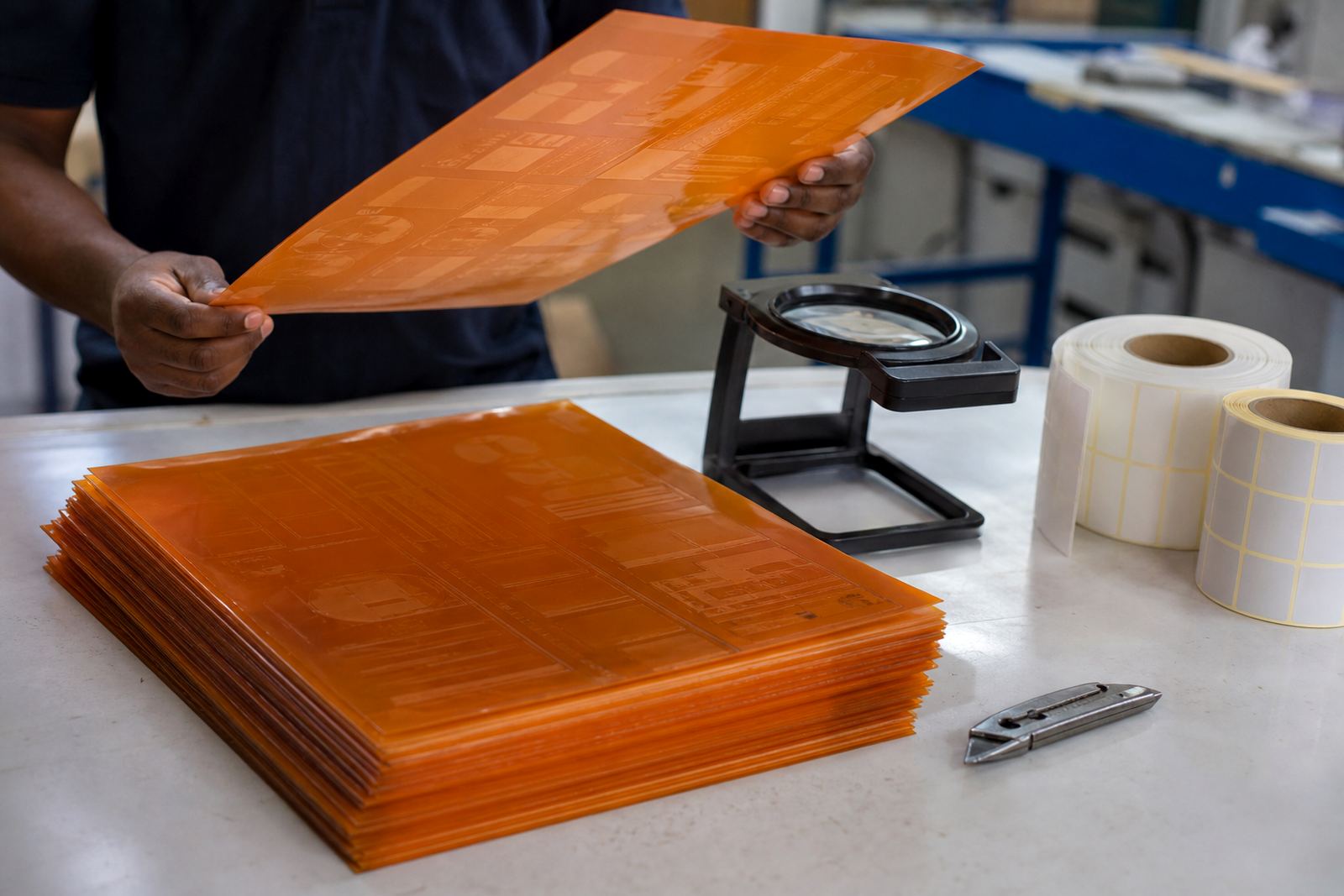
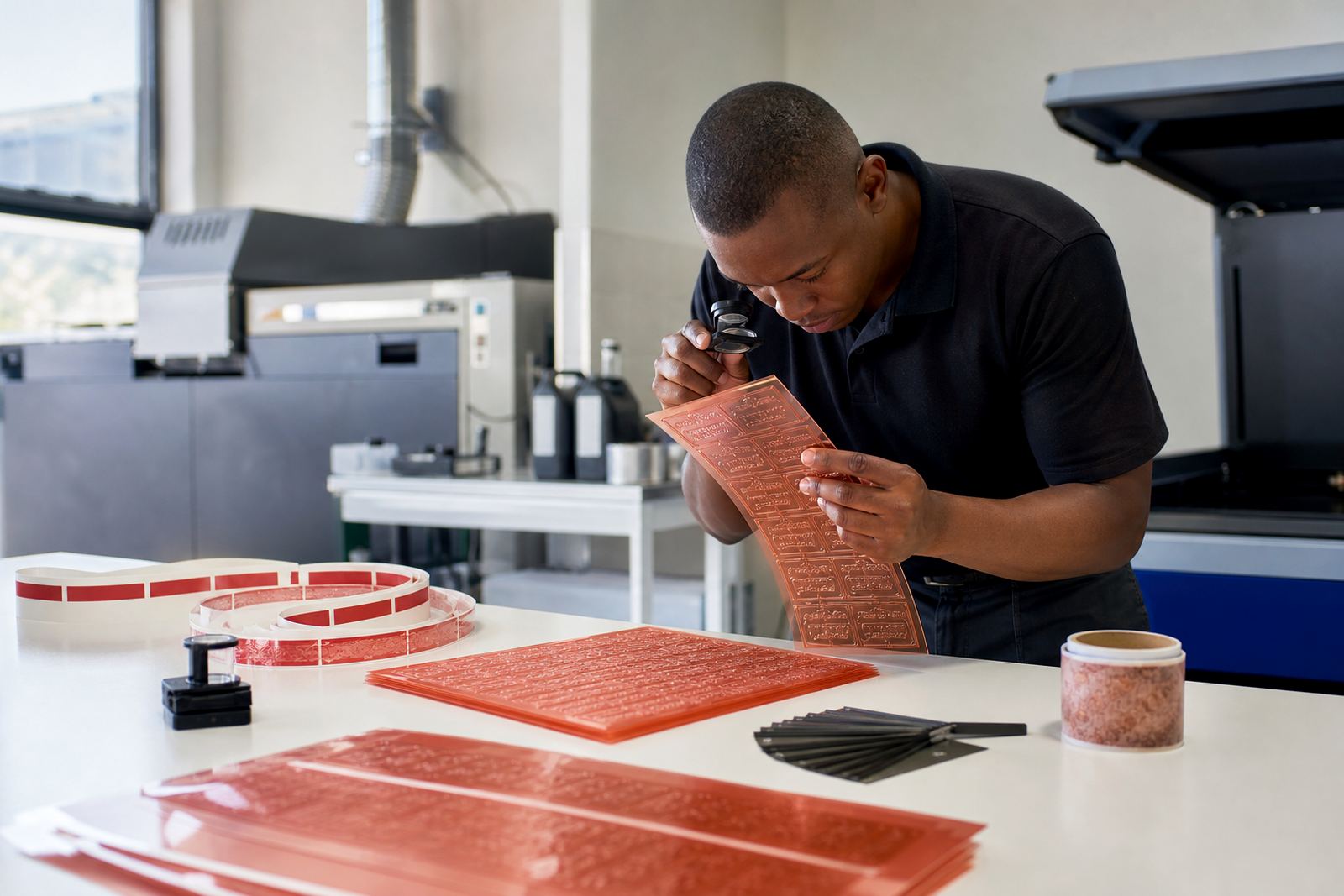
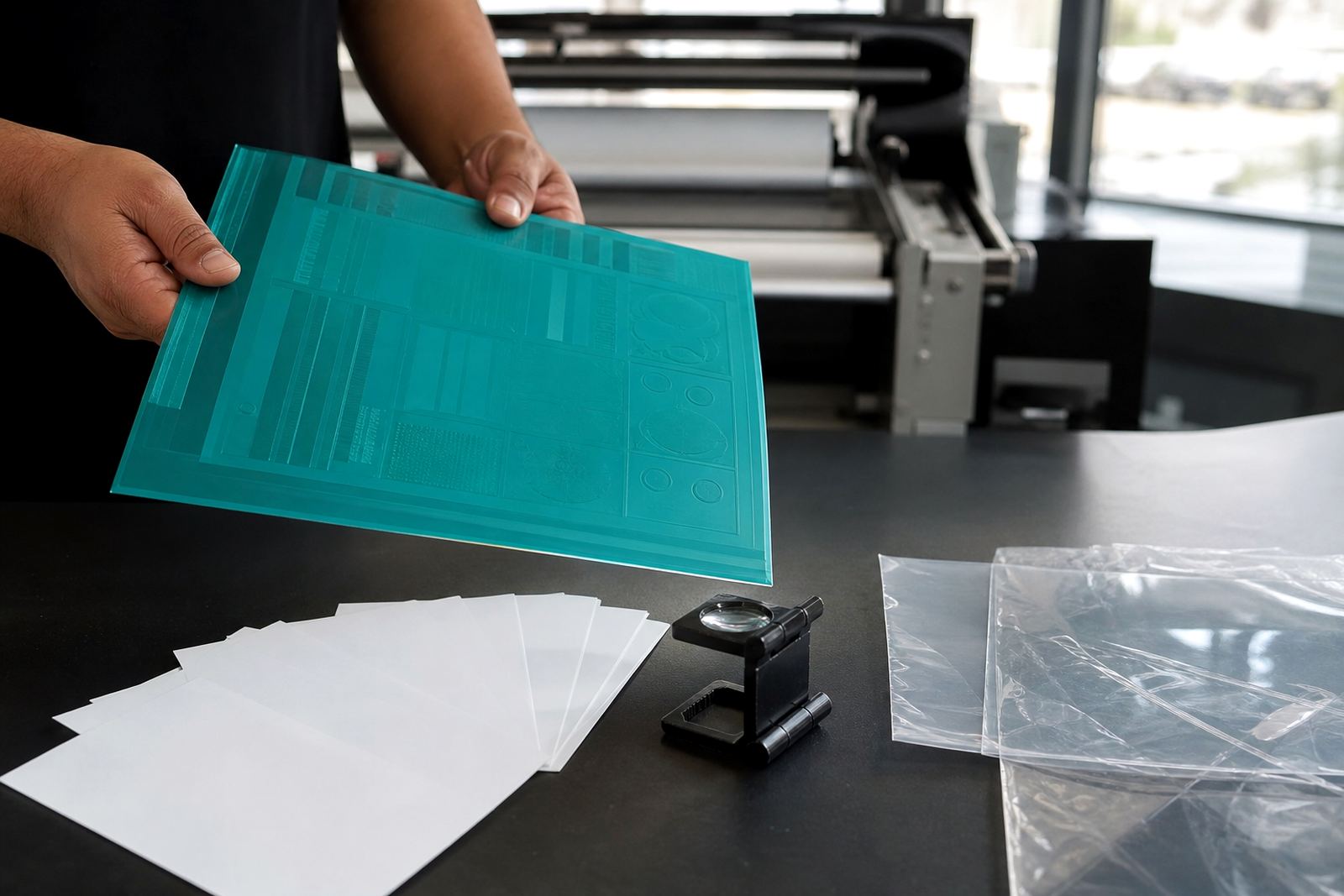
Wide web plates are flexo photopolymer plates made for broader press formats used in packaging and label production. They are selected when the printed image carries across a wider cylinder or sleeve area, and when repeat planning matters for steady register from start to finish. For many South African printers, this means carton sleeves, wraparound labels, pouches, bag stock and other converted packaging jobs where the artwork must hold detail over a larger print width.
These plates are made to reproduce fine text, solids, line work and halftones with care, while standing up to repeated press runs. The better the prepress setup, the better the plate will print. That is why artwork checks, screening advice and layout planning are part of the job, not an afterthought. In hot inland conditions or coastal humidity, plate handling and storage also need a bit of discipline so the relief stays clean and stable.
- Suitable for wider packaging webs and repeat-sensitive layouts
- Used for labels, sleeves, wraparound packs and flexible packaging
- Built for clear detail, even ink transfer and repeat consistency
Size Options And Plate Build Choices
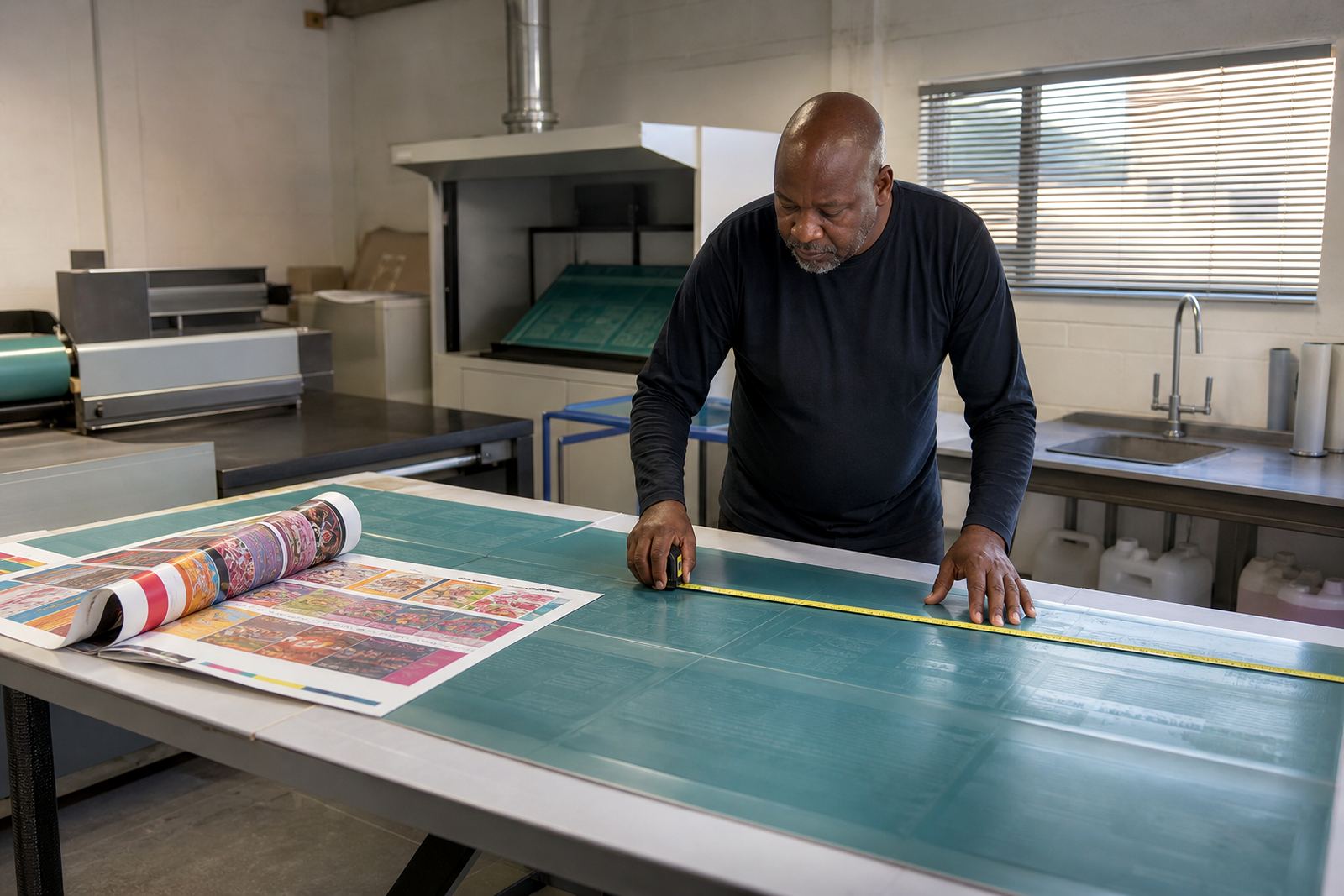
Wide web plates are supplied to suit the job size, the press format and the way the plate will be mounted. Some jobs need full-width plate layouts with careful repeat spacing, while others need separate sections for easier handling and mounting. The plate thickness, relief depth and mounting method are chosen around the substrate, ink system and press conditions.
Typical options include single or multiple plate panels, stepped layouts for repeat planning, and trimmed sets prepared for faster pressroom setup. If the job has tight trapping, small reversals or fine halftones, the prepress team will check line weights and artwork integrity before production starts. Where there is a lot of changeover work, labelled sets and clear packing help reduce mix-ups on the floor.
- Plate thickness options matched to press setup and substrate
- Single or segmented plate layouts for easier handling
- Plate trimming and labelling available for organised pressroom use
- Screening and repeat planning support for complex artwork
Where Wide Web Plates Suit Best
These plates suit printers handling broader packaging runs where layout size and repeat planning affect the final result. They are commonly used for product packaging, broad label webs, outer wraps and other jobs that need stable registration over longer runs. When a customer prints for food, household goods, industrial consumables or retail packs, the plate needs to support both fine detail and stronger solids without breaking down too quickly.
Midrand is a practical base for this kind of work because courier collection and dispatch can reach Johannesburg, Pretoria, Durban, Cape Town and Gqeberha without much fuss. We also support East Rand and West Rand customers who need local turnaround on remake work, plate mounting or collection coordination. For printers working with municipal packaging rules or changing artwork on short notice, clear proof comparison and technical job advice can save time later.
- Packaging and label printers with wider web widths
- Jobs needing accurate repeat placement and solid coverage
- Shorter run changeovers, remake work and repeat production
Installation, Press Setup And Power Needs
Wide web plates do not need special building services, but they do need careful handling during mounting and press setup. A clean, flat mounting surface, correct tape selection and accurate plate positioning all matter. If the pressroom is running during load shedding, keep the mounting area lit properly and avoid rushing alignment under poor light. That is where most registration mistakes creep in.
Power use depends on the equipment around the plate line rather than the plate itself. Plate making, exposure and finishing machinery normally require stable electrical supply, and backup power is worth planning for if your operation is affected by outages. No gas connection is needed for plate production. What matters more is dry storage, controlled handling and a pressroom that keeps dust and moisture away from finished plates.
- Clean mounting area with accurate plate registration
- Stable electricity recommended for plate production equipment
- No gas supply required for standard plate making
- Dry storage advised, especially in humid coastal conditions
Care, Storage And Reuse
Wide web plates last longer when they are cleaned properly after use, stored flat and kept away from heat, sunlight and heavy pressure. Ink residue should be removed soon after press use, because dried ink can affect the relief and make the next run harder to set. If a plate is likely to be reused, label it clearly and keep it with the correct job notes so repeat work can be matched without confusion.
In many South African pressrooms, the biggest risk is not the printing itself but poor storage between jobs. Plates left leaning against walls, stacked under heavy packs or exposed to damp air can warp or collect dust. A tidy plate room and sensible packing habits make a real difference. If a plate is damaged, remake support is usually faster when the original artwork and job details are easy to trace.
- Clean after use before ink hardens
- Store flat in a dry, shaded area
- Keep job labels with the correct repeat and thickness notes
- Avoid pressure marks, bends and dust build-up
What To Check Before You Order
Before ordering wide web plates, check the press width, repeat length, substrate type and whether the job is running on a sleeve, cylinder or mounted plate system. You should also confirm whether the artwork has enough bleed, whether fine text will hold at the planned screening, and whether any reversals or small knockouts need strengthening. A little extra checking now helps avoid remake costs later.
It also helps to confirm the delivery site, collection time and who will receive the packing. For customers in Johannesburg, Pretoria, Durban, Cape Town and Gqeberha, courier dispatch is arranged with proper packing so the plates arrive ready for mounting. If your team needs support, the enquiry form on the contact page is the best way to send job details, layout notes and any queries about imposition or proof comparison.
- Press width, repeat and mounting method
- Artwork bleed, text size and halftone detail
- Substrate type and ink system
- Delivery address, contact person and preferred timing
Specs And Job Details We Need
Every wide web job starts with the right spec sheet. If you send complete details, the plate can be checked, prepared and packed with fewer delays. Our Midrand team handles plate making, artwork preflight, file checking, imposition planning, screening support, proof comparison, plate trimming, plate labelling, remake support, dispatch packing, collection coordination and technical job advice for printers across South Africa.
For wider packaging work, the main goal is simple: a plate that fits the press, prints cleanly and arrives ready for use. That is where careful checking from production through to dispatch makes a practical difference. Sibusiso Mthembu and the team work with printers who need dependable plate support without fuss, whether the order is coming from a small label shop or a larger packaging line.
- Artwork file with final size and repeat length
- Press make, plate thickness and mounting method
- Substrate type, ink system and screening notes
- Delivery or collection details for the finished plates
Key facts
| Product type | Flexo photopolymer wide web plates |
|---|---|
| Use | Packaging, labels, sleeves and broader web applications |
| Location | Midrand, Gauteng |
| Delivery | Courier delivery across South Africa |
| Support services | Artwork preflight, plate making, trimming, labelling and remake support |
| Ordering | Enquiry form on the contact page |