What White Ink Plates Do on Press
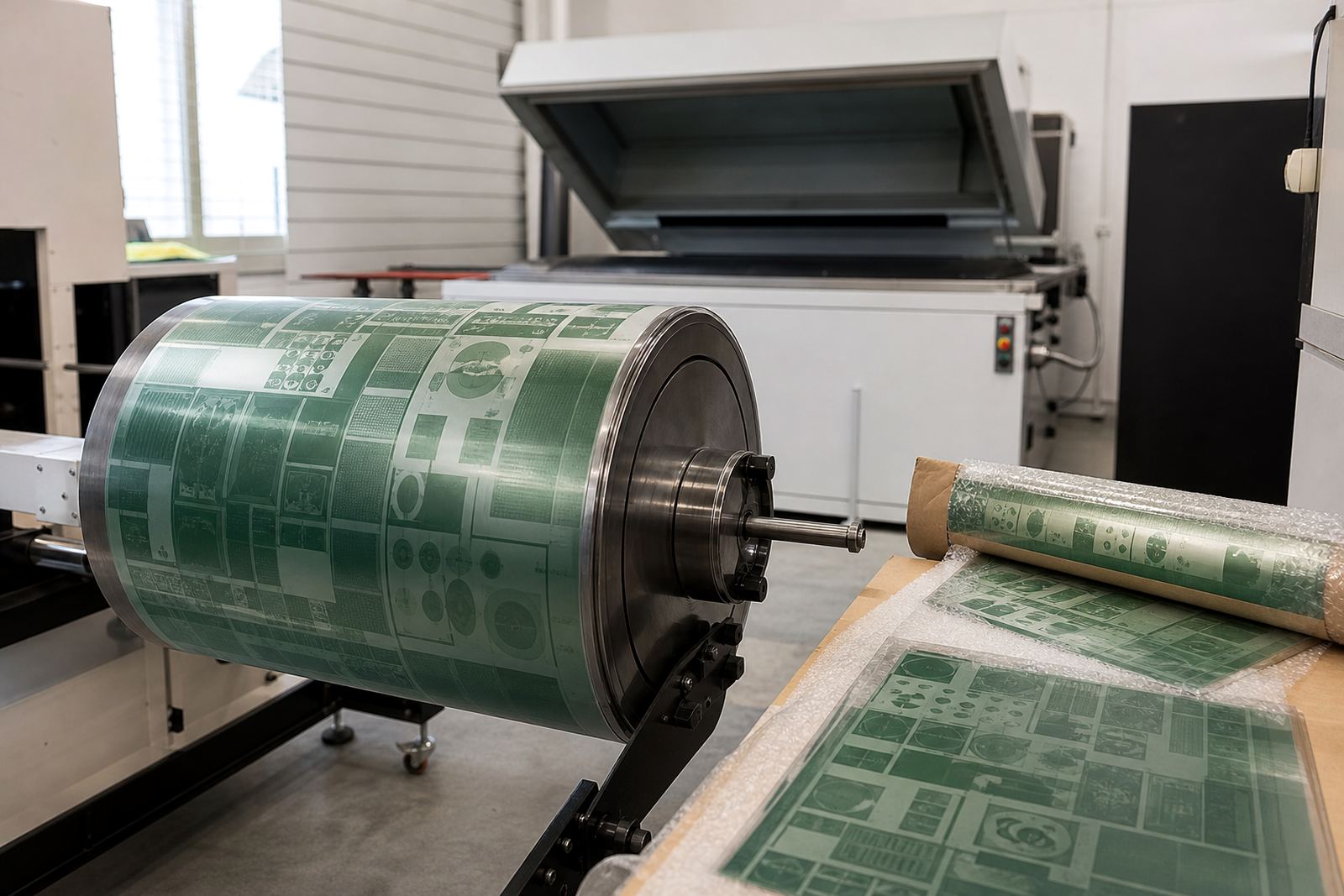
White ink is often used as a base layer on clear, metallic or dark substrates, and the plate needs to hold fine detail without breaking down in long runs. A well made flexo photopolymer plate helps the white lay down evenly, with clean edges on text, solids, fine rules and knockout areas. That matters on labels, sleeves, cartons and flexible packaging where poor plate relief can leave pinholing, haloing or uneven density.
We make plates for printers who need practical control over the image, not guesswork. If your job includes spot white, underprint white or white knockouts, the plate must suit the press speed, ink system and substrate finish. The result should print cleanly on both short and repeat work, whether the run is for a local brand in Midrand or a production line serving Gauteng, KZN or the Western Cape.
Plate Sizes, Builds and Image Detail Options
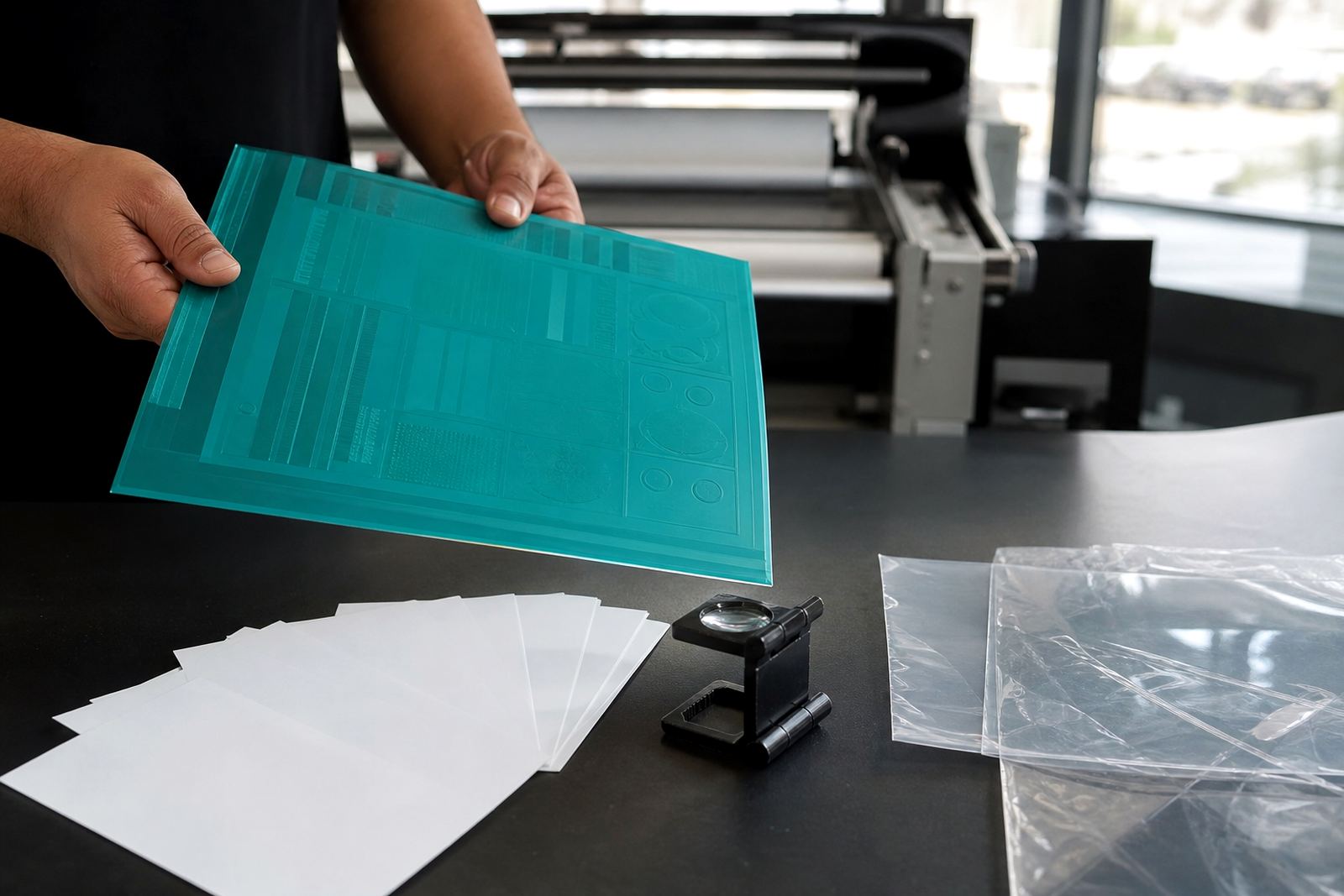
White ink work can be handled across a range of plate thicknesses and repeat sizes, depending on the press and cylinder setup. Typical plate build choices include 1.14 mm, 1.70 mm, 2.28 mm and 3.94 mm photopolymer, with backing tape or mount foam selected to suit the application. We also support different durometers and relief depths where the job needs softer laydown or firmer image hold.
For smaller label work, higher detail retention may be needed around type as small as 4 pt, while packaging runs may need wider solids and stronger ink transfer. If the artwork has reverse white, fades or overprint white areas, the plate should be checked for fine line stability and edge gain. In some cases a small adjustment to screening or image breakup can improve printability without changing the creative.
- Repeat sizes matched to the press cylinder or sleeve setup
- Single or multiple plate sets for repeat work
- Trimming and labelling for fast pressroom identification
- Mounting support for selected press requirements
Where White Ink Plates Suit Best
These plates suit label printers, flexible packaging converters and carton printers that work with white underprints or stand-alone white panels. They are especially useful on clear film, foil laminate, uncoated board and coloured substrates where the white needs enough body to show through the background. If the job is for beverages, personal care, frozen foods or industrial packaging, the plate must hold its form in repeat production.
Printers in Johannesburg, Pretoria, Durban, Cape Town, Gqeberha, East Rand and West Rand often ask for white ink plates when they need a clean first hit before colour. Coastal humidity in Durban or Gqeberha can affect storage and handling, so packing and dispatch need to keep plates flat and protected. In hotter inland conditions around Midrand and the East Rand, careful storage keeps the relief consistent and the edges from lifting.
- Clear film labels that need strong white opacity
- Foil and metallised packaging with white base layers
- Cartons and sleeves with reverse white text
- Short runs, repeat jobs and seasonal artwork changes
Installation, Press Setup and Site Requirements
White ink plates do not need special site power or gas for use on press, but the plate room and pressroom must be kept clean and dry. For storage and handling, avoid direct sunlight, heat sources and heavy dust. If plates are mounted, the cylinder or sleeve should be checked for runout and cleanliness before fitting, because white work shows setup faults quickly. A press that is out by even a small amount can leave visible streaks in the solid areas.
When ordering, it helps to confirm the press width, repeat length, substrate type, backing material and whether the white is a solid block, fine outline or underprint. If the job is going onto a narrow web label line, the image may need a different relief or screening approach than a wide packaging press. We can also assist with collection coordination and courier dispatch so the plates arrive ready for make-ready in time for the print shift.
Care, Storage and Reuse Between Runs
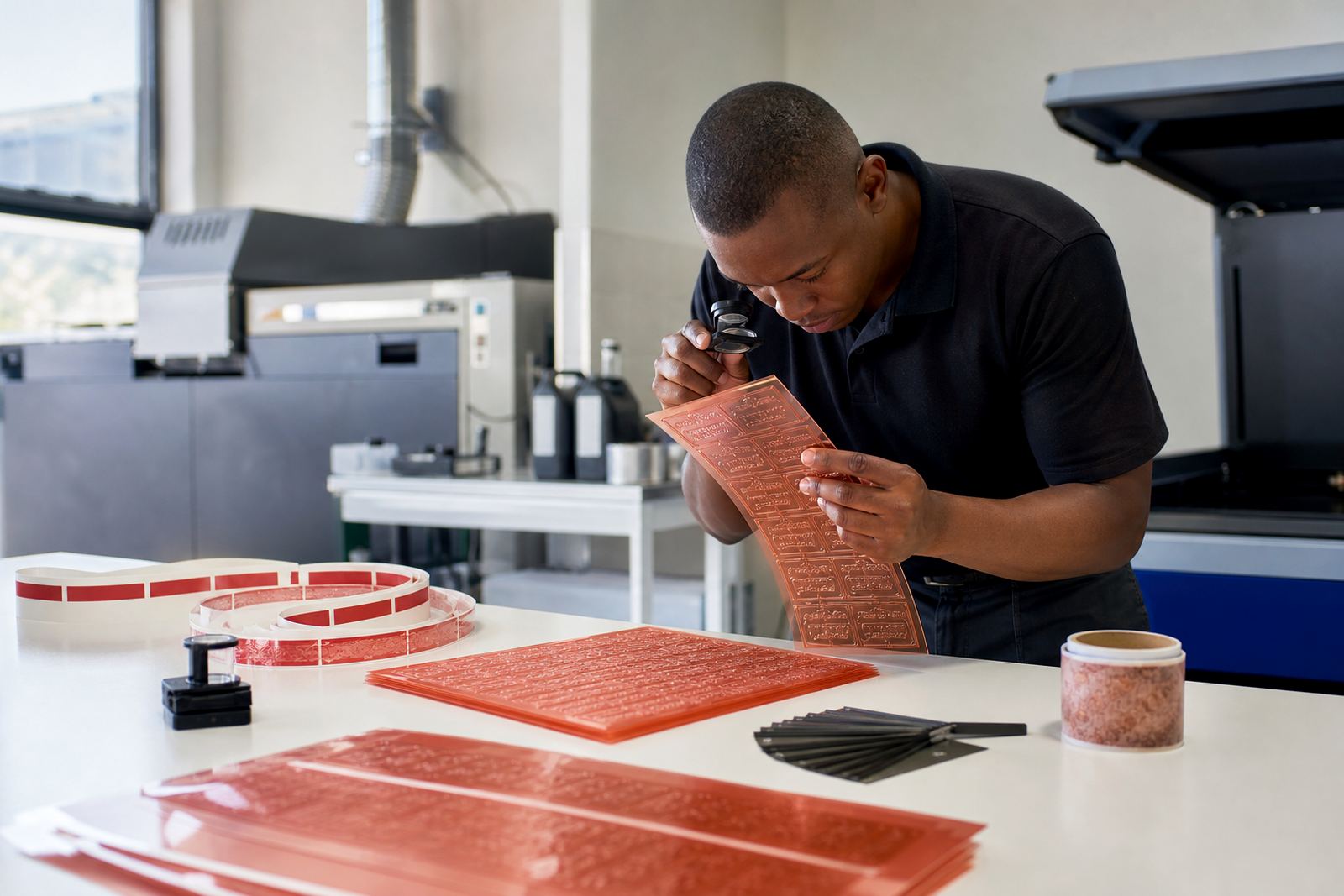
Photopolymer plates last longer when they are cleaned properly after each run and stored flat in a cool area. Ink residue should be removed with suitable pressroom cleaning methods, then the plate should be dried before packing. If the plate is used for white ink, check for pressure marks, swelling or edge damage before it goes back into storage, because those faults can show up as print streaks or patchy coverage later.
When plates are handled by multiple operators, label them clearly by job name, repeat and side of press. Plate trimming and labelling reduce mix-ups during busy production, especially when several label orders are on the same shift. If a plate must be remade, keep the old sample or proof for comparison so the new version can match the approved image as closely as possible.
- Store flat, away from heat and direct sun
- Keep away from dust, solvent spills and heavy stacking
- Inspect for dents, swelling and edge lift before reuse
- Retain approved proof samples for remake checks
What to Check Before You Order White Ink Plates
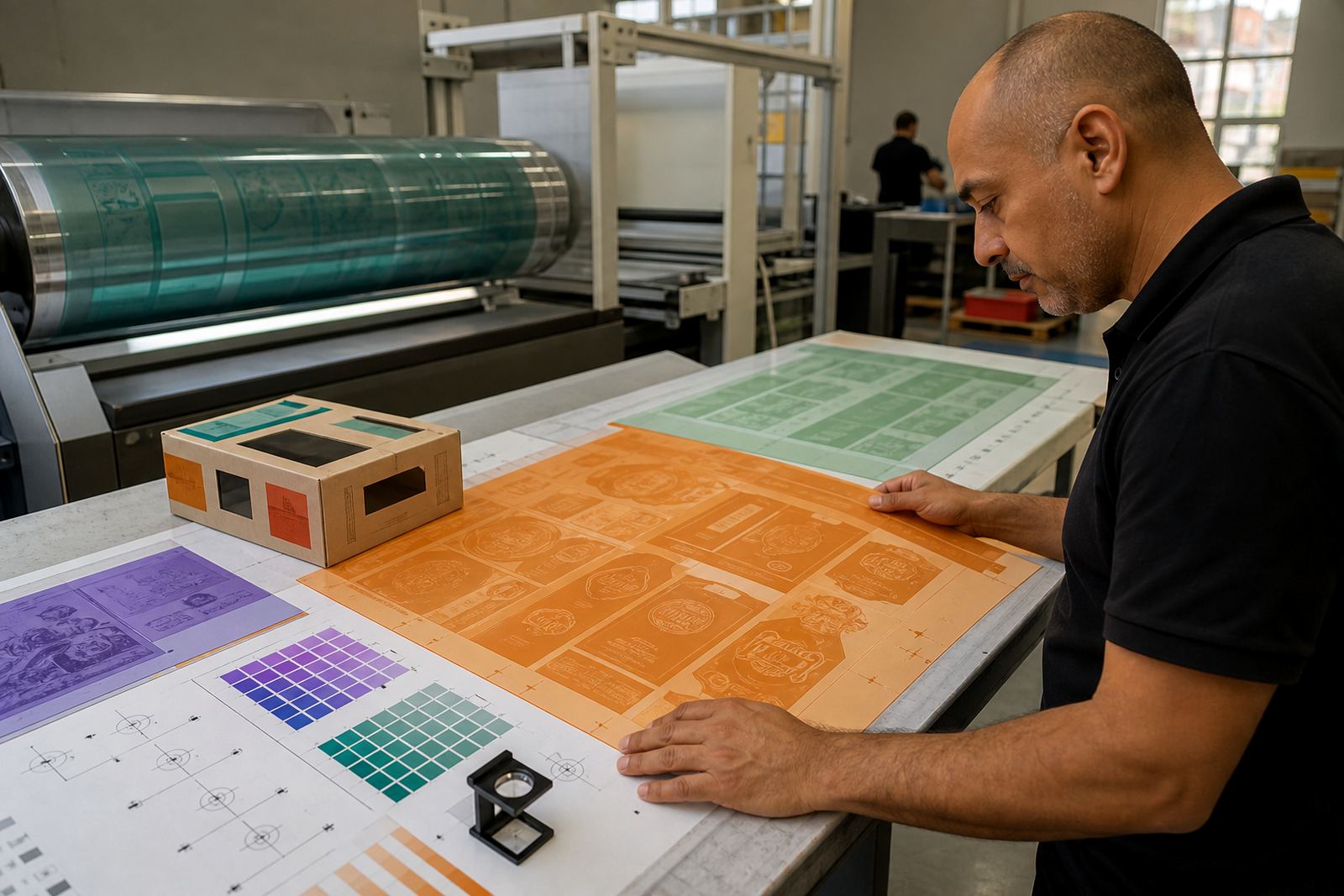
Before placing an order, check the artwork version, final repeat size, press width and the exact areas that must print white. If the white sits under colour, confirm whether the white is a flood coat, selective underprint or a shaped highlight. It also helps to note the substrate finish, because glossy films and textured board behave differently under ink. If the job is sensitive, send a proof comparison so the plate can be checked against the approved layout before production starts.
Also confirm whether you need a fresh plate, a remake from existing artwork or support with file checking and imposition planning. Our Midrand team handles plate making, preflight, screening support, plate labelling and dispatch packing for printers across South Africa. That way the job moves from enquiry to courier with fewer delays and less back-and-forth, which is useful when the schedule is tight and the press window is already fixed.
Key facts
| Product type | Flexo photopolymer plate for white ink areas |
|---|---|
| Common thicknesses | 1.14 mm, 1.70 mm, 2.28 mm, 3.94 mm |
| Best suited to | Labels, cartons, sleeves and flexible packaging |
| Artwork support | Artwork preflight, file checking, imposition planning, proof comparison |
| Handling and care | Flat storage, clean drying, labelled sets, inspection before reuse |
| Supply area | Midrand with courier delivery to Johannesburg, Pretoria, Durban, Cape Town and Gqeberha |