What Artwork Preflight Covers Before Plate Imaging
Artwork preflight is the first practical checkpoint before flexo photopolymer plate-making begins. We review supplied artwork to see whether it is ready for imaging, whether line work will hold, and whether the file setup suits the press and the final pack or label format. This is useful for printers handling short runs, repeat orders, and jobs that move quickly through prepress in Gauteng or further afield.
The check is focused on printability, not on redesign. We look for issues that can affect plate quality, registration, washout consistency, and finished print detail. That includes missing elements, poor image resolution, incorrect bleed, thin type, trapped artwork, spot colour naming, and artwork that has not been set up with the plate size or repeat in mind.
For label and packaging printers, the value is simple: catch the problem before imaging, not after plates have been made and the press is waiting. In Midrand, where many jobs are planned around same-day collections or courier dispatch, this saves time and avoids unnecessary remakes.
Checks Included In The Preflight Review
Every file is checked against practical production requirements. If something needs attention, we flag it clearly and explain what should be corrected before we go ahead. The aim is to keep the job moving without confusion between artwork, prepress and plate production.
- Image resolution and clarity for line art, text and placed images
- Bleed, trim marks and safe area around live copy
- Font handling, missing links and embedded assets
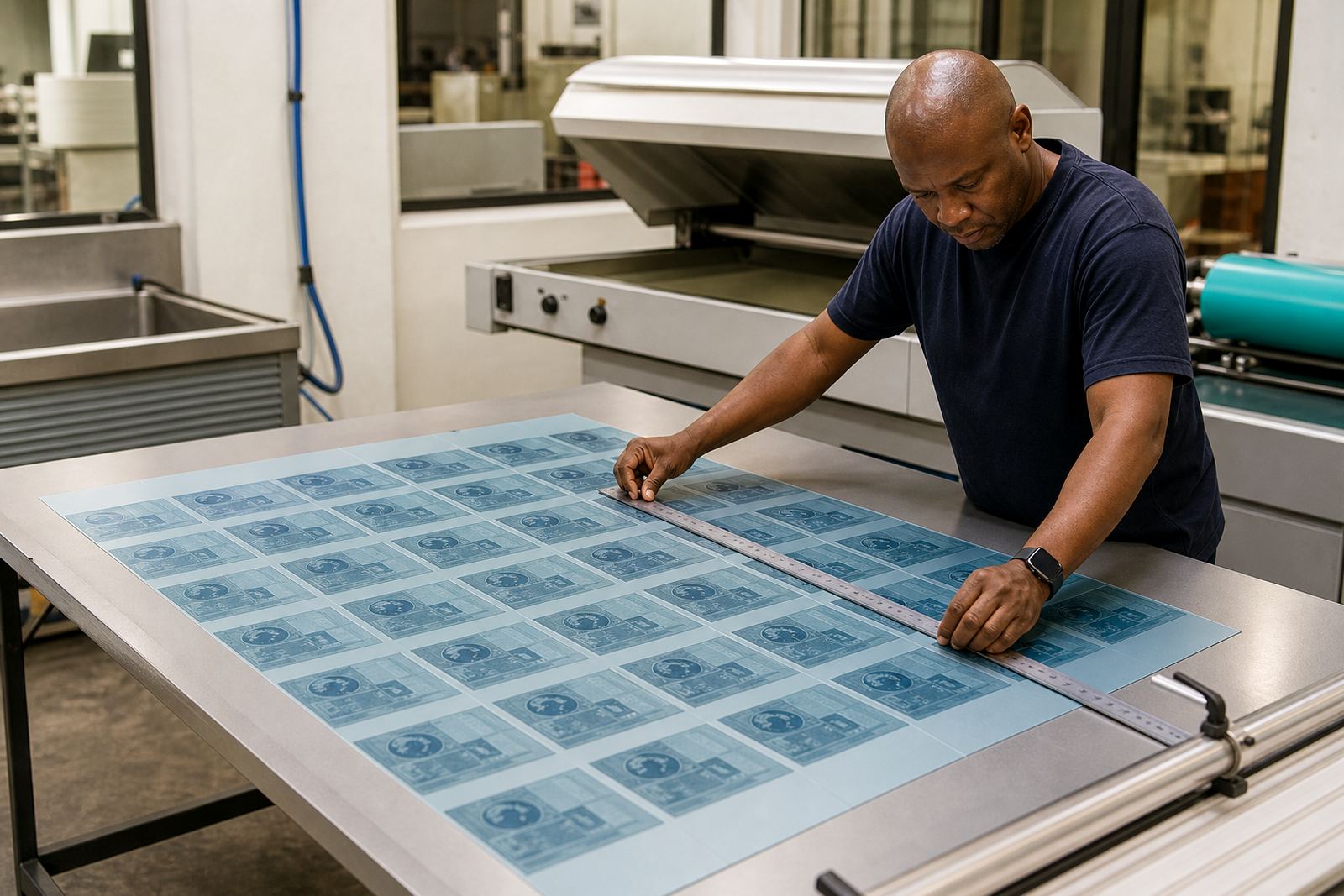
- Plate size, repeat length and layout fit
- Suitability of reverse text, fine detail and knockouts
- Spot colour naming and separation order
- Trapping, overprint settings and white objects on dark backgrounds
- Artwork scale, orientation and panel consistency
- Barcode and small copy legibility where used on labels
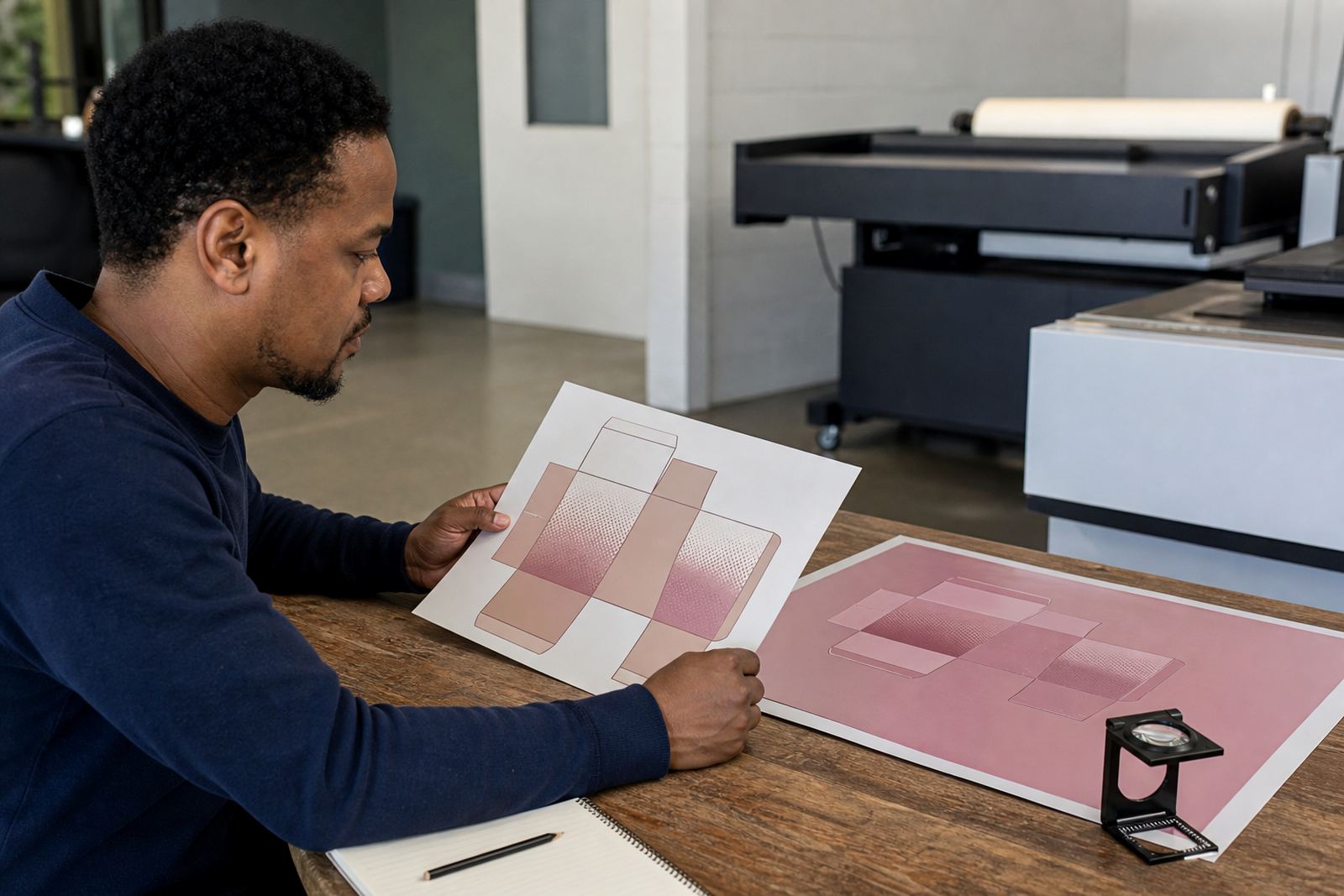
We also compare the supplied artwork against the job notes where needed. If the job is for packaging, we check whether folds, seams, glue areas or varnish zones have been allowed for. If it is a label job, we look at repeat, spacing and any die-related considerations that may affect plate layout. That way the plate file is not only clean, but practical for the press room.
How The Preflight Process Runs
Most jobs start with a file submission through the enquiry form on our contact page, followed by a review from our prepress team. We assess the file, note the points that need correction, and confirm the next step before imaging begins. Where the artwork is already well prepared, the process is straightforward. Where there are issues, we provide a clear list so your designer or artworker can amend the file without guesswork.
The usual sequence is simple and works well for printers in Johannesburg, Pretoria, Durban, Cape Town and Gqeberha who need plate work moved along without delay.
- Receive the artwork and job brief
- Check file format, separations and layout fit
- Review detail, trap, type size and image quality
- Flag corrections or confirm readiness
- Proceed to imaging and production once approved
We keep the process practical. If the file is not ready, we say so. If it is ready, we move it through without unnecessary back and forth. This is especially helpful when a printer has a shift change, a machine booking or a delivery slot to meet.
Plate-Making Specifications We Work To
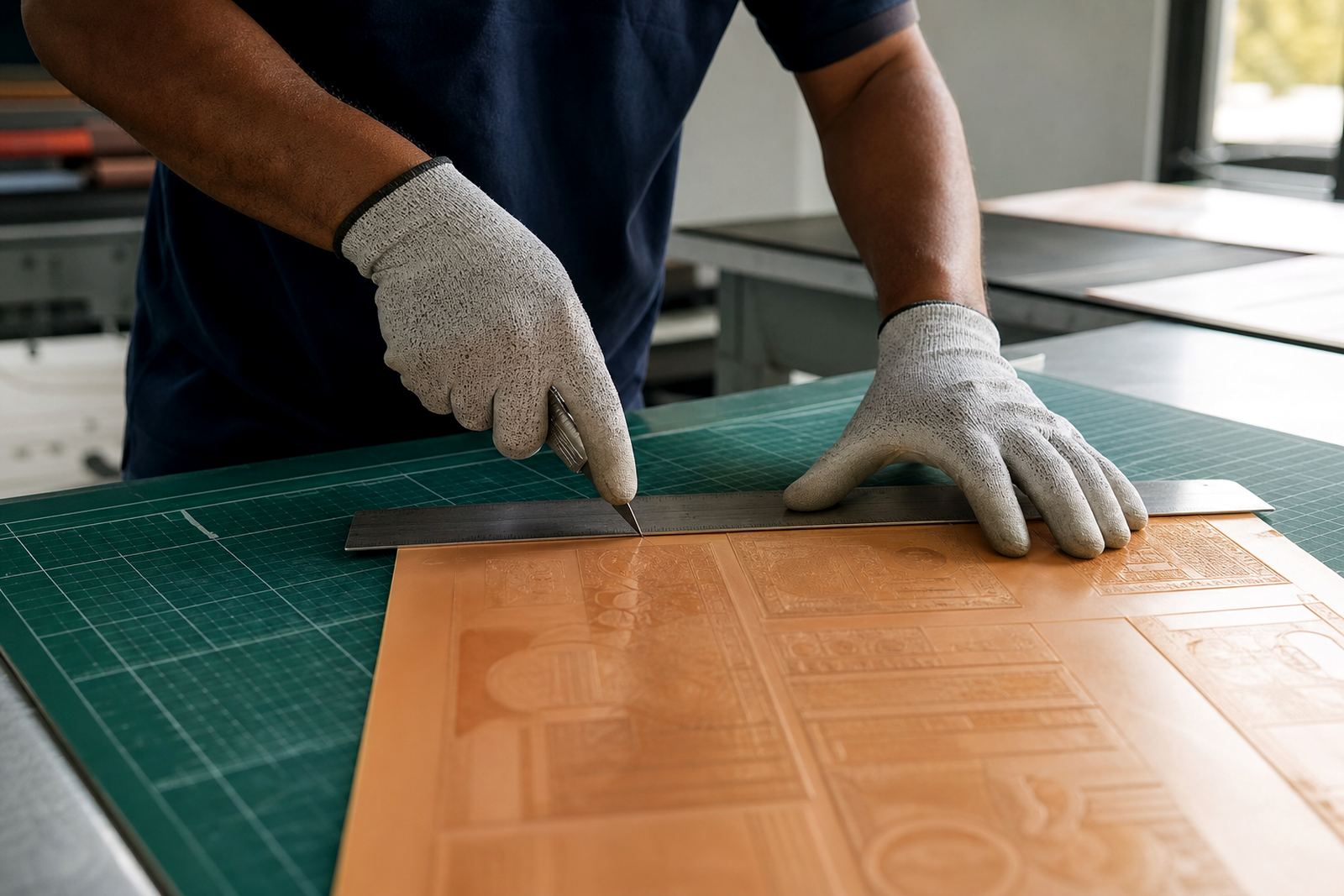
Artwork preflight is closely linked to the way the final photopolymer plate will print on press. For that reason, we look at the file with plate behaviour in mind, not only how it appears on screen. Fine detail, small reverse text and delicate rules can behave differently once transferred to plate, especially on packaging boards, films and textured substrates.
We commonly assess whether the artwork is suitable for the following practical conditions:
- Fine text and linework that must hold at flexo plate level
- Solid areas that may need careful separation or screening support
- Repeats for sleeves, labels and carton panels
- Artwork intended for narrow web or wider format plate layouts
- Files that will be used across multiple versions or sizes
- Jobs where coastal humidity or storage conditions may affect handling before press
If a file is borderline, we will point out the risk before production. That may mean adjusting the artwork, improving the supplied PDF, or changing the setup so the final plate is more reliable on press. A small correction at this stage can prevent a lot of waste later.
Turnaround, Pricing Approach And Job Planning
Turnaround depends on the condition of the supplied artwork and the job queue at the time. Clean files move faster, while jobs needing corrections or proof comparison take longer. We do not quote fixed production promises on every job because each file is different, but we do work in a way that supports planning for printers who need to schedule press time and courier handovers.
Pricing is based on the amount of preflight work involved, the complexity of the artwork and whether the job needs extra checks such as imposition planning, proof comparison or remake support. A simple single-label file is not priced the same as a multi-version packaging job with several separations and panel changes. If a client has repeat work, we keep the file history in order so future jobs can be checked more efficiently.
This approach suits printers working from Midrand, the East Rand and the West Rand, where jobs often need to be balanced against machine time, collection times and load-shedding. We try to keep the process clear so that the printer knows what is ready, what still needs attention and what the cost drivers are before the plate is made.
File Maintenance And Ongoing Prepress Support
Artwork files are rarely one-off. Labels get revised, packs change size and artwork gets updated for new ingredients, legal copy or seasonal runs. That is why maintenance intervals matter. We keep preflight notes and production references in order so repeat jobs are easier to handle when they return for reprint or amendment.
For recurring work, the sensible maintenance cycle depends on how often the artwork changes. A fast-moving label can need a fresh review every time a version changes, while a stable pack may only need a check when artwork or dimensions are updated. Regular review is useful when a brand changes barcode content, printer specifications, or panel text.
We also support printers who need advice on what should be corrected in artwork before the next production cycle. That helps reduce repeated errors and keeps the plate-making process clean, especially where multiple people handle the same job between design, prepress and dispatch.
Key facts
| Service area | Midrand, Gauteng with courier delivery across South Africa |
|---|---|
| Primary focus | Artwork preflight for flexo photopolymer plate-making |
| Typical job types | Labels, cartons, flexible packaging and related repeat work |
| File checks | Resolution, bleed, trap, separations, fonts, layout and plate fit |
| Useful for | Printers needing clean handover before imaging and plate production |
| Contact method | Enquiry form on the contact page |