
What barcode plates do on press
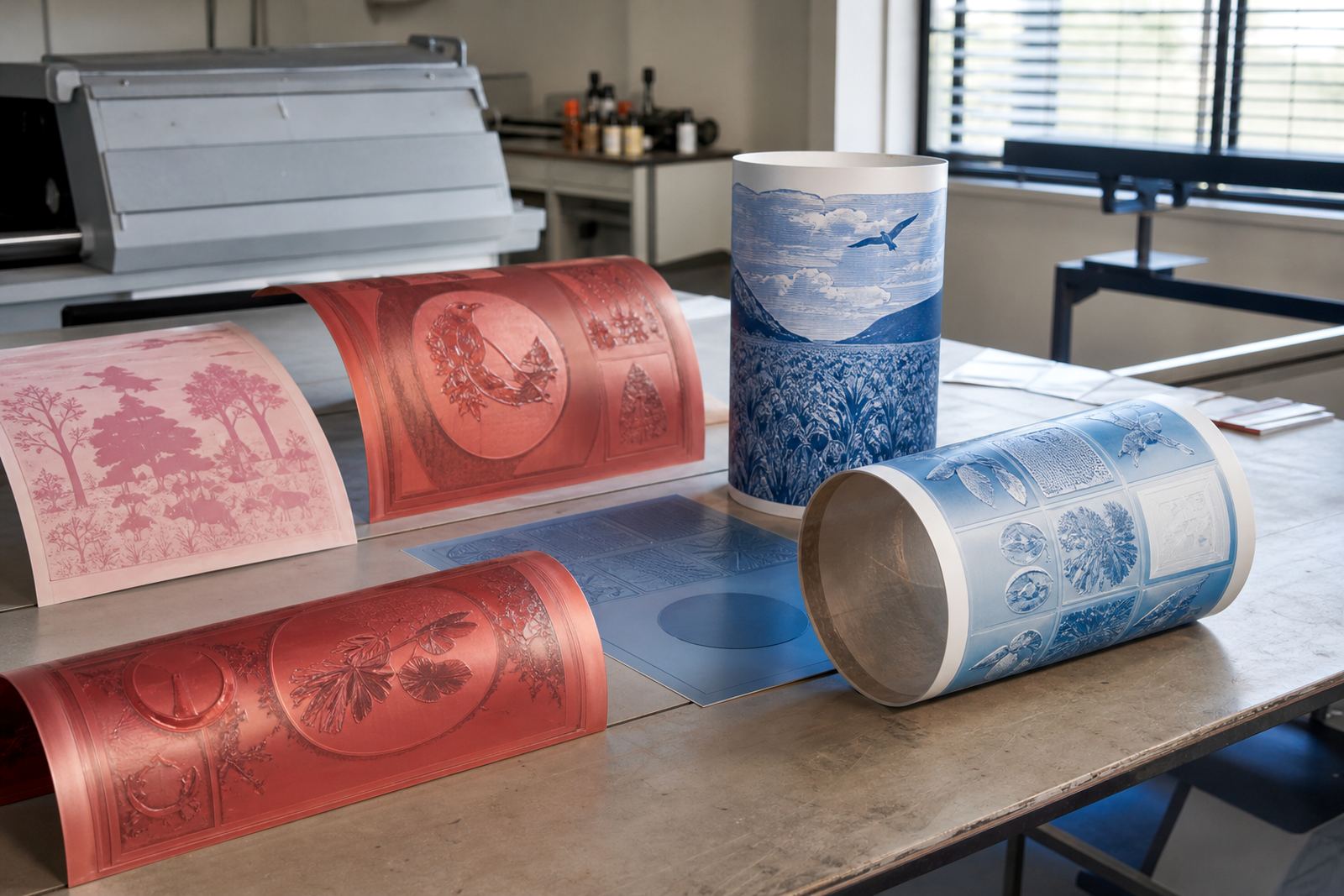
Barcode plates are prepared for one job above all others, keeping the bars, spaces and quiet zones of a code clear enough for scanners to read without fuss. In flexo work, that means careful plate-making, controlled relief and enough consistency in the image area to hold detail across the whole run.
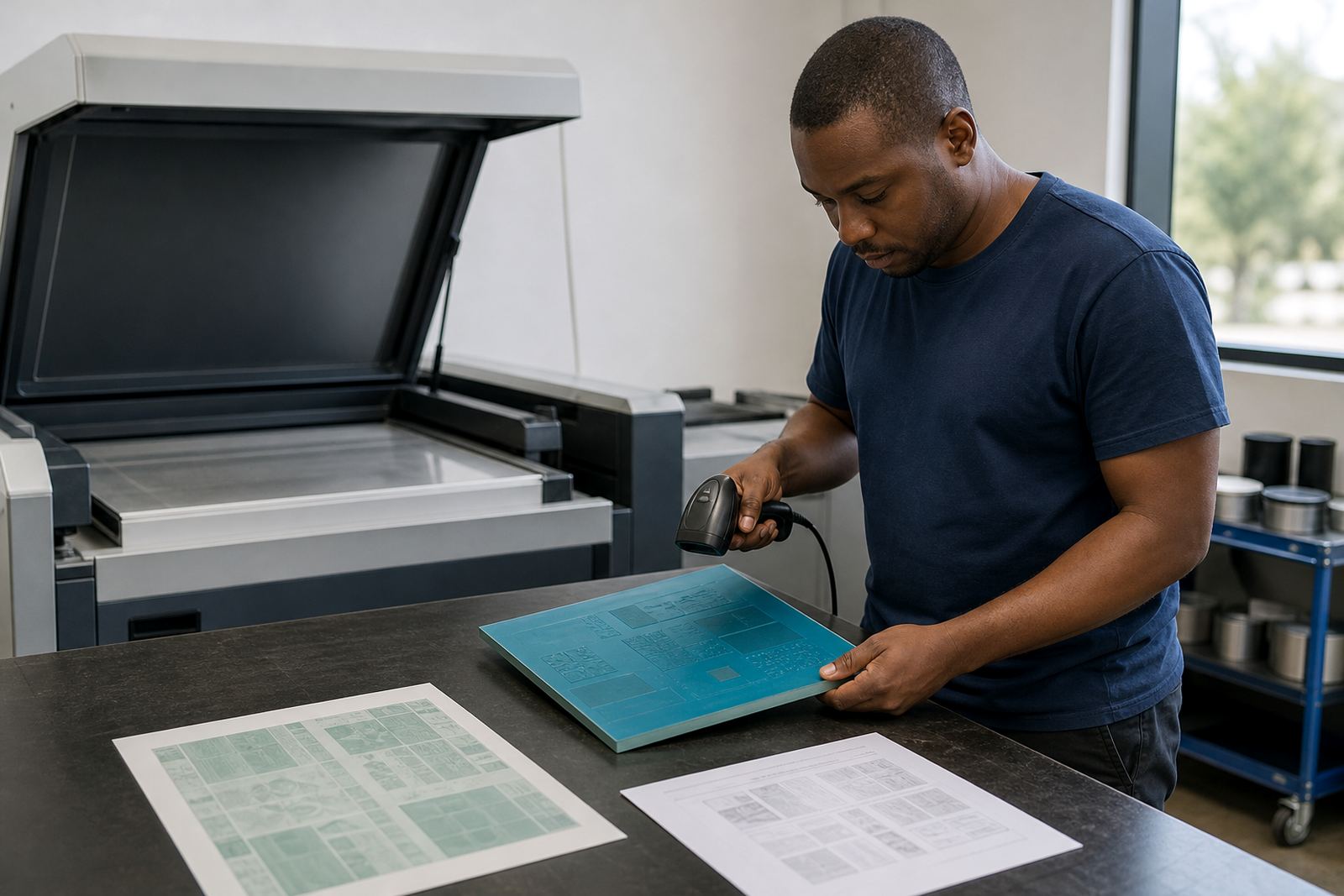
These plates suit simple numeric codes, batch codes, carton markings, retail labels and other variable print areas where a code must sit neatly beside text and artwork. They are made as photopolymer plates and then checked for artwork fit, file quality and placement before dispatch. For printers handling packaging and labels, this helps reduce rework on press and lowers the risk of a code printing too heavy, too light or with broken edges.
Barcode plates are often ordered for work that needs repeat accuracy on a range of substrates, from paper labels to films and light cartonboard. If the pressroom is busy, the plate has to behave the same way from job to job, even when the weather shifts or the stock changes. That is where proper plate-making and prepress checks matter most.
Sizes, thicknesses and layout options
We prepare barcode plates to suit the job size and press setup supplied by the printer. Common plate thickness choices are 1.14 mm, 1.70 mm, 2.28 mm and 2.84 mm, depending on the print requirement, ink behaviour and the amount of relief needed. Smaller label work may need a finer plate build, while packaging jobs often need more body and handling strength.
Barcode areas can be placed as a single code, multiple codes on one repeat, or a mixed layout with text and product information. If the barcode sits close to rules, fine type or registration marks, the layout should be checked carefully before output. We also handle plate trimming and plate labelling so the correct plate reaches the correct station on press.
Plate size is normally determined by repeat length, cylinder width and the number of positions on the job. In practice, that means checking the artwork size, the imposition plan and the final trim allowance. If the code is small, the artwork must be clean and the line weight needs to be suitable for the plate and substrate. If the code is large, the plate still needs even relief to avoid heavy print at the edges.
Where barcode plates suit best
Barcode plates are used most often by label printers, carton printers and converters who need scannable codes on retail and logistics packs. They suit food packaging, warehouse labels, chemical labels, industrial cartons, export packs and internal traceability marks. If a code is printed on a surface that may be handled often, stored in humid conditions or moved through dispatch, the plate has to reproduce the code clearly from the first sheet to the last.
For Gauteng printers, load-shedding and stop-start press schedules can add pressure to every job. A barcode plate that is accurately made and clearly identified helps the press team get back on track after a pause without confusion. In coastal areas such as Durban or Gqeberha, humidity can also affect stock handling and mounting behaviour, so the plate and backing materials need to be managed with care.
Barcode plates are also useful where municipal or retail requirements demand legible product identification and batch tracing. The cleaner the artwork and the better the prepress information, the more reliable the final code will be. That includes checking whether the barcode is intended for carton outer packs, shelf-ready packs or individual labels, because the size and print contrast can differ quite a bit.
Installation and pressroom requirements
These plates do not need gas or a special utility connection. They are supplied ready for mounting and press installation. What matters is clean handling, correct cylinder or sleeve mounting and the right ink and anilox setup for the job. The pressroom should keep plates flat, dry and away from heat, direct sun and sharp edges that can mark the surface.
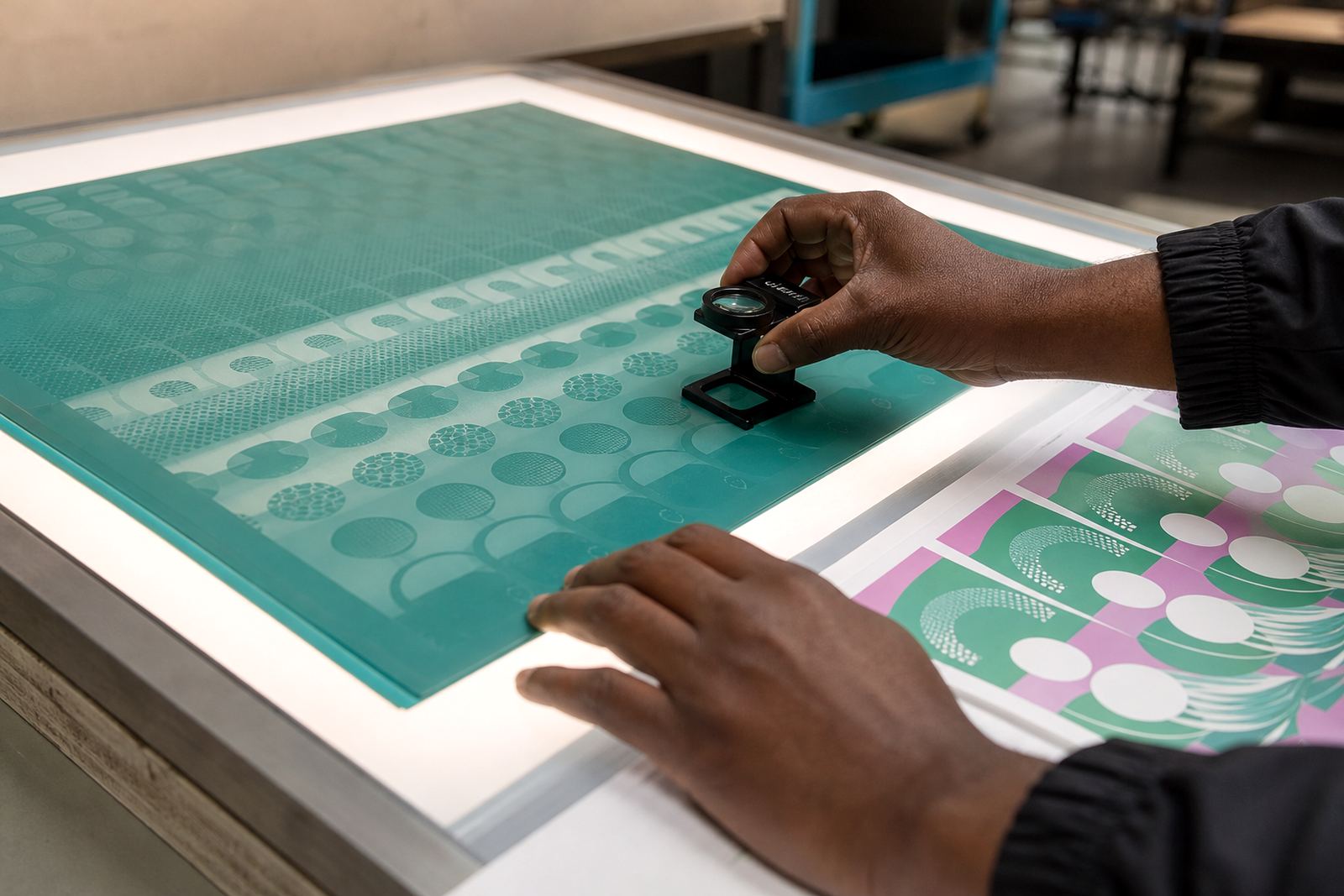
When fitting barcode plates, the mounting position must be checked against the proof and the approved layout. A small misalignment can affect scan quality, especially where the bars are narrow or the quiet zones are tight. If the press uses repeat sleeves or other mounting systems, the mounting specialist should confirm that the plate sits square and free from lift.
There is no power or gas requirement for the plate itself, but good press control still matters. Ink density, impression pressure, substrate tension and drying conditions can all affect the code. On packaging jobs, especially in hotter inland areas, press crews often need to watch for stock movement and the effect of ambient conditions on laydown. Careful setup saves time later.
How to care for barcode plates
Barcode plates last longer when they are handled properly from dispatch to storage. Keep them in their labelling sleeves or flat storage, away from dust, solvent spills and direct sunlight. If a plate is to be reused or remade, mark it clearly so it does not get mixed with a similar job. Clean hands or gloves are a simple but important habit, because fingerprints and grit can affect the surface and the mounting tape.
After press, plates should be inspected for wear, scoring or damage around the code area. A barcode can fail not because the image is wrong, but because the plate has picked up a nick or the mounting has shifted. If the job is likely to repeat, keep the approved file and a note of the exact plate detail so the remake is straightforward.
For printers moving work between Johannesburg, Pretoria, Durban, Cape Town and Gqeberha, proper dispatch packing matters too. Plates should be packed flat, labelled correctly and protected from bending in transit. If a job is urgent, collection coordination can help get the right plates to the right place without confusion.
What to check before you order
Before ordering barcode plates, send the final artwork, the barcode size, the intended substrate and any print standard or scan target you are working to. We recommend checking whether the code is static or variable, where it sits on the repeat and whether there are nearby rules, copy or image details that may crowd the quiet zones. If the code will be printed on a shiny film or a rough carton, that should be noted as well.
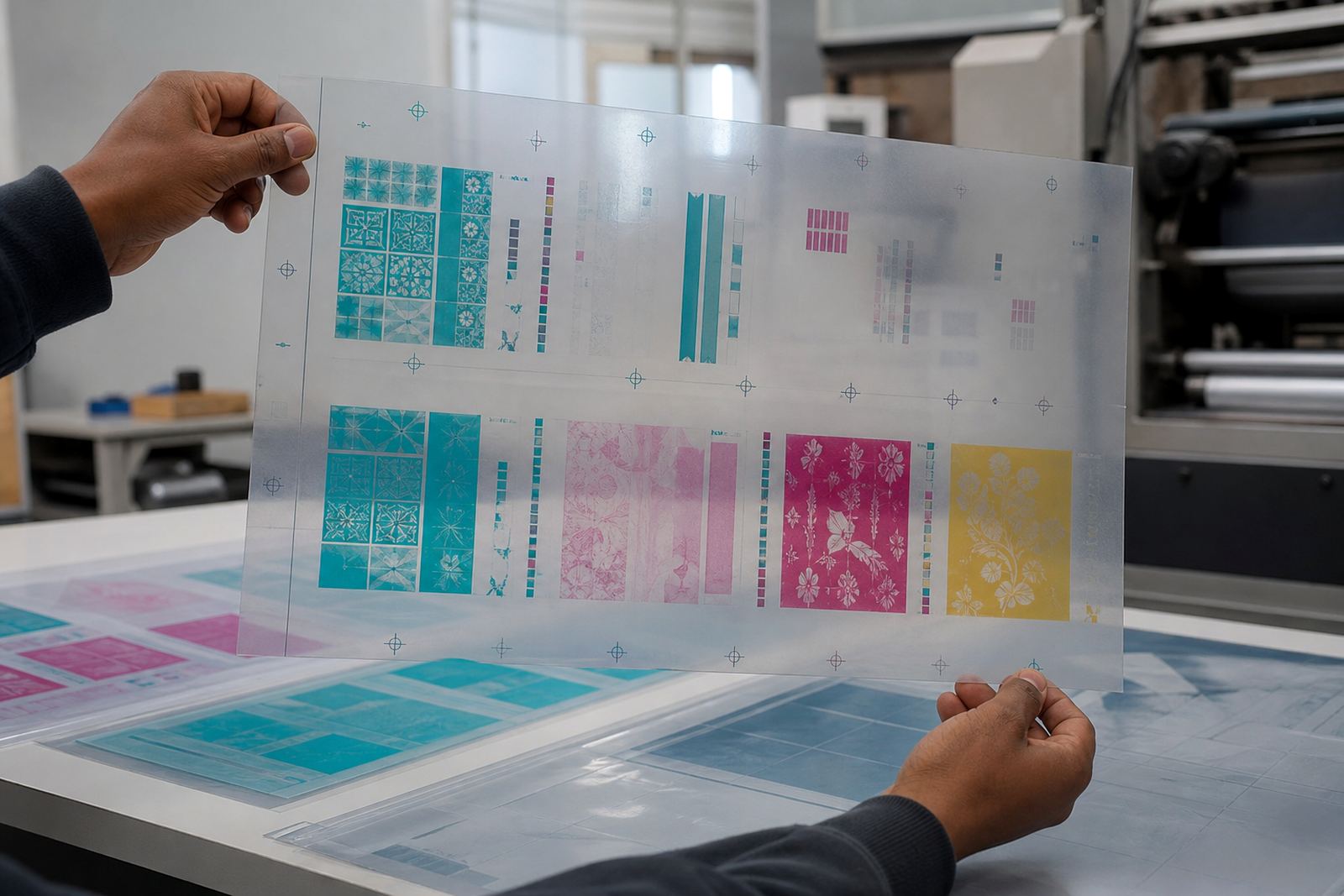
The most useful information is often practical rather than fancy. Confirm the plate thickness, the press width, repeat length, trim allowance and mounting method. If the job has been revised, say so clearly. A small change in the barcode number or position can affect the plate layout. We can support artwork preflight, file checking, imposition planning, screening support, proof comparison and technical job advice before the plate is made.
For printers in Midrand and surrounding industrial areas, our team can help with collection or courier dispatch. Sibusiso Mthembu leads the business, with Ayesha Naidoo, Pieter van Wyk, Lerato Molefe, Morne Jacobs and Zinhle Dlamini handling production, prepress, client service, mounting and logistics. Clients reach us through the enquiry form on our contact page, and we keep the order process straightforward from first check to final packing.
Key facts
| Product type | Flexo photopolymer barcode plates |
|---|---|
| Common thicknesses | 1.14 mm, 1.70 mm, 2.28 mm, 2.84 mm |
| Suitable uses | Labels, cartons, sleeves, traceability marks |
| Finish | Clean bar edges with controlled relief |
| Supply area | Midrand with courier delivery across South Africa |
| Support services | Artwork preflight, file checking, imposition, remake support |