
Fine Text Plates for small type and tight detail
Fine text work asks a lot from a plate. When copy drops to small point sizes, the plate has to hold thin strokes, preserve counters, and keep rule lines clean so the final print remains clear on carton, film, paper, or self-adhesive label stock. Fine Text Plates are produced for that kind of work, where legibility matters as much as ink transfer.
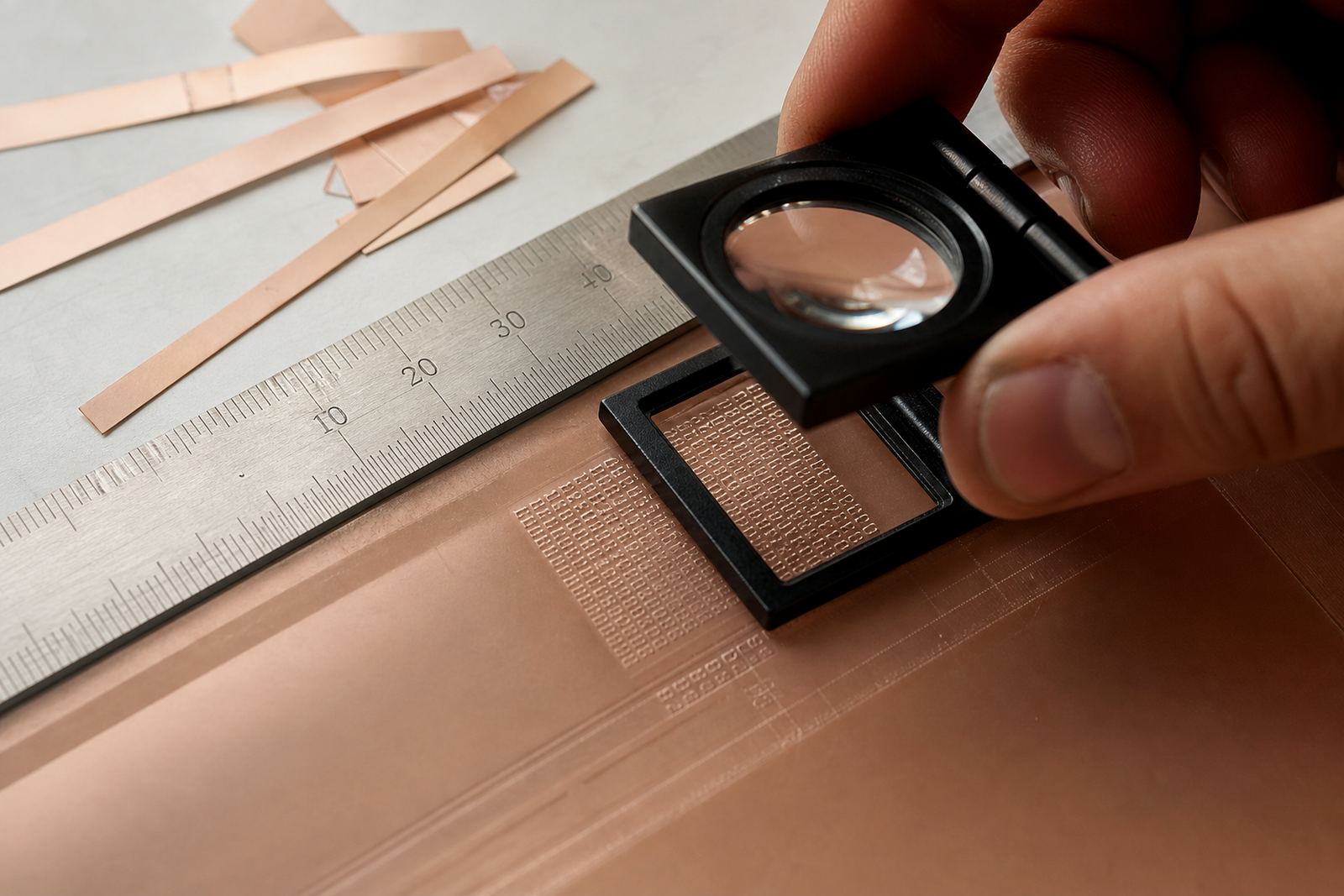
These plates suit ingredient panels, directions, product codes, bar-code surrounds, legal text, batch fields and other line-heavy artwork. On packaging jobs, the difference often shows up in the last 1 mm of detail. If the plate is not set up correctly, you can lose sharpness in the smallest text or see fill-in on hairline rules. We make plates with that in mind, checking the file structure and the intended press conditions before anything goes to production.
What the plate is made for
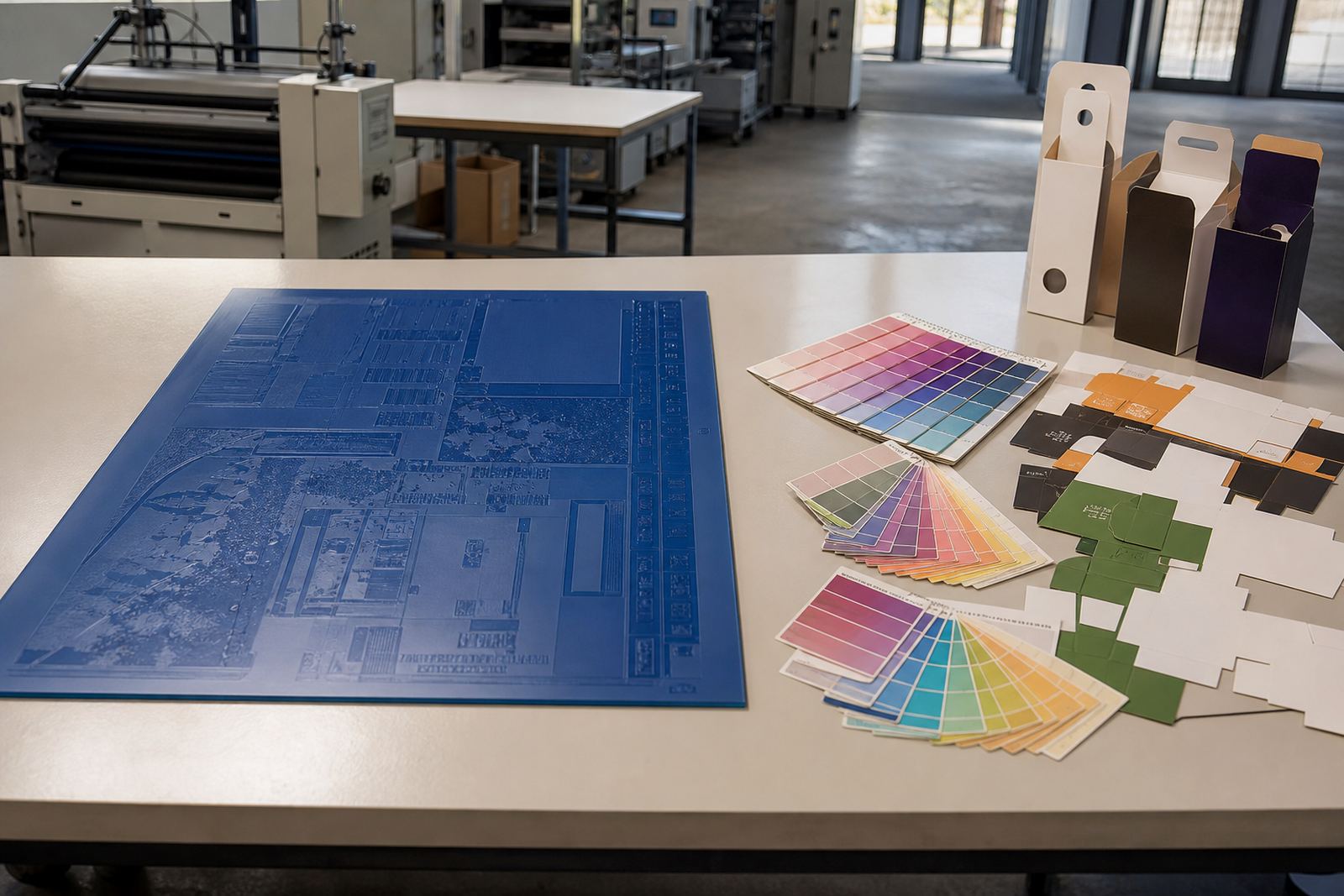
Fine Text Plates are photopolymer plates used on flexo presses for print jobs that need crisp reproduction at smaller sizes. The plate image area is processed to carry fine detail without breaking up, while the base thickness and relief depth are chosen to suit the press, substrate and ink system. That helps the printer keep type readable across short runs, repeat orders and more demanding packaging work.
We handle plate making for label and packaging printers in Johannesburg, Pretoria, Durban, Cape Town, Gqeberha, Midrand, East Rand and West Rand. Work is prepared from print-ready files where possible, and we can help with artwork preflight, file checking, imposition planning and proof comparison when you need a second set of eyes. If a job has fine reverse type, small positive text or narrow rules, it is better to check the file before plate output rather than after the press has started.
- Suitable for labels, sleeves, cartons and other packaging formats
- Useful for small copy, batch data, ingredient lists and warning text
- Can be set up for repeat work, remakes and corrections
Sizes, options and plate build
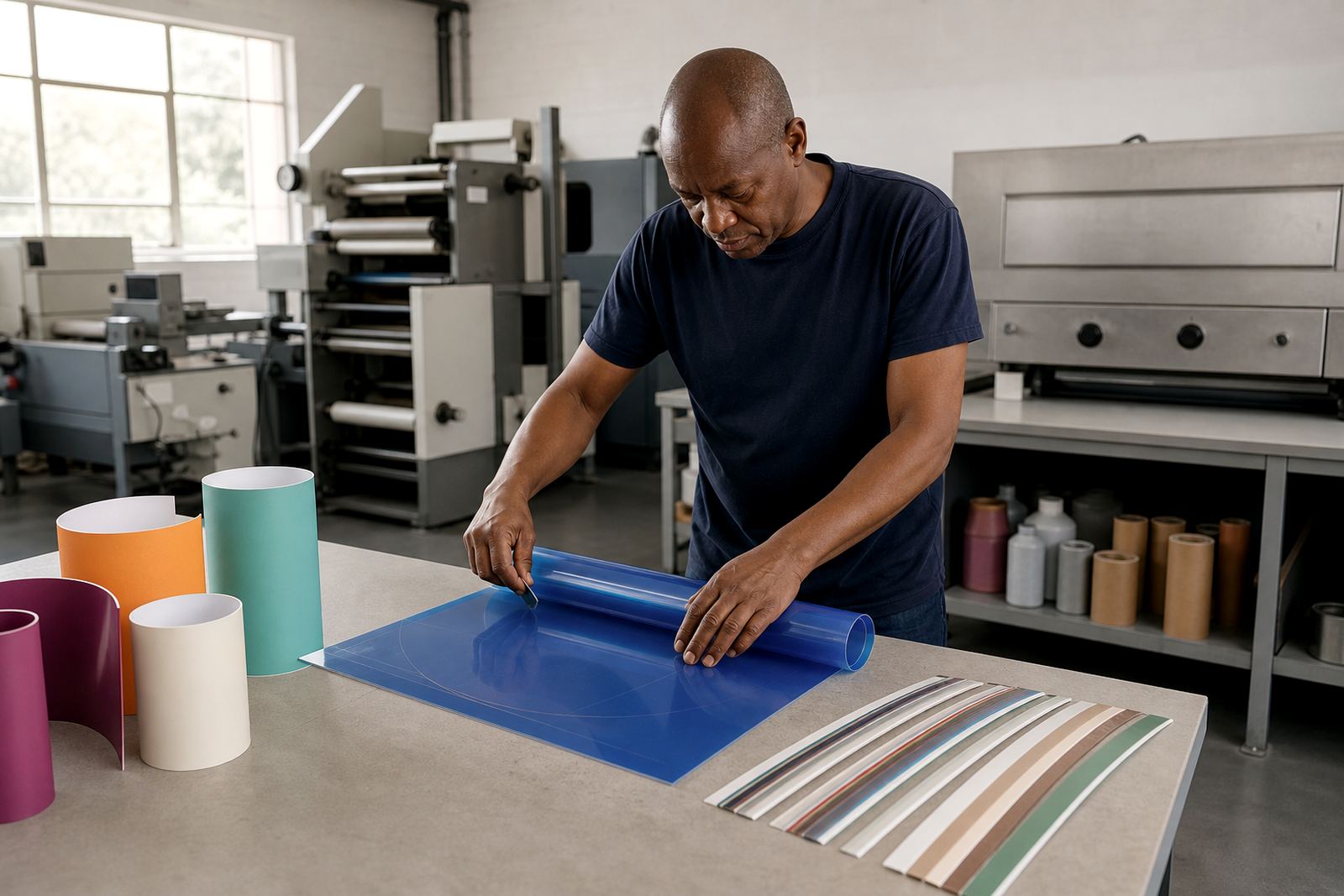
Plate size is usually determined by the repeat length, cylinder or sleeve set-up, and the layout of the artwork. We can supply single plates or matched sets, trimmed and labelled for press-room handling. Where needed, we also prepare multiple versions for versioned artwork, language changes or product line splits. For jobs with tight register, it helps to keep the plate set-up simple and consistent across repeats.
Options depend on the job. Some printers need a softer plate feel for a particular stock, while others want a firmer surface for sharper fine text and cleaner line work. We also support screening requirements where the artwork needs smoother tonal areas around fine copy. A good plate specification should match the artwork, the ink, the anilox or image transfer setup, and the substrate. If one of those changes, the result can shift too.
- Standard and custom plate sizes available on request
- Plate trimming and labelling can be done for press-line sorting
- Imposition planning helps reduce handling errors on multi-up forms
Pressroom conditions and installation needs
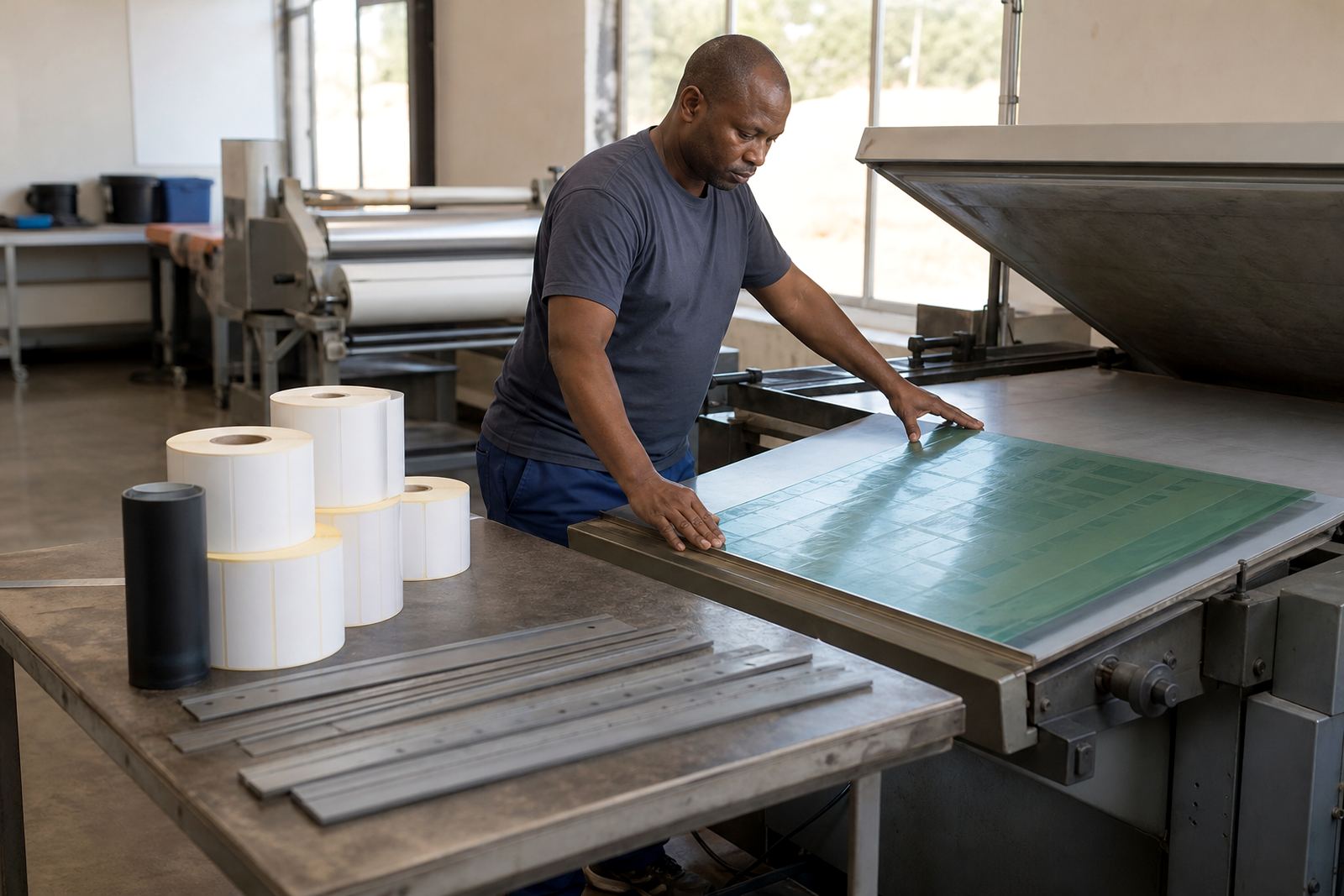
Fine text printing is sensitive to setup. The plate should sit flat, mount cleanly, and be handled with care during installation so the smallest features do not pick up damage or distortion. Press crews should avoid bending, edge knocks and dirty mounting surfaces. When plates are mounted incorrectly, small type can blur or show uneven pressure across the sheet. That is especially noticeable on packaging with narrow type blocks or repeated codes.
No gas supply is needed for the plate itself. Power requirements are limited to the normal prepress and finishing equipment used in plate production and dispatch packing. In many South African print rooms, stable power planning still matters because load-shedding can interrupt workflow, so it helps to keep plate orders and remake requests organised early. For coastal sites, humidity control is worth checking too, since moisture can affect storage and handling if plates are left exposed for too long. Keep plates flat, away from direct sun and heat, and do not store them near solvent or cleaning vapours.
Care, storage and servicing after delivery
Once fine text plates are on site, care is straightforward but important. Store them flat in a clean dry area, ideally in the same order they will be used on press. Keep protective packing in place until just before mounting, and avoid stacking heavy items on top. If plates are being reused, check for nicks, compression marks or contamination on the surface before they go back into the line. A damaged edge can show up very quickly on small type.
We offer remake support, technical job advice and collection coordination when a plate needs to be corrected or replaced. If a job has changed after approval, send the updated file and we can advise on the safest route before production starts again. Care on the press side matters just as much as plate making, so a clean mounting routine and careful wipe-downs will help keep the fine details consistent from run to run.
- Keep plates flat, dry and protected from dust
- Check for edge damage before every mount
- Use clean handling on press to avoid marking small type
What to check before you order
To keep the job moving, have the final artwork ready and confirm the repeat size, substrate type and press format. If the plate is for labels, include the label roll direction and any special registration marks. For packaging, note whether the job uses side lay, top feed or another press arrangement. The more accurate the brief, the less back-and-forth is needed and the cleaner the plate setup will be.
Please also check the following before you send through an enquiry. Small items are often where delays creep in, so it helps to confirm them early.
- Final text size, line weights and any reverse type
- Artwork version, language changes and quantity needed
- Repeat length, trim size and finishing allowance
- Substrate type, ink system and press format
- Any special screening, proof comparison or remake history
Clients usually reach us through the enquiry form on our contact page, and we can assist from our Midrand base with courier delivery across South Africa, including Johannesburg, Pretoria, Durban, Cape Town and Gqeberha. If the job is urgent or time-sensitive, share the detail early so we can plan plate making, packing and dispatch properly.
Who handles your fine text plate work
Flexo Printer Plates is led from Midrand by Sibusiso Mthembu, with Ayesha Naidoo managing production, Pieter van Wyk handling prepress checks, Lerato Molefe looking after client services, Morne Jacobs managing plate mounting, and Zinhle Dlamini coordinating logistics. That matters on fine text work because the small details are often decided before the plate reaches the press. Clear communication at the start saves time later.
We support plate making, artwork preflight, file checking, imposition planning, screening support, proof comparison, plate trimming, plate labelling, remake support, dispatch packing, collection coordination and technical job advice. For label and packaging printers, that means one point of contact for the plate work and practical support when a file is not quite ready. If you need a fine text plate that is set up for clean reproduction and proper handling, we can help with the full workflow from file to dispatch.
Key facts
| Product type | Flexo photopolymer plate for fine text and line detail |
|---|---|
| Best use | Labels, cartons, sleeves and other packaging with small type |
| Available formats | Single plates, matched sets and custom repeat sizes |
| Support services | Artwork preflight, file checking, proof comparison and remake support |
| Delivery area | Courier delivery across South Africa from Midrand, Gauteng |
| Handling notes | Store flat, keep dry, avoid heat, dust and pressure marks |