
What Thick Packaging Plates Are Built For
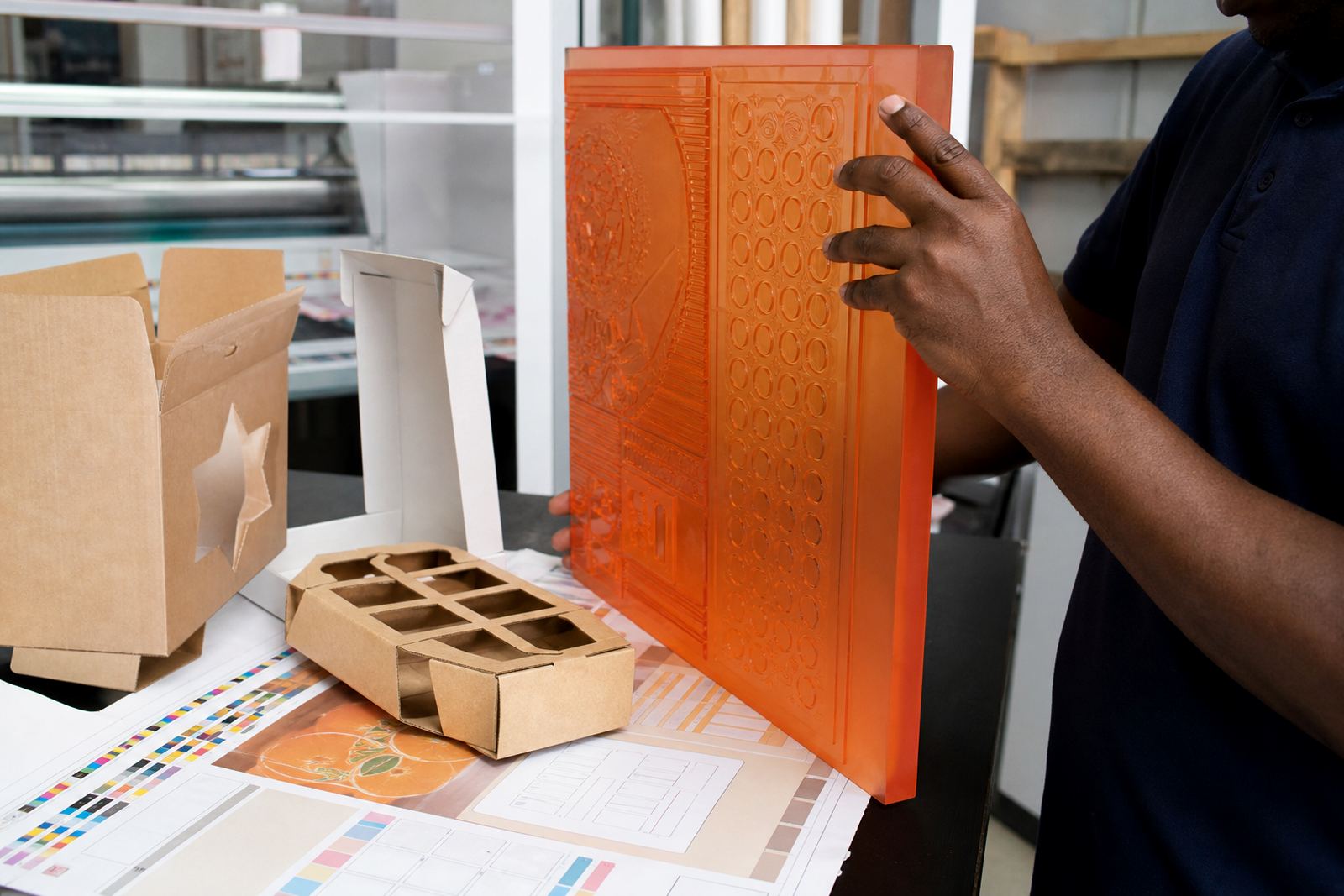
Thick packaging plates are photopolymer plates made for flexo work where the print conditions ask a bit more from the plate. They are used when the printer needs stronger plate support for corrugated board, cartons, sacks, heavy label work, or packaging lines that run with more pressure and longer duty cycles. The extra plate thickness helps the image stay stable during mounting and printing, especially when the job has deeper solids, fine reverses, or repeated impressions.
In practical terms, this product suits printers who want a plate that can handle tougher set ups without feeling delicate on press. It is not about making the plate harder for the sake of it, but giving the image area better structure so it carries through the run with less distortion. That can matter on busy lines where load-shedding, stop-start production and fast changeovers already put pressure on the workflow.
We make flexo photopolymer plates for packaging and label printers in Midrand and supply courier delivery across South Africa, including Johannesburg, Pretoria, Durban, Cape Town and Gqeberha. Orders are handled through the enquiry form on our contact page, with support from our production and logistics team when you need plate advice or collection coordination.
Sizes, Thicknesses and Surface Options
Thick plates are supplied in practical production sizes to suit common packaging formats. The exact choice depends on the cylinder, mounting tape build, image height and press setup. We work to the file and the job requirements, so the plate thickness and relief depth are matched to the printing need rather than treated as a one-size-fits-all item.
- Plate thickness options typically suit thicker packaging applications and can be matched to the required mounting build
- Available as single plates or repeat sets for repeat orders and ongoing production work
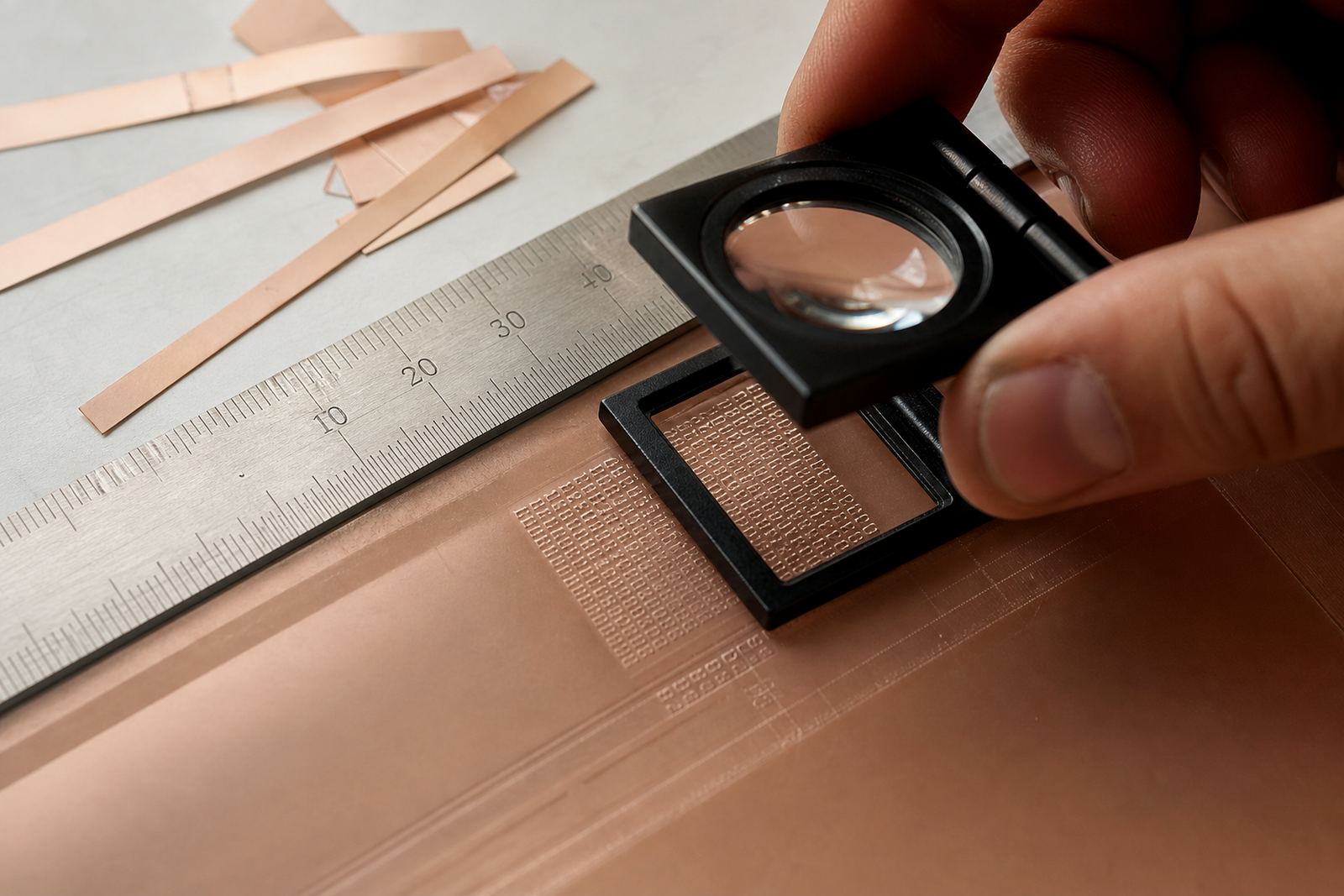
- Suitable for line work, solids, text, barcodes, fine detail and mixed artwork layouts
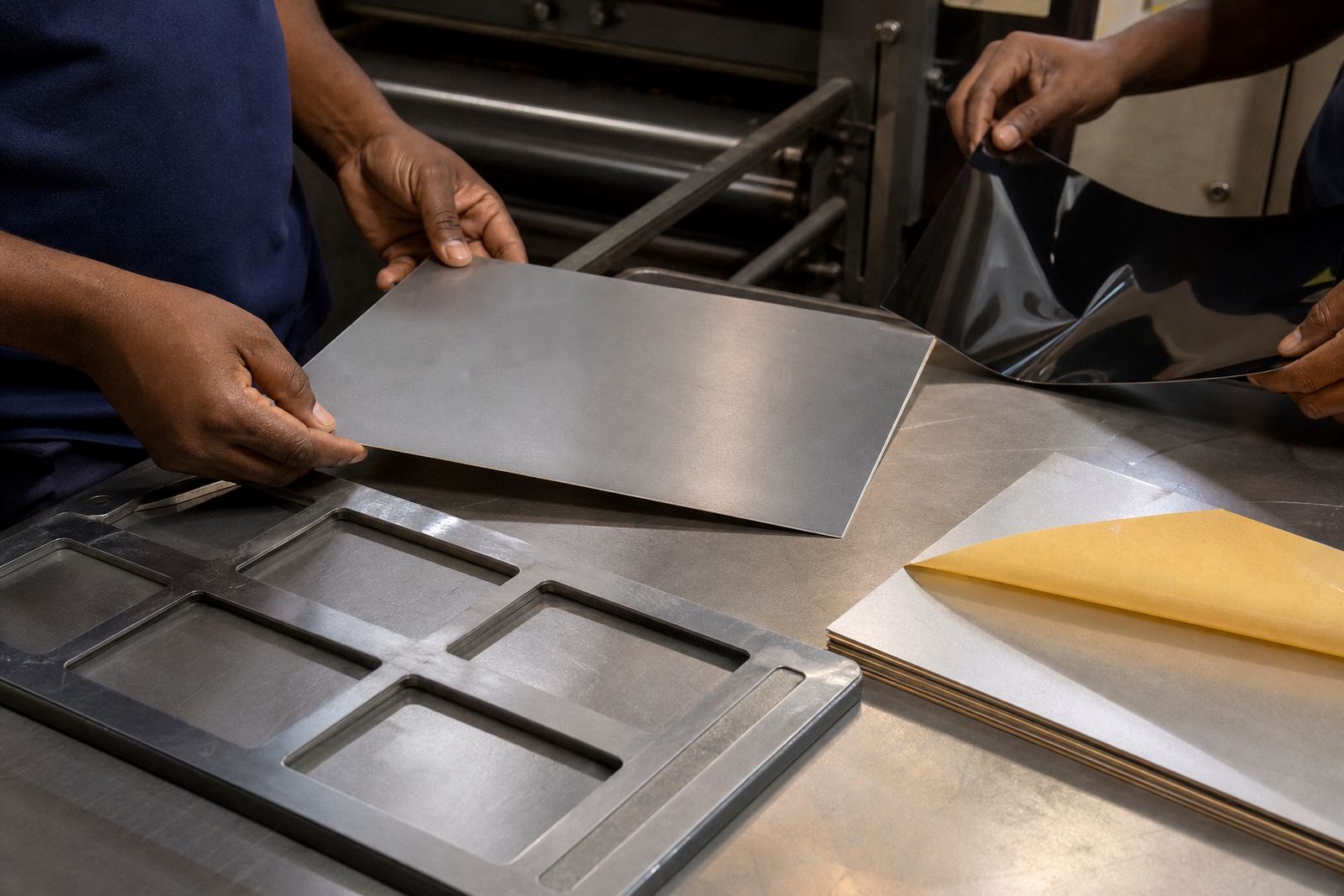
- Can be supplied trimmed and labelled for easier identification on press
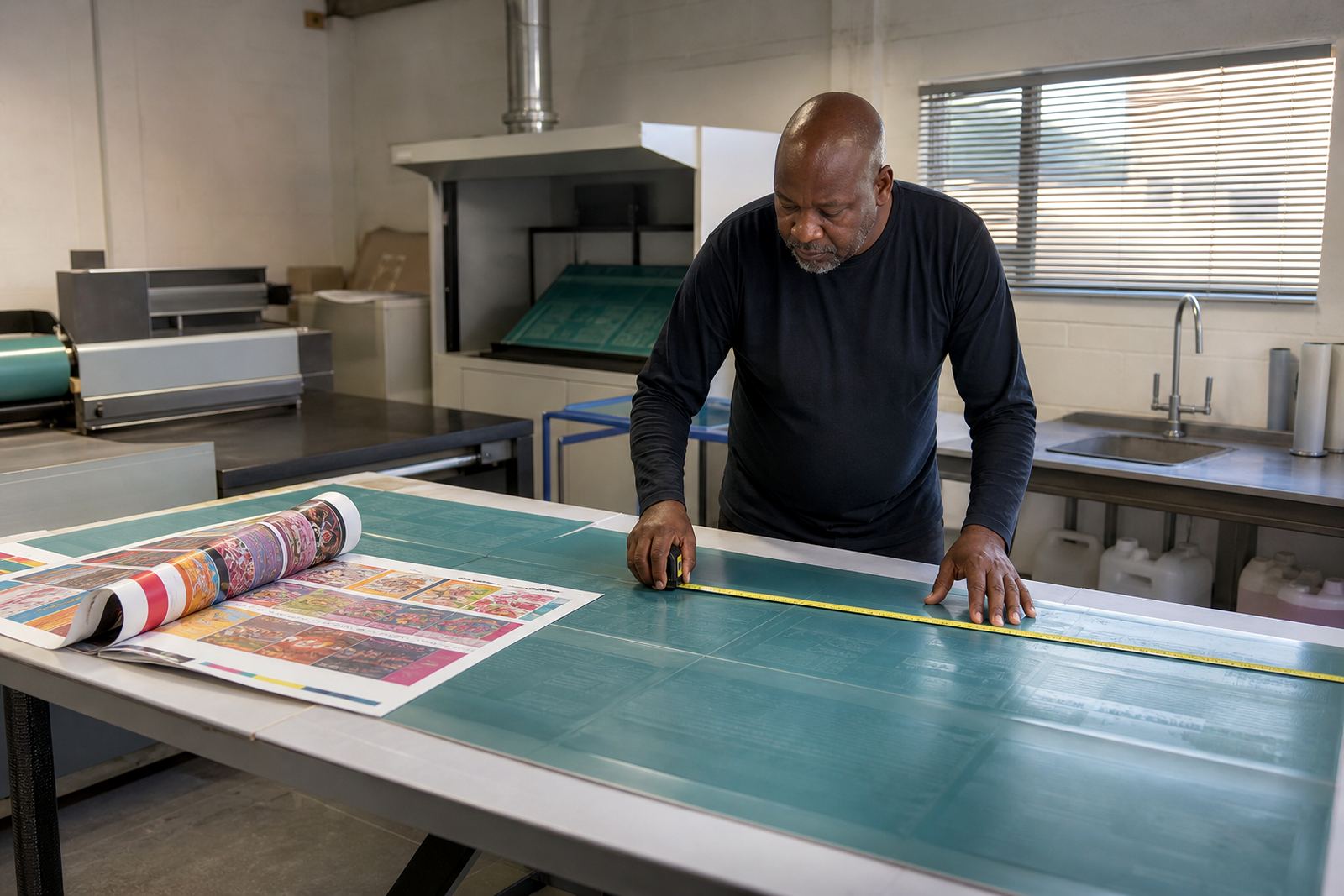
For many packaging printers, the key is not just the size of the plate but how it fits into the full build: backing tape, mount height, repeat length and substrate. A 1 mm error in setup can become a visible issue on press, so plate size and trim need to be checked carefully before production. We also help with imposition planning and proof comparison where the job needs it.
Where Thick Plates Work Best on Press
Thick packaging plates are well suited to printers working on corrugated cartons, folding cartons, paper-based wraps, industrial labels and other packaging jobs where the substrate can flex or absorb unevenly. They are also useful where the press needs firmer plate support to maintain even ink transfer across the run.
These plates are a sensible option for work that must stay readable under handling, stacking and transport. If the product will move through wet coastal air in Durban or face temperature shifts between Gauteng and the coast, stable plate performance matters. In packaging, the job may be judged not just on the first sheet but on how it holds up after thousands of impressions and a few interruptions on the line.
- Packaging printers running corrugated or board-based jobs
- Label producers needing stronger plate body for more demanding runs
- Plants dealing with frequent changeovers and mixed artwork files
- Operations that need predictable plate mounting and repeatability
Press Setup, Installation and Utility Needs
Thick plates themselves do not need power or gas, but the full plate-making and printing environment usually does. In a clean production area, the plate-making process needs stable electrical supply, reliable ventilation and enough space for handling, washing, drying and finishing. Where load-shedding is common, back-up power planning helps avoid delays in plate processing and dispatch.
For installation on press, the important points are cylinder compatibility, mounting tape selection, impression setting and clean plate handling. Plates should be mounted on a flat, dust-free surface and checked for correct register before the job starts. If the plate is being used on more demanding packaging work, it is worth confirming that the press room can hold the repeat accurately and that the mounting material is suited to the job speed and substrate.
We can give technical job advice on the enquiry form details so the plate arrives ready for the intended press conditions. That includes whether the job needs trim marks, plate labels, special repeats or a remake path if artwork changes at short notice.
Care, Storage and Servicing Between Runs
Thick plates should be handled with clean hands or gloves, kept flat, and stored away from direct sunlight, dust and heat. In humid areas, especially near the coast, plates should not be left exposed after use because moisture and dirt can affect mounting and print quality on the next run. After printing, the plates should be cleaned carefully with approved materials and checked for any lift at the edges, scoring or image wear.
Routine care is simple but important. A plate that is trimmed badly, scratched during handling or stored with pressure points can show problems on the next job. For packaging printers, the cost of a damaged plate is not only the remake, it is also the downtime on the press. We can assist with remake support and plate labelling so older jobs do not get mixed up with new ones.
- Keep plates flat and away from sunlight
- Use clean, dry storage racks or sleeves
- Check edges and trim after each run
- Replace plates that show wear, lift or damage
What To Check When Ordering Thick Plates
When ordering thick packaging plates, the main details to confirm are the artwork size, repeat length, required thickness, substrate type and press setup. If the job includes solids, fine type, screens or barcodes, that should be stated clearly. It also helps to note whether the plate is for a first run, a remake, or a repeat of an existing job. That way the plate can be matched to the current production need and not just the file name.
Please also check whether the job requires artwork preflight, file checking, screening support or proof comparison. Those steps can catch issues before the plate is made, such as missing elements, incorrect bleed, poor image spacing or a repeat that does not suit the cylinder. For busy print shops, that kind of checking saves time and avoids rework. If the order is going to Johannesburg, Pretoria, Durban, Cape Town, Gqeberha, the East Rand or the West Rand, courier packing and collection coordination should also be confirmed early.
Our team in Midrand handles plate making, plate trimming, plate labelling, dispatch packing and technical job advice. Sibusiso Mthembu oversees operations as Managing Director, with support from Ayesha Naidoo, Pieter van Wyk, Lerato Molefe, Morne Jacobs and Zinhle Dlamini across production, prepress and logistics.
Key facts
| Product type | Flexo photopolymer plate for packaging applications |
|---|---|
| Typical use | Label and packaging printing where extra plate support is needed |
| Thickness range | Matched to the job, press build and mounting requirement |
| Finish options | Trimmed, labelled and prepared for mounting on request |
| Support services | Artwork preflight, file checking, imposition planning and remake support |
| Dispatch | Courier delivery across South Africa or collection coordination from Midrand |