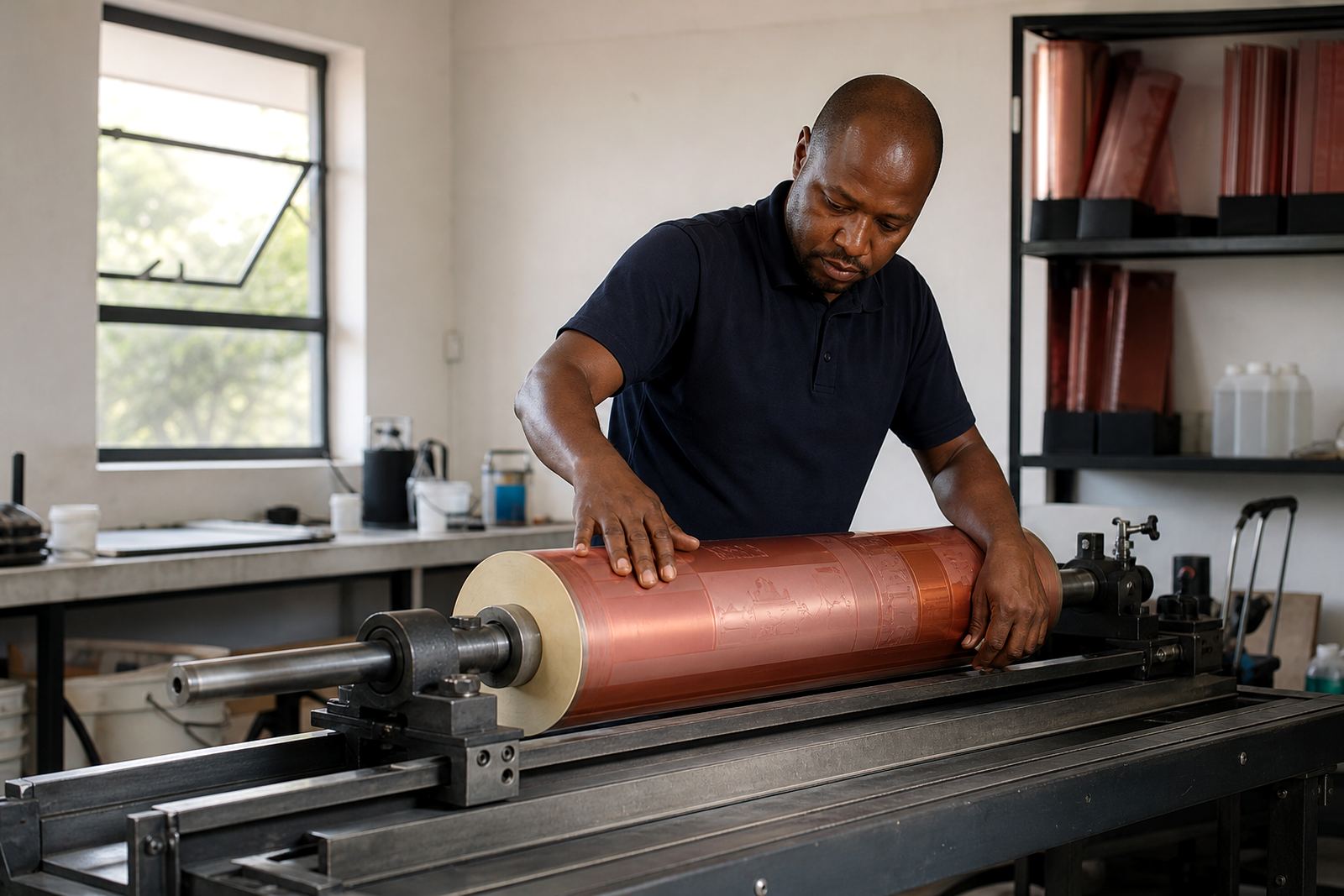
What we need before plate-making starts
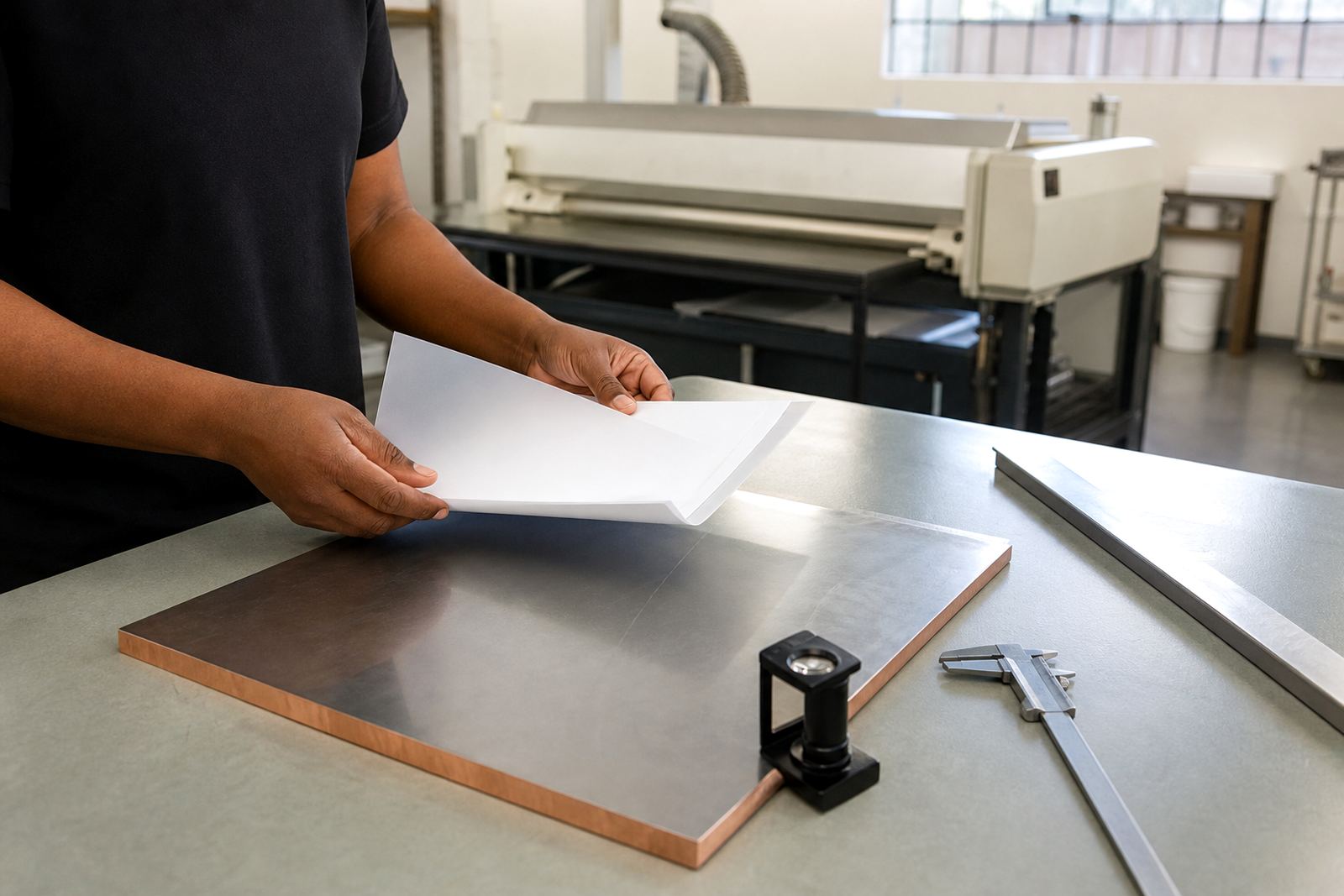
For plate-making, we first need the print-ready artwork and the job details that affect the plate layout. That includes final size, repeat length, substrate, number of colours, and whether the job is for labels or packaging. If you are unsure about any of that, send what you have and we will check the file setup before work begins.
A clean brief helps avoid rework. We often see jobs delayed because the artwork was supplied at the wrong size, fonts were not outlined, or line weights were too fine for the intended print method. A quick file check at the start usually saves time later, especially on short runs and repeat orders.
- Final artwork in the agreed format
- Trim size and repeat information
- Ink count or colour breakdown
- Any special notes for varnish, white or reverses
How artwork checking works on our side
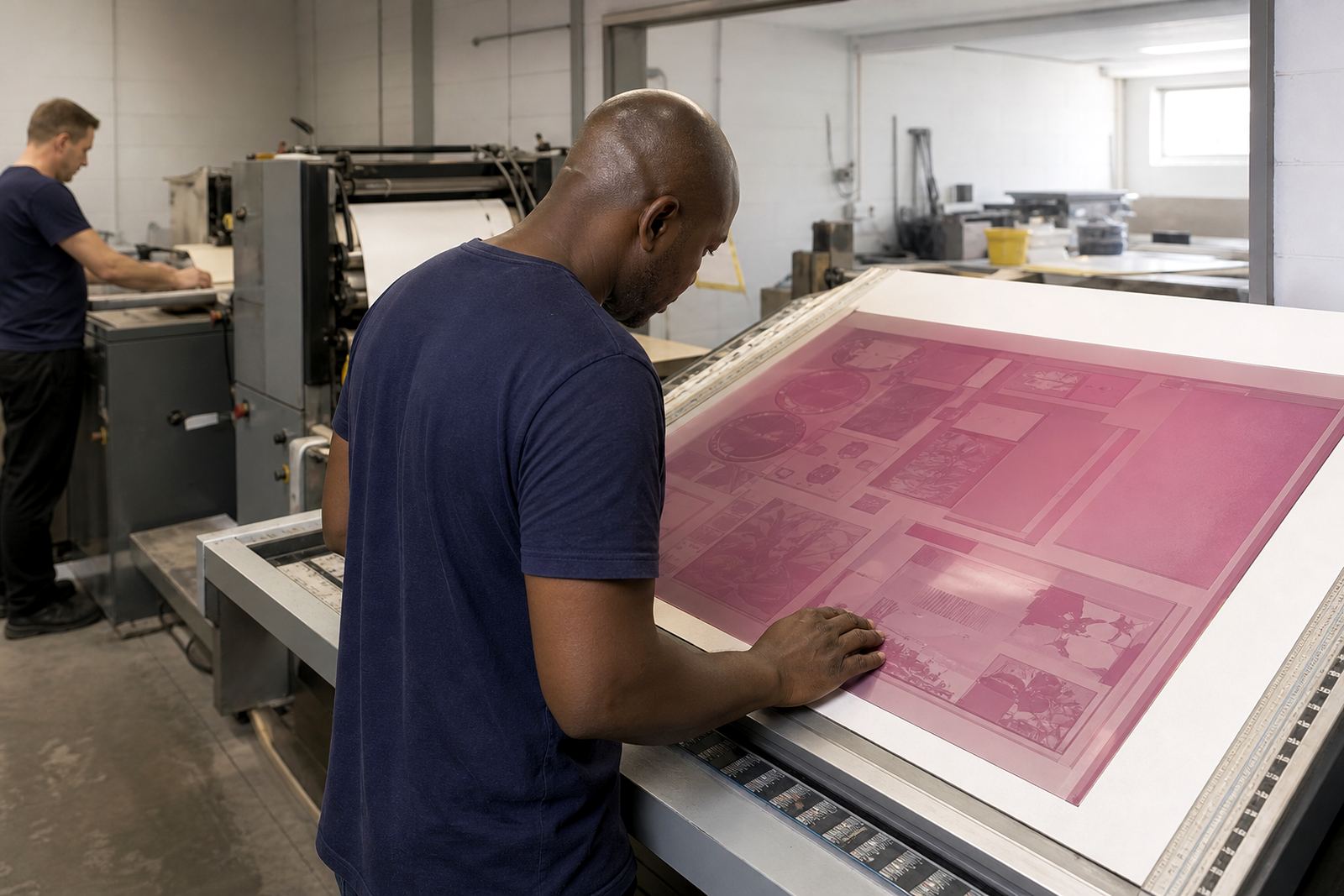
Artwork preflight is a practical step, not a design service. We check the file for the items that matter to plate output, such as image resolution, overprints, trapping, bleed, font handling and hidden elements. If we spot something that may affect the plate, we let you know before production moves ahead.
In many cases, the file is almost ready and only needs a small correction. Sometimes the safest option is to adjust imposition or screening details so the plate suits the press and the substrate better. Our role is to help the job print cleanly and without avoidable surprises.
- Check artwork size against the job spec
- Confirm that text is legible at print size
- Look for missing images or broken links
- Review trapping, bleed and registration points
When to ask for screen and imposition guidance
If you are planning a new pack style, a label with tight tolerances, or a job with multiple repeats, it is worth asking for technical job advice before output starts. Screening support and imposition planning can make a real difference to how the plate performs on press. It also helps when the printer has to fit several versions onto one sheet or cylinder layout.
We can advise on the practical side of the job, including how to group artworks for production and what to check before final approval. That keeps the process organised and reduces back-and-forth between the printer, repro team and client. A little planning upfront can save a lot of missed time later.
What happens after plates are made
Once the plates are completed, we handle trimming, plate labelling, dispatch packing and collection coordination. Each job is labelled clearly so it is easier to match the plate set to the correct artwork, colour order and press setup. For customers with multiple jobs on the go, this is especially important.
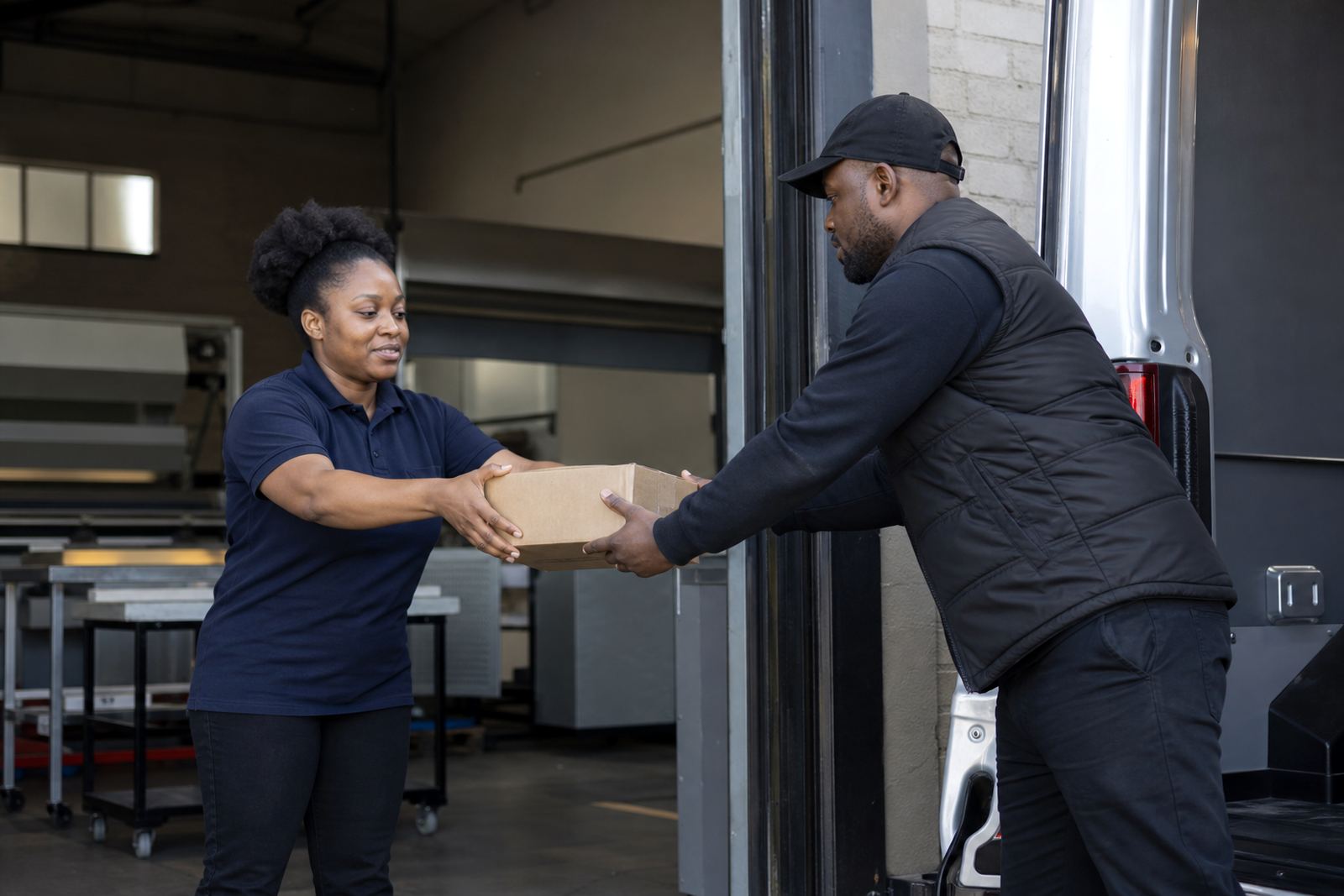
We pack for courier delivery or collection, depending on what suits the schedule. The aim is to protect the plates in transit and make sure the right job reaches the right printer. If a plate needs remaking, we can trace the original details and keep the replacement aligned with the previous set.
- Plate trimming for clean handling
- Clear labelling by job and colour
- Protected packing for courier movement
- Collection coordination where needed
Delivery across South Africa from Midrand
We are based in Midrand, Gauteng and courier plates across South Africa, including Johannesburg, Pretoria, Durban, Cape Town and Gqeberha. We also handle deliveries into the East Rand and West Rand for printers who need quick access to the plate room. For many customers, courier delivery is the simplest way to keep jobs moving without sending staff across town.
If your press schedule is tight, let us know the site, receiving hours and any access requirements. That is useful for industrial parks, shared loading bays and sites with restricted security entry. Courier delivery is practical, but it still needs a clean handover plan so the plates arrive on time and in good condition, no fuss.
How to plan a remake or repeat job
Repeat work is easier when the old job notes are still close at hand. If you are reordering plates, include the previous job reference, any changes to artwork, and whether the press setup has stayed the same. Even small changes in size or screening can alter the plate result, so it is best to mention them early.
For remakes, please tell us what happened to the previous set and whether the issue was with artwork, handling or wear in service. That helps us decide whether to match the old plate exactly or adjust the file before output. The more detail you give us, the less time is spent guessing.