Advice Before the Plates Are Cut
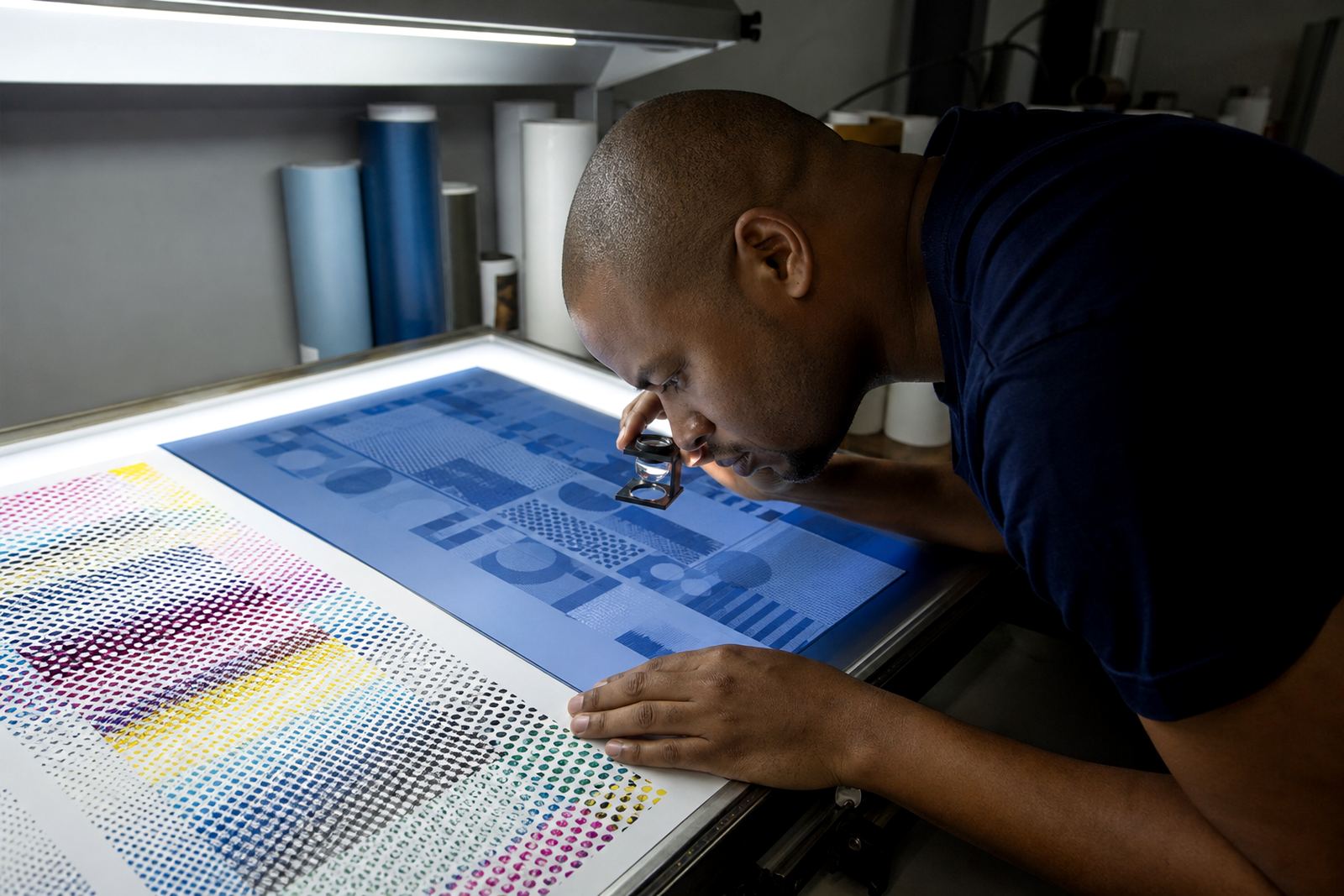
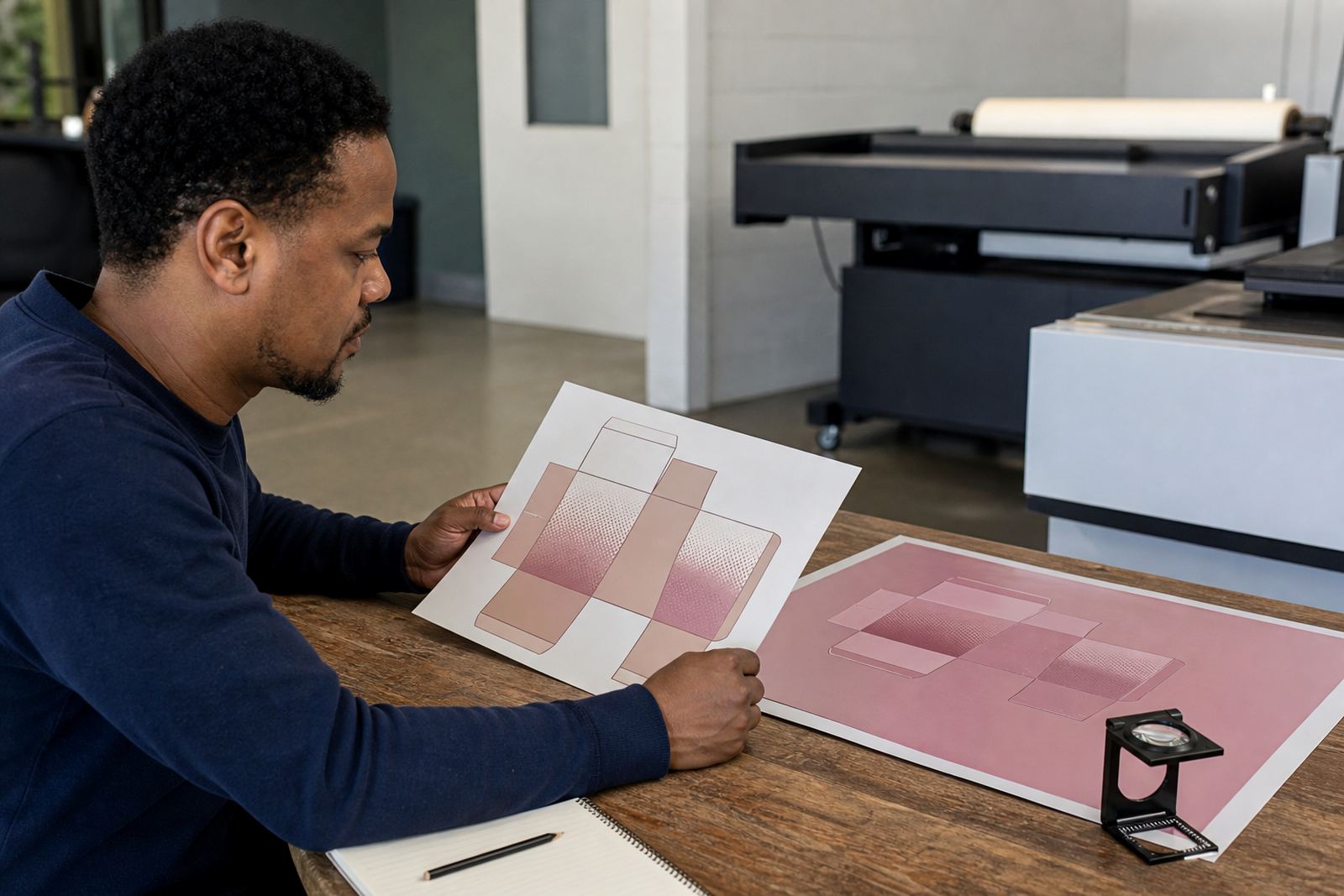
Technical job advice is for printers who want to confirm the right plate specification before production starts. It is useful when the job has fine text, solid areas, reverse type, screens, varnish areas or a substrate that behaves differently under pressure. We look at the artwork, the intended print run and the final application, then give clear guidance on what the plate should do on press.
From our Midrand base, we support label and packaging printers across Gauteng and beyond, with courier delivery to Johannesburg, Pretoria, Durban, Cape Town and Gqeberha. The aim is simple: help you make the right call early, so the plates suit the job and the pressroom is not left guessing later.
- Advice for labels, cartons, sleeves and flexible packaging
- Guidance on halftones, solids, fine lines and small reversed text
- Input on substrate behaviour, ink transfer and impression pressure
- Support for both short runs and repeat work
What We Review in a Job Discussion
Every job starts with the practical details. We look at artwork resolution, image depth, line weights, tone values, knockouts, overprints and any elements that are likely to be sensitive on press. We also consider the web width, repeat length, number of colours and whether the job needs a single plate set or a repeat order against existing plate records.
Job advice also covers the intended use of the printed product. A label that must hold fine detail on coated stock needs different thinking from a packaging job running on a more absorbent board or film. If the application includes food packaging, outer sleeves or products used in humid coastal conditions, those factors matter too.
- Artwork file condition and image clarity
- Substrate type, including film, paper and board
- Press width, repeat and cylinder requirements
- Expected ink laydown, solids and fine detail retention
How the Technical Check Is Handled
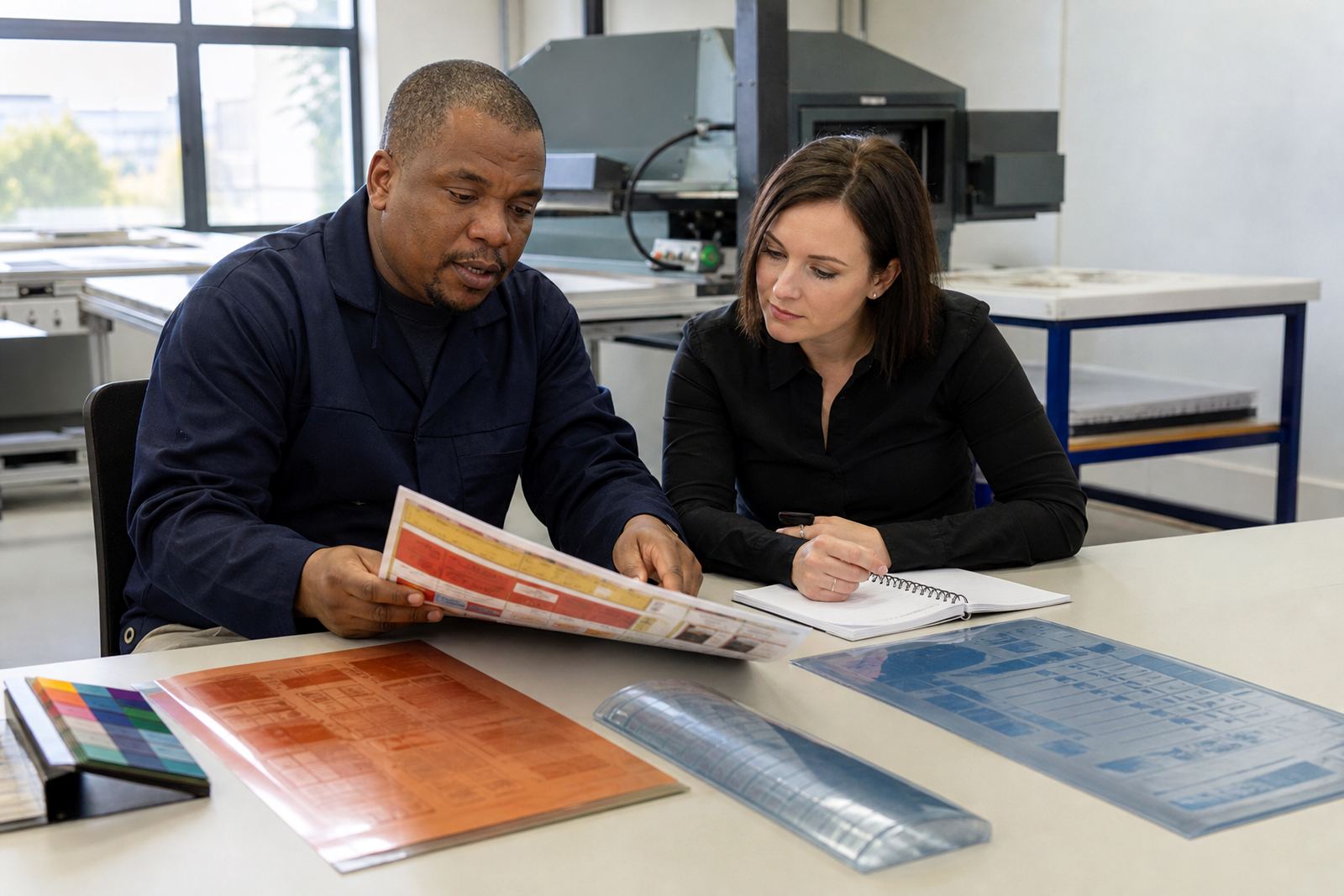
Once we receive the job details through the enquiry form on our contact page, we review the files and the print requirements with the production team. Pieter van Wyk handles prepress checks, while Ayesha Naidoo manages the production view of the job so the advice is practical and ready for the pressroom. If needed, Morne Jacobs can advise on mounting considerations and how the plate will behave once fitted.
The process is straightforward and suited to busy print schedules.
- Step 1: Review the job brief, artwork and intended application
- Step 2: Check for image issues, technical risks and plate suitability
- Step 3: Confirm any adjustments to screening, trapping or plate handling
- Step 4: Prepare the plate work and dispatch plan once the job is approved
When a job is urgent, the most helpful thing is complete information upfront. That includes file version, substrate details, press format and whether the job is a fresh make or a remake. Clear information helps reduce back-and-forth and keeps the order moving.
Plate Specifications That Matter on Press
Technical advice is only useful when it relates to the real plate spec. We work with photopolymer plates for flexo label and packaging work, and the advice is shaped around practical print conditions. The right choice depends on image content, solid coverage, fine detail and how the press is set up. If the plate is too soft for the job, small type can lose clarity. If it is too hard for the application, you can get uneven transfer or poor ink control.
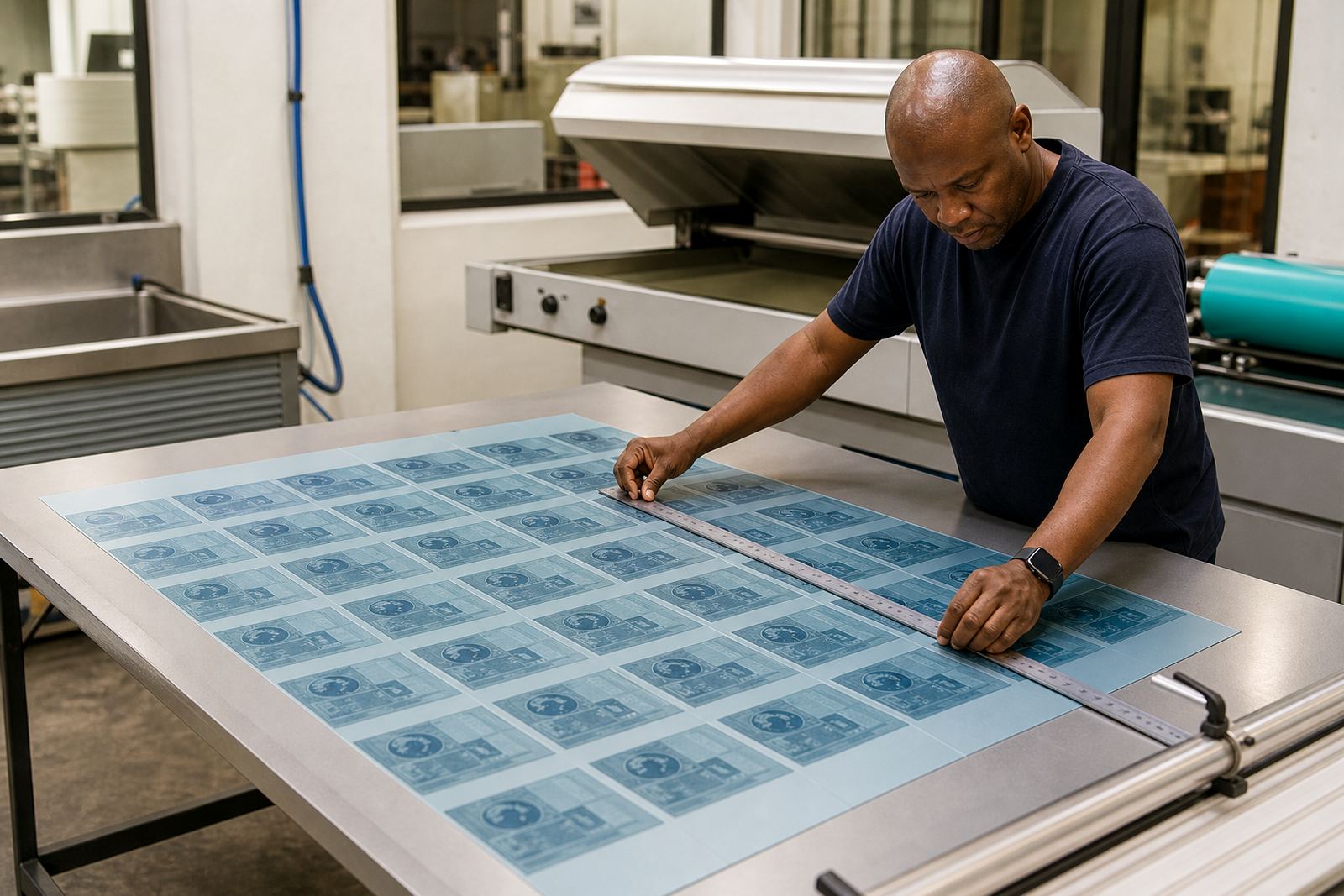
Spec checks often include plate thickness, relief depth, exposure suitability and the level of detail required in the artwork. We also consider mounting tolerance, registration demands and how the job will be trimmed and labelled for the pressroom. For printers running multiple jobs in one shift, those small details save time at the machine.
- Plate thickness matched to the press and cylinder setup
- Relief depth suited to the image and substrate
- Support for fine text, solids, screens and varnish work
- Mounting and trimming requirements for clean fitting
Turnaround, Dispatch and Repeat Work
Turnaround depends on the complexity of the artwork, the number of colours and whether any technical changes are needed before making the plates. Straightforward jobs can move quickly once the brief is complete. More complex work, especially where screening or repeat approvals are involved, takes longer because the checks need to be right before production.
For customers outside Midrand, Zinhle Dlamini coordinates dispatch packing and courier booking so the plates travel securely. We deliver to printers in Johannesburg, Pretoria, Durban, Cape Town, Gqeberha, East Rand and West Rand. If a customer needs collection arranged, we can assist with that too.
- Fast handling for repeat jobs with existing records
- Courier packing for local and national deliveries
- Support for reorders, amendments and remake requests
- Advice on storing spare plates for future runs
Pricing Approach and Ongoing Plate Care
Pricing for technical job advice is linked to the amount of checking involved, the complexity of the artwork and whether the order requires additional production input before plate making begins. Simple advice on a repeat label is not priced the same as a new packaging job with heavy solids, fine screens and several image areas that need close checking. The quote is based on the job, not on guesswork.
We also advise on plate care after production. Plates kept clean, flat and away from heat or direct sunlight generally perform better over time. In humid areas along the coast, storage matters even more, because moisture and poor stacking can affect handling. As a practical guide, plates should be reviewed before each repeat run, especially if they have been stored for several weeks or moved between sites.
- Check stored plates before every repeat job
- Keep plates flat, clean and away from heavy dust
- Avoid heat, pressure and moisture during storage
- Confirm wear or remaking needs before the next run
If your job runs on a tight schedule, the best approach is to bring us in early. The more detail we have on the application, the better we can guide the plate specification and avoid rework later.
Key facts
| Service type | Technical advice for flexo photopolymer plate jobs |
|---|---|
| Job focus | Labels, cartons, sleeves and packaging applications |
| Plate format | Photopolymer plates for flexographic printing |
| Advice areas | Artwork, substrate, screening, mounting and repeat work |
| Coverage | Midrand with courier delivery across South Africa |
| Founded | 2007 |