
What the Centurion sachet brief needed
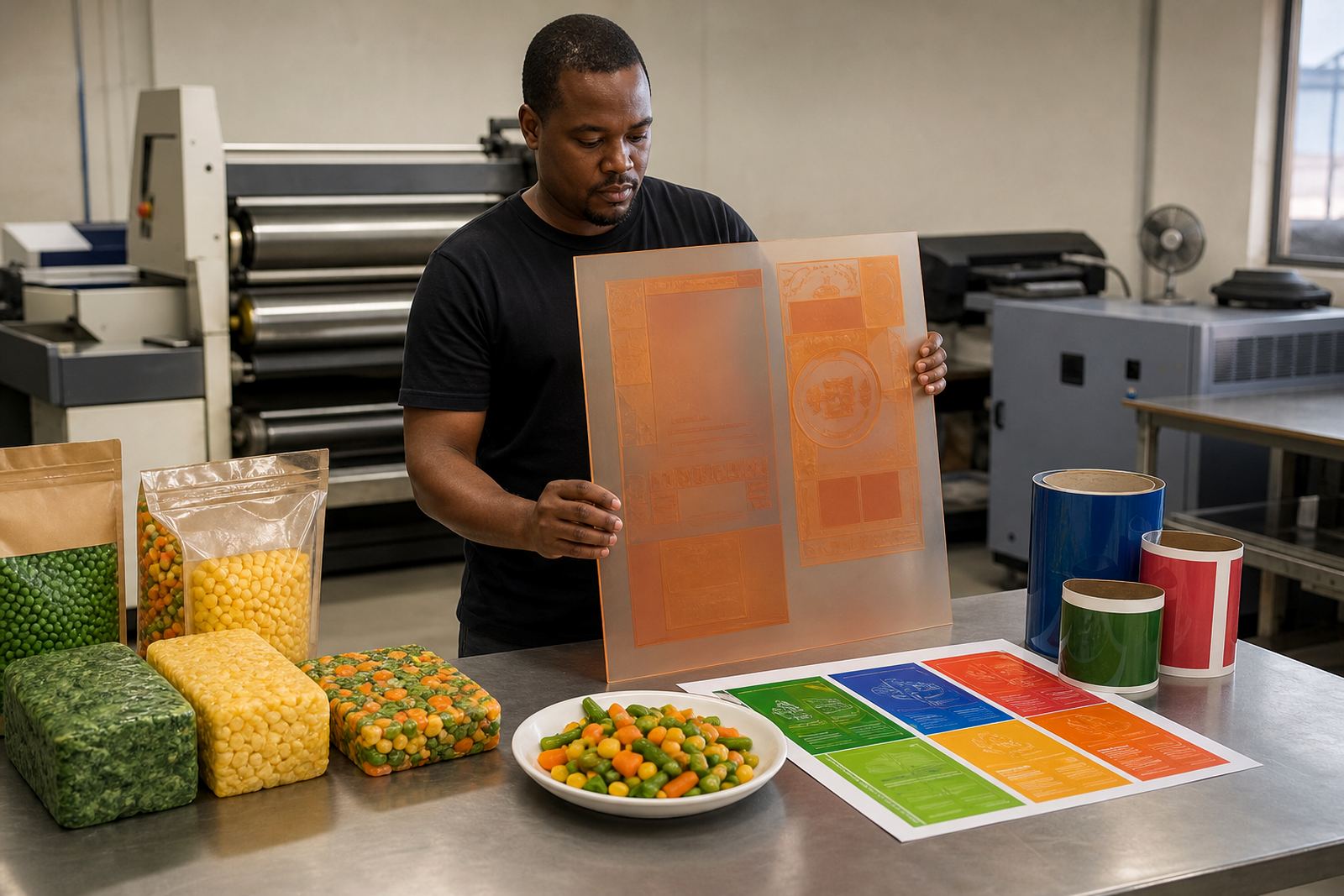
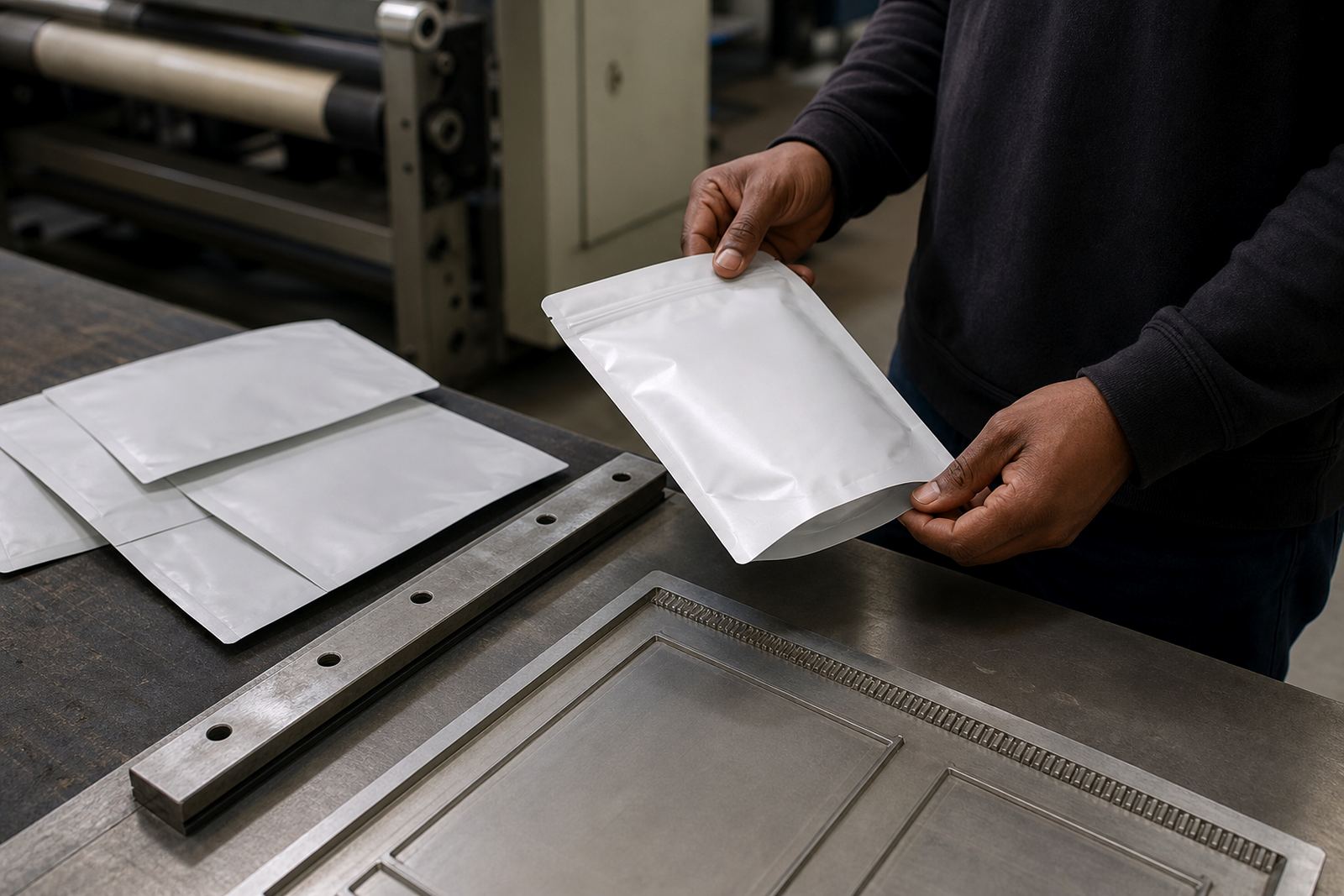
The job came from a label and packaging printer in Centurion working on a sachet run for a food-related product line. The artwork was built for a small pack format with more than one image position on the sheet, so repeat control mattered from the start. The client needed the same picture and text to sit consistently on every impression, with no drift from one lane to the next.
The brief was straightforward in one sense, but strict in the details. The printer needed plates suited to a fine repeat, clear registration marks and enough consistency to keep the layout stable through the run. The artwork carried small type, thin rule lines and a barcode, so any plate issue would show up quickly on press.
- Project type: sachet packaging plates for a Centurion printer
- Layout: compact multi-up repeat with repeated image positions
- Artwork features: small text, linework and barcode elements
- Priority: repeat consistency across the full run
Constraints we had to work around
The main constraint was the size of the format. Sachet work leaves little room for error, and the pressroom needed plates that would hold detail without building up unnecessary pressure on fine elements. The job also had to move through the production line without delay, because the printer was planning around a short production window and a set delivery slot.
Another factor was the local operating reality. Midrand work does not pause for load-shedding, so we kept the job moving with careful scheduling and checked each stage before release. The client also needed couriers to be organised for Gauteng delivery, which meant the packing had to be clean, labelled and ready for dispatch on time.
- Fine detail on a small format needed careful prepress checking
- Press stability was important for repeat consistency
- Delivery had to fit a planned production window
- Dispatch packing and labelling had to be clear for quick handover
Prepress checks and plate-making approach
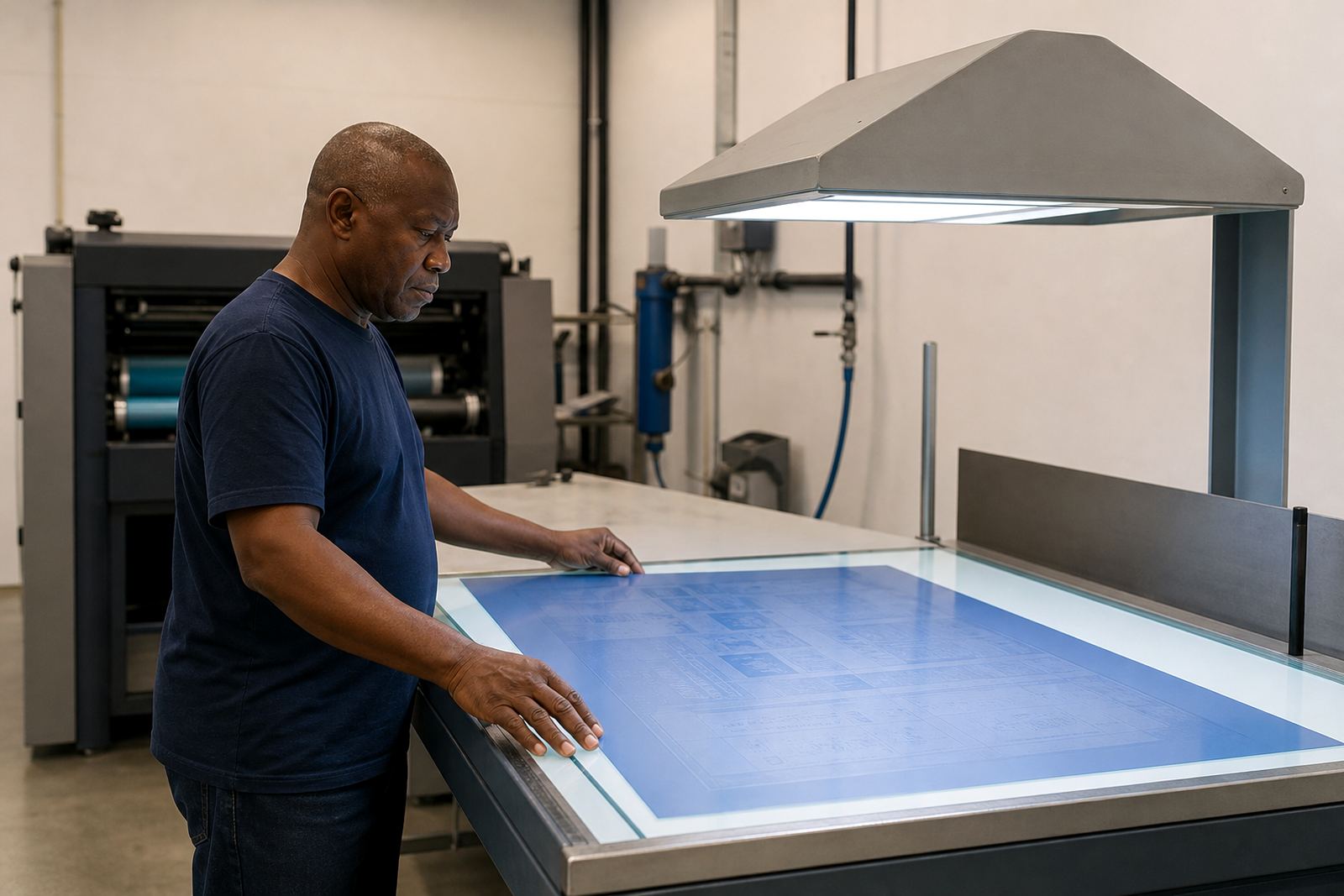
We started with artwork preflight and file checking. That meant checking image resolution, line weights, overprint settings, trim allowance and the placement of all critical elements across the multi-up layout. The sachet repeat was then reviewed for spacing so that each image sat where it should once the plate was mounted and run on press.
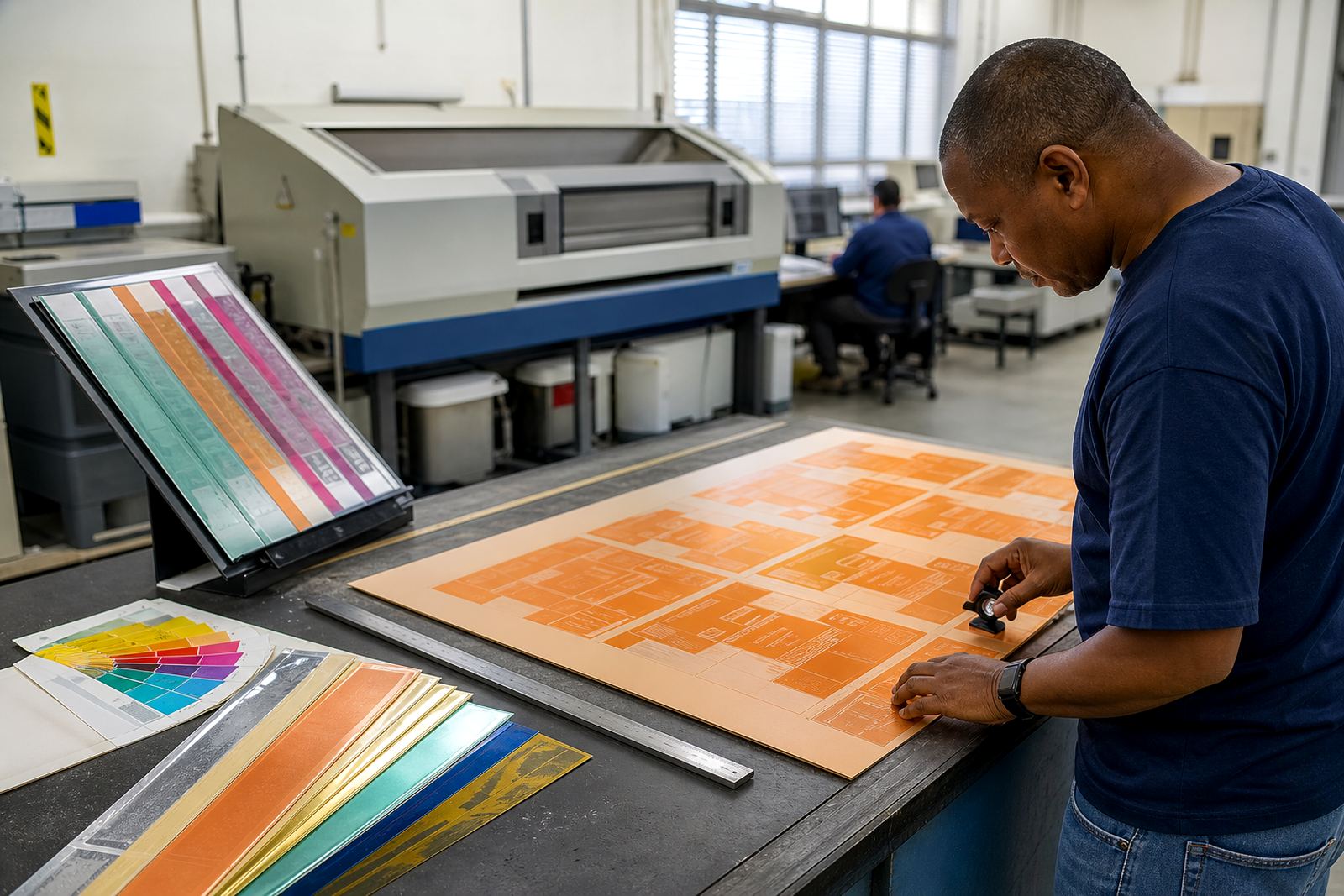
From there, we moved into the plate-making stage. The photopolymer plates were prepared for a packaging print application where sharp detail and stable reproduction matter. We also handled imposition planning and screening support so the layout would suit the final print flow, not just the artwork file. That saved time later in the pressroom and reduced the chance of back-and-forth during make-ready.
- Artwork preflight to catch issues before plate output
- File checking for text, barcode and line integrity
- Imposition planning for the compact multi-up layout
- Screening support for cleaner tonal behaviour on press
What we supplied for the run
For this project we supplied the full plate set, trimmed and labelled for fast identification at press side. The plates were prepared to suit the sachet layout, with careful attention to repeat alignment and practical handling. Plate trimming and plate labelling are small jobs on paper, but they matter on the floor when the printer has several items on the go at once and needs the right plate in the right position first time.
We also handled dispatch packing and collection coordination. That included packing the plates so the surfaces stayed protected in transit and making sure the handover was easy for the courier. For the client, that meant less handling at their end and a cleaner start to the print run.
- Flexo photopolymer plates prepared for sachet packaging
- Trimmed and labelled for straightforward pressroom use
- Dispatch packed for courier movement
- Collection coordination arranged from our Midrand base
Timeline from file check to delivery
The project moved through three working stages over the space of one week. Day one was dedicated to file checking and layout review. Day two covered plate output and internal inspection. The final stage was trimming, labelling, packing and courier dispatch to Centurion. The printer used the plates on the same production cycle, which kept the job moving without extra hold time.
Because the layout was compact, we kept communication practical and specific. Where anything needed confirming, it was dealt with through the enquiry process and direct job notes rather than broad assumptions. That approach suits packaging work, especially when the same design has to repeat cleanly over a run and the press operator needs reliable input.
- Week 1: preflight, checking and plate preparation
- Final stage: trimming, labelling and dispatch packing
- Delivery completed by courier to the Centurion area
- Job communication kept tight and job specific
Results on press and what we would repeat
The result was a plate set that gave the printer the repeat control they needed for the sachet run. The repeated image stayed consistent across the compact layout, and the client was able to move ahead with production using plates that suited the format rather than forcing the format to suit the plate. That matters on packaging jobs because a small shift can show up as a visible fault once the run is under way.
If we were doing the same job again, we would follow the same path: check the files properly, confirm the repeat logic before output, trim and label the plates clearly, then pack for safe courier movement. For Centurion sachet work, that combination keeps things practical and helps the printer keep the run steady from the first sheet to the last.
- Repeat consistency held across the layout
- Plates suited to the sachet format and press handling
- Less time lost at make-ready because the job was checked early
- Same process would be used again for similar packaging work
Centurion packaging support from Midrand
We work from Midrand, Gauteng and support label and packaging printers across Johannesburg, Pretoria, Durban, Cape Town and Gqeberha through courier delivery. For Centurion jobs, that means practical support with plate-making, file checks, screening support and dispatch handling without needing a long chain of middle steps. Clients reach us through the enquiry form on our contact page, and we use that first contact to get the job details right before plates are made.
Since 2007, our focus has stayed on flexo photopolymer plate-making for print work that needs clean reproduction and dependable handling. Sachets, labels and other packaging formats all ask for the same thing in the end: the plate must fit the job, the print must hold up and the delivery must arrive ready for use. That is the standard we work to on every project, including this Centurion run.
- Midrand base with courier delivery across South Africa
- Support for Centurion, Gauteng packaging work
- Services include plate making, preflight and technical job advice
- Enquiries handled through the contact page form
Key facts
| Project | Centurion sachet run for a packaging printer |
|---|---|
| Town | Centurion, Gauteng |
| Plate type | Flexo photopolymer plates |
| Layout | Compact multi-up repeat |
| Timeline | 1 week from file check to courier delivery |
| Core services used | Artwork preflight, file checking, imposition planning, plate making, trimming and dispatch packing |