
What the Sandton brief needed
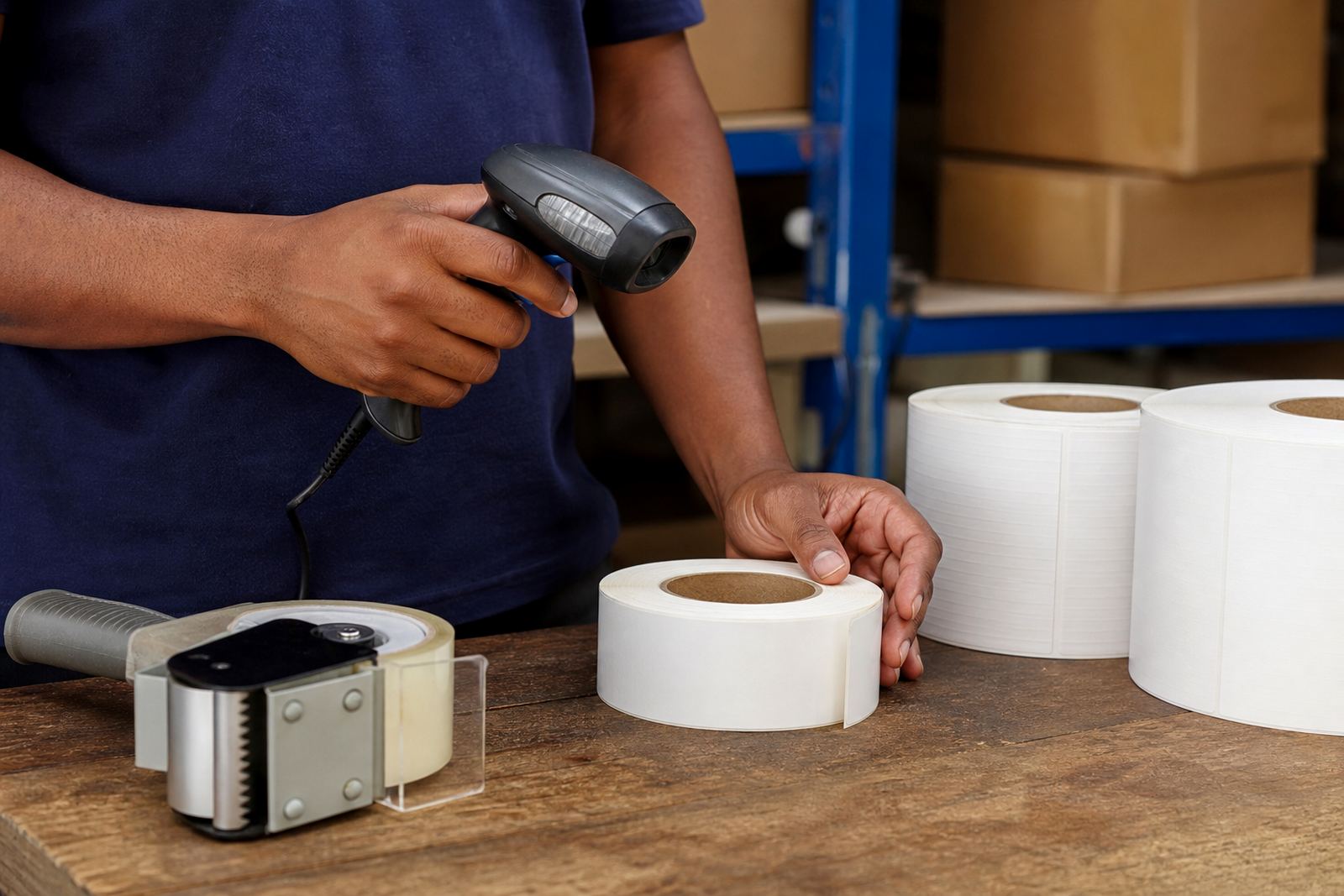
The client was a pharmaceutical packaging printer in Sandton handling labels for regulated product lines, where the smallest details matter. The brief centred on compact text, batch and dosage tables, fine rules and clear barcode areas, all within a label layout that had very little room for error. The work had to suit flexo production, with plate detail that held steady on press and gave crisp reproduction on small copy.
The job also had to fit the practical side of label converting. There was limited space for the statutory text, the client needed a neat finish around the table borders, and the artwork carried several small elements that could easily fill in or close up if not set up properly. For that reason the file checking stage was just as important as the plate-making stage.
- Project type: pharmaceutical labels for packaging
- Location: Sandton, Gauteng
- Print method: flexo for label production
- Key challenge: compact type and ruled tables
Artwork checks before plate production
We started with artwork preflight and file checking to make sure the supplied files were ready for plate output. That included checking line weights, tiny fonts, overprints, image placement and whether the table lines would hold at print size. When labels carry technical information, even a small mismatch in spacing can cause reading issues or make the label look untidy once it is printed and cut.
We also compared the artwork against the supplied print instructions and flagged anything that could become a problem on press, such as reversed type that was too small, rules that were too light, and objects that sat too close to the trim. The aim was to reduce avoidable corrections later and keep the job practical for the printer.
- Checked small type for legibility
- Reviewed ruled tables and line consistency
- Confirmed trim clearance around key elements
- Raised queries before plate-making began
Plate-making for fine detail and clean tables
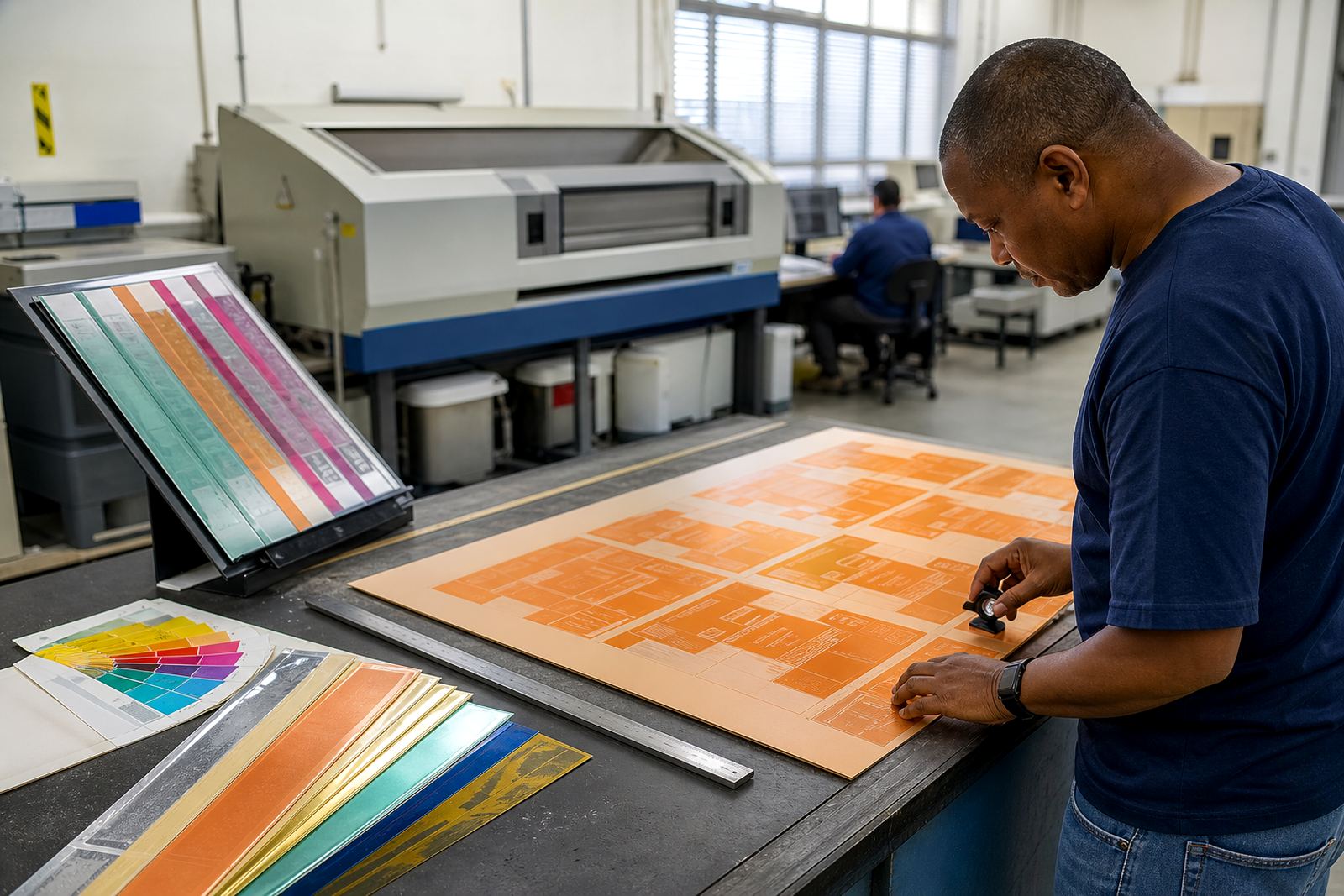
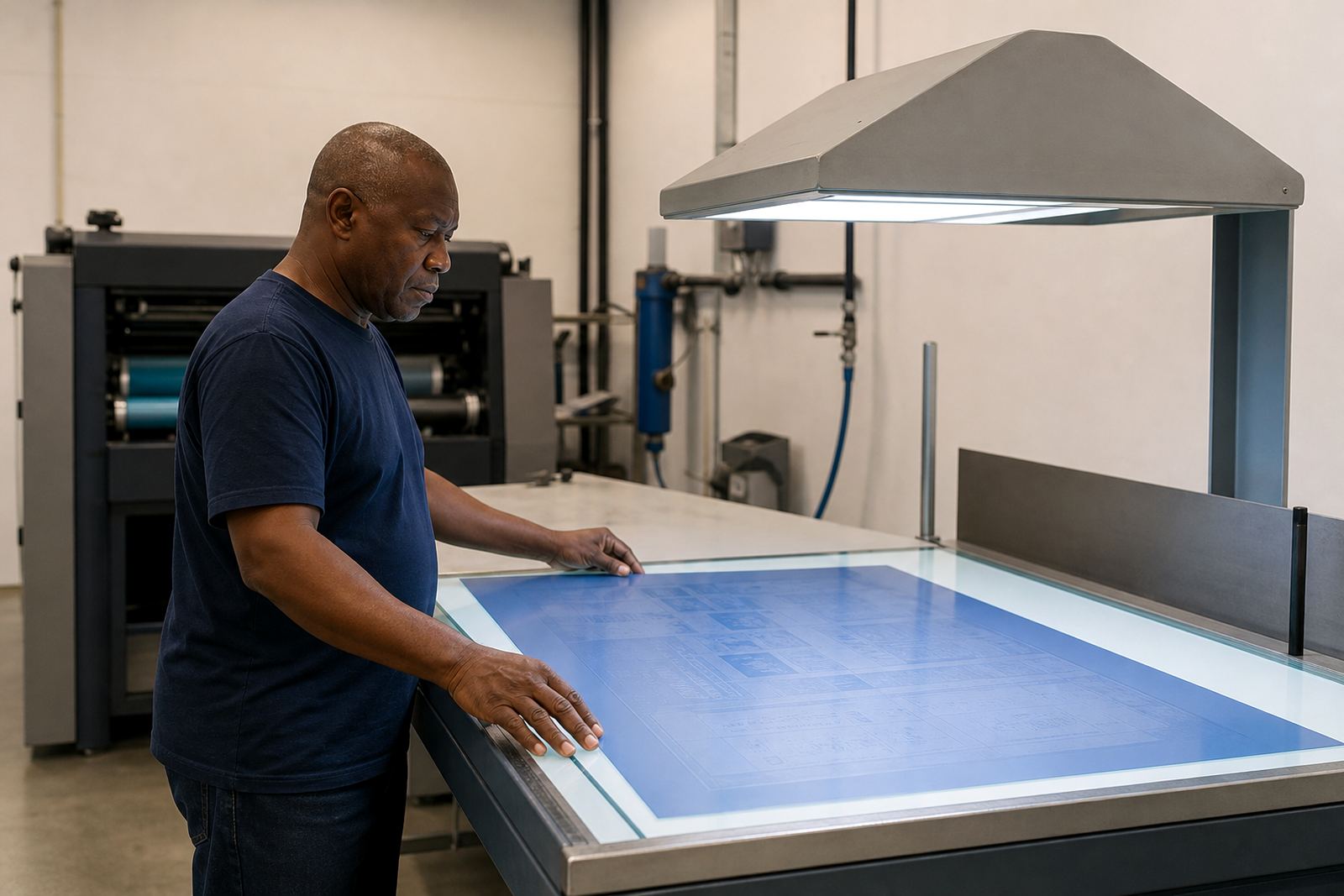
Once the file was signed off for production, we prepared the photopolymer plates with the level of care needed for a label job like this. Compact type needs controlled exposure and clean imaging so the letters stay open. Ruled tables need stable line quality so the printed panel reads clearly and does not break up across the run. We treated the job as a precision plate set rather than a standard packaging plate order.
The plates were made to suit the label layout and the press conditions expected for the run. We kept the fine rules sharp, protected the smallest copy and made sure the plate edges were finished cleanly for mounting. In pharmaceutical work, good plate quality supports more than print appearance. It also helps with consistency from first sheet or roll through to the end of the run.
- Photopolymer plates prepared for fine text
- Rule and table areas held for clear reading
- Plate trimming completed for practical handling
- Mounting notes kept clear for the printer
How we handled the timetable
The project moved through preflight, plate-making and dispatch over a three week working window, with each stage planned around the client’s print slot. Pharmaceutical packaging often works to fixed production dates and there is little room for missed details, so the job needed steady communication and prompt approval at each point. We used the enquiry form process to keep everything in one place and avoid confusion over file versions or instruction changes.
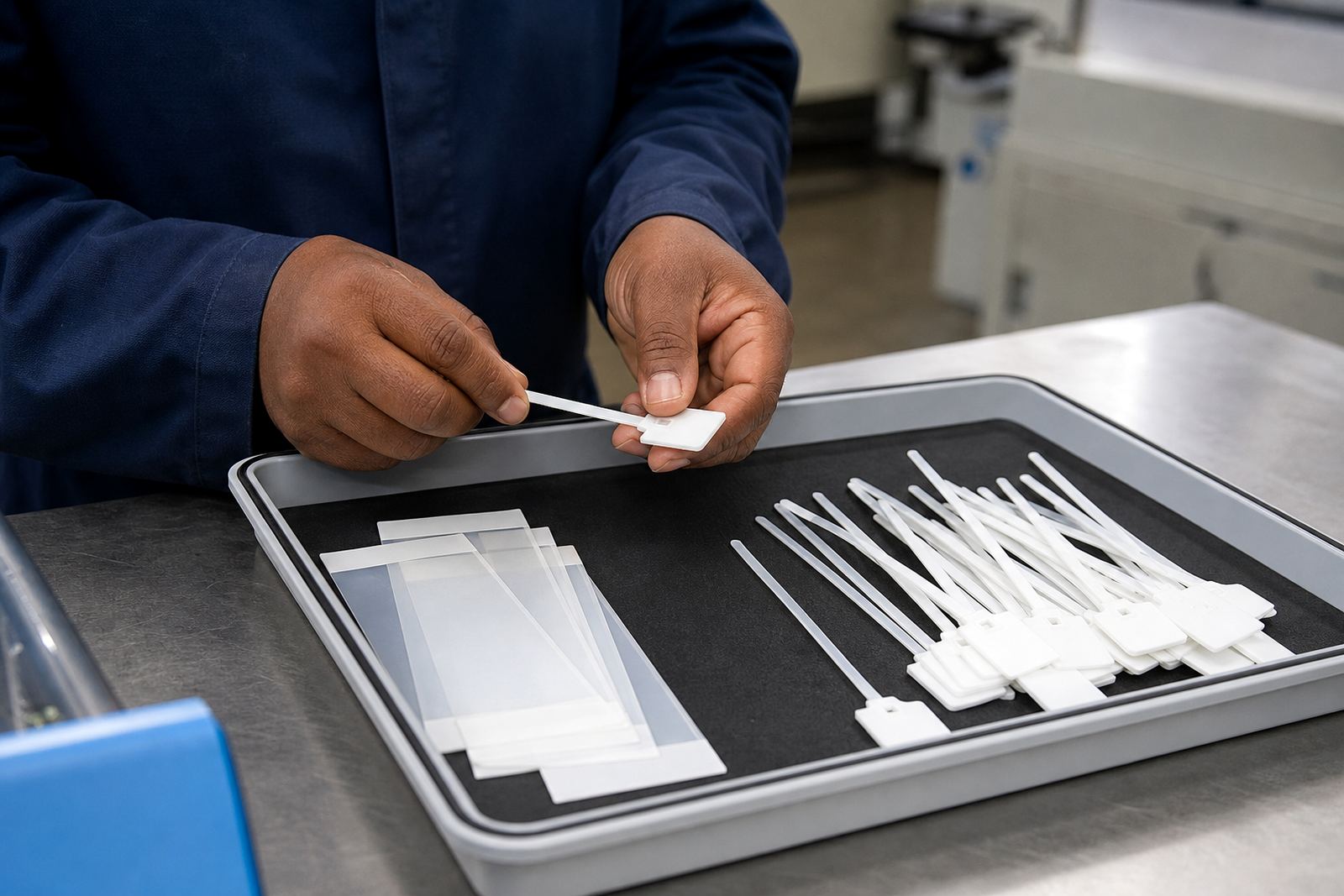
Because the client was in Sandton and the plates had to fit into a production schedule already under pressure, we focused on clear coordination rather than rushed work. Dispatch packing was done carefully so the plates could travel without damage, and collection or courier delivery was arranged to suit the printer’s receiving process. In Gauteng, traffic and load-shedding can disrupt a normal day, so the planning around handover mattered.
- Week 1: artwork review and file checking
- Week 2: plate production and quality check
- Week 3: packing and courier dispatch
What the printer received
The finished job supplied the printer with plates ready for label production, plus practical support on how to handle the set during mounting and make-ready. The result was a cleaner start-up on press, with the small text holding better and the table lines printing more consistently. That matters on pharmaceutical packaging where the customer expects the label to look orderly and the information to remain readable throughout the run.
The printer could move ahead with a tighter workflow because the plate set was checked before dispatch and the file issues were addressed early. For this kind of work, the value is not only in the plate itself but in the time saved when the first run starts without avoidable corrections.
- Sharper small copy on the label face
- Better clarity in ruled and boxed sections
- More controlled make-ready on press
- Less back-and-forth on artwork questions
What we would repeat on a similar job
On a similar Sandton pharmaceutical label project, we would keep the same order of work: preflight first, then plate output, then final packing and dispatch. That sequence gives the printer a better chance of getting a clean start, especially when the artwork carries compact text and fine rules. It also helps when the label has multiple technical elements that must stay balanced inside a tight layout.
We would also keep the same habit of asking the right questions early. If a label contains dosage text, box rules, batch spaces or barcode zones, it is better to check those details before plate output rather than trying to solve them after the plates arrive. That is the practical side of flexo work, and it is where careful plate-making adds real value.
For label printers in Sandton and across Gauteng, this project showed how much difference careful checking can make. The result was a plate set that suited the packaging brief and kept the production team moving with fewer surprises.
Key facts
| Project | Sandton pharmaceutical packaging labels |
|---|---|
| Client type | Label and packaging printer |
| Area | Sandton, Gauteng |
| Process | Flexo photopolymer plate-making |
| Key artwork features | Compact type, ruled tables, fine rules and barcode areas |
| Timeline | Three weeks from preflight to dispatch |