
Kempton Park distribution work that needed clean barcodes
The brief came from a Kempton Park distributor printing barcoded labels and outer packaging for stock moving through local warehouses, depots and loading bays. The team needed flexo photopolymer plates that held tight edges on barcodes, gave clear small text, and stayed consistent across repeat runs. In practical terms, the print had to scan first time and remain legible after handling, stacking and transit.
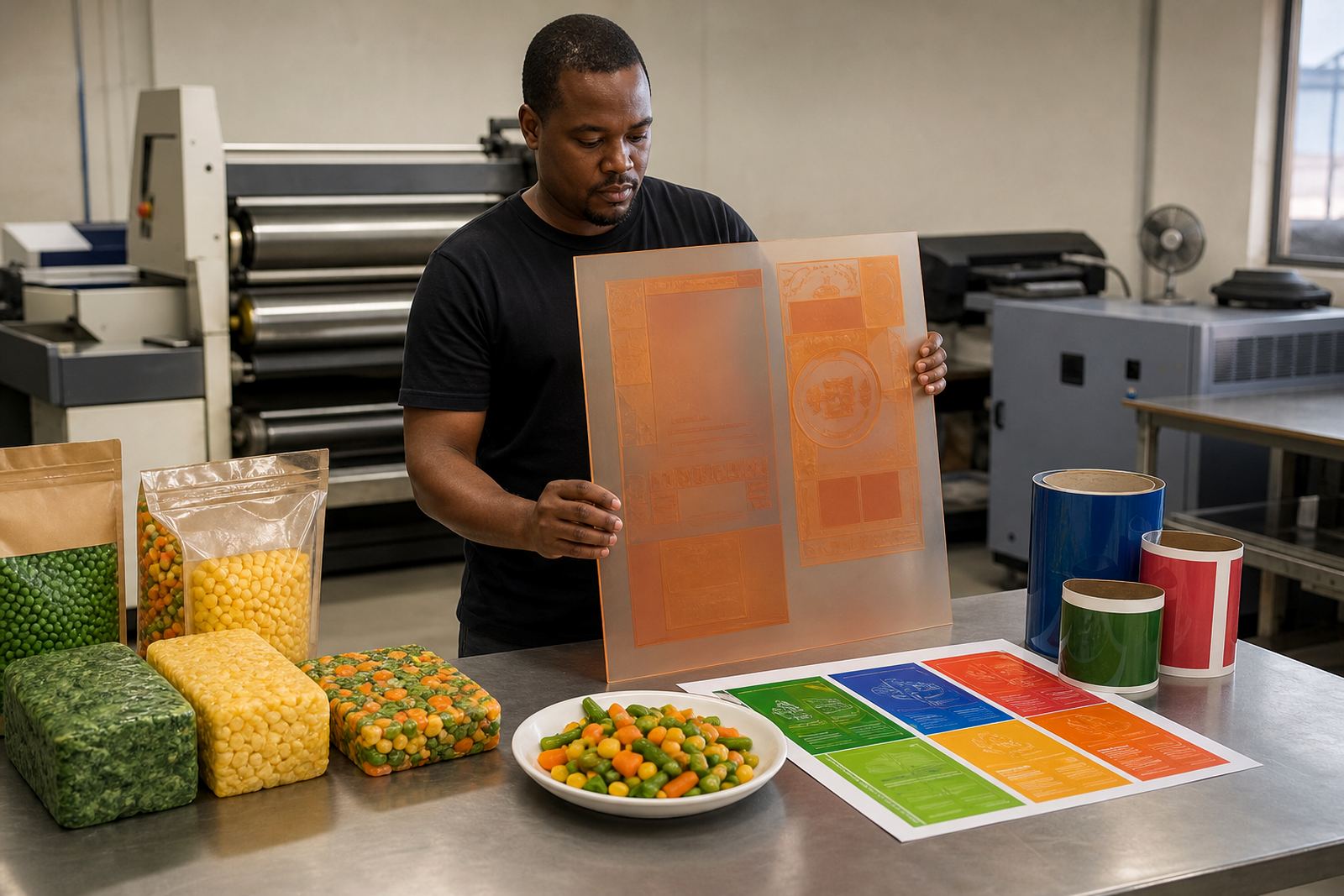
The work sat in the space between label printing and packaging print. That means fine detail mattered as much as ink coverage. On this kind of job, a slight gain in dot, a soft edge on the bars, or a poor plate fit can throw off scanning and slow the whole line. We kept the plate plan focused on those weak points from the start, and built the job around clean reproduction rather than flashy finishing.
- Client type: Kempton Park distributor
- Print use: barcode labels and logistics packaging
- Main priority: sharp scan values and readable product data
- Delivery method: courier to Gauteng and other centres when needed
What the brief asked us to control
The brief was straightforward, but the tolerances were not. The distributor wanted plates that would support barcodes, batch lines, item codes and routing information without filling in the fine gaps. They also wanted good repeatability from one job to the next, because the same pack format could come back for reprint with small artwork changes. That meant plate-making needed proper file checking before output, and a steady hand on imposition so the layout stayed true.
We also had to work around normal production pressures: tight warehouse receiving times, mixed carton sizes, and the sort of day to day stop-start conditions that happen when a line is balancing loading, picking and dispatch. In Gauteng, dust and dry air can affect handling, while on coastal routes moisture can matter too. A plate job has to be ready for that reality, not just for a clean proof room.
- Barcode edges had to stay sharp, not swell or blur
- Small logistics text needed to remain readable at press speed
- Plate trimming and mounting had to suit the printer's cylinder setup
- Labels and carton marks had to match across repeated runs
Our plate-making process for this run
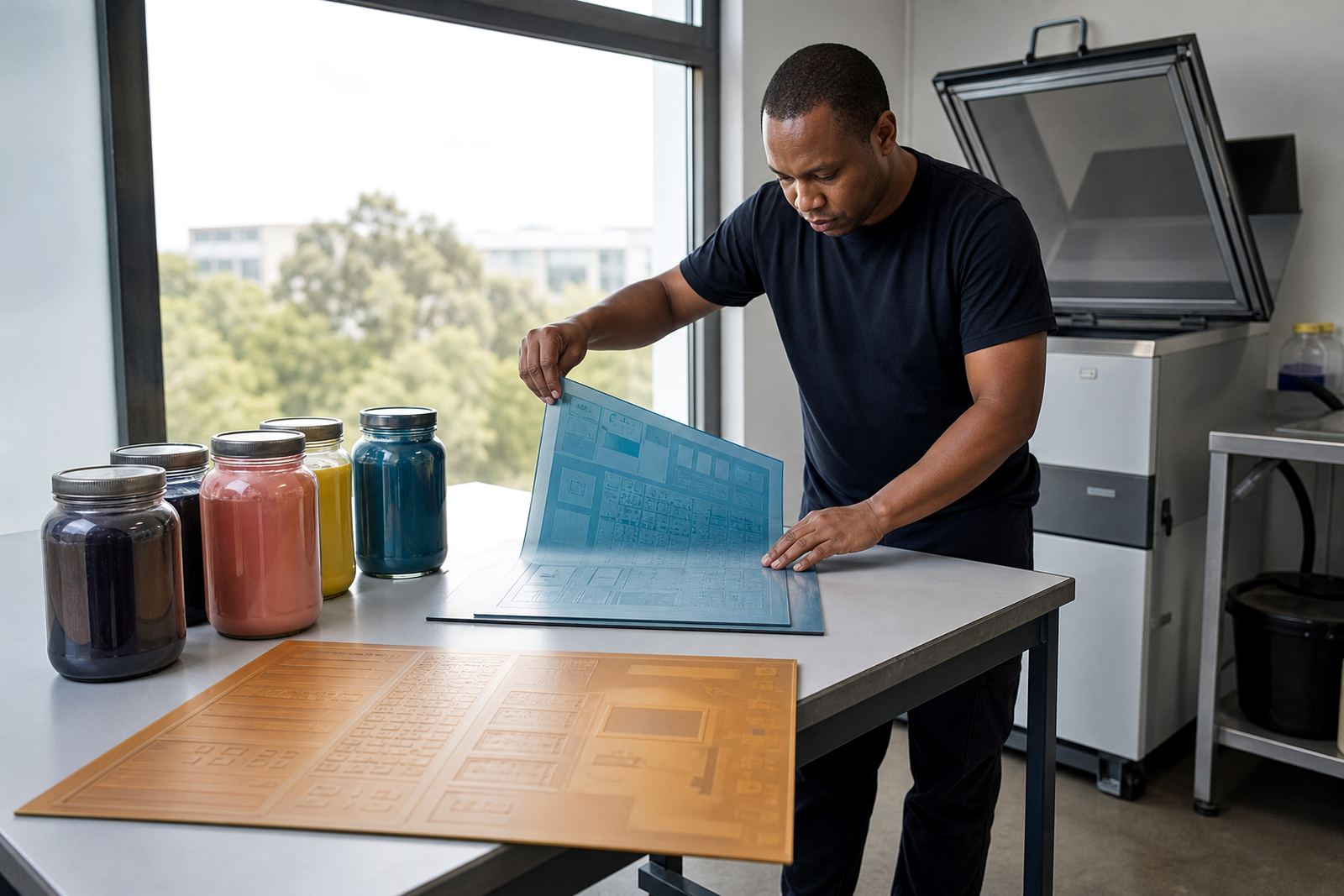
We handled the job as a full plate-making sequence rather than a simple output task. First came artwork preflight and file checking to confirm line weight, fine type, barcode proportions and spacing. Then we worked through imposition planning so the print layout matched the press sheet and the requested repeat. We also gave screening support where needed, because on barcode work the wrong screen choice can make bars look heavier than they should.
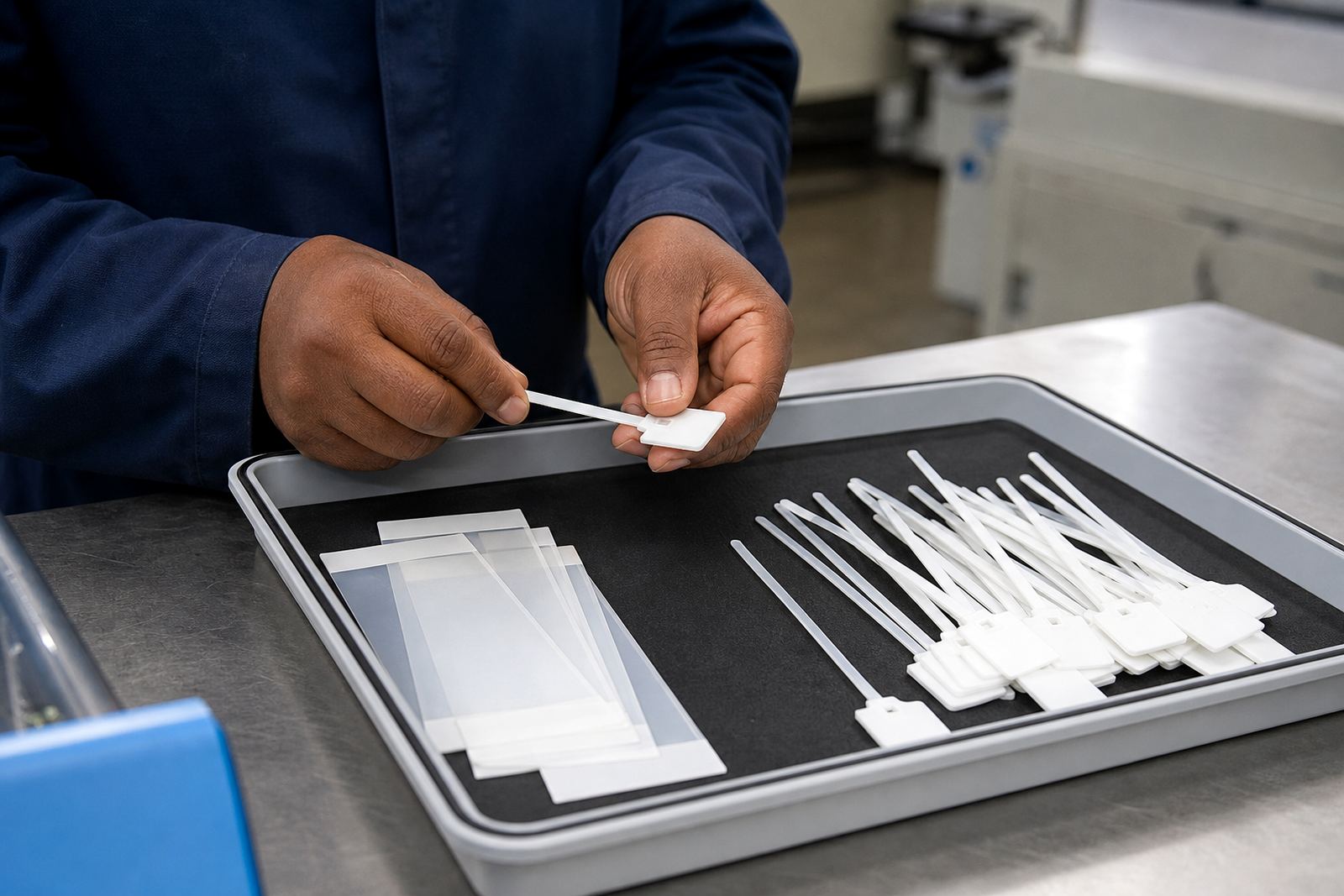
Once the job was ready, we moved into photopolymer plate output, plate trimming, plate labelling and mounting preparation. The plates were finished to suit the printer's set-up and kept organised for easy identification on press. We also included proof comparison before release so the customer could compare key text blocks and barcode areas against the approved artwork. It sounds simple, but on a job like this the details matter the most.
- Artwork preflight and file checking
- Imposition planning for the press format
- Screening support for fine detail control
- Proof comparison before plate release
- Plate trimming, labelling and dispatch packing
Timeline and coordination over two weeks
The job moved through a two week working window from artwork review to dispatch. The first stage was checking the files and confirming the barcode blocks, after which we finalised the plate layout and prepared the output. The second stage covered finishing, mounting prep and collection coordination. Because the customer was in Kempton Park, we could keep communication practical and direct, without dragging out the process.
There were a few small points to sort out during the job, mainly around where barcode zones sat on the label and how much clear space the printer wanted around each code. We adjusted those points early rather than after plate output, which saved time and avoided rework. That is usually the safest way to handle this kind of work. When the press team has a clean plate in hand, they can get on with the run instead of fighting minor faults.
- Week 1: file review, corrections and layout planning
- Week 2: plate output, finishing and dispatch preparation
- Final step: courier or collection coordination to suit the print schedule
What the printer got from the plates
The main result was simple: better control on barcode and logistics detail. The plates reproduced the fine bars cleanly, with enough separation to help scanning and enough body in the type to keep product data legible. On the production side, the printer had plates that were labelled clearly and ready to mount, which made the press setup quicker and less fiddly.
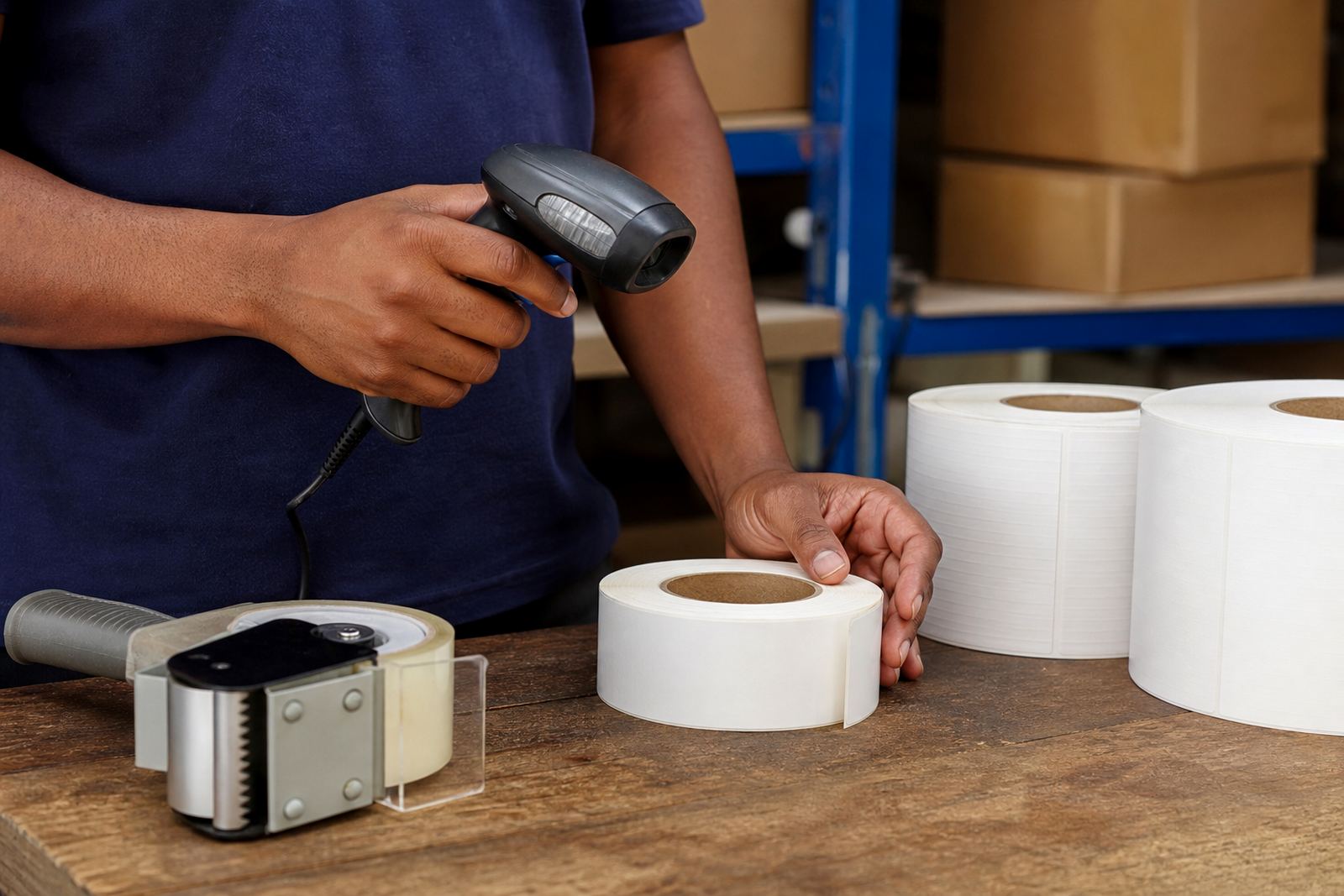
For a distributor, that kind of improvement matters in the warehouse as much as in the print room. A label that scans properly can move through goods receiving, shelf picking and dispatch without someone having to rework the pack by hand. That saves time and reduces avoidable errors. It also helps when stock is moving between Johannesburg, Pretoria, Durban, Cape Town or Gqeberha and the paperwork needs to match the carton in the truck. Nothing fancy, just the sort of result that keeps operations moving.
- Crisper barcode reproduction for scanning
- Clearer small text and logistics fields
- Better plate identification for faster mounting
- Less press room adjustment on set-up
What we would repeat on a similar job
If we were doing the same kind of Kempton Park barcode job again, we would follow the same process: check the file early, confirm the barcode area, plan the imposition properly and compare the proof before release. That approach gives the press team a better starting point and reduces the chance of avoidable plate changes. It also gives the customer a clearer sense of what they are getting before the plates are packed and sent out.
For distributors, label printers and packaging printers working with mixed stock, repeatable plate-making is the safest route. It helps when a line runs in shifts, when there is load-shedding to work around, and when dispatch times are tight. Our team in Midrand handles these jobs with practical attention to the artwork, the mounting, and the way the finished plates will actually be used on press. That is the part that counts.
- Do the file check before output
- Keep barcode zones plain and uncluttered
- Match plate finish to the printer's press setup
- Pack and label plates so they are easy to use on arrival
Key facts
| Project | Kempton Park barcode label and packaging plates |
|---|---|
| Service type | Flexo photopolymer plate-making |
| Location | Kempton Park, Gauteng |
| Timeline | 2 weeks from file review to dispatch |
| Plate focus | Sharp barcode edges and clear logistics text |
| Delivery | Courier coordination across South Africa |